Lewis and Clark Lake Fishing Guide
Lewis and Clark Lake, sprawling along the border of South Dakota and Nebraska, can feel like an overwhelming expanse of water for any angler, whether you're a seasoned veteran or just starting out. With its diverse fish populations, varying depths, and countless coves, knowing where to cast your line or what techniques to use can be a real head-scratcher. This comprehensive guide is designed to demystify fishing on this magnificent reservoir, breaking down everything from the best spots and species to seasonal strategies and essential regulations, ensuring your next trip is a successful and enjoyable one.
The Allure and Landscape of Lewis and Clark Lake
Nestled on the Missouri River, Lewis and Clark Lake is a remarkable body of water, offering a unique blend of riverine currents and large reservoir characteristics. It’s a place where the majestic Missouri slows and widens, creating an incredibly rich ecosystem that supports a vibrant fishery. Many anglers find themselves drawn to its vastness, yet intimidated by the sheer number of options.
Formed by Gavins Point Dam
Lewis and Clark Lake owes its existence to the Gavins Point Dam, the lowermost of the six mainstem dams on the Missouri River. This crucial structure near Yankton, South Dakota, holds back the river's flow, creating a reservoir that stretches approximately 25 miles upstream. The dam's presence means the lake has a distinct eastern end, characterized by deeper water and tailwater fishing opportunities, gradually transitioning to shallower, river-like conditions further west. This transition offers a variety of habitats, from rocky bluffs and submerged timber to sandy beaches and expansive flats, providing different environments for various fish species throughout the year. Understanding this geological context is key to unlocking its fishing potential.
A Border Water Experience
One of the most defining features of Lewis and Clark Lake is its status as a border water, shared between South Dakota and Nebraska. This dual jurisdiction adds a layer of complexity but also opens up more opportunities for anglers. You'll find boat ramps and access points on both sides, allowing you to explore a wider range of fishing grounds. However, this also means it's absolutely critical to be aware of the specific fishing regulations for both states, especially if you plan to cross state lines or fish from the bank on either side. Many anglers will primarily fish the South Dakota side, utilizing areas around Yankton, but the Nebraska side offers equally productive water. Always double-check your license requirements; a valid South Dakota fishing license is generally required to fish on the South Dakota portion, and similarly for Nebraska.
Prime Fish Species to Pursue
Lewis and Clark Lake is a true multi-species fishery, celebrated for its robust populations of several popular game fish. While some lakes are known for one specific target, Lewis and Clark offers excellent opportunities for a diverse bag. Knowing what each species prefers in terms of habitat and forage will significantly increase your chances of success.
Walleye: The Coveted Catch
Without a doubt, walleye reign supreme as the most sought-after species in Lewis and Clark Lake. Their delicious fillets and challenging fight make them a top prize for anglers. Walleye here can grow to impressive sizes, with healthy populations sustaining excellent fishing pressure. They typically prefer deeper, cooler water, especially during the warmer months, often congregating around structural elements like humps, drop-offs, and old river channels. In the spring, they move into shallower areas to spawn, becoming more accessible to shore anglers and those fishing smaller boats. For those keen to learn more about the regulations surrounding this prized fish, you can check out the specific South Dakota Walleye Limits.
Walleye in Lewis and Clark are opportunistic feeders, preying on a variety of baitfish, with gizzard shad being a particularly important forage species. This diet influences the most effective lures and baits. Many anglers find success trolling crankbaits that imitate shad, especially during summer and fall when walleye are actively chasing bait in open water. Bottom bouncing with crawler harnesses or jigging with live bait, like minnows or leeches, are also extremely effective techniques, particularly when fishing deeper structure. Understanding the seasonal movements and preferred depths of these fish is paramount to consistently putting them in the boat.
Smallmouth Bass: Fierce Fighters
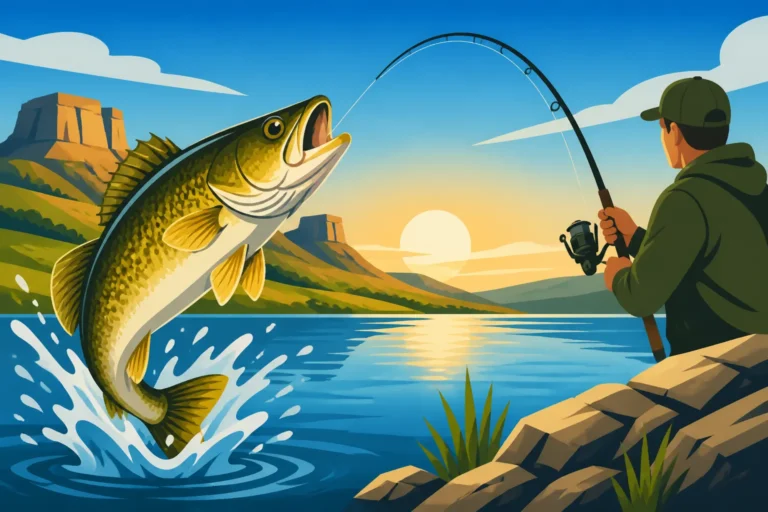
If you’re looking for a hard-hitting fight, the smallmouth bass in Lewis and Clark Lake will not disappoint. These aggressive predators thrive in the lake's rocky areas, rip-rap shorelines, and submerged timber. Unlike largemouth bass, smallmouth prefer clear water and rocky bottoms, making the bluffs and points along the lake excellent targets. They are known for their acrobatic jumps and powerful runs, providing an exhilarating angling experience. You'll often find them patrolling rocky points, submerged humps, and current breaks, especially near the dam where water flow is more pronounced.
Smallmouth bass are particularly active during the warmer months, from late spring through early fall. Popular lures include crankbaits, spinnerbaits, tube jigs, and soft plastics rigged to mimic crawfish or baitfish. Topwater lures can provide explosive strikes during low-light conditions. Many anglers enjoy sight fishing for smallmouth in clearer shallows during the spawn, though always remember to practice responsible catch-and-release to protect these vital breeding populations. Focusing your efforts on areas with broken rock and irregular bottom contours will significantly improve your chances of hooking into a feisty smallie.
Crappie: Panfish Perfection
For those who enjoy filling a cooler with delicious panfish, Lewis and Clark Lake offers fantastic crappie fishing. Both white and black crappie inhabit these waters, often schooling together around submerged cover such as brush piles, standing timber, and bridge pilings. They are particularly popular in the spring when they move into shallower water to spawn, making them easier to locate and catch for anglers of all skill levels. If you're looking for Lewis and Clark Lake White Crappie Fishing Spots, focus on coves and quieter backwaters with plenty of submerged structure.
Crappie are typically caught using small jigs tipped with minnows or soft plastic bodies. Ultralight spinning gear is ideal for feeling their subtle bites. Vertical jigging directly over submerged brush or casting small jigs towards shaded structure are highly effective methods. During the summer, crappie often suspend in deeper water over brush piles or along channel edges, requiring anglers to use electronics to locate their schools. Knowing the current South Dakota Crappie and Panfish Possession Limits is important to ensure you're fishing legally and sustainably. These fish provide consistent action and are a family favorite due to their cooperative nature and excellent table fare.
Catfish: Bottom Dwellers
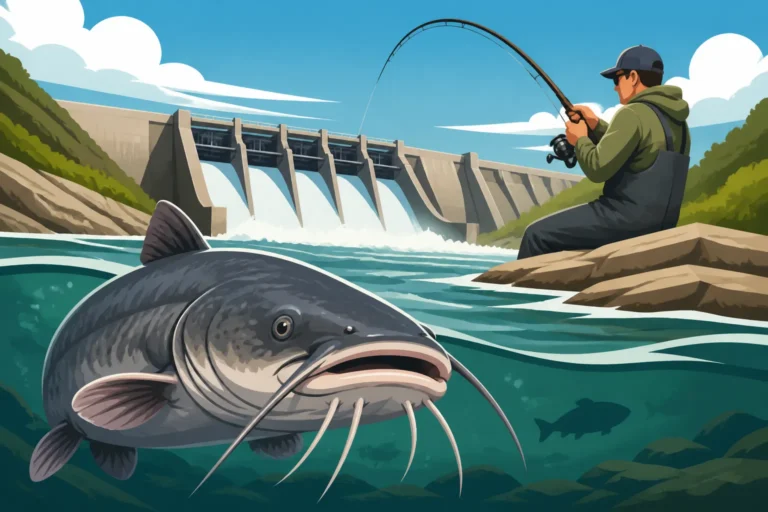
Lewis and Clark Lake, being part of the Missouri River system, is naturally home to a healthy population of catfish, primarily channel cats, with some flatheads lurking in the deeper, snaggier areas. These powerful fish are often overlooked by walleye and bass anglers, but they offer some of the most exciting battles on the lake, especially at night. Catfish thrive in the lake's more turbid areas and deeper channels, often associating with soft bottoms and current breaks. They are particularly active during the summer months when water temperatures are high.
Baits for catfish are generally simple but effective. Cut bait (like shad or sucker), chicken livers, and stink baits are all popular choices. Anglers typically fish these baits on the bottom using a slip-sinker rig, allowing the fish to pick up the bait without feeling resistance. Fishing in the evenings or at night, especially after a warm day, can be incredibly productive for channel cats. For flathead catfish, live bait such as bluegills or suckers fished near heavy cover or log jams in the main river channel is often the most successful strategy. Their brute strength makes for an unforgettable fight, often pulling hard and deep.
Yellow Perch: Ice Fishing Favorites
While not as dominant as walleye or crappie, Lewis and Clark Lake holds a respectable population of yellow perch, particularly sought after during the colder months for ice fishing. These schooling fish provide excellent action and are another fantastic option for the dinner plate. During open water seasons, perch can be found in a variety of habitats, including weed beds, rocky humps, and along channel edges, often mixed in with walleye or crappie schools. They prefer cooler water, so in summer they’ll typically be in deeper sections.
Perch are readily caught on small jigs tipped with wax worms, minnow heads, or small soft plastics. During the hardwater season, ice anglers flock to the lake, drilling holes over known perch haunts. The key to successful perch fishing is often staying mobile, using a portable sonar or flasher to locate schools, and presenting small baits effectively. A common tactic is to use a "drop-shot" style rig or a small spoon. Their distinctive stripes and firm, flaky meat make them a rewarding catch, especially on a cold winter day.
Prime Fishing Locations on Lewis and Clark Lake
Knowing what fish you want to target is only half the battle; knowing where to find them is the other. Lewis and Clark Lake, with its sprawling landscape, offers numerous productive areas, each with its own character and species focus.
Gavins Point Dam Tailwaters
The area immediately below Gavins Point Dam is a renowned fishing hotspot, often referred to as the "tailwaters." This section of the Missouri River offers consistent current, deep water, and highly oxygenated conditions, making it an attractive habitat for a variety of species, especially walleye and sauger. The churning water below the dam disorients baitfish, creating a feeding frenzy for predatory fish. During periods of increased water release, the fishing can be particularly hot.
Anglers here often target the eddy lines, current seams, and deep holes. Jigging with heavy jigs tipped with minnows or soft plastics is a common and highly effective technique. Bottom bouncing with live bait rigs also produces consistent results. Shore access is available, and many boat anglers drift or anchor just out of the main current. This area is also excellent for trophy catfish, which ambush prey moving through the current. Always exercise extreme caution when fishing the tailwaters due to strong currents and potential fluctuations in water levels.
Deep Channel Near the Dam
Moving upstream from the Gavins Point Dam, the main river channel itself forms a deep trough, offering prime habitat for walleye and larger crappie, especially during the summer and winter months. The channel's depth, often reaching 40-60 feet or more, provides cooler temperatures and stable environments when the shallower areas become too warm or cold. This is where you'll often find baitfish congregating, drawing in the bigger predators.
Fishing this deep channel typically involves vertical presentations. Jigging spoons, blade baits, or heavy jigs tipped with minnows are effective. Trolling deep-diving crankbaits can also be productive, covering more water along the channel edges. Using modern electronics, like side-imaging and down-imaging sonar, is incredibly helpful here to identify bait balls, fish arches, and subtle changes in the bottom contour. These deep-water tactics require patience and a good understanding of your electronics, but they can yield some of the largest fish in the lake.
Cottonwood Cove Area
On the South Dakota side, the Cottonwood Cove area, just west of Yankton, is a popular and productive spot, particularly for crappie, bass, and panfish. This cove offers a mix of sheltered waters, submerged timber, and shallower flats that warm up quickly in the spring, making it an early season hotspot. The protected nature of the cove also makes it a great spot for fishing on windier days when other parts of the lake might be too choppy.
Anglers targeting crappie here will find success fishing around the numerous brush piles and standing timber. Small jigs and minnows are the go-to baits. Smallmouth bass can be found along the rocky points and rip-rap leading into the cove. Largemouth bass, though less common in the main lake, can sometimes be found in the very back of the cove where there's more vegetation and calmer water. This area is easily accessible for shore anglers and offers good boat access, making it a popular choice for families and those seeking consistent action. For detailed information on specific boat ramps, especially near Yankton, check out our guide on Lewis and Clark Lake Boat Ramps Near Yankton.
Miller Creek and Sunshine Bottoms
Further west, as the lake transitions more into a riverine environment, areas like Miller Creek and Sunshine Bottoms offer excellent fishing for a variety of species, including walleye, crappie, and catfish. These areas feature shallower flats, submerged humps, and old river channels, often with more extensive weed growth in the shallower sections, which attracts baitfish and, in turn, predatory game fish.
Walleye can be found along the edges of these flats and humps, particularly during low-light conditions or when trolling crankbaits. Crappie will utilize the submerged brush and timber in the back of the creeks. Catfish are often found in the deeper bends of the old river channel, especially where current is present but not overpowering. These areas require a good understanding of the lake's contours and a willingness to explore, but they often reward anglers with less crowded waters and productive fishing. They are particularly good for drifting or slow trolling techniques.
Tabor and Springfield Areas
As you move even further west towards the towns of Tabor and Springfield, the lake becomes progressively shallower and more river-like, with wider flats and sandbars. This section is known for its excellent catfish and northern pike opportunities, as well as decent numbers of walleye, particularly during colder water periods. The increased current and sediment in this area favor species that thrive in these conditions.
Catfish anglers will find plenty of success drifting cut bait or anchoring on sand flats and channel edges. Northern pike often lurk in the scattered weed beds and along current breaks, ambushing smaller fish. Casting large spoons, spinnerbaits, or swimbaits near weed lines can entice a pike strike. Walleye in this stretch are often found in deeper holes or tight to the bottom in areas with current. This western end of the lake offers a different kind of challenge and reward, catering to anglers who enjoy a more riverine fishing experience.
Seasonal Fishing Strategies on Lewis and Clark Lake
Lewis and Clark Lake is a year-round fishery, but successful angling hinges on understanding how fish behavior shifts with the seasons. What works in spring won't necessarily work in summer, and vice-versa. Adapting your approach to the prevailing conditions is key to consistent success. For a broader understanding of fishing timing, you can read our general guide on South Dakota Fishing Seasons Explained.
Spring Fishing: Spawning and Post-Spawn Action
Spring on Lewis and Clark Lake is a time of transition and intense fish activity as water temperatures begin to rise, triggering spawning rituals. This is often one of the most exciting times to fish, especially for walleye and crappie.
Early Spring Walleye Patterns
As the ice melts and water temperatures creep into the low 40s to 50s Fahrenheit, walleye begin their pre-spawn migration towards traditional spawning grounds. These typically include rocky points, rip-rap shorelines, and shallower gravel flats with some current. They'll stage in slightly deeper water nearby before moving up to spawn. This pre-spawn period is characterized by aggressive feeding as they bulk up for the spawn.
Effective techniques include slow trolling shallow-diving crankbaits along contours, or jigging with vertical presentations like jig and minnow combinations. Blade baits can also be deadly when fished vertically in staging areas. After the spawn, typically around mid-to-late April, walleye scatter and become more active, feeding heavily to recover their energy. Focus on pitching jigs and plastics to shallow cover or drifting live bait rigs along wind-blown shorelines. The bite can be fantastic, but fish often aren't concentrated in large schools, requiring more searching.
Crappie and Smallmouth in the Shallows
Spring is also prime time for crappie and smallmouth bass as they move into shallower, warmer waters for their spawn. Crappie will flock to protected coves, brush piles, and submerged timber when water temperatures hit the mid-50s. They become highly catchable as they prepare to lay their eggs. Small jigs tipped with minnows or soft plastics are incredibly effective when cast or vertically jigged around cover.
Smallmouth bass, preferring rocky areas, will move onto shallow rock flats and rip-rap when temperatures reach the high 50s to low 60s. They become aggressive and territorial, often striking at anything that comes near their nests. Crankbaits, spinnerbaits, and tube jigs worked along rocky points and shorelines can trigger violent strikes. This is an excellent time for sight fishing in clear water, allowing anglers to target specific fish guarding their beds, though ethical anglers often practice catch-and-release during this sensitive period.
Summer Fishing: Deep Water and Low-Light Tactics
Summer fishing on Lewis and Clark Lake presents a different set of challenges and opportunities. As water temperatures soar, many fish species retreat to deeper, cooler, and more oxygenated waters, often associating with thermoclines if present, or structural elements in the main channel.
Walleye in Open Water and on Structure
During the summer, walleye on Lewis and Clark Lake are often found in the main lake basin, cruising open water in search of baitfish schools or holding tight to deeper structural features. The middle section of the lake, with its deeper channels and humps, becomes particularly productive. Trolling is a dominant strategy for covering vast amounts of water and targeting suspended fish.
Long-lining crankbaits at various depths, often employing planer boards to spread out lines, is a go-to technique. Experiment with different colors and diving depths until you find what the fish are keying in on. Bottom bouncing with spinner rigs or crawler harnesses is also highly effective when walleye are hugging the bottom on humps, points, or along the old river channel. Early mornings, late evenings, and overcast days tend to be the most productive times, as walleye are light-sensitive and more active during low-light conditions.
Catfish and Panfish Opportunities
Summer is prime time for catfish on Lewis and Clark Lake. The warm water makes them incredibly active. They'll be found throughout the lake, but especially in the slightly muddier, current-laden areas of the western half and in deeper holes. Night fishing for catfish can be phenomenal, as they become more active after dark. Use cut bait, stink bait, or chicken livers fished on the bottom.
Panfish like crappie and yellow perch will also be active, though they often suspend in deeper water or relate to deep brush piles and submerged cover. Using a fish finder to locate these schools is crucial. Vertical jigging small jigs or spoons, often tipped with a minnow or wax worm, can produce steady action. Fishing under boat docks or in shaded areas during the heat of the day can also reveal hidden schools of crappie.
Fall Fishing: The Feeding Frenzy
Fall is arguably one of the best times to fish Lewis and Clark Lake. As water temperatures begin to drop, fish sense the approaching winter and engage in an aggressive feeding frenzy to pack on fat reserves. This period often sees larger fish become more active and accessible.
Aggressive Walleye and Smallmouth
Walleye in the fall become incredibly aggressive. They'll often move shallower than in summer, especially during periods of low light, chasing schools of baitfish into coves and onto flats. Trolling crankbaits, often larger ones to imitate the abundant gizzard shad, remains a top technique, but casting jigs and soft plastics to rocky points and breaklines can also be highly effective. The eastern end of the lake, near the dam, can see particularly strong fall walleye runs.
Smallmouth bass also exhibit intense feeding behavior in the fall. They will aggressively strike at a variety of lures, including crankbaits, jerkbaits, and spinnerbaits, as they gorge on baitfish. Focus your efforts on rocky points, steep bluffs, and transition areas where hard bottom meets soft bottom. The larger fish often come out to play during this time, providing excellent opportunities for trophy-sized catches.
Active Catfish and Perch
Catfish continue to be active throughout the fall, particularly in the earlier parts of the season. They can be found in similar areas as in summer, but may begin to concentrate in deeper holes as water temperatures continue to drop. Using fresh cut bait is usually the most productive method.
Yellow perch also become very active in the fall, often schooling up in large numbers over deeper flats or along the edges of weed beds. This can be a fantastic time to target them before the ice forms, using small jigs or spoons. They are often found mixed in with walleye, so it's not uncommon to catch both while targeting either species.
Winter Fishing: Ice Angling Adventures
When Lewis and Clark Lake freezes over, a whole new world of fishing opens up for hardy ice anglers. While not always completely safe for extended periods due to fluctuating water levels, when conditions allow, ice fishing can be incredibly rewarding.
Walleye and Perch Through the Ice
Ice fishing for walleye and yellow perch is the primary draw during winter. Walleye will often be found relating to deep structure like humps, points, and channel edges, particularly during low-light hours. Perch tend to school over shallower flats or areas with residual weed growth. Both species are often caught on small jigs, spoons, or tip-ups rigged with minnows or wax worms.
The key to successful ice fishing is portability and patience. Using a portable shelter, an ice auger, and a flasher unit allows you to stay mobile and locate fish efficiently. Drilling multiple holes and moving until you find an active school is often more productive than staying in one spot. Always prioritize safety on the ice, checking thickness regularly and being aware of currents, especially near the dam or river inflows, which can create unstable ice conditions. Our South Dakota Ice Fishing Guide provides a lot more information on staying safe and successful.
Essential Gear and Techniques for Lewis and Clark Lake
Having the right gear and knowing how to use it effectively is paramount for a successful fishing trip on Lewis and Clark Lake. Given its diverse fishery and varying conditions, versatility is a valuable asset.
Rods, Reels, and Line Choices
For general walleye and smallmouth bass fishing, a medium-light to medium power spinning rod, 6'6" to 7' long, paired with a 2500-3000 series spinning reel is a versatile setup. This combination offers enough backbone for larger fish but is sensitive enough for subtle bites. Spool your reel with 6-10 lb test braided line, which offers superior sensitivity and casting distance, and add a 6-8 lb fluorocarbon leader for abrasion resistance and invisibility. For those specifically targeting larger walleye with trolling techniques, a medium-heavy baitcasting setup with 10-15 lb monofilament or braided line is often preferred for handling heavier lures and fighting fish in current. Check out our guide on Best Fishing Rods and Reels for Walleye for more specialized advice.
For crappie and perch, an ultralight spinning rod (5'6" to 6'6") paired with a 1000-2000 series reel spooled with 4-6 lb monofilament or braided line is perfect. The lighter action allows for better bite detection with small baits. Catfish anglers will want a heavy-action spinning or baitcasting rod (7' to 8') with a durable reel spooled with 15-30 lb monofilament or braided line to handle the power of these bottom dwellers.
Popular Lures and Baits
The diversity of fish in Lewis and Clark Lake means a wide array of lures and baits can be effective.
Walleye Presentations
- Crankbaits: Shad-imitating crankbaits are essential, especially for trolling. Brands like Rapala, Berkley, and Salmo offer excellent options in various diving depths and colors. Experiment with natural patterns (shad, perch) and brighter colors (firetiger, chartreuse).
- Jigs: ¼ to ½ ounce jigs tipped with live minnows, plastic swimbaits, or twister tails are highly effective for vertical jigging or casting. Lead-head jigs in bright colors (chartreuse, orange) or natural hues (black, white) are staples.
- Spinner Rigs/Crawler Harnesses: For bottom bouncing, these rigs with a snelled hook tipped with a nightcrawler or minnow are deadly, particularly in summer and fall. The flash and vibration attract curious walleye.
- Blade Baits: These vibrating metal lures are excellent for vertical jigging in deeper water or current, mimicking distressed baitfish.
Bass and Panfish Offerings
- Smallmouth Bass: Crankbaits (diving and lipless), spinnerbaits, tube jigs, soft plastic creature baits (rigged Texas or Carolina style), and topwater lures (poppers, walking baits) are all highly productive. For a detailed rundown on how to target this species, check out our guide on How to Fish for Walleye in South Dakota for techniques that can be adapted for bass.
- Crappie: Small (1/32 to 1/8 ounce) hair jigs, tube jigs, marabou jigs, or tiny swimbaits are perfect, often tipped with a minnow. Small spoons can also work for suspended crappie.
- Perch: Similarly, small jigs, spoons, and live baits like wax worms or small minnows are key.
Catfish Baits
- Cut Bait: Freshly cut shad, sucker, or other oily fish are irresistible to channel and flathead catfish.
- Prepared Baits: Stink baits, punch baits, and chicken livers are traditional favorites for channel catfish.
- Live Bait: For trophy flathead catfish, live bluegills, sunfish, or suckers are often preferred.
Navigational Tools and Electronics
Given the size of Lewis and Clark Lake, modern electronics are more than just a luxury; they're almost a necessity for efficient fishing. A good fish finder with GPS capabilities can help you locate structure, identify fish schools, and mark productive waypoints. Side-imaging and down-imaging technologies can reveal detailed underwater topography, brush piles, and even individual fish.
A reliable electric trolling motor, especially one with GPS spot-lock features (like Minn Kota's Ulterra or Terrova models, or Garmin's Force), can be a game-changer for precise boat control, allowing you to hold position over a spot or follow contours hands-free. This is invaluable when jigging specific structure or maintaining a trolling pass. Always ensure your boat meets South Dakota Boat Safety Requirements before heading out.
Rules, Regulations, and Licensing
Navigating the regulations for Lewis and Clark Lake requires special attention due to its border water status. Both South Dakota and Nebraska have their own specific rules, and understanding them is crucial to avoid any legal trouble.
South Dakota Fishing License Requirements
To legally fish the South Dakota waters of Lewis and Clark Lake, you will need a valid South Dakota fishing license. Residents and nonresidents have different options, including annual, short-term, and combination licenses. For most anglers, an South Dakota Annual Fishing License is the most convenient if you plan multiple trips throughout the year. Children often have specific age exemptions, and seniors or disabled veterans may qualify for discounts or free licenses. Always carry your license with you and be prepared to show it to a game warden if requested. You can find detailed information on how to obtain one in our South Dakota Fishing License Guide.
Reciprocity and Border Water Rules
The nature of Lewis and Clark Lake as a border water means there are often reciprocal agreements or specific rules regarding fishing from either state's shore or navigating between the two. Generally, if you are fishing from a boat and stay within the boundary of one state, you only need that state's license. However, if you launch from one state and fish in the waters of the other, or if you fish the main channel where the border lies, understanding the nuances is critical.
For Lewis and Clark Lake, the general rule is that a valid South Dakota fishing license allows you to fish the entire lake, regardless of which side of the state line you are on, as long as you stay on the water. If you are on Nebraska land (e.g., fishing from shore or launching from a Nebraska ramp), you would need a Nebraska license. Always consult the most current South Dakota Game, Fish and Parks (GFP) regulations and Nebraska Game and Parks Commission regulations for any specific exceptions or changes, as these can be updated annually. It’s always better to be safe than sorry! Our article on South Dakota Fishing Regulations Explained delves deeper into state-wide rules.
Possession Limits and Size Restrictions
Like all regulated fisheries, Lewis and Clark Lake has specific daily and possession limits, as well as potential size restrictions for various species. These limits are put in place to ensure the sustainability of the fish populations. For walleye, for example, there's a daily limit on the number of fish you can keep, and sometimes a slot limit or minimum size restriction. Crappie and panfish also have possession limits. It's imperative to know these numbers before you hit the water. These rules can sometimes vary depending on the body of water, so always check the specific regulations for Lewis and Clark Lake in the current year's fishing handbook provided by South Dakota GFP. Violating these regulations can result in hefty fines and loss of fishing privileges.
Planning Your Lewis and Clark Lake Fishing Trip
A successful fishing trip isn't just about catching fish; it's also about a well-planned and enjoyable experience. Lewis and Clark Lake, with its surrounding recreational opportunities, offers plenty to consider when planning your visit.
Boat Access and Ramps
Lewis and Clark Lake boasts numerous public boat ramps on both the South Dakota and Nebraska sides, providing excellent access to different parts of the reservoir. On the South Dakota side, popular ramps can be found near Yankton, like those in the Gavins Point Recreation Area and Lewis and Clark Recreation Area. These ramps are generally well-maintained and offer ample parking. Further west, access points become more spread out but still provide good entry to the lake.
When selecting a ramp, consider the wind direction and your target fishing area. Launching into a strong headwind can make for a rough start to your day. It’s also wise to check current water levels, especially during periods of drought or heavy rain, as some ramps might be affected. Many ramps also offer amenities like restrooms and fish cleaning stations. Always remember proper boat ramp etiquette to ensure a smooth launch and retrieval for everyone.
Accommodations and Amenities
Yankton, South Dakota, is the primary hub for Lewis and Clark Lake, offering a wide range of accommodations from hotels and motels to campgrounds and vacation rentals. The Lewis and Clark Recreation Area itself provides excellent camping opportunities, including cabins, electric hookups, and primitive sites, many with lake access. Other nearby towns on both sides of the border also offer options.
Beyond lodging, Yankton provides essential amenities like bait shops, sporting goods stores, grocery stores, restaurants, and gas stations. You'll find everything you need to stock up for your trip, from fresh bait to last-minute tackle. For those who enjoy a bit of history or other outdoor activities, the area also has hiking trails, disc golf courses, and opportunities for paddle sports, making it a great destination for a family vacation beyond just fishing.
Engaging with Local Guides
For those new to Lewis and Clark Lake or looking to maximize their chances of success, hiring a local fishing guide can be an invaluable investment. Guides possess intimate knowledge of the lake, its ever-changing conditions, and the most productive techniques for different species and seasons. They can put you on fish quickly, teach you effective methods, and provide all the necessary gear, allowing you to simply enjoy the experience.
Several experienced charter captains and independent guides operate on Lewis and Clark Lake, specializing in walleye, bass, or multi-species trips. A quick search online, or checking platforms like FishingBooker, can help you find reputable guides with good reviews. Communicating your fishing goals (e.g., targeting a specific species, learning new techniques, or just catching fish for dinner) with your guide beforehand will help them tailor the trip to your preferences. A guided trip is often a fantastic way to learn the lake's nuances and accelerate your learning curve.
Protecting the Resource
As anglers, we all share a responsibility to protect the precious fishery of Lewis and Clark Lake for future generations. This includes adhering strictly to all regulations, practicing responsible catch-and-release, and preventing the spread of aquatic invasive species. Always clean your boat, trailer, and gear thoroughly before moving from one body of water to another, and never transport live bait from one lake to another. Being mindful of your impact ensures that Lewis and Clark Lake remains a premier fishing destination for years to come.
Disclaimer
Please be aware that fishing regulations, license requirements, and local conditions can change. While this guide provides comprehensive information, it is always your responsibility to consult the most current regulations published by the South Dakota Game, Fish and Parks (gfp.sd.gov) and the Nebraska Game and Parks Commission (outdoornebraska.gov) before you head out on the water. Stay safe, respect the environment, and enjoy your time fishing on Lewis and Clark Lake!