Lake Francis Case Fishing Guide
For many anglers, the sheer size of Lake Francis Case in South Dakota can be incredibly daunting. Stretching for miles along the Missouri River, with countless bays, points, and ever-changing conditions, it's easy to feel lost and overwhelmed before you even cast a line. This comprehensive guide is here to break down the complexities of fishing this magnificent reservoir, offering practical advice and insider tips to transform your next trip into a successful and enjoyable adventure.
The Grandeur and Challenges of Lake Francis Case
Lake Francis Case is a true gem in South Dakota's fishing crown, part of the Missouri River's "Great Lakes." It's a massive body of water, formed by the Fort Randall Dam, offering diverse habitats that appeal to a wide array of fish species. But its vastness is a double-edged sword: while it holds incredible potential, it also demands thoughtful planning and a keen understanding of its nuances to unlock its secrets.
Lake Profile and Unique Characteristics
Stretching over 100 miles from Fort Randall Dam upstream to Big Bend Dam, Lake Francis Case covers roughly 102,000 acres, making it one of the largest reservoirs in the state. Its depth varies dramatically, from shallow, silty flats in its upper reaches to deep, rocky channels near the dam. The river current, though significantly slowed by the dam, still plays a role, especially in the main channel and upstream areas. This dynamic environment means you'll encounter everything from submerged timber and brush piles to vast open water and sharp drop-offs. The lake's water levels can fluctuate seasonally, which directly impacts fish locations and angler access, so staying updated on conditions is always a smart move.
Why It's a Premier Fishing Destination
Despite its challenges, Lake Francis Case remains an absolute powerhouse for anglers, consistently producing trophy-sized fish and incredible numbers. It's particularly renowned for its world-class walleye fishery, drawing anglers from across the nation. But it's not a one-trick pony; the lake also boasts fantastic opportunities for smallmouth bass, crappie, catfish, and northern pike. The sheer variety means there's almost always something biting, regardless of the season or your preferred fishing style. Whether you're a seasoned pro with a fully-rigged boat or a casual angler looking to cast from shore, the potential for a memorable catch is very real. This vastness also means less crowding than some smaller, well-known spots, allowing for a more peaceful fishing experience on many days.
Prime Species to Target on Lake Francis Case
Lake Francis Case is a diverse ecosystem supporting many popular game fish. While walleye often steal the spotlight, a smart angler knows to keep an eye out for other fantastic opportunities that can make for an even more exciting day on the water.
Walleye Wonders
Ah, walleye – the undisputed king of Lake Francis Case! This reservoir is a bucket-list destination for walleye enthusiasts, offering not just high numbers but also a legitimate shot at a true trophy. Walleye here thrive on the abundant forage base, growing fat and sassy. During the spring, after the ice recedes, they'll congregate in shallower areas, especially near rocky points and submerged humps, preparing for or recovering from the spawn. As summer progresses, they move to deeper structure, often relating to the main river channel, submerged roadbeds, or sharp breaks in depth. Fall sees them schooling up and feeding aggressively, putting on weight for winter, often becoming more predictable in their deeper haunts.
To consistently catch walleye on Francis Case, you'll need to adapt your techniques to the season and conditions. In spring, pitching jigs tipped with minnows or plastics to shallow structure can be deadly. As fish move deeper, trolling crankbaits or spinner rigs with nightcrawlers or leeches becomes incredibly effective. You might find success using bottom bouncers and spinners over flats or vertical jigging spoons and blade baits on deeper contours during summer and fall. Remember that the walleye here are often nomadic, following baitfish, so covering water and having a good fish finder is crucial. Staying updated on the latest South Dakota Walleye Limits is also essential to ensure you're fishing responsibly.
Smallmouth Fury
If you love a hard-fighting fish, the smallmouth bass in Lake Francis Case will not disappoint. These bronzebacks are powerful, acrobatic, and plentiful, especially in the rocky sections of the lake. They absolutely thrive in areas with riprap, scattered boulders, submerged timber, and any kind of hard structure. You'll find them holding tight to these features, ambushing unsuspecting baitfish. Unlike walleye, smallmouth tend to be more structure-oriented throughout the year, making them a bit easier to pattern once you locate a productive area.
Spring and early summer are prime times for smallmouth, as they move into shallower rocky areas to spawn. During this period, throwing jerkbaits, squarebill crankbaits, or Ned rigs can result in non-stop action. As water temperatures rise in summer, they'll often retreat to deeper rock piles and ledges, but can still be tempted with drop-shots, shaky heads, or deep-diving crankbaits. Don't be afraid to experiment with soft plastics that mimic crawfish or baitfish, as these are staple diets for smallmouth. Targeting transition areas where rock meets sand or mud can often be very productive, as it provides both cover and feeding opportunities. For more insights on where these beauties lurk, check out our guide on Lake Francis Case Smallmouth Bass Fishing.
Panfish Bonanza
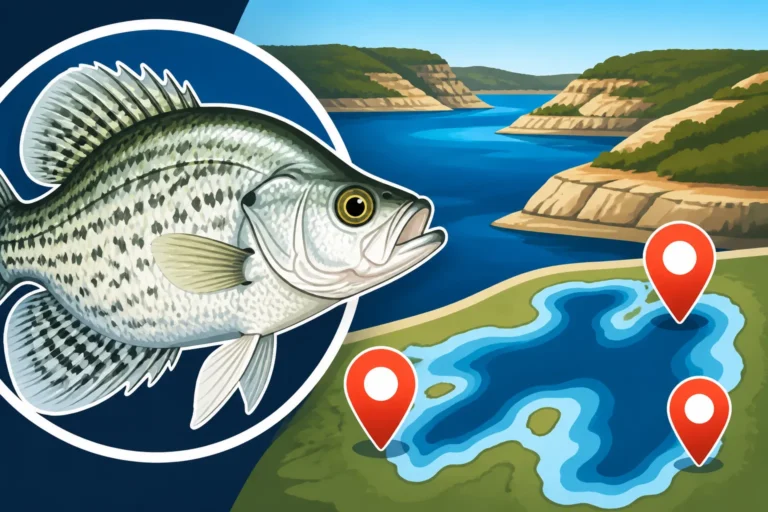
While walleye and smallmouth get all the press, the panfish populations in Lake Francis Case offer fantastic fishing, especially for families or those looking for consistent action. Crappie, in particular, are abundant and can grow to impressive sizes, making for excellent table fare. You'll also find healthy populations of white bass, yellow perch, and bluegill, particularly in the quieter bays and protected arms of the reservoir. These species are often easier to catch, making them perfect for introducing new anglers to the sport.
Crappie will relate heavily to submerged brush, timber, and man-made structures like bridge pilings or dock cribs. In spring, they move shallow to spawn, making them accessible to shore anglers or those fishing from smaller boats. Small jigs tipped with minnows or soft plastic bodies are irresistible to them. White bass are schooling fish, often found chasing baitfish in open water. Keep an eye out for surfacing schools, a dead giveaway for white bass feeding frenzies, and cast small spoons or inline spinners into the melee. Perch and bluegill prefer calmer, weedier bays, where they can be caught with tiny jigs, worms, or crickets under a bobber. For those looking to target specific panfish, learning about Crappie and Panfish Possession Limits is important to ensure you're compliant.
Catfish Giants
For anglers who prefer a more relaxed approach and the thrill of a heavy fight, Lake Francis Case is home to some truly massive channel catfish and flathead catfish. While often overlooked, the catfishing here can be phenomenal, especially during the warmer months. These powerful bottom dwellers are abundant throughout the reservoir, particularly in the deeper sections of the main channel, around structure, and where tributaries enter the lake, bringing with them a smorgasbord of food.
Channel catfish are voracious eaters and can be caught using a variety of smelly baits like cut bait, prepared stink baits, chicken livers, or even chunks of hot dogs. They're often found in slightly shallower, mud-bottomed areas, especially in the evening or overnight. Flathead catfish, on the other hand, are predatory and prefer live bait, such as bluegills, sunfish, or large shiners. They tend to stick to heavy cover, like log jams, deep holes, and rocky crevices in the main channel. Fishing from an anchored boat near these structures, or targeting slower current areas below the dam, can yield impressive results. Heavy gear is a must when targeting these whiskered giants, as they can easily snap lighter lines and bend hooks.
Best Fishing Seasons and Times
Understanding the seasonal patterns on Lake Francis Case is paramount to planning a successful fishing trip. Fish behavior and location shift dramatically with water temperature and spawning cycles, so knowing what to expect can significantly increase your catch rates.
Spring Awakening
Spring on Lake Francis Case is a time of immense anticipation and incredible fishing opportunities. As the ice melts and water temperatures slowly begin to climb, fish species like walleye and crappie become much more active, moving into shallower waters for their annual spawn. Typically, this period runs from April through early June, depending on how quickly the season warms up. Anglers often find success targeting protected bays and shallow flats, especially those with rocky bottoms or submerged vegetation that warm up faster and provide cover.
For walleye, the pre-spawn and spawn period is electrifying. They'll stage in creek arms and along the main lake points, feeding heavily before and after spawning. Jigging with minnows or slowly trolling shallow-running crankbaits in areas with 5-15 feet of water can be highly effective. Crappie will be right in the thick of it too, often found in less than 10 feet of water, concentrated around brush piles and timber. Small jigs and minnows are the ticket here. Smallmouth bass also begin to stir, moving shallower as the water approaches the high 50s, ready to smash jerkbaits and tube jigs. It's a fantastic time for both numbers and quality, but be prepared for unpredictable weather, as spring in South Dakota can bring anything from sunshine to snow. You can find more detailed insights on the broader subject in our South Dakota Fishing Seasons Explained guide.
Summer's Bounty
Summer on Lake Francis Case offers diverse fishing but often requires adapting to warmer water and fish retreating to deeper, cooler haunts. From June through August, the sun is high, and the days are long, making early morning and late evening bites often the most productive. The lake stratifies, pushing many species into the cooler thermocline or to structure in deeper water. This is when your electronics really shine, helping you locate fish suspended over open water or relating to deeper ledges and humps.
Walleye in summer are typically found in the main river channel, on deep points, and along submerged roadbeds, often at depths of 20-35 feet or more. Trolling with large crankbaits, bottom bouncers with spinner rigs, or using planer boards to cover vast areas are go-to methods. Smallmouth bass will be on deeper rock piles and riprap, still eager to hit drop-shot rigs, shaky heads, or Carolina-rigged plastics. Catfish become incredibly active in summer, and night fishing for them can be particularly rewarding. Targeting channel bends or deeper holes with cut bait or live bait will yield results. White bass will often school up and chase baitfish on the surface, especially during low-light conditions, providing fast and furious action with small spoons or inline spinners.
Autumn's Gold
Fall is arguably one of the most productive and beautiful times to fish Lake Francis Case. As water temperatures begin to cool, baitfish move shallower, and all game fish go on a feeding frenzy, bulking up for the lean winter months. This period, from September through November, is characterized by aggressive bites and often larger fish. The crowds thin out, and the scenery is spectacular.
Walleye fishing can be absolutely phenomenal in the fall. They'll often move back shallower than in summer, but still relate to structure like main lake points, humps, and the edges of the river channel. Trolling deep-diving crankbaits, casting jigs, or vertically jigging blade baits and spoons are all effective. Look for schools of baitfish on your electronics, as the walleye won't be far behind. Smallmouth bass will also be feeding heavily, often found on rocky shorelines and points, ready to smash crankbaits, jerkbaits, and swimbaits. Catfish remain active well into the fall, providing great opportunities for those using traditional bottom fishing techniques. The fall bite can be less predictable day-to-day, but when you hit it right, it can be epic. Our guide on South Dakota Fall Walleye Fishing Techniques offers more specific tips for this golden season.
Winter's Chill
While not as widely known as other South Dakota lakes for ice fishing, Lake Francis Case does offer winter opportunities, particularly in its upper reaches and protected bays that freeze solid enough for safe ice. The main channel, with its lingering current, often doesn't freeze uniformly, making careful ice safety paramount. However, dedicated ice anglers can find excellent success targeting walleye, crappie, and perch in the shallower, calmer areas once stable ice forms.
When ice fishing on Francis Case, focus on accessible coves and back bays where the ice consistently thickens. Key areas might be near Chamberlain, Platte Creek, or other protected spots. Walleye often hold to deep structure or channel edges under the ice, and are best targeted with aggressive jigging spoons tipped with a minnow head, or deadsticking a minnow. Crappie will suspend around brush piles or deep cover, responding well to small tungsten jigs tipped with plastics or wax worms. Perch can be found schooling on flats or along weed edges, eager to hit small jigs. Always prioritize safety, check ice thickness frequently, and let others know your plans. For broader ice fishing wisdom, consult our South Dakota Ice Fishing Guide.
Top Fishing Spots and Access Points
Navigating a massive body of water like Lake Francis Case requires knowing where to start your search. From productive river sections to renowned reservoir hotspots and convenient shore access, pinpointing the right location is half the battle.
Key River Sections
The upper reaches of Lake Francis Case, especially above Chamberlain, often exhibit more riverine characteristics. The current is more noticeable, and the habitat tends to be a mix of shallower flats, submerged timber, and classic river channel structures. This area can be fantastic for both walleye and catfish. Walleye will relate to current breaks, inside bends, and submerged sandbars. Jigging and slowly drifting with bottom bouncers are often productive here. Catfish will hold in deeper holes and around snags, particularly where smaller creeks enter the main river.
Further downstream, closer to the Fort Randall Dam, the river channel becomes more pronounced, deeper, and often more stable. The tailwaters below Big Bend Dam, where Lake Francis Case begins, can be incredibly productive, drawing fish that move between the two reservoirs. Below Fort Randall Dam itself, while technically not in Lake Francis Case, the tailwaters are legendary for their walleye, sauger, and even trout populations, often attracting anglers who launch into the lake and then fish downstream. These river sections offer a different angling experience, often requiring heavier tackle to combat the current and more precise boat control.
Reservoir Hotspots
The main body of Lake Francis Case is dotted with countless hotspots. One of the most famous is the area around Platte Creek and its confluence with the main lake. This region offers a mix of shallow bays, deeper points, and extensive submerged timber, making it a magnet for walleye, crappie, and bass. The Platte Creek Recreation Area provides excellent access. Another notable area is around Pease Creek and North Point Recreation Area near Pickstown, offering similar diverse habitat and structure that fish love.
Further south, near the Fort Randall Dam, the deep main lake basin and rocky shorelines become prime territory for smallmouth bass and large walleye. Look for submerged islands, humps, and major points that drop off into the main channel. Areas with riprap on the causeways or bridge crossings are also consistent producers for smallmouth. Always pay attention to contour maps and your fish finder to identify these prime structures. Remember, with a lake this size, local knowledge is invaluable. Consider checking out fishing reports or even hiring a local guide, which you can often arrange through services like FishingBooker, for the most up-to-date intel on where the fish are biting.
Shoreline Access for Anglers
Even without a boat, Lake Francis Case offers plenty of opportunities for bank anglers. Numerous state recreation areas and public access points provide solid footing and often extend to productive fishing waters. North Point Recreation Area and Pease Creek Recreation Area near Pickstown offer good shore access, often with fishing piers or easy bank fishing along riprap. These areas can be excellent for smallmouth bass, crappie, and catfish, especially during spring and fall.
Platte Creek Recreation Area also has decent shore access, particularly in its protected coves where panfish and smaller walleye can be targeted. Closer to Chamberlain, the American Creek Recreation Area and sections near the city offer various spots where anglers can cast from shore. When fishing from the bank, focus on areas with visible structure—rocky points, fallen trees, bridge pilings, or areas where the bank drops off quickly. A simple slip bobber rig with a minnow or worm, or casting jigs and small crankbaits, can be very effective. Always be mindful of private property boundaries and respect local regulations when choosing your spot.
Effective Techniques and Lures for Lake Francis Case
Matching your fishing technique and lure selection to the conditions and target species is crucial for success on Lake Francis Case. The reservoir's diverse habitats demand a versatile approach, from covering vast open waters to picking apart intricate structure.
Trolling for Titans
Trolling is perhaps the most popular and effective method for catching walleye on Lake Francis Case, especially when covering large expanses of open water or long structure lines. This technique allows you to present multiple baits at specific depths and speeds, mimicking baitfish movement and covering ground efficiently. The key is to match your lure selection (crankbaits, spinner rigs, or even live bait rigs like Lindy Rigs) to the depth where fish are holding and the forage they are eating.
When trolling crankbaits, pay close attention to lure dive curves to ensure your bait is running at the desired depth. Colors can vary based on water clarity and sunlight, but natural baitfish patterns, chartreuse, and perch patterns are often reliable. For spinner rigs, pairing them with nightcrawlers, leeches, or minnows behind a bottom bouncer allows you to present live bait effectively near the bottom. Varying your speed, making subtle turns, and paying attention to your electronics for schools of baitfish or game fish can greatly increase your success. Planer boards are also invaluable tools for spreading out multiple lines and targeting shy walleye in clear water. For more dedicated insights, explore our guide on South Dakota Trolling Techniques for Walleye.
Jigging the Depths
Jigging is a highly versatile and often more active technique that excels in specific situations on Lake Francis Case, particularly when fish are concentrated in smaller areas, relating tightly to structure, or during colder water periods. Vertical jigging directly over fish marked on your electronics is deadly, especially for walleye and crappie.
For walleye, a sturdy spinning rod spooled with braided line and a fluorocarbon leader, paired with a jig (1/4 to 3/4 ounce depending on depth and current) tipped with a minnow or soft plastic, is a classic setup. Snap jigging, dragging, or slowly lifting and dropping can all be effective. In the main channel or deeper holes, blade baits or heavier jigging spoons can elicit aggressive strikes from walleye and even smallmouth bass. For crappie, use much smaller jigs (1/16 to 1/8 ounce) tipped with a tiny minnow or micro-plastic, often suspended under a bobber or fished slowly around submerged brush. Experiment with jig colors and retrieval speeds until you find what the fish prefer on any given day.
Bank Fishing Strategies
Don't let the thought of needing a big boat deter you; bank fishing on Lake Francis Case can be surprisingly productive with the right strategies. The key is to focus on accessible areas that offer quick access to deeper water or significant structure. Public access points like parks and recreation areas often fit this bill perfectly.
For catfish, a classic bottom rig with a heavy sinker and cut bait or prepared stink bait cast into deeper holes or along the main channel is hard to beat, especially in the evenings. For walleye and smallmouth, target rocky points, riprap banks, and bridge abutments. Casting medium-diving crankbaits, jigs tipped with plastics, or even fishing a slip bobber with a minnow can yield results. During spring and fall, these areas can be particularly hot as fish move closer to shore. For crappie and other panfish, quieter bays with submerged vegetation or fallen trees are ideal. Use light tackle, small jigs, or worms under a bobber, and be patient. Remember, accessibility is key, so scouting out a few prime spots before you commit to fishing is a good idea.
Navigating Regulations and Licenses
Fishing in South Dakota, especially on a major body of water like Lake Francis Case, comes with its share of rules and regulations. Understanding these guidelines, from licensing requirements to specific limits, is not just about avoiding a fine – it's about preserving the incredible fishery for future generations.
License Essentials
Before you even think about wetting a line, you need to ensure you have the proper South Dakota fishing license. Whether you're a resident or a nonresident, almost everyone over a certain age will need one. South Dakota offers a variety of license options, including annual, three-day, and even one-day licenses, catering to different trip lengths. It's crucial to purchase the correct one for your residency status. For example, a South Dakota Nonresident Fishing License Rules guide can clarify requirements for out-of-state anglers.
Beyond the basic fishing license, you might also need a Habitat Stamp, which contributes directly to wildlife habitat projects across the state. While some short-term licenses might exempt you, it's always best to check the current regulations or acquire one if required. You can easily purchase licenses online through the South Dakota Game, Fish and Parks (GFP) website, at GFP offices, or at many local sporting goods stores and bait shops around the lake. Always carry your license with you when fishing, as game wardens frequently check.
Size and Possession Limits
The South Dakota Game, Fish and Parks Department sets specific size and possession limits for various fish species, and these can sometimes vary by water body. For Lake Francis Case, it's critical to be aware of the daily limits and length restrictions, especially for popular species like walleye, smallmouth bass, and crappie. For instance, there are specific South Dakota Walleye Limits that dictate how many you can keep and if there's a slot limit (a size range where fish must be immediately released). These regulations are designed to protect the breeding stock and maintain a healthy population.
Possession limits refer to the total number of fish you can have in your possession at any given time, including those at your campsite, cabin, or in transit. This limit is often higher than the daily limit but still has a cap. Always consult the current South Dakota Fishing Handbook, available online or at license vendors, before your trip. It’s also wise to double-check any special regulations for specific areas within Lake Francis Case, as rules can occasionally differ. Ignorance of the law is never an excuse, so make it a point to be informed.
Essential Gear and Boat Considerations
A successful fishing trip to Lake Francis Case requires more than just a license and a positive attitude. Having the right gear, from your rod and reel setup to your boat and safety equipment, can make all the difference in comfort, safety, and ultimately, your catch rate.
Rods, Reels, and Line
Given the diverse fishing opportunities on Lake Francis Case, a versatile rod and reel setup is key. For walleye, a medium-light to medium power spinning rod (6'6" to 7'0") with a fast action tip, paired with a 2500-3000 series spinning reel, is a fantastic all-around choice. Spool it with 8-10 pound braided line and a fluorocarbon leader for sensitivity and strength. This setup handles jigs, bottom bouncers, and lighter crankbaits well. If you plan on doing a lot of trolling, specific walleye trolling rods that are longer and have a more moderate action are highly beneficial, paired with line-counter reels.
For smallmouth bass, a similar medium power spinning rod works, but a baitcasting setup (medium-heavy power, 6'8" to 7'2") can offer more power and precision for casting heavier lures and fighting big fish in cover. Spool baitcasters with 12-15 pound fluorocarbon or a braid-to-fluoro leader setup. For panfish, lighter gear is best – a light or ultra-light spinning rod (5'6" to 6'6") with a small 1000-2000 series reel and 4-6 pound monofilament or braid will make even small crappie feel like giants. Don't forget a sturdy landing net, especially for those bigger walleye and smallmouth. Our guide to Best Fishing Rods and Reels for Walleye offers even more specific recommendations.
Boat and Safety Equipment
For a lake as vast as Lake Francis Case, a reliable boat is almost essential for truly exploring its potential. Deep-V boats, particularly those in the 17-20 foot range, are popular choices. Their design handles the chop that can quickly develop on large reservoirs, making for a safer and more comfortable ride. A powerful, reliable outboard motor is a must, given the distances you might cover. Additionally, a quality trolling motor, preferably with GPS spot-lock features, will be your best friend for precise boat positioning when jigging or working structure.
Beyond the boat itself, never compromise on safety. South Dakota has specific South Dakota Boat Safety Requirements that you must adhere to. This includes having enough U.S. Coast Guard-approved life jackets for everyone on board, a throwable personal flotation device, a sound-producing device (like a horn or whistle), navigation lights if you're out at dawn, dusk, or night, and a fire extinguisher if your boat has an enclosed fuel compartment or an inboard engine. Always check the weather forecast before heading out, as conditions can change rapidly on large bodies of water. Having a fully charged phone, a marine radio (VHF), and knowing how to use them are also critical safety measures.
Planning Your Trip to Lake Francis Case
A successful fishing trip to Lake Francis Case extends beyond just what happens on the water. Proper planning, from knowing where to stay to understanding local services, can elevate your entire experience, especially for those traveling from afar.
Finding a Fishing Guide
For many anglers, especially those visiting Lake Francis Case for the first time or looking to quickly learn the ropes, hiring a local fishing guide is an invaluable investment. A professional guide brings years of experience, current knowledge of fish patterns, and often, top-notch equipment that can put you on fish much faster than trying to figure it out on your own. They know the subtle nuances of the lake, from hidden structure to the daily baitfish movements, and can teach you effective techniques specific to the conditions.
Many excellent guides operate on Lake Francis Case, specializing in walleye, smallmouth, or even mixed bags. They can provide all the necessary gear, bait, and often even clean your catch. When looking for a guide, consider their experience, their specialization, and check reviews or recommendations. Websites like FishingBooker can be a great resource for finding reputable guides with available dates and seeing what other anglers have to say about their experiences. Discussing your expectations and target species with the guide beforehand ensures everyone is on the same page for a productive day.
Local Amenities and Accommodations
Lake Francis Case is well-supported by several communities along its shores, offering a range of amenities and accommodations to suit various preferences and budgets. The cities of Chamberlain, Platte, and Pickstown are key hubs for anglers.
- Chamberlain: Located roughly mid-lake, Chamberlain is a popular choice, offering a variety of motels, restaurants, bait shops, and grocery stores. It provides good access to both upper and lower lake sections, making it a convenient base camp. The American Creek Recreation Area is nearby, offering camping and access.
- Platte: Situated on the eastern side of the lake, Platte is another solid option, with local lodging, bait shops, and supplies. It offers direct access to the Platte Creek area, a renowned fishing hotspot.
- Pickstown: Near the Fort Randall Dam, Pickstown is often favored by those who want to fish the lower lake and the productive tailwaters. It has some lodging options, a marina, and access to North Point Recreation Area, which offers cabins and campgrounds.
Many of these towns also have local tackle shops where you can get up-to-the-minute fishing reports, purchase local baits, and stock up on any forgotten gear. RV parks and campgrounds are plentiful around the lake, offering scenic spots to stay if you prefer to bring your own lodging. Booking accommodations in advance, especially during peak fishing seasons, is always a good idea to ensure you get your preferred spot.
Lake Francis Case Species & Season Quick Reference
To help you quickly plan your attack, here's a handy table summarizing key information for the most sought-after species on Lake Francis Case:
| Species | Prime Season | Preferred Habitat | Key Techniques | Recommended Bait/Lures |
|---|---|---|---|---|
| Walleye | Spring, Fall | Deep channels, points, humps, submerged structure | Trolling, Jigging, Bottom Bouncing | Crankbaits, Jigs w/minnows/plastics, Spinner rigs w/crawlers |
| Smallmouth | Spring, Summer | Rocky shorelines, riprap, ledges, rock piles | Casting, Drop-shotting, Jigging | Jerkbaits, Tubes, Ned rigs, Soft plastics, Crankbaits |
| Crappie | Spring, Fall | Submerged brush, timber, bridge pilings | Jigging, Slip Bobber fishing | Small jigs w/minnows/plastics, Wax worms |
| Catfish | Summer, Fall | Deep holes, channel bends, log jams | Bottom fishing, Drift fishing | Cut bait, Stink bait, Live sunfish, Chicken livers |
| White Bass | Summer | Open water schools, surface feeding frenzies | Casting, Trolling | Small spoons, Inline spinners, Rattletraps |
| Northern Pike | Spring, Fall | Weedy bays, shallow flats, submerged timber | Casting, Trolling | Spoons, Spinnerbaits, Large jerkbaits, Live minnows |
Disclaimer
The information provided in this guide is for general informational purposes only and is subject to change. Fishing regulations, conditions, and fish behavior can vary. Always consult the most current South Dakota Game, Fish and Parks regulations handbook before fishing and prioritize personal safety on the water.