Best Portable Heater for an Ice Shanty
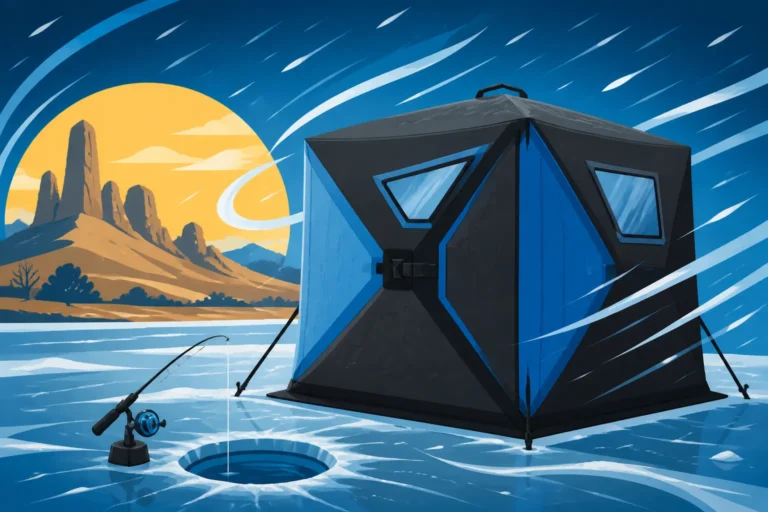
South Dakota winters are legendary for their brutal cold, and when you're spending hours out on the hard water, battling those icy winds, a reliable portable heater is less a luxury and more an absolute necessity for enjoying your time out on the hard water. This guide will walk you through everything you need to know to pick the best portable heater for your ice shanty, ensuring you stay warm, comfortable, and most importantly, safe, while chasing those winter walleye.
Why a Good Heater is Essential for South Dakota Ice Fishing
Let's be honest, ice fishing in South Dakota can be an incredible experience, but it's not for the faint of heart. The biting winds, the deep-freeze temperatures that can dip well below zero, and the sheer endurance required mean that staying warm isn't just about comfort; it's about making the trip enjoyable and safe. Without a proper heating solution, even the most dedicated angler might find themselves packing up early, shivering, and regretting their outing.
Battling South Dakota's Extreme Cold
Anyone who's spent time on a frozen South Dakota lake, whether it's Lake Oahe, Lake Sharpe, or one of the many glacial lakes, knows just how quickly the cold can seep into your bones. Wind chills can make already frigid air feel unbearable, turning fingers numb and toes into popsicles within minutes if you're not adequately prepared. Your ice shanty provides a crucial barrier against the elements, but it's the heater inside that truly transforms it into a functional, comfortable fishing station. It allows you to shed some layers, rig lines with dexterity, and truly focus on the bite.
Think about those days when the thermometer struggles to get above zero, and the wind howls across the vast, open ice. Without a heater, you'd be bundled to the point of immobility, constantly battling the cold instead of enjoying the tranquility and thrill of the catch. A good heater makes those extreme days manageable, letting you extend your time on the ice and increase your chances of success. It turns a potential survival mission into a genuine recreational activity.
Comfort vs. Endurance
There’s a significant difference between merely enduring the cold and truly being comfortable while ice fishing. Without a heater, you might brave an hour or two, constantly shifting your weight, stomping your feet, and blowing on your hands. This kind of "endurance fishing" often leads to frustration, shortened trips, and a diminished overall experience. It's tough to concentrate on subtle bites when your body is screaming for warmth.
A reliable heater changes the game entirely. It creates a warm sanctuary within your shanty, allowing you to relax, spread out your gear, and even enjoy a hot meal or a cup of coffee. This level of comfort translates directly into increased endurance, meaning you can stay on the ice for hours longer, especially on those prime morning or evening bites when the temperatures are at their lowest. It allows you to fish more effectively and comfortably, making every trip a more pleasant and productive one. How Cold It Gets Ice Fishing in South Dakota really emphasizes the need for this kind of preparation.
Safety Considerations
Beyond comfort, having a dependable heater is a critical safety measure, especially when considering Essential Gear Checklist for a South Dakota Ice Fishing Trip. Hypothermia is a very real threat in South Dakota's winter conditions, and prolonged exposure to cold can lead to serious health risks. A heater provides a vital means to warm up quickly if you start to feel the effects of the cold, preventing your core body temperature from dropping to dangerous levels.
Furthermore, a heated environment helps manage moisture within your shanty. Your breath, melting snow from your boots, and even the fish you catch can introduce moisture, which quickly turns into condensation and ice in unheated spaces. A heater helps dry out the interior, keeping your gear from freezing solid and preventing slippery conditions that could lead to falls. It's an investment in your well-being and a crucial component for responsible ice fishing.
Types of Portable Heaters for Ice Shanties
When you start looking at heaters for your ice shanty, you'll quickly realize there are a few main types, each with its own advantages and drawbacks. Choosing the right one depends heavily on your specific needs, the size of your shanty, and your personal priorities regarding heat output, safety, and fuel efficiency.
Catalytic Heaters
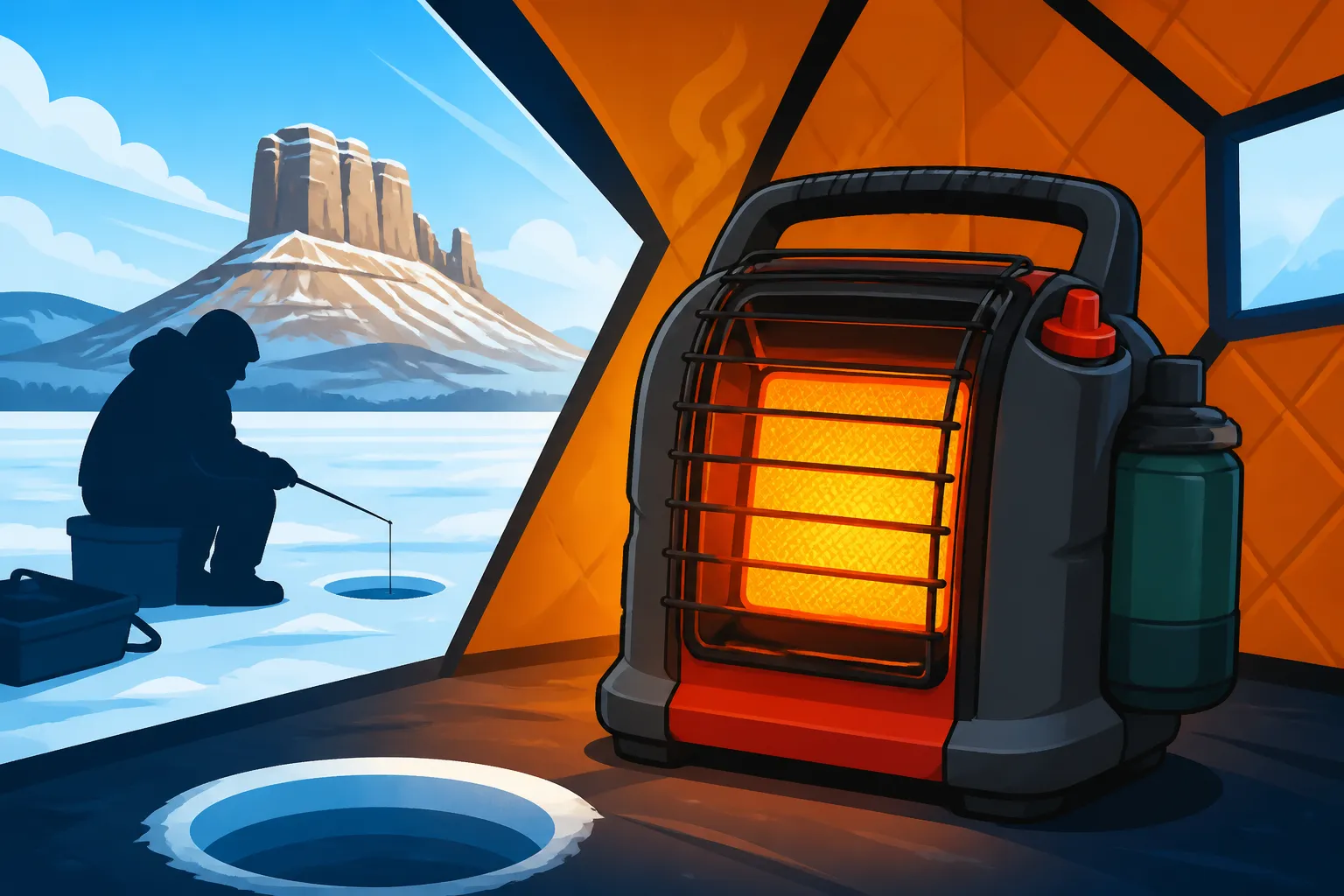
Catalytic heaters are a popular choice among ice anglers, and for good reason. They operate on propane, but instead of burning with an open flame, they use a flameless catalytic combustion process. This means the propane gas reacts chemically with a platinum catalyst, producing heat without visible flames or a strong odor. Many popular models, such as those from Mr. Heater, are readily available at stores like Bass Pro Shops or through online retailers like Amazon.
The biggest advantages of catalytic heaters are their efficiency, silent operation, and very low carbon monoxide emissions compared to open-flame heaters. They provide a gentle, even heat that radiates outward, making them perfect for smaller to medium-sized flip-over or hub-style shanties where noise can spook fish. Because there's no open flame, they're generally considered safer in terms of fire risk inside a confined space, though ventilation and a carbon monoxide detector are still absolutely critical. The trade-off is often a slightly lower heat output compared to forced-air options, and they can be a bit more expensive initially.
Radiant Heaters
Radiant heaters, also typically propane-fueled, work by heating a ceramic element until it glows, then radiating that heat directly onto objects and people in its path. Think of the warmth you feel from a campfire – that's radiant heat. Many classic ice fishing heaters fall into this category, often attaching directly to the top of a propane tank.
These heaters provide immediate, intense heat, which can be great for quickly warming up a cold shanty. They are also relatively quiet, though you'll hear the gentle hiss of propane. The downside is that they produce an open flame, which increases fire risk if not handled carefully, especially with flammable materials like fishing lines, clothing, or the shanty fabric itself. They also produce more moisture and carbon monoxide than catalytic heaters, making robust ventilation even more critical. They're a good option for anglers who prioritize quick, direct heat and are diligent about safety precautions and adequate airflow.
Forced Air Heaters
Forced air heaters are the workhorses of the portable heating world. They typically burn propane to heat air, then use a fan to blow that warm air into the space. You'll often see these larger units used on construction sites or for heating bigger spaces. For ice fishing, you might find smaller, more portable versions, though they are less common inside smaller, insulated ice shanties due to their size and power needs.
Their main advantage is their sheer heating power. They can warm up a large, permanent ice house or a spacious hub shanty incredibly quickly, even on the coldest South Dakota days. However, they come with several significant drawbacks for typical ice fishing scenarios. They are generally much noisier due to the fan, which can be disruptive and potentially scare off fish. They consume propane at a much faster rate, requiring larger tanks or more frequent refills. Most importantly, they require a power source for the fan (usually a battery), adding another layer of gear to manage. For the average angler using a portable shanty, a forced-air heater is usually overkill, better suited for initial warm-ups or very large, permanent structures where noise and fuel consumption are less of a concern.
Key Features to Consider When Choosing an Ice Shanty Heater
Selecting the right heater isn't just about picking a type; it's about matching specific features to your individual fishing style, shanty size, and safety priorities. A careful consideration of these aspects will ensure you get the most out of your investment and stay safe on the ice.
| Feature | Catalytic Heater | Radiant Heater | Forced Air Heater (Small Portable) |
|---|---|---|---|
| Heat Type | Flameless, radiant & convective | Direct radiant heat (open flame) | Convective, fan-blown hot air |
| Primary Use | Small to medium shanties, quiet operation | Quick spot heating, direct warmth | Larger shanties, rapid area heating |
| Pros | Very quiet, fuel-efficient, low CO output | Immediate warmth, simple design | High BTU output, heats quickly |
| Cons | Slower to warm up, less intense heat | Open flame risk, higher CO output | Noisy, high fuel consumption, needs power |
| Safety Features | ODS, Tip-Over Switch (common) | Tip-Over Switch (less common) | Overheat protection, fuel shut-off |
| Fuel Source | Propane cylinders | Propane cylinders | Propane cylinders |
| Noise Level | Virtually silent | Low hiss | Moderate to loud (fan) |
| Portability | Excellent (compact, lightweight) | Excellent (compact, attaches to tank) | Good (can be bulky, heavier) |
BTU Output and Shanty Size
The British Thermal Unit (BTU) rating tells you how much heat a heater can produce. Matching the BTU output to the size of your ice shanty is crucial for efficient and effective heating. Too small a heater, and you'll be shivering; too large, and you're wasting fuel and potentially creating an uncomfortable sauna. As a general rule of thumb, you need about 20 BTUs per cubic foot of space to maintain a comfortable temperature when it's around 0°F outside.
For a small, one-person flip-over shanty (say, 4'x6'x6' = 144 cubic feet), a heater in the 3,000-5,000 BTU range will likely be sufficient. If you're running a medium-sized hub-style shanty for two or three anglers (e.g., 6'x6'x7' = 252 cubic feet), you'll want something closer to 6,000-9,000 BTUs. Larger permanent ice houses or very spacious hub shanties (e.g., 8'x12'x7' = 672 cubic feet) might require 12,000 BTUs or more. Always consider the insulation of your shanty; better insulation means you'll need fewer BTUs to stay warm. Remember, it's about sustained warmth, not just a quick blast.
Essential Safety Features
Safety cannot be overstated when using any heating device in a confined space like an ice shanty. The most important features to look for are an Oxygen Depletion Sensor (ODS) and a tip-over shut-off switch. The ODS will automatically turn off the heater if oxygen levels in the shanty drop to an unsafe level, preventing carbon monoxide buildup. The tip-over switch, as the name suggests, shuts off the unit if it gets accidentally knocked over, preventing potential fires.
Additionally, while not a feature of the heater itself, a battery-powered carbon monoxide (CO) detector is an absolute non-negotiable item. You should always have one running inside your shanty, regardless of your heater type or its built-in safety features. These detectors provide an audible alarm if dangerous CO levels are detected, giving you precious time to ventilate or exit the shanty. Never skimp on safety; your life literally depends on it.
Fuel Type and Efficiency
Most portable ice shanty heaters run on propane. Small, disposable 1-lb propane cylinders are convenient for shorter trips or smaller heaters, as they are easy to transport and connect. However, for longer days or larger heaters, these small tanks can be costly and generate a lot of waste. Many anglers opt for bulk propane tanks (5-gallon, 20-lb) connected via an adapter hose. This is more economical and environmentally friendly in the long run.
When evaluating efficiency, look at the heater's BTU rating combined with its stated run time per pound of fuel. A higher BTU heater will use more fuel, but a very efficient catalytic heater might provide more hours of warmth on the same amount of propane compared to a less efficient radiant heater. Factor in the cost and availability of propane in your area. For instance, you can pick up propane tanks or small cylinders at many hardware stores, gas stations, or even at large outdoor retailers like Bass Pro Shops on your way out to the lake. Managing your fuel supply effectively is part of a successful South Dakota Ice Fishing Guide.
Portability and Ease of Use
Ice fishing often involves hauling gear across snow and ice, so the weight and size of your heater are important. A lightweight, compact heater that's easy to pack and set up can make a big difference in your overall experience. Consider how it connects to its fuel source – direct connection to a small tank or a hose to a larger tank.
Look for features like a built-in igniter, which makes starting the heater quick and easy, especially with cold hands. Simple controls, a stable base, and a durable construction are also key. You don't want a heater that's fiddly to operate when the wind is whipping and your fingers are numb. Think about the entire process, from transporting it to lighting it, and choose a heater that streamlines these steps.
Noise Level
For some anglers, the noise level of a heater is a minor consideration. For others, particularly those targeting sensitive species like walleye or those who simply prefer a quiet, peaceful fishing environment, it can be a deal-breaker. As mentioned earlier, catalytic heaters are virtually silent, making them ideal for stealthy anglers.
Radiant heaters produce a gentle hiss from the propane, which most anglers find unobtrusive. Forced-air heaters, however, use a fan, which can create a constant hum or whirring sound. If you're trying to concentrate on subtle bites or enjoy the quiet solitude of the ice, a noisy heater can be quite distracting. Consider your personal preference and the species you're targeting when weighing the importance of a silent operation. A noisy heater might just give those walleye a reason to stay away from your Best Ice Fishing Techniques for Lake Oahe.
Setting Up and Maintaining Your Heater Safely
Even the best portable heater isn't safe if not used correctly. Proper setup and regular maintenance are critical for preventing accidents and ensuring your heater functions reliably throughout the long South Dakota ice fishing season.
Proper Ventilation is Non-Negotiable
This is perhaps the single most important safety rule: always ensure adequate ventilation when using any heater in an enclosed space. While modern heaters have safety features like ODS, they are not foolproof, and carbon monoxide is an odorless, colorless, deadly gas. Even flameless catalytic heaters produce some carbon monoxide, and radiant heaters produce more.
Simply cracking a window or leaving a door slightly ajar in your shanty is often enough to create sufficient airflow without losing too much heat. Some ice shanties even come with dedicated vents for this purpose. The goal is to allow fresh air in and exhaust gases out. Never seal yourself completely inside your shanty with a heater running. If you find condensation building rapidly on the inside walls, it's often a sign that you don't have enough ventilation. Prioritize airflow over conserving every last degree of heat.
Carbon Monoxide Detectors
As mentioned before, a battery-powered carbon monoxide (CO) detector is an absolute must-have. Place it near where you'll be sitting, but not directly next to the heater or a vent where it might give false readings. Test the batteries before each trip, and replace them regularly. Think of it as your silent guardian; it's the ultimate backup to proper ventilation and heater safety features.
It's common for anglers to overlook this small, inexpensive device, but doing so puts your life at serious risk. Even if your heater is brand new and has all the latest safety features, malfunctions can occur, or improper ventilation can still lead to dangerous CO levels. A reliable CO detector, easily found on Amazon or at sporting goods stores, provides peace of mind and crucial early warning.
Fuel Storage and Handling
Propane is a flammable gas, so proper storage and handling are essential. Always transport propane tanks securely so they don't tip over and get damaged. Keep them upright in your vehicle and ensure they are not exposed to excessive heat. Never store propane tanks inside your ice shanty, especially overnight.
When connecting your heater, check all hoses and connections for leaks (a soapy water solution will bubble if there's a leak). Ensure the hose is not crimped or near any hot surfaces. In extremely cold conditions, propane can become less efficient, sometimes leading to "freezing" of smaller tanks or regulators. Keep spare tanks handy and consider an insulated tank cover for larger tanks to help maintain pressure. Always disconnect the fuel supply when not actively using the heater or when packing up.
Maintenance for Longevity
Like any piece of outdoor gear, your portable heater will last longer and perform better with regular maintenance. After each season, or even periodically during heavy use, give your heater a good once-over.
- Cleanliness: Dust and debris can build up, especially in catalytic heaters. Gently clean the catalytic pad or heating element according to the manufacturer's instructions. Keep air intake vents clear.
- Hoses and Connections: Inspect fuel hoses for cracks, kinks, or wear. Ensure all connections are tight and free of corrosion. Replace any damaged hoses immediately.
- Storage: When storing your heater for the off-season, remove any propane tanks (never store them connected to the heater). Store the heater in a dry, protected place, ideally in its original box or a protective carrying case, away from extreme temperatures and moisture. This simple care routine will ensure your heater is ready to go when you're ready for your next South Dakota ice fishing adventure. South Dakota Ice Fishing Guide provides further tips on keeping all your gear in top shape.
Disclaimer
This article is for general informational purposes only and does not constitute professional advice. Laws, prices and regulations vary by location and change over time. Consult a qualified professional for guidance on your specific situation.