How Many Rods You Can Legally Use in South Dakota
It can feel incredibly frustrating to want nothing more than to enjoy a peaceful day on the water, only to be bogged down by questions about what's actually allowed. You're out there, soaking up the South Dakota sunshine, and suddenly a nagging doubt creeps in: "Am I using too many rods? What if a Game, Fish and Parks (GFP) officer rolls up?" It's a common worry, and frankly, the rules can sometimes feel a bit like a tangled fishing line. This guide is here to clear up all that confusion, helping you understand exactly how many rods you can legally use in South Dakota, whether you're casting from shore, trolling a big lake, or huddled over an ice hole.
The Basic Rule: How Many Lines Are Allowed?
Let's cut right to the chase, because nobody wants to accidentally break a regulation. In South Dakota, the general rule of thumb for most waters is that an individual licensed angler can use a certain number of lines. It’s important to understand that a "line" usually refers to a single rod and reel, but it can also include things like a handline or, specifically for ice fishing, a tip-up. The key is that each line you deploy needs to be accounted for.
General Limits for Open Water Fishing
When you're out on the open water, whether it's the sprawling Missouri River reservoirs like Lake Oahe and Lake Sharpe, or one of our many glacial lakes in eastern South Dakota, the standard regulation for most open water fishing allows an individual angler to use up to three rods or lines. This means you can have three separate rods set up, each with its own hook and bait or lure, actively fishing at the same time.
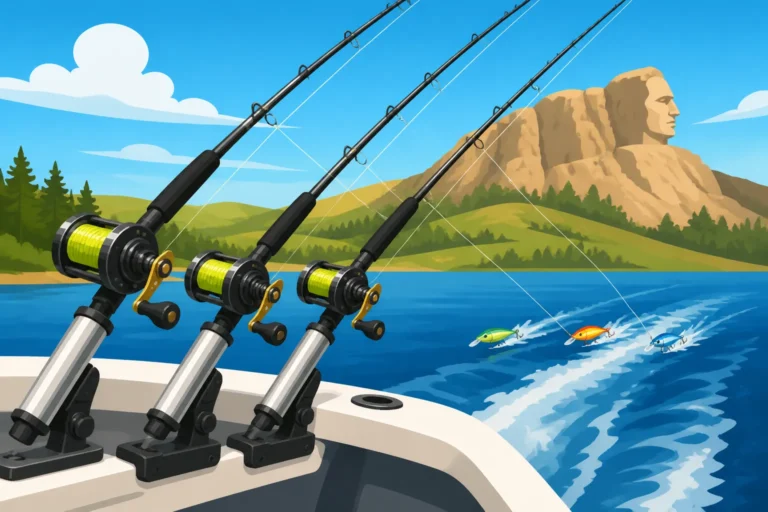
Think about it: you could be trolling with two rods out the back of your boat, maybe with some crankbaits, while holding a third rod in your hand, actively jigging over a brush pile. Or, if you're bank fishing, you might have one rod cast out with a bottom rig for catfish, another with a bobber for panfish, and be casting and retrieving with a third for bass. The flexibility is there, but the total count stops at three. It's not about the type of rod or what you're targeting; it's simply about the number of active lines in the water at any given moment per person. This rule helps ensure fair chase and prevents anglers from saturating an area with an excessive amount of gear, which could potentially impact other anglers' experiences or the resource itself.
Ice Fishing Rod Limits and Special Considerations
Now, when the lakes freeze over and the ice shanties dot the landscape, the rules shift a bit. Ice fishing is a whole different ball game, and South Dakota's regulations reflect that. For ice fishing, an individual licensed angler is typically allowed to use up to four lines. This is a slight bump up from open water and is a welcome allowance for many avid ice anglers who like to spread out their spread.
These four lines can be a combination of traditional ice fishing rods, often shorter and more sensitive, and tip-ups. Tip-ups are those clever devices that sit over a hole, holding your bait at a certain depth, and "tip up" a flag when a fish bites, letting you know you have action without needing to hold a rod constantly. The crucial distinction with ice fishing is that all of your lines must be "within reasonable proximity or sight." This means you can't set a tip-up a quarter-mile away and expect it to be legal. You need to be close enough to tend to your lines promptly, whether that means setting the hook on a walleye or reeling in a perch. If you're using a portable ice shelter, you'll need to make sure your holes are close enough to your shelter that you can easily see or access all four lines. This ensures you're actively managing your fishing efforts, even when taking shelter from the elements. For a deep dive into winter angling, you might find our guide South Dakota Ice Fishing Guide particularly helpful.
Understanding Exceptions and Special Regulations
While the general rules for three lines (open water) and four lines (ice fishing) cover most situations, South Dakota, like many states, has specific areas or circumstances where these numbers might change. It's never a bad idea to be a little extra cautious and do a quick check before heading to a new spot.
Special Water Body Regulations
Sometimes, a particular lake, river stretch, or even a small pond might have specific regulations that supersede the statewide general rules. This is often done to protect specific fish populations, manage fishing pressure, or enhance certain types of angling experiences. For example, some small, managed ponds within state parks might have different rules, or certain Black Hills trout streams could have artificial lure-only rules, which indirectly affects how you'd typically deploy multiple lines. While a line limit change for specific water bodies is less common than, say, length or daily limits, it's not unheard of. The Missouri River system, being so vast and having such diverse fisheries, generally follows the statewide rules, but always keep an eye out for any specific signage or notices.
The best defense against unknowingly breaking a rule is to consult the most current South Dakota Game, Fish and Parks (GFP) Fishing Handbook. You can often pick up a physical copy wherever licenses are sold, or access a digital version online. This handbook is your bible for all things regulation-related, and it will outline any specific rules for particular bodies of water. For comprehensive details, be sure to check out South Dakota GFP Fishing Handbook Guide. Staying informed is key to enjoying your time on the water without a hitch.
Tournaments and Permitted Events
If you're an avid angler who enjoys the competitive side of fishing, you might wonder if tournaments have different rules regarding rod limits. Generally, fishing tournaments in South Dakota still operate under the state's standard fishing regulations, including rod limits. However, some larger, sanctioned tournaments might obtain special permits from the GFP that could allow for slight deviations in certain rules, but this is rare for something as fundamental as rod limits.
Most tournament directors are meticulous about ensuring all participants adhere to state regulations, and they often reiterate these rules during pre-tournament briefings. The emphasis in tournaments is typically on fish size, quantity, and catch-and-release practices, all while staying within the established framework of licenses and line limits. If you plan on participating in a tournament, always double-check the specific rules provided by the tournament organizers, but assume state regulations on rod limits are in full effect. For more on organized fishing events, you can learn about South Dakota Fishing Tournament Permit Rules.
Practical Implications and Avoiding Violations
Understanding the letter of the law is one thing, but knowing how to apply it in your daily fishing adventures is crucial. It’s all about being a responsible and prepared angler.
The "Actively Attended" Rule
This concept is paramount, especially for open water fishing with multiple rods. When the regulations state that your lines must be "actively attended," it means you need to be in a position to physically control or monitor your fishing lines. This isn't just a suggestion; it's a core principle of ethical and legal multi-rod fishing.
Consider this scenario: You're fishing from your boat on Lake Sharpe, with two rods out trolling and a third you're actively jigging. If you suddenly decide to take a long hike up the shoreline to find a better spot, leaving your three rods unattended in the boat, you're crossing a line. The expectation is that you can immediately respond to a bite on any of your lines. This ensures fish aren't left hooked and struggling for extended periods, and it also prevents your gear from becoming a hazard to other boaters or anglers. The distance you can be from your lines is subjective but boils down to common sense: if you can't see your rods, or get to them within a matter of seconds, they are likely not considered "actively attended." This applies whether you bought your rods from Bass Pro Shops or found a great deal on Amazon; the gear itself is irrelevant to the attendance rule.
Group Fishing and Shared Responsibility
This is where things can get a little tricky for families or groups. Each individual who is legally required to have a fishing license is entitled to their own limit of rods. So, if you and two friends, all properly licensed, are fishing from the same boat, each of you can deploy up to three lines for a total of nine lines from your vessel for open water.
However, if you're fishing with someone who is exempt from needing a license, such as a young child below the age requirement, their lines count towards your limit, or the limit of the licensed adult supervising them. For instance, if you're a licensed adult and you bring your 8-year-old child fishing (who doesn't need a license in South Dakota), and you want them to fish with their own rod, that rod would count as one of your three lines. You cannot have three rods out for yourself and an additional rod out for an unlicensed child, making it four lines under your supervision. The total lines under one licensed individual's responsibility cannot exceed the legal limit. To understand who needs a license, you can look into Do Kids Need a Fishing License in South Dakota?. It’s a good idea for any adult supervising unlicensed anglers to clearly communicate and manage the total number of lines in the water to avoid any confusion.
Here's a quick comparison of rod limits:
| Fishing Type | Max Lines Per Licensed Angler | Key Requirement |
|---|---|---|
| Open Water | 3 rods/lines | Must be actively attended and within immediate control |
| Ice Fishing | 4 rods/lines | Must be within reasonable sight/proximity of the angler |
Essential Gear and Staying Compliant
Managing multiple rods efficiently and legally means having the right setup. While you don't need a fancy boat to use three rods, having good rod holders in a boat can make a huge difference, allowing you to troll effectively and keep your hands free for other tasks. For bank fishing, simple spike rod holders can keep your lines in the water and your hands free while you wait for a bite.
When ice fishing, a good ice shanty, especially one with plenty of space, can help you keep your four lines organized and within sight, even if you're moving around a bit to stay warm. Items like rod stands or even just a well-organized bucket can prevent tangled lines and make sure you're ready to respond when a flag goes up. Before your next trip, it's always smart to review a comprehensive South Dakota Fishing Gear Checklist to ensure you have everything you need, not just for catching fish, but for staying compliant and comfortable. Whether you're decking out your boat or grabbing a new ice auger, checking product reviews on Amazon or browsing the aisles at Bass Pro Shops can help you find gear that aids in managing your lines effectively.
Common Misconceptions and Pro Tips
Even experienced anglers can sometimes carry around outdated information or overlook nuances in regulations. Let's tackle a couple of common misunderstandings and offer some practical advice.
The "One Rod, One Fish" Myth
One common misconception, particularly for new anglers, is the idea that you can only catch one fish per rod at a time, or that using multiple rods implies you're trying to exceed your possession limit. This isn't true at all. The rod limit is about the number of active lines you have deployed, not the number of fish you're trying to catch. If you have three lines out and three walleye happen to bite simultaneously (a truly great problem to have!), you are perfectly fine to reel them all in, as long as they meet length requirements and you are within your South Dakota Walleye Limits for the day.
The purpose of the rod limit is to regulate fishing effort and ensure fair access, not to limit your potential for a successful day. Your daily limit and possession limit for specific fish species are entirely separate regulations that dictate how many fish you can keep, regardless of how many rods you used to catch them. Focus on knowing both your rod limits and your species-specific harvest limits to stay on the right side of the law. For instance, even with three rods, you can only keep the legal number of walleye per day, as outlined in South Dakota Fish Limits and Size Restrictions.
Being Prepared: Regulation Checks and Best Practices
Regulations are not static. While major changes to rod limits are infrequent, local rules, daily limits, or specific conditions on certain water bodies can be updated annually or even mid-season. Relying on what you think you remember from last year's handbook is a recipe for potential disappointment.
Pro Tip: Make it a habit to check the South Dakota Game, Fish and Parks website or grab a new physical copy of the fishing handbook at the start of each fishing season. It's truly your most reliable source of information. Many anglers even save a digital copy to their phone for quick reference while on the water. If you're ever in doubt, especially about a specific body of water or a unique situation, don't hesitate to contact a local GFP office. They are there to help and would much rather answer a question than issue a citation.
Keeping abreast of the current regulations, like those detailed in South Dakota Fishing Regulations Explained, shows respect for the resource and fellow anglers. It makes your fishing trip much more enjoyable knowing you're fully compliant. Many retailers, from small tackle shops to large chains like Bass Pro Shops, will often have the current year's regulations available. You can even find waterproof cases on Amazon for your handbook to protect it from splashes and make it easier to reference when you're out on the lake. After all, a little preparation goes a long way in ensuring a stress-free and successful fishing adventure.
Disclaimer
This article is for general informational purposes only and does not constitute professional advice. Laws, prices and regulations vary by location and change over time. Consult a qualified professional for guidance on your specific situation.