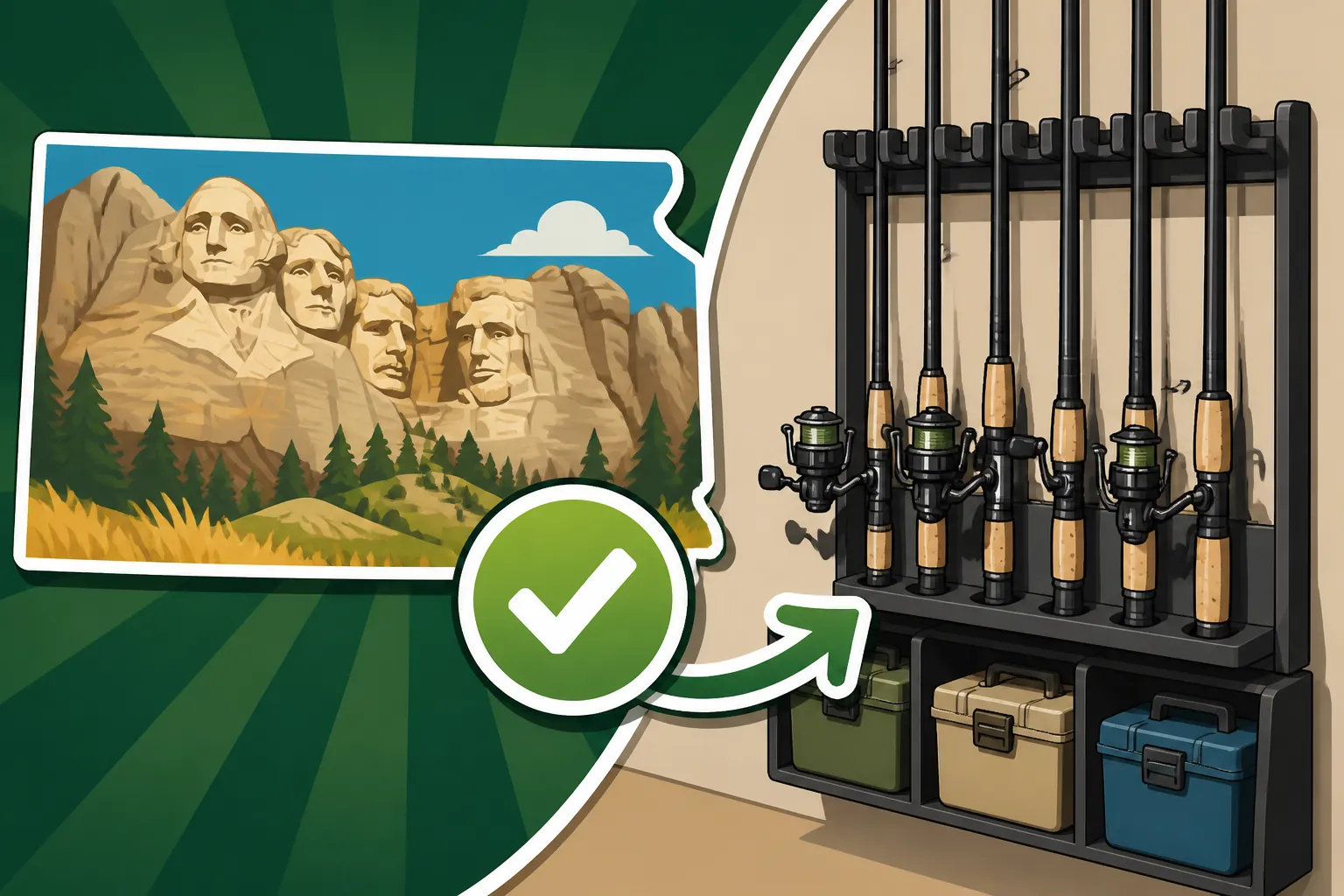
Best Way to Store Rods and Reels
There's nothing quite as frustrating for a passionate South Dakota angler as reaching for your favorite fishing rod, only to find the line tangled, the guides bent, or worse, the reel gritty and stiff. We’ve all been there – a pile of rods leaning precariously in a corner, reels scattered, collecting dust, and gear getting damaged simply because we haven't given much thought to how we store it. This guide is here to tackle that very problem, offering practical, empathetic advice on the best ways to store your rods and reels, ensuring your valuable gear stays in top condition for every single fishing adventure on the Missouri River or a quiet Black Hills stream.
Why Proper Rod and Reel Storage Matters for South Dakota Anglers
Think about it: your fishing rods and reels are often significant investments, tools meticulously designed to help you land that trophy walleye or spirited smallmouth bass. Neglecting their storage isn't just about a messy garage; it's about risking their performance and shortening their lifespan. Especially with the diverse fishing opportunities here, from the big reservoirs like Lake Oahe to the smaller glacial lakes, having your gear ready and reliable is key.
Protecting Your Investment
Let's be honest, quality fishing gear isn't cheap. A good walleye rod or a smooth casting reel can cost a pretty penny, and for many of us, it represents years of saving, or perhaps a cherished gift. Leaving rods crammed in a corner, susceptible to being stepped on or having their delicate tips snapped, is essentially throwing money away. Reels left exposed to dust, moisture, or even accidental bumps can suffer internal damage, leading to costly repairs or premature replacement.
Imagine heading out for a prime spring walleye bite on Lake Sharpe, only to discover your favorite rod has a broken guide from being carelessly stored. That's a day potentially ruined, and money out of your pocket for a new rod or repair. Proper storage actively prevents these common accidents, ensuring that your hard-earned gear is protected from physical harm. It’s an act of respect for your equipment and your wallet.
Maintaining Performance and Longevity
Fishing rods are designed with specific actions and powers, which depend on the integrity of their blank and guides. When rods are stored improperly, particularly when bent or stressed, they can develop a permanent set or even weaken, impacting their casting accuracy and sensitivity. A warped rod isn't going to perform as intended, which can be the difference between feeling that subtle bite and missing it entirely.
Reels, with their intricate gears, bearings, and drag systems, are even more sensitive. Dust, dirt, and moisture are their worst enemies. If a reel is stored in an environment where it can collect debris or rust, its smooth operation will suffer. The drag might become sticky, the retrieve jerky, or the gears might grind. Proper storage ensures that these delicate components remain clean, lubricated, and protected, allowing your reel to deliver flawless performance season after season. Taking the time to properly put away your gear after a long day of South Dakota Walleye Fishing Guide helps keep everything working smoothly.
Keeping Your Fishing Space Organized
Beyond the functional benefits, there’s a psychological advantage to well-organized gear. A cluttered fishing corner often means wasted time searching for the right rod or a specific reel. It can be a source of frustration, especially when you’re eager to get out on the water. How many times have you been fumbling around, trying to untangle lines or find a specific lure, when you could be on your way to a prime spot?
An organized storage system means you can quickly identify and access the gear you need, whether it’s your light spinning setup for panfish or your heavy-duty rod for catfish on the Missouri River. It creates a dedicated space for your passion, reducing stress and making the whole fishing experience more enjoyable, even before you cast your first line. It also minimizes the chances of misplacing smaller, but essential, items like extra spools of line or specialized tools.
Essential Considerations Before Storing Your Gear
Before you even think about where or how you'll store your rods and reels, there are a few critical steps that will make all the difference in their longevity and readiness. Skipping these steps is like putting away dirty dishes – it just makes more work (and potential damage) later.
Cleaning and Maintenance
This is arguably the most important step before any extended storage. After a day on the water, especially in South Dakota's often dusty or muddy conditions, your gear will have accumulated grime.
- Rods: Wipe down the entire rod blank with a damp cloth to remove dirt, mud, and any fish slime. Pay close attention to the guides, ensuring they are free of debris that could abrade your line. Check for any cracks or damage. For stubborn grime, a mild soap solution can be used, followed by a thorough rinse and dry.
- Reels: This requires a bit more care. Use a damp cloth to wipe down the exterior, removing salt, dirt, or dust. Avoid spraying water directly into the reel. If you’ve been fishing in saltwater (less common in South Dakota but possible on border waters or if you travel), a freshwater rinse is crucial, but again, be gentle. Check for any loose screws, and consider a light oiling of key points (as per manufacturer instructions) if the reel will be stored for a long time. Never over-lubricate.
- Line: This is a great time to inspect your fishing line. Look for frayed spots, kinks, or excessive memory. If the line is old or damaged, consider stripping it off or at least removing the first 20-30 feet. This prevents problems like Braided Line vs Monofilament for Walleye Fishing issues from developing and ensures fresh, strong line for your next outing. Loosen the drag on your spinning and baitcasting reels before storing them to prevent compression of the drag washers over time.
Environmental Factors
South Dakota's climate can be tough on gear, from hot, dry summers to brutally cold winters. The environment where you store your gear is just as important as the storage method itself.
- Humidity: High humidity can lead to rust on metal components and mildew on grips. A garage or shed might seem convenient, but if it's prone to dampness, your reels, hooks, and other metal parts will suffer. Consider using dehumidifiers or desiccant packets in enclosed storage areas.
- Temperature Fluctuations: Extreme temperature swings, common in uninsulated garages, can cause materials to expand and contract, potentially stressing rod blanks or affecting reel lubricants. A stable, moderate temperature is ideal.
- Pest Control: Mice, spiders, and other critters love to make nests in cozy places like reel spools or rod cases. They can chew through lines, damage grips, and leave unsightly messes. Ensure your storage area is as pest-proof as possible, or use sealed containers for smaller items. Keeping your space clean and tidy, free of food sources, is a good first line of defense.
Space Availability and Accessibility
Before you invest in any storage solution, take a good look at your available space. Do you have an entire wall in a garage, a small closet, or just a corner in a utility room?
- Garage/Shed: These often offer the most space but can present challenges with temperature, humidity, and pests.
- Inside the Home: A dedicated closet or a corner in a den offers better environmental control but less space.
- Boat Storage: If you keep your rods and reels on your boat, ensure the boat itself is stored in a dry, secure location, and consider additional protection for the gear within the boat.
Think about how often you access your gear. Do you fish weekly, or just a few times a year? Daily-use rods should be easily accessible, while seasonal gear, like your South Dakota Ice Fishing Gear Guide setup, might be stored away more compactly. Your choice of storage should balance protection with ease of access.
Practical Solutions for Storing Your Fishing Rods
There's a wide array of options for rod storage, from simple and inexpensive to elaborate and built-in. The "best" solution really depends on your specific needs, the number of rods you own, and your budget.
Wall-Mounted Racks and Ceiling Racks
These are incredibly popular and for good reason – they get your rods up and out of the way, preventing tangles and damage.
- Wall Racks: Typically consist of two pieces that mount horizontally on a wall, holding rods vertically. They come in various styles, from simple clips to foam-lined slots. They're excellent for organizing a collection of rods and keeping them visible and easily accessible. You can often find great options at retailers like Bass Pro Shops or even a quick search on Amazon will show you countless varieties. The key is to mount them securely and at a height where rod tips won't hit the ceiling or floor.
- Ceiling Racks: These systems use overhead space, often ideal for garages or sheds where wall space is at a premium. They suspend rods horizontally, parallel to the ceiling. This keeps them completely out of the way of foot traffic and car doors. However, they can be a bit less convenient for quick access, especially for shorter individuals. They are fantastic for storing longer rods, perhaps your dedicated trolling setups used for species like walleye. For example, a specialized rod for specific techniques like those mentioned in Best Rod Length for Trolling Walleye might benefit from this secure, out-of-the-way storage.
Both wall and ceiling racks are great for preventing rod warp and guide damage, keeping each rod separate. Make sure to choose a rack that can accommodate different rod diameters and handle styles.
Freestanding Rod Holders and Storage Cabinets
If you can't or don't want to mount anything to your walls or ceiling, freestanding options are an excellent alternative.
- Freestanding Rod Holders: These units typically have a base and slots or holes for rods to stand upright. They come in various capacities, from holding a few rods to dozens. They offer portability, allowing you to move your collection around as needed, and they're relatively easy to set up. However, they do take up floor space and can still be prone to tipping if bumped, especially if heavily loaded. Look for models with a wide, stable base. Some even come with a handle, making it easy to carry your entire arsenal from the garage to the truck.
- Storage Cabinets/Lockers: For serious protection and security, especially if you have very high-end custom rods, a dedicated fishing rod cabinet or locker is a superb choice. These enclosed units protect your rods from dust, UV light, and curious hands, and often include features like lockable doors. They offer the best protection from environmental factors and accidental damage. While they take up more space and are a bigger investment, they provide peace of mind that your prized possessions are safe. Some cabinet systems also integrate space for other gear, making them a comprehensive South Dakota Fishing Gear Checklist storage solution.
Rod Sleeves and Cases
These are essential for individual rod protection, especially when traveling or storing more delicate rods.
- Rod Sleeves: Made from mesh or fabric, sleeves slide over individual rods. They prevent tangles when multiple rods are transported together and offer a basic level of protection against scratches and minor bumps. They're lightweight, inexpensive, and great for everyday use or short-term storage. They won’t prevent a rod from snapping if it's bent severely, but they’re invaluable for keeping lines from wrapping around other rods or objects.
- Rod Cases: These can be hard tubes (PVC, plastic, aluminum) or padded fabric cases designed to hold one or more rods. Hard cases offer the best protection against crushing or breaking, making them ideal for air travel or if your rods are frequently jostled in a vehicle. Padded fabric cases offer good protection against bumps and scratches without the rigidity of hard tubes. Many South Dakota anglers use these for protecting their trout rods when heading into the Black Hills. When considering storing multiple rods, especially those used for diverse applications such as those covered in Best Fishing Rods and Reels for Walleye, cases ensure their safety and organization.
Best Practices for Storing Your Fishing Reels
Reels are arguably the most vulnerable part of your fishing setup. Their delicate internal mechanisms demand specific care to ensure they remain smooth and functional.
Individual Reel Protection
Just like rods, reels benefit greatly from individual protection to shield them from dust, dirt, and impacts.
- Reel Covers/Pouches: These are typically made of neoprene or soft fabric and fit snugly over your reel. They protect against scratches and minor impacts, and most importantly, keep dust and debris out of the reel's internal components. This is a must for any reel stored long-term or transported regularly. You can often find these specifically sized for different reel types (spinning, baitcasting, fly) at sporting goods stores or online from vendors like Amazon.
- Reel Cases: For higher-end reels or during transport, dedicated hard or padded reel cases offer superior protection. These cases often have custom-fit foam inserts that cradle the reel, preventing it from shifting and absorbing impacts. If you're someone who carries multiple specialized reels for various species, having individual cases keeps them pristine. A good case can also protect your reel from accidental knocks if you're trying to quickly grab something else from your Best Tackle Storage for a Small Boat.
Remember to always loosen the drag completely before putting on a reel cover or storing your reel. This relieves pressure on the drag washers, extending their life and maintaining their smooth performance.
Line Management
Proper line management before storage can save you a lot of headaches later.
- Reducing Line Memory: For spinning reels, especially with monofilament line, line memory can be a real nuisance, causing coils and tangles. Consider stripping off older line before long-term storage or at least unspooling a good portion and respooling it before your next trip. You can also use line conditioners or treatments to keep mono pliable.
- Preventing Tangles: If you store rods with reels attached, ensure the line is securely clipped to a hook keeper or guide, or use a small rubber band to keep it snug against the rod. This prevents the line from unraveling and tangling with other rods or getting caught on objects. For those fishing big rivers, where you might be using heavier line, careful management is even more important. Learning How to Organize a Tackle Box for Walleye Fishing also plays into preventing line tangles with lures.
Long-Term Storage Tips
When the South Dakota fishing season winds down, or if you're taking a break, preparing your gear for long-term storage is crucial.
- Deep Clean: Perform a thorough cleaning of both rods and reels. For reels, this might involve a more detailed cleaning and re-lubrication of specific parts if you're comfortable doing it, or having a professional service done.
- Environment Control: Store gear in a cool, dry, stable environment. Avoid attics, uninsulated garages, or basements prone to flooding. A climate-controlled closet inside your home is ideal.
- Disassembly (Optional): For multi-piece rods, consider disassembling them and storing them in their original cloth sacks or hard cases. This reduces stress on the ferrules. For reels, some anglers prefer to remove them from the rods for separate storage, especially if the reel foot could potentially scratch the rod blank.
- Check Guides and Wraps: This is also a good time to inspect rod guides for any chips or cracks, and check guide wraps for signs of fraying. Addressing these minor issues now means your rod will be ready to go when Best Time of Year to Fish in South Dakota rolls around again.
- How to Winterize Fishing Gear After the Season: This article offers even more detailed steps for preparing all your fishing equipment for the colder months, which is directly applicable to long-term storage.
Integrated Storage Systems and DIY Solutions
Sometimes a piecemeal approach to storage just isn't enough, or you might be on a budget and prefer to build your own. Luckily, there are options for both scenarios.
Combination Rod and Reel Storage Units
For anglers with a growing collection, integrated storage units can be a game-changer. These are often freestanding cabinets or wall-mounted systems designed to hold both rods and reels efficiently.
- Dedicated Fishing Centers: Many manufacturers offer units that look like elegant furniture, providing secure, enclosed storage for dozens of rods and a multitude of reels, along with drawers or shelves for tackle boxes and other accessories. These are perfect for a den or a dedicated fishing room where aesthetics matter.
- Modular Systems: Some garage organization systems offer fishing-specific attachments, allowing you to customize your storage. You can have hooks for rods, shelves for tackle, and bins for larger items, all within a coherent system. This can be great if you're looking to consolidate your entire outdoor gear collection. These systems keep everything in one place, making it easy to see your entire arsenal and grab what you need for an outing, whether it's for South Dakota Fishing Regulations Explained or just a casual afternoon.
Creative DIY Storage Ideas
You don't always need to spend a lot of money to get organized. With a little creativity, you can build effective storage solutions.
- PVC Pipe Racks: A classic DIY solution. Simply cut PVC pipes to length, cap one end, and mount them vertically to a piece of plywood or directly to a wall. The open ends create individual slots for each rod, keeping them separate and protected. You can size the pipes to fit different rod handle diameters.
- Pallet Racks: An old wooden pallet can be repurposed into a rustic yet functional rod rack. Stand it upright, and the gaps between the slats can hold rod handles, while the top of the pallet can be notched to cradle the rod blanks.
- Crate or Bucket Holders: For a few rods, a five-gallon bucket filled with concrete (with PVC pipe sections embedded before the concrete sets) can create a stable, portable rod holder. Or, modify an old plastic crate with notches.
- Pegboard Systems: A large pegboard mounted on a garage wall, combined with various hooks and clips, can be an incredibly versatile storage solution for rods, reels, nets, and even waders. This allows for easy customization and rearrangement as your gear collection evolves.
| Storage Method | Pros | Cons | Ideal For |
|---|---|---|---|
| Wall-Mounted Rack | Space-saving, visible, easy access | Requires wall space, rods exposed | Garage/shed, frequent use, medium collection |
| Ceiling Rack | Maximizes overhead space, completely out of way | Less accessible, rods exposed | Garage/shed, long rods, less frequent use, large collection |
| Freestanding Holder | Portable, no wall mounting, easy setup | Takes floor space, potential to tip | Renters, limited wall space, medium collection, desire for flexibility |
| Storage Cabinet | Maximum protection, secure, dust-free | Takes significant space, higher cost | High-value gear, long-term storage, dedicated fishing room, security |
| Individual Rod Sleeve | Prevents tangles, light scratch protection | No impact protection, doesn't organize itself | Transport, daily use, general tangle prevention |
| Hard Rod Case | Best impact/crush protection, ideal for travel | Bulky, stores fewer rods, higher cost | High-value rods, travel, long-term specialized storage |
| Reel Cover/Pouch | Dust/scratch protection, inexpensive | No impact protection, doesn't organize itself | All reels, daily use, prevents dirt ingress |
| Individual Reel Case | Excellent impact/crush protection | Bulky, stores one reel | High-value reels, travel, long-term specialized storage |
| DIY PVC Rack | Inexpensive, customizable, easy to build | Can be rudimentary, less aesthetic | Budget-conscious, hands-on, basic functional storage |
No matter which method you choose, the key is consistency. Make it a habit to clean your gear and put it away properly after every trip. This little bit of effort will pay off immensely, keeping your rods and reels in prime condition, ready to help you reel in your next big catch in the beautiful waters of South Dakota. Don't forget, having the right gear is one thing, but maintaining it is another, and it directly impacts how much you enjoy your time on the water. A well-cared-for setup lets you focus on the fish, not on frustrating gear malfunctions. You'll be ready for any adventure, whether it's chasing South Dakota Chinook Salmon Regulations on Lake Oahe or targeting crappies in a quiet bay. And don't forget to keep your South Dakota Fishing License Guide current!
Disclaimer
This article is for general informational purposes only and does not constitute professional advice. Laws, prices and regulations vary by location and change over time. Consult a qualified professional for guidance on your specific situation.