How to Store Fishing Gear Over Winter
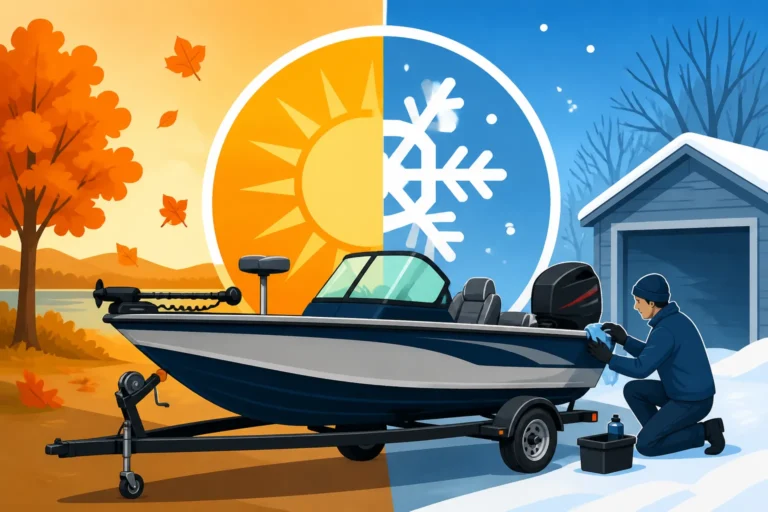
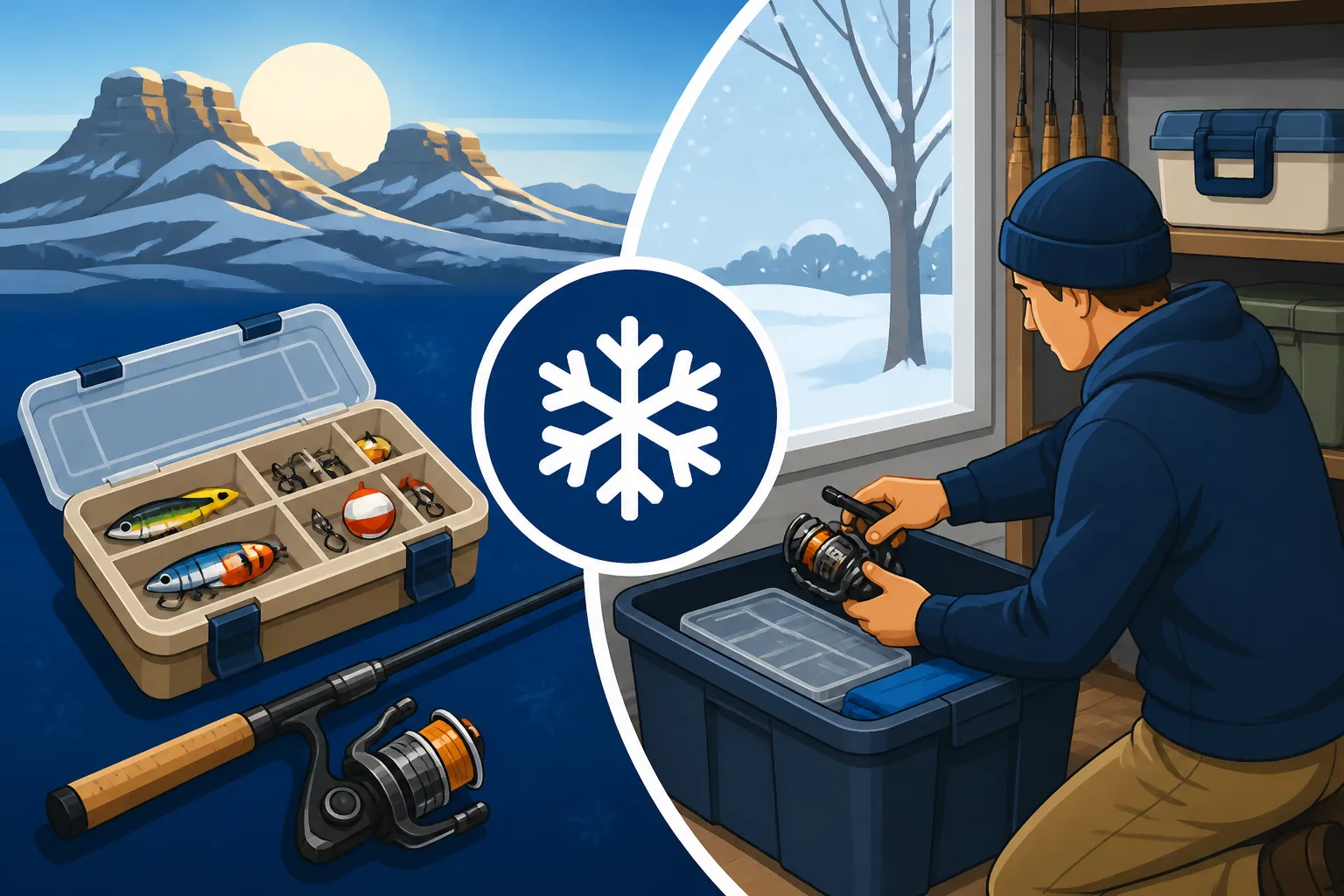
Ah, the crisp air of late fall settles in, and for many of us passionate South Dakota anglers, it’s a bittersweet time. The fishing might still be good for those brave enough to bundle up, but in the back of our minds, we know that eventually, the lakes will freeze solid, and our open-water gear will need to be put away. But simply tossing your rods and reels into a corner of the garage is a recipe for disaster – come spring, you'll be faced with sticky reels, rusty hooks, and damaged lines. This comprehensive guide is here to walk you through the essential steps to properly store your fishing gear over winter, ensuring everything is in prime condition for that glorious first cast when the ice melts.
Why Proper Winter Storage is Absolutely Crucial for Your Fishing Gear
It’s tempting to just put everything away after that last autumn trip, especially when you’re tired and cold. Believe me, I've been there! But taking a little extra time now can save you a whole lot of headache and expense when spring rolls around. South Dakota winters are no joke, and the fluctuating temperatures and humidity, even in a garage or shed, can wreak havoc on delicate fishing equipment.
Protecting Your Investment and Extending Gear Lifespan
Think about all the money you've invested in your rods, reels, and tackle. A good quality reel isn't cheap, nor is a sensitive graphite rod. Without proper care, rust can set in on metal components, lubricants can dry out, and lines can develop memory or even degrade. This not only affects performance but can drastically shorten the lifespan of your gear. Who wants to buy a new reel every couple of years because a little rust seized up the bearings? Or worse, lose that trophy walleye because your line snapped due to neglect? Investing a few hours in winterizing is like an insurance policy for your gear, making sure it lasts for many seasons to come.
You’ll find that a well-maintained reel feels smoother, a rod maintains its responsiveness, and your lures stay sharp and ready. It’s not just about saving money; it’s about maintaining the joy of using equipment that performs at its best. There's nothing more frustrating than getting out on Lake Sharpe Fishing Guide or Lake Oahe Fishing Guide for the first time in spring, only to find your drag is sticky or your reel handle barely turns.
Avoiding Frustrating Repairs and Replacements in Spring
Imagine this: spring has sprung, the ice is out, and you’re itching to hit Belle Fourche Reservoir Walleye Minimum Length for some early season action. You pull out your favorite rod and reel combo, only to discover the reel is stiff, the line is a tangled mess, or your prized crankbaits are pitted with rust. Now, instead of fishing, you're making an unplanned trip to the tackle shop or spending hours trying to salvage what you can. This is a common frustration that can be entirely avoided.
Proper storage prevents these common issues. It ensures that when you're ready to go, your gear is too. No last-minute runs for new line, no scrambling for rust remover, and no missing out on prime fishing time because your equipment isn't up to snuff. It’s all about readiness and enjoying those precious first days back on the water without a hitch.
Step-by-Step Guide to Preparing Your Rods and Reels for Hibernation
Your rods and reels are the heart of your fishing setup, and they deserve meticulous attention before going into winter storage. This isn't just a quick wipe-down; it's a thorough cleaning and preparation process that pays dividends.
Thorough Cleaning and Inspection of Rods
First things first, let's tackle those rods. They might look clean, but microscopic dirt, fish slime, and even sunscreen residue can cause problems over time.
- Wipe Down the Blanks: Use a damp cloth with mild soap and water to gently wipe down the entire rod blank, from butt to tip. Pay special attention to the handle, as it often accumulates grime from your hands. For cork handles, a soft brush and a little extra scrubbing can work wonders. Rinse with a clean, damp cloth.
- Clean the Guides: The rod guides are critical. Use a cotton swab or a soft brush dipped in a mild cleaning solution to meticulously clean inside each guide. Bits of line residue, dirt, and salt (even from freshwater lakes, there can be mineral buildup) can sit in these guides and abrade your line next season. Inspect each guide for cracks or damage to the ceramic inserts. If you find any, make a note to repair or replace them before next season.
- Check Ferrules and Joints: If your rod is a multi-piece design, clean the ferrules (the joints where the pieces connect). Make sure there's no grit that could cause wear or prevent a tight fit. A little bit of ferrule wax can be applied to aid in assembly and disassembly next season, but ensure they are spotless before applying.
- Air Dry and Store: Allow your rods to air dry completely before storing them. Then, place them in individual rod sleeves or cases. This prevents scratches and protects the guides. Store them vertically or horizontally without bending, away from direct sunlight or extreme temperature fluctuations. Hanging them can sometimes cause a warp over long periods if not properly supported, so consider a wall rack that supports the rod along its length, or a vertical rod holder.
Lubricating and Protecting Your Reels
Reels are precision instruments, and they need a lot of love before winter. Neglecting them is the quickest way to turn a smooth operator into a clunky mess.
- Remove Line: Strip all the old fishing line off your reels. Monofilament and fluorocarbon lines can develop significant memory over several months of storage, leading to kinks and reduced casting performance. Braided lines, while more durable, can also benefit from being removed and re-spooled next season. This is also a great time to check your spool for any damage or corrosion.
- Exterior Cleaning: Just like your rods, give the exterior of your reel a good wipe-down with a damp cloth and mild soap. Get into all the nooks and crannies, especially around the handle and drag knob.
- Deep Cleaning and Lubrication: This is the most crucial step. Carefully follow your reel manufacturer's instructions for disassembly and cleaning.
- Spinning Reels: Open the bail, remove the spool, and clean the main shaft. Apply a very thin layer of reel grease to the main shaft and any visible gears. Put a tiny drop of reel oil on the bail arm pivot points and handle knobs.
- Baitcasting Reels: Remove the side plate and carefully clean the gears. Apply reel grease to the gears and a drop of reel oil to the spool bearings and worm gear.
- Drag System: Loosen the drag knob completely to relieve pressure on the drag washers. This prevents them from compressing and losing their effectiveness over time. Avoid oiling the drag washers themselves unless specifically instructed by the manufacturer, as it can impair their function.
- Reassemble and Store: Reassemble your reel, ensuring all screws are snug but not overtightened. Store reels in their original boxes, a padded reel case, or a soft cloth bag. Keep them in a dry, temperature-stable environment. Avoid storing them in direct contact with concrete floors, which can leach moisture.
Here's a quick checklist for your rods and reels:
| Gear Type | Winter Storage Action Item | Why It's Important |
|---|---|---|
| Rods | Clean blanks with mild soap/water | Removes grime, extends finish life |
| Rods | Inspect and clean all guides | Prevents line abrasion, detects damage |
| Rods | Check ferrules and joints | Ensures proper fit, prevents wear |
| Rods | Store in sleeves/cases, vertically or horizontally | Prevents scratches, warping |
| Reels | Remove old fishing line | Prevents line memory, degradation |
| Reels | Clean exterior thoroughly | Removes dirt, prevents corrosion |
| Reels | Disassemble, clean, and lubricate internal gears | Maintains smooth operation, prevents seizing |
| Reels | Loosen drag completely | Prevents drag washer compression |
| Reels | Store in padded cases/bags | Protects from dust and physical damage |
You can find specialized reel lubricants and cleaning kits from brands like Abu Garcia or Penn, often available at local shops or through online retailers like Amazon. Many anglers swear by these specific products for optimal reel health.
Tackling Your Tackle Box: Lures, Baits, and Terminal Gear Storage
Your tackle box is often a treasure trove, but also a potential rust factory if not managed properly. Rusty hooks and dull blades are a common sight come spring if you just shut the lid and forget about it.
Organizing and Rust-Proofing Your Lures and Terminal Tackle
This is where organization and preventative measures truly shine. A little effort here means no unexpected surprises when you’re ready to chase South Dakota Walleye Limits next year.
- Empty and Clean: Start by completely emptying your tackle box or individual tackle trays. Give the boxes themselves a good wipe-down to remove any dirt, old bait residue, or spills.
- Inspect Every Lure: Go through each lure. Remove any weak or rusty hooks. Replace split rings if they're bent or corroded. For soft plastics, check for any that have melted or become sticky – these should be discarded or separated, as they can damage other plastics. Clean off any weed or debris from crankbaits and spinnerbaits.
- Rust Prevention is Key: This is the big one. Moisture is the enemy of hooks, swivels, and snap weights.
- Silica Gel Packs: Toss a few small silica gel packs into each tackle tray or larger box. These absorb moisture. You can often save these from new shoes or electronics, or buy them in bulk online.
- VCI Emitters: Vapor Corrosion Inhibitor (VCI) products, like those from Zerust or similar brands available at Bass Pro Shops, are fantastic. These pads or dividers emit a vapor that creates a protective layer on metal surfaces, actively preventing rust. They're a game-changer for long-term storage.
- Light Oil Coating: For some metal lures or terminal tackle, a very light spray of a rust-inhibiting lubricant (like a silicone spray, NOT WD-40, which can attract moisture) on hooks and swivels can provide an extra layer of protection. Just make sure to wipe off any excess before fishing, as scent can deter fish.
- Categorize and Store: Once clean and protected, organize your tackle. Keep similar lures together (crankbaits, jigs, soft plastics, spoons). Use clear, separate tackle trays for different lure types or fishing scenarios. This not only helps with winter storage but makes finding what you need much faster on the water.
Proper Storage for Soft Plastics and Scented Baits
Soft plastics and scented baits have their own unique storage challenges. Throwing them all together can lead to a sticky, melted mess.
- Separate Soft Plastics by Type/Brand: Different brands and types of soft plastics can react chemically with each other, causing them to melt, deform, or bleed colors. Always store soft plastics in their original packaging or in designated soft plastic storage binders/boxes that have dividers. Avoid mixing different brands in the same compartment unless you're absolutely sure they're compatible.
- Protect Scented Baits: Scented baits, like PowerBait or Gulp!, should always be kept in their original sealed containers to prevent them from drying out or losing their potent scent. Check the seals to ensure they are airtight. If a container is cracked or compromised, transfer the bait to a small, airtight plastic container.
- Temperature Control: For both soft plastics and scented baits, temperature is key. Extreme cold can make soft plastics brittle, while extreme heat (though less of a winter concern) can cause them to melt. Store them in a cool, dry place, ideally somewhere that doesn't experience huge temperature swings, like an interior closet rather than an unheated garage.
By giving your tackle box this kind of attention, you'll open it next spring to a perfectly organized and rust-free collection, ready to catch some South Dakota Walleye Daily Limit!
Caring for Your Soft Goods, Electronics, and Miscellaneous Gear
Beyond rods, reels, and tackle, there's a whole host of other gear that needs attention before winter. From the waterproof jacket that keeps you dry on South Dakota Spring Walleye Fishing Techniques days to the fish finder that helps you locate the big ones, proper care ensures these items are ready for the next season.
Cleaning and Storing Waders, Rain Gear, and Life Jackets
These essential items keep you comfortable and safe, and they need to be treated right to maintain their integrity.
- Waders: If you're a Black Hills stream angler pursuing South Dakota Brown Trout in the Black Hills, your waders are a lifesaver. Give them a thorough cleaning inside and out. Turn them inside out and wash off any mud, dirt, or slime. Use a mild soap and water solution. Ensure they are completely dry before storing them. Even a tiny bit of moisture can lead to mildew, which can destroy the fabric and seams. Hang them upside down in a well-ventilated area until bone dry. Once dry, store them hanging in a cool, dry place, away from direct sunlight. Avoid folding them tightly, as this can create permanent creases and weaken the fabric over time.
- Rain Gear: Your rain jackets and pants also need a good wash. Follow the manufacturer's care instructions carefully, as many waterproof/breathable fabrics require specific detergents (like Nikwax or Granger's, often found at sporting goods stores). Again, ensure they are completely dry before folding loosely and storing them in a breathable bag or on a hanger. Storing them compressed in a plastic bag can trap moisture and accelerate degradation.
- Life Jackets (PFDs): Your PFDs are crucial safety equipment. Rinse them thoroughly with fresh water to remove any lake water, sunscreen, or dirt. Hang them to dry completely. Inspect all straps, buckles, and zippers for wear or damage. Make any necessary repairs or replacements now. Store them in a dry, ventilated area, away from direct sunlight, which can degrade the fabric. Don't store them crumpled up or under heavy items, as this can compress the flotation material.
Protecting Your Electronics and Batteries
Your fish finders, GPS units, and trolling motor batteries are significant investments. Protecting them during the off-season is vital.
- Fish Finders and GPS Units: Disconnect all transducers and power cables. Clean the screens and units with a soft, damp cloth. Never use harsh chemicals or abrasive cleaners. Remove any data cards or memory chips. Store these sensitive electronics in their original boxes or a padded, waterproof case, ideally indoors where temperatures are stable and humidity is low. If your unit allows, perform any software updates before storage.
- Batteries: This is critical for trolling motor and starting batteries.
- Clean Terminals: Disconnect and clean all battery terminals to remove any corrosion.
- Charge Fully: Fully charge all batteries before storage. A partially charged battery can sulfate over time, reducing its capacity.
- Maintain Charge: If possible, connect your batteries to a "smart" battery charger or a battery tender that maintains a trickle charge throughout the winter. These units monitor the battery's voltage and charge it only when needed, preventing overcharging. This is especially important for deep-cycle trolling motor batteries. If you can't use a tender, plan to check and top off the charge every 4-6 weeks.
- Temperature: Store batteries in a cool, dry place. While cold doesn't generally harm fully charged batteries, extreme freezing temperatures can if the battery is discharged. Never store batteries on a concrete floor directly; use a piece of wood or a rubber mat.
Organizing Nets, Tools, and Accessories
Don't forget the smaller but equally important items!
- Landing Nets: Clean your landing net thoroughly, removing any fish slime, weeds, or debris. Ensure it's completely dry before folding or hanging it for storage. Check the netting for tears and repair as needed.
- Fishing Tools: Pliers, clippers, hook removers, and stringers should all be cleaned, dried, and lightly oiled to prevent rust. Store them in a designated tool roll or tackle box compartment, possibly with a VCI chip for extra protection.
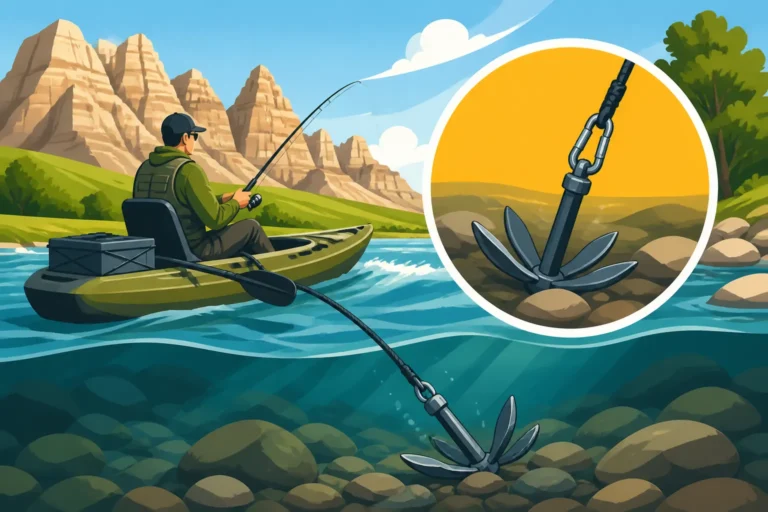
- Miscellaneous Gear: Any other items, like anchor ropes, boat bumpers, coolers, or fillet knives, should be cleaned, dried, and inspected for wear. Sharpen your Best Fillet Knife for Walleye now so it's ready for the first catch of spring. Store them neatly to prevent clutter and damage. For instance, store anchor ropes neatly coiled, and ensure coolers are clean and dry with the lid slightly ajar to prevent mildew.
Taking these steps to prepare all your fishing gear for its winter slumber ensures you'll be hitting the water ready for action, rather than spending precious spring days on maintenance. Happy winterizing, and here's to a fantastic next fishing season!
Disclaimer
This article is for general informational purposes only and does not constitute professional advice. Laws, prices and regulations vary by location and change over time. Consult a qualified professional for guidance on your specific situation.