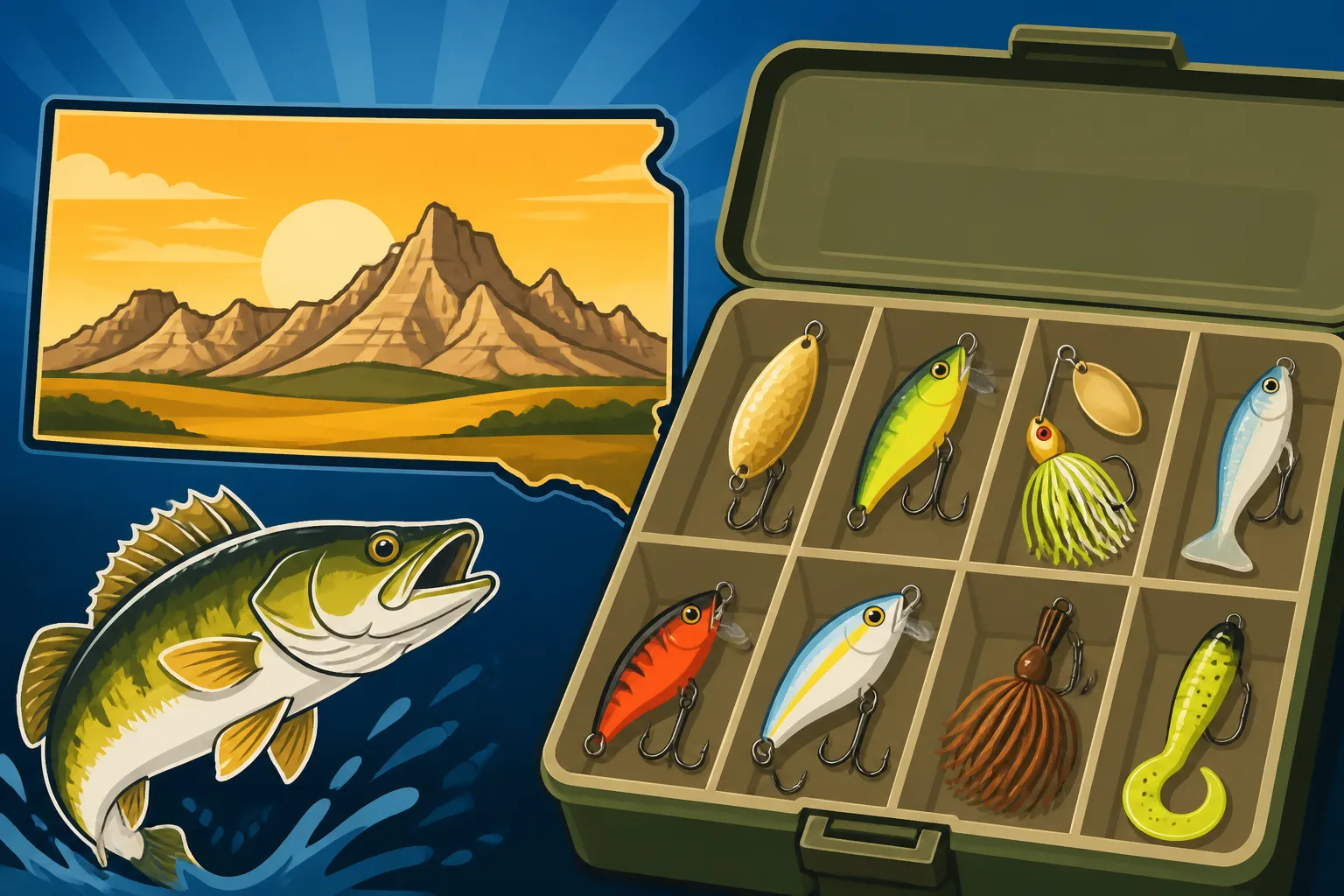
Best Lures to Keep in a South Dakota Tackle Box
One of the biggest head-scratchers for any angler, whether you’re a seasoned pro or just starting out, is figuring out what lures actually work in a specific area. You can walk into any sporting goods store, or browse endless pages online, and be absolutely overwhelmed by the sheer number of options. It's easy to spend a small fortune on gear that just sits in your tackle box, never seeing the water, because it wasn't quite right for the conditions or the fish you're targeting. South Dakota's diverse waters, from the vast Missouri River reservoirs to the clear Black Hills streams, present their own unique challenges and opportunities. This guide is all about cutting through that noise, giving you a comprehensive rundown of the best lures to keep in your South Dakota tackle box so you can fish with confidence and catch more fish.
Understanding South Dakota's Diverse Waters and Target Species
Before we even talk about specific lures, it's crucial to understand the lay of the land, or rather, the lay of the water. South Dakota isn't a one-size-fits-all fishing destination. What works wonders on Lake Oahe might be completely ineffective in a small Black Hills stream, and vice-versa. Knowing the general characteristics of our main fishing environments and the primary species found in each will help you make smarter lure choices.
Missouri River Reservoirs: Walleye, Salmon, Smallmouth, Catfish
The Missouri River reservoirs—Lake Oahe, Lake Sharpe, Lake Francis Case, and Lewis and Clark Lake—are the undisputed giants of South Dakota fishing. These vast bodies of water are largely responsible for our reputation as a top fishing state. They're big, they're deep, they have current, and they hold incredible populations of various species.
Walleye are, without a doubt, the main draw here. They patrol the rocky points, submerged humps, and vast flats, often following baitfish like smelt and shad. When you're thinking about fishing these reservoirs, you're often thinking about covering water, whether by trolling or drifting. South Dakota Missouri River Fishing Techniques talks more about how to approach these big waters. But it's not just walleye; Lake Oahe is also famous for its South Dakota Chinook Salmon Fishing Guide, especially around the Whitlock Bay area in the fall. You’ll also find robust populations of smallmouth bass hugging the riprap and rocky shorelines, and channel catfish prowling the deeper channels and muddy flats. These waters demand versatile lures that can be worked at different depths and speeds, mimicking the baitfish that are so prevalent.
Glacial Lakes: Walleye, Perch, Pike, Crappie
Move east, and you'll encounter South Dakota's Glacial Lakes region. Think of places like Lake Kampeska, Lake Poinsett, and Bitter Lake. These are generally shallower than the Missouri River reservoirs, often with more weed growth and softer bottoms. They are fantastic fisheries in their own right, offering a slightly different angling experience.
Walleye are still a primary target here, but they often behave differently than their Missouri River cousins, often relating more to weeds and shallower structure. Yellow perch can be abundant, providing fast action, especially through the ice. Northern pike are ambush predators that thrive in the weedy environments, offering explosive strikes. And of course, crappie and other panfish are popular targets, particularly in spring and early summer. The lures here need to be able to navigate weeds, present enticingly in stained water, and sometimes target fish suspended over deeper basins. For a deeper dive into these eastern waters, check out our South Dakota Glacial Lakes Fishing Guide.
Black Hills Streams and Lakes: Trout
Then, there's the beautiful, rugged Black Hills. This is a completely different world from the plains lakes and rivers. Here, you'll find crystal-clear, cold-water streams winding through pine forests, home to rainbow, brown, and brook trout. Lakes like Pactola and Sheridan also offer excellent trout fishing opportunities.
Trout fishing in the Black Hills often means lighter tackle, more finesse, and a different approach. Whether you're fly fishing or spin fishing, you'll need lures that are subtle, natural-looking, and capable of working in current. The fish here can be spooky due to the clear water, so presentation is key. If you're planning a trip to this scenic region, our Black Hills Trout Stream Fishing Guide is a must-read. Each of these distinct environments requires a thoughtful selection of lures, so let's dive into the specifics.
Essential Walleye Lures for South Dakota's Big Waters
Walleye fishing in South Dakota is practically a religion, and for good reason! These delicious fish are abundant and offer a fantastic challenge. While "walleye" is a single species, their behavior changes dramatically depending on the season, depth, and water body. Therefore, having a diverse arsenal of walleye-specific lures is critical.
Crankbaits and Trolling Plugs
When it comes to covering water, especially on the large Missouri River reservoirs or the more expansive glacial lakes, crankbaits and trolling plugs are indispensable. These lures are designed to dive to specific depths, wobble enticingly, and imitate baitfish like shad, smelt, or shiners.
- Understanding Depths and Sizes: The key to success with crankbaits is matching the dive depth to where the fish are holding. You'll want a selection of shallow-diving cranks for spring and fall, medium divers for general summer use, and deep divers for those hot summer days when walleye retreat to cooler, deeper water. Lures from brands like Rapala, Berkley, and Salmo are mainstays in many South Dakota anglers' boxes. For example, a shallow-running Scatter Rap or a Jointed Shad Rap might be perfect for trolling over a 6-10 foot flat in spring, while a larger, deep-diving Flicker Shad or Walleye Diver could get down to 20-30 feet over a main lake basin in July. It’s a good idea to have a range of sizes to imitate the prevalent baitfish.
- Color Selection is Crucial: While natural colors like silver, perch, and firetiger are always good starting points, don't be afraid to experiment. In stained or cloudy water, brighter colors like chartreuse, orange, or hot pink can stand out. On clear, sunny days, more subtle, natural patterns often prevail. Many anglers swear by purple-colored lures on Lake Oahe, particularly during the summer months when walleye are feeding on smelt. If you’re unsure, a quick check at your local Bass Pro Shops or even online at Amazon for popular color patterns in South Dakota will give you a great starting point. Remember, sometimes the fish want something completely outlandish, so having a few "wild card" colors can pay off.
Jigging Rigs and Soft Plastics
Jigging is a classic walleye technique, especially when you're targeting specific structure, fishing in current, or when fish are less active. It allows for a more controlled presentation and can be incredibly effective.
- Vertical Jigging: This technique is a cornerstone of river and reservoir fishing, particularly when targeting fish holding tight to bottom structure or suspended in current breaks. You'll need a good selection of jigs in various weights (1/4 oz to 3/4 oz being common, heavier in strong current) and colors. Plain lead head jigs, sometimes tipped with a live minnow or a soft plastic, are incredibly versatile. Plastics like Berkley Gulp! or various paddletail and minnow imitation plastics can be threaded onto these jigs. The key is to present the lure vertically below your boat, allowing it to "dance" near the bottom with subtle lifts and drops. This mimics a wounded baitfish, an irresistible target for a hungry walleye.
- Pitching and Casting: Beyond vertical presentations, jigs can also be cast to shallow cover, drop-offs, or weed edges. Lighter jigs (1/8 oz to 1/4 oz) are often preferred for this. Pairing these jigs with slender minnow-shaped soft plastics or curly-tailed grubs can be deadly. The "snap-jigging" retrieve, where you sharply lift the rod tip to make the jig dart, then let it fall on a semi-slack line, often triggers strikes as the lure glides through the water. This is particularly effective in spring and fall when walleye move shallower. Remember to match your jig head color to the plastic, or contrast it for an added visual trigger.
Spinner Rigs and Live Bait Combinations
Sometimes, you just can't beat the real thing, or at least a presentation that heavily relies on it. Spinner rigs, often called "crawler harnesses" or "Walleye Rigs," combined with live bait, are consistently productive, especially when walleye are spread out or less aggressive.
- Bottom Bouncing: A common method on the reservoirs is using a bottom bouncer with a spinner rig. The bottom bouncer keeps your lure at the desired depth, preventing snags, while the spinner blade adds flash and vibration, attracting fish. These rigs are typically fished with a nightcrawler, minnow, or leech. You'll want bottom bouncers in various weights (from 1 oz to 3 oz, depending on depth and current) and spinner rigs with different blade styles (Colorado for maximum thump, Indiana for a compromise, Willowleaf for flash) and colors. Varying the blade color—from metallic silver and gold to bright greens and oranges—can make a big difference. This setup is incredibly effective for drifting or slow trolling over flats, humps, and along channel edges.
- "Slow Death" Rigging: The "slow death" rig is a specialized spinner rig featuring a unique Aberdeen hook with an exaggerated bend that, when pulled slowly through the water, makes a threaded nightcrawler spin in an irresistible corkscrew motion. This subtle, natural presentation is absolutely deadly on pressured walleye or when they are finicky. It's often fished with a bottom bouncer or a small, inline weight. The slow death rig is particularly popular on Lake Oahe and Lake Sharpe during the summer, drawing strikes from walleye that might ignore traditional presentations. It’s a must-have in your tackle box for those tough days. You can find pre-tied "slow death" rigs at most fishing tackle stores or learn to tie them yourself.
| Lure Type | Primary Species | Best Conditions | Retrieve Style | Key Features |
|---|---|---|---|---|
| Crankbaits | Walleye, Pike, Bass | Covering water, trolling, specific depths | Steady retrieve, stop-and-go | Diving lip, rattle, vibrant colors, buoyant |
| Jigs | Walleye, Bass, Panfish | Structure, current, vertical fishing | Jigging, pitching, dragging | Weight, soft plastic attachment, various colors |
| Spinner Rigs | Walleye, Pike | Drifting, slow trolling, live bait | Slow retrieve, steady pull | Spinning blade, beads, often with live bait |
| Spoons | Pike, Walleye, Trout | Casting, jigging, ice fishing | Jigging, erratic retrieve | Flashing, fluttering, metal construction |
| Soft Plastics | Bass, Walleye, Panfish | Finesse, weedless, natural presentation | Various, often with jigs | Realistic profiles, subtle action, scent optional |
Top Lures for Other Popular Game Fish
While walleye might be the star, South Dakota offers fantastic fishing for a variety of other species. Rounding out your tackle box with lures tailored to these other fish will ensure you're ready for anything the water throws at you.
Smallmouth Bass Tactics
Smallmouth bass are feisty, hard-fighting fish that thrive in the clear, rocky environments of the Missouri River reservoirs and some glacial lakes. They love to ambush prey around structure, making them incredibly fun to target with a variety of lures. Smallmouth Bass Daily Limits are important to remember when you're out chasing these bronze beauties.
- Jigs for Structure: Football jigs, often paired with crayfish-imitating soft plastic trailers (like a creature bait or craw), are dynamite for smallmouth hugging rocky bottoms, riprap, and submerged humps. The heavy head of a football jig helps it maintain bottom contact and crawl over rocks, mimicking a crawdad trying to escape. Work these jigs with short hops and drags along the bottom. For a slightly lighter, more finesse approach, a Ned Rig (a small mushroom-head jig with a short, buoyant stickbait) can be incredibly effective, especially when the bite is tough. It stands upright on the bottom, offering a subtle, enticing presentation that smallmouth often can’t resist.
- Crankbaits and Topwater Action: Medium-diving crankbaits that mimic shad or minnows are excellent for covering water along rocky points and shorelines. Colors like chrome/blue, natural shad, or crawfish patterns are typically productive. Erratic retrieves with pauses can trigger strikes. And when the water is warm, and the bass are active, nothing beats the thrill of a topwater strike! Poppers, walking baits (like a Zara Spook), and prop baits can incite explosive surface attacks from aggressive smallmouth, especially during low-light conditions in the morning or evening. Look for these lures at your favorite local tackle shop or browse options on platforms like Amazon.
Northern Pike and Predator Lures
Northern pike are the wolves of South Dakota's glacial lakes and some reservoir backwaters, always on the hunt for a meal. They're aggressive, have razor-sharp teeth, and put up a fantastic fight. Your pike lures need to be robust and designed to attract attention.
- Spoons and Spinnerbaits: Large spoons (like Dardevles, Johnson Silver Minnows, or Five of Diamonds) are perennial pike favorites. Their wobbling, flashing action on the retrieve perfectly imitates a wounded baitfish, and they can be cast a mile, covering lots of water. Metallic colors like silver, gold, and copper, as well as bright red/white or yellow/red combos, are consistently good. Spinnerbaits with large, thumping blades (Colorado or Willowleaf) and vibrant skirts are also excellent, especially when fished around weed beds where pike often ambush prey. The flash and vibration can draw pike out of dense cover. For fishing in thick weeds, a weedless spoon can be a lifesaver, allowing you to retrieve your lure without constant snagging.
- Jerkbaits and Swimbait Presentations: Hard jerkbaits, especially those with an erratic, darting action, are incredibly effective for triggering reactionary strikes from pike. Cast them out, twitch your rod tip, and let them pause; often, the strike comes on the pause. Larger soft plastic swimbaits, rigged on heavy jig heads or weighted hooks, can also entice big pike, mimicking larger forage fish. These are great for working deeper weed edges or submerged timber. Just remember, when targeting pike, a steel leader is absolutely essential to prevent their sharp teeth from cutting your line.
Panfish and Crappie Favorites
Panfish, including crappie, bluegill, and yellow perch, offer fast action and are fantastic table fare. They are often targeted by anglers of all ages and skill levels, making them a cornerstone of many South Dakota fishing outings.
- Tiny Jigs and Grubs: For crappie and bluegill, finesse is often the name of the game. Small jigs (1/32 oz to 1/16 oz) tipped with tiny soft plastic grubs, tubes, or minnow imitations are deadly. Crappie especially love these presented under a small bobber, or slowly retrieved near brush piles, submerged timber, or weed edges. Colors like black, white, chartreuse, and pink are often top producers. You can even find jigs specifically designed for panfish with built-in action.
- Small Spoons and Live Bait Rigs: Tiny spoons (1/16 oz to 1/8 oz) can also be effective, especially for perch, which are often drawn to the flash and flutter. On the glacial lakes, perch will readily hit these small spoons, particularly when jigging through the ice. For those days when fish are finicky, a simple hook and bobber rig with a live minnow, worm, or wax worm is often irresistible to crappie and bluegill. Having a small assortment of these tiny hooks and split shot in your tackle box is always a good idea. Crappie and Panfish Possession Limits are something you'll want to review before heading out.
Trout Lures for Mountain Streams
Fishing the picturesque streams of the Black Hills is a unique experience that calls for a distinct set of lures. The clear, cold water and wary trout demand a more subtle approach.
- Small Spinners and Spoons: For spin fishermen, small inline spinners (sizes #0 to #2) are classic trout getters. Brands like Panther Martin, Mepps, and Roostertail are mainstays. Their spinning blade creates flash and vibration that trout key in on, especially in riffles and runs. Small, lightweight spoons, like the Little Cleo or Kastmaster, also work well, particularly in deeper pools where their fluttering action can mimic injured baitfish or aquatic insects. Natural colors like silver, gold, and brown/green patterns are usually best in clear water.
- Flies (if you fly fish): If you're into fly fishing, your "lures" are, of course, flies. A basic assortment for Black Hills streams would include dry flies (Elk Hair Caddis, Adams, Parachute Adams) for surface feeders, nymphs (Pheasant Tail, Hare's Ear, Prince Nymph) for subsurface feeding, and a few streamers (Woolly Bugger) to imitate baitfish or larger insects. Fly fishing offers a truly immersive experience in the beautiful Black Hills. South Dakota Fly Fishing for Black Hills Trout delves deeper into this rewarding technique.
Specialty Lures for Specific Conditions and Seasons
Beyond general categories, certain conditions or seasons call for specialized lures. Having a few of these up your sleeve can turn a slow day into a memorable one.
Ice Fishing Lure Essentials
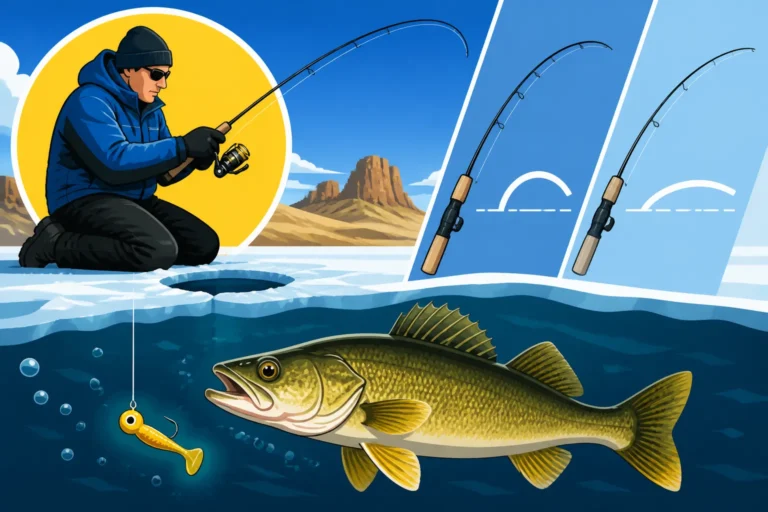
When South Dakota's lakes freeze over, a whole new world of fishing opens up. Ice fishing demands specific lures that can be presented effectively through a hole in the ice, often vertically. Our South Dakota Ice Fishing Guide offers a comprehensive overview of getting started.
- Jigs and Plastics for Vertical Presentation: Small, heavy jigs (tungsten jigs are popular for their density) are excellent for ice fishing. They get down quickly and offer a compact profile. Tipping them with a wax worm, a small piece of minnow, or tiny soft plastic like a Maki plastic or a Berkley Gulp! Alive! minnow imitation can be incredibly effective for walleye, perch, and crappie. The subtle movements generated by tiny twitches of your rod tip can trigger bites from even the most lethargic fish.
- Small Spoons and Rattle Baits: For more aggressive fish or to call fish in from a distance, small spoons (like Swedish Pimples, Kastmasters, or Northland Forage Minnows) are fantastic. Their flash and flutter on the drop are irresistible. Many ice anglers also swear by small rattle baits (Vibes) like the Rapala Rippin' Rap or the Acme Hyper-Glide. These lures emit sound and vibration, drawing fish in, and their erratic action often provokes a strike. It's always a good idea to have a variety of sizes and colors to experiment with.
Night Fishing Lure Choices
Summer nights on the Missouri River reservoirs can offer some of the best walleye fishing, especially for larger, more elusive fish. As the sun sets, walleye often move shallower to feed.
- Dark Colors and Rattles: When fishing at night, visibility is minimal, so fish rely more on vibration and profile. Darker colored crankbaits—black, purple, dark blue—can create a better silhouette against the moonlight or twilight sky, making them easier for fish to detect. Lures with internal rattles are also a huge advantage, as the sound and vibration can draw fish in. Trolling these dark, noisy crankbaits along shallow breaks, points, or sand flats can be incredibly effective. Sometimes, a subtle glow-in-the-dark lure can also be beneficial, providing just enough light to act as a target without spooking the fish.
- Jigs with Scent: For a more stationary approach, pitching jigs with scented soft plastics (again, Berkley Gulp! is a great option here) or live bait into shallow cover can also produce. The scent trail becomes even more important when visibility is low, guiding walleye directly to your presentation. Focusing on areas where walleye are known to feed at night, such as shallow humps or flats adjacent to deeper water, will maximize your success.
Low Light and Stained Water Lures
South Dakota's weather can be unpredictable, leading to stained or muddy water conditions after heavy rains or due to strong winds churning up sediments. These conditions require lures that can cut through the murk and get noticed.
- Vibration and Sound: In stained water, visual cues are diminished, so vibration and sound become paramount. Lures with aggressive wobbles, strong rattles, or large thumping blades (like a Colorado blade on a spinner rig) are excellent choices. Vibrating jigs (chatterbaits) are also very effective, pushing a lot of water and creating a unique sound signature that fish can home in on.
- Bright and Contrasting Colors: While natural colors often work in clear water, stained conditions call for brighter, more fluorescent hues. Chartreuse, hot orange, bright pink, and firetiger patterns can create a strong visual contrast, making your lure more visible in low light or murky water. Sometimes a combination of bright and dark colors (like a black and chartreuse jig) can provide the best silhouette. Don't be afraid to go bold; subtlety is often lost in stained water. Anglers often find a good selection of these vibrant lures available at their local Bass Pro Shops, making it easy to stock up for various conditions.
Building Your South Dakota Tackle Box: Practical Advice
Now that we've talked about all these fantastic lures, let's discuss how to organize and maintain them. A well-organized tackle box means less time fumbling and more time fishing. Plus, taking care of your gear ensures it lasts longer and performs better.
Smart Tackle Box Organization
An organized tackle box is a happy tackle box, and a happy angler! Nothing is more frustrating than needing a specific lure only to find it buried under a tangled mess of hooks, weights, and old plastics.
- Categorize by Lure Type: The most efficient way to organize is by lure type. Dedicate specific compartments or trays to crankbaits, jigs, soft plastics, spoons, and spinnerbaits. Within those categories, you can further sort by size, color, or depth range. For instance, all your deep-diving walleye crankbaits in one section, your shallow runners in another. This makes it easy to grab exactly what you need when the bite is on. Using clear, plastic utility boxes (often found on Amazon) that fit into your main tackle box allows for quick visual identification and easy swapping of specific lure selections depending on your target species or location.
- Seasonal or Species-Specific Boxes: Consider having smaller, specialized tackle boxes or trays for specific outings. If you're heading to the Black Hills for trout, you won't need your heavy walleye crankbaits. A small, dedicated trout box with appropriate spinners, spoons, and maybe some dry flies makes packing and fishing much more efficient. Similarly, for ice fishing, a compact box with only your ice jigs, spoons, and plastics is far more practical than lugging your entire open-water arsenal onto the ice. This modular approach is something I learned over years of lugging around way too much gear! Our guide on Best Tackle Box Setup for South Dakota Anglers offers even more tips.
Lure Care and Maintenance Tips
Your lures are an investment, and proper care will extend their life and ensure they perform optimally. Neglected lures can rust, lose their sharpness, or have damaged components, leading to lost fish and frustration.
- Rinse and Dry: After every trip, especially if you've been fishing in muddy or silty water, or if your lures have been submerged for extended periods, give them a quick rinse with fresh water. This removes grit, grime, and any corrosive elements. Crucially, let them thoroughly air dry before putting them back into a sealed tackle box. Storing wet lures is a surefire way to invite rust, especially on hooks and split rings. Spreading them out on a towel in a well-ventilated area for a few hours is usually sufficient.
- Check Hooks and Rings: Hooks dull with use, especially after bumping off rocks or structure. Keep a small hook sharpener in your tackle box and give your hooks a quick touch-up periodically. Replace any hooks that are bent, rusted, or severely damaged. The same goes for split rings; if they're corroded or deformed, replace them to prevent losing a prized fish. Taking a moment to do this preventative maintenance will save you headaches on the water. Also, periodically check the diving lips of your crankbaits for cracks or damage, as this can severely affect their action.
Disclaimer
This article is for general informational purposes only and does not constitute professional advice. Laws, prices and regulations vary by location and change over time. Consult a qualified professional for guidance on your specific situation.