South Dakota Fishing Gear Checklist
Oh, the sheer excitement of planning a fishing trip in South Dakota! Whether you're heading to the vast waters of Lake Oahe or the serene streams of the Black Hills, one common pitfall can quickly turn anticipation into frustration: realizing you've forgotten crucial gear. It's easy to overlook the small stuff when you're dreaming of big walleye, but a well-prepared angler is a successful and happy angler. This comprehensive guide will walk you through everything you need to build the ultimate South Dakota fishing gear checklist, ensuring you're ready for any adventure the Rushmore State throws your way.
Why a Fishing Gear Checklist is Essential in South Dakota
South Dakota is a state of incredible fishing diversity, from the massive Missouri River reservoirs to the prairie's glacial lakes and the Black Hills' cold-water streams. Each environment, and indeed each target species, can demand slightly different gear. Without a solid checklist, it's easy to show up at a remote boat ramp only to realize your favorite walleye crankbaits are still on the kitchen counter, or you forgot your waders for that trout stream. Trust me, I've been there, and the feeling is deflating.
The Varied Demands of South Dakota Waters
Think about the sheer variety: you could be jigging for perch through the ice one season, and the next you're trolling for monster Chinook salmon on Lake Oahe in the fall. Then there's the delicate art of fly fishing for brown trout in Rapid Creek or battling a hard-fighting smallmouth bass on Lake Francis Case. Each of these scenarios presents unique challenges and requires specific tools to succeed. Your gear needs to be as adaptable as the South Dakota weather itself.
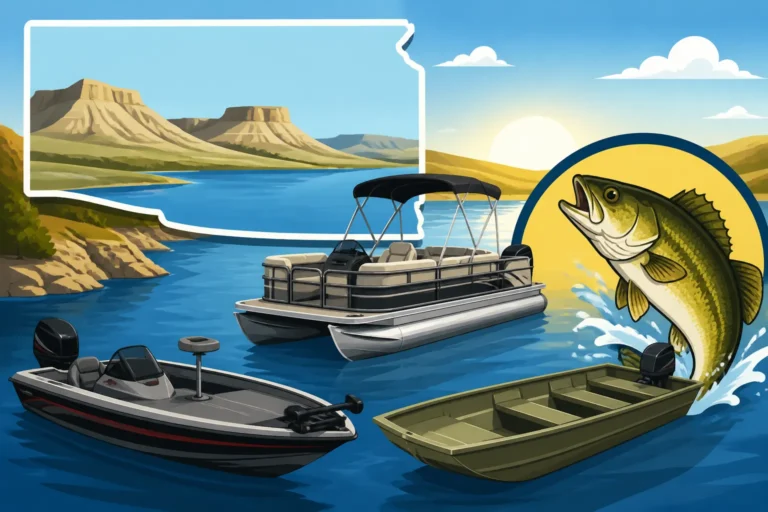
For instance, the wide-open expanse of the Missouri River reservoirs like Lake Sharpe can get incredibly windy, demanding a boat with a solid hull and a powerful trolling motor to maintain position. Meanwhile, a calm, shallow prairie lake might only require a small jon boat or even just a pair of waders for shore fishing. You wouldn't bring a surf rod to a trout stream, nor would you try to land a 25-pound catfish with ultralight panfish gear. Tailoring your equipment not only increases your chances of success but also significantly enhances your overall experience by minimizing frustration and maximizing enjoyment. This is why a well-thought-out gear list isn't just helpful; it's absolutely vital.
Avoiding Common Trip-Spoiling Mishaps
We've all been there: you're miles from the nearest town, the sun is rising, and you reach for your tackle box, only to discover you left your pliers at home. Or maybe you forgot your fishing license, a legal requirement that can lead to fines and a ruined day. These small oversights can quickly snowball into major headaches, leading to wasted time, gas, and even missed opportunities to catch fish. A comprehensive checklist acts as your personal assistant, ensuring that every essential item, from the smallest hook to the largest piece of safety equipment, is accounted for before you even leave the driveway.
Imagine driving hours to a prime fishing spot only to realize your cooler has a broken latch, or your fish finder battery is dead. These aren't just inconveniences; they can compromise your catch and even your safety. By diligently checking off items, you not only ensure you have everything you need, but you also implicitly check the condition of your gear. Is that life jacket still in good shape? Is the knot on your line fresh? Taking a few extra minutes to run through your list at home can save you hours of regret on the water. It’s about being proactive so your only worry on the water is what lure to tie on next.
The Absolute Essentials: No-Brainer Gear for Every Trip
Regardless of where or when you're fishing in South Dakota, there are certain items that are non-negotiable. These are the core components of any angler's arsenal, the foundational pieces that every successful trip is built upon. Skipping any of these items can turn a promising day into a frustrating one.
Rods, Reels, and Line: Your Primary Tools
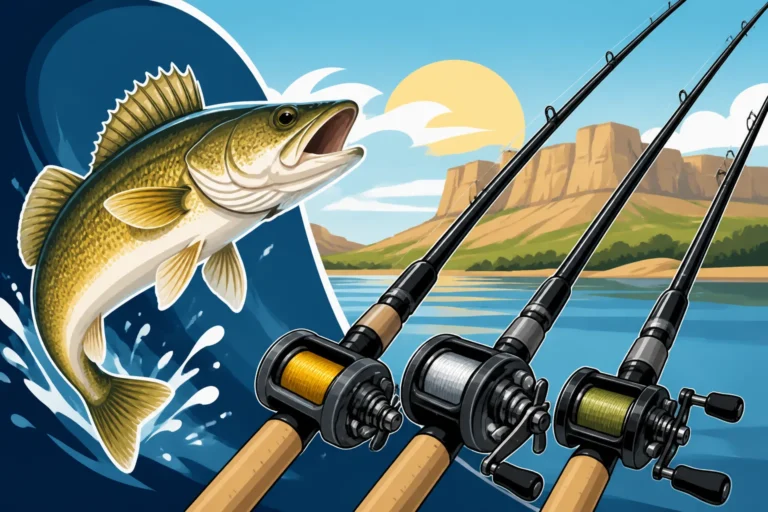
Let's start with the basics. You can't fish without a rod and reel, right? But it's not just about having any rod and reel; it's about having the right setup. For general South Dakota fishing, especially if you're targeting versatile species like walleye, a medium-action spinning rod (around 6'6" to 7' long) paired with a reliable 2500 or 3000 series spinning reel is an excellent starting point. This setup offers enough backbone for larger fish but is sensitive enough to detect subtle bites. Best Fishing Rods and Reels for Walleye can give you some great ideas.
For line, a good quality monofilament or fluorocarbon line in the 8-12 pound test range is often ideal for all-around use. Braided line is also a popular choice, especially when paired with a fluorocarbon leader, offering superior sensitivity and strength, which is a huge advantage when trying to feel light bites in deeper water or strong currents on the Missouri River. Don't forget a sharp pair of line clippers or small scissors – trying to bite through braided line with your teeth is a recipe for a bad day and sore gums. Always have a backup spool of line, especially if you're venturing out for a multi-day trip. Nothing is worse than getting a nasty tangle or breaking off a big fish and realizing you're out of fresh line.
Terminal Tackle Box Basics
Your terminal tackle box is essentially your toolbox for fishing. It's where all the small but critical components live. At a bare minimum, you need a variety of hooks (jig hooks, worm hooks, treble hooks if you're using crankbaits), sinkers (split shot, bullet weights, bottom bouncers for walleye), swivels, and snap swivels. These items allow you to adapt your rig to different baits, depths, and current conditions. Don't cheap out on hooks; sharp hooks are paramount for good hooksets.
Beyond hooks and weights, consider a few essential lures. For walleye, a staple in South Dakota, jigs (1/8 oz to 3/8 oz), crankbaits (both shallow and deep diving), and spinner rigs are must-haves. Best Lures for South Dakota Walleye goes into more detail. For panfish, small jigs and tiny spoons are effective. If you're targeting northern pike, some larger spoons or spinnerbaits are a good idea. Having a variety of colors, especially natural patterns and some brighter "attractor" colors, will cover most situations. Remember, sometimes fish are picky, and having options can make all the difference. Keep your tackle organized; a cluttered box means wasted time on the water.
Essential Tools and Accessories
These are the unsung heroes of a fishing trip, the items that make everything else work smoothly. First and foremost, a good pair of pliers or a multi-tool designed for fishing is invaluable. You'll use them for cutting line, crimping weights, removing hooks, and fixing anything that comes loose. A jaw spreader can be helpful for toothy fish like northern pike, ensuring safer hook removal. A net is another absolute essential, especially for landing larger fish like walleye or catfish; it prevents lost fish at the boat and makes for safer handling.
Beyond that, consider a stringer or a livewell to keep your catch fresh if you plan to keep fish. A measuring tape or ruler is crucial for ensuring your fish meet South Dakota Fish Limits and Size Restrictions, avoiding any legal issues. Polarized sunglasses are also a game-changer; they reduce glare, protect your eyes, and allow you to see into the water, spotting structure or even fish. Lastly, don't forget sun protection – hats, sunscreen, and long-sleeved shirts are not just about comfort; they're about preventing nasty sunburns, especially after a long day on the exposed waters of the Missouri River.
Specialized Gear for South Dakota's Diverse Fisheries
South Dakota isn't a one-size-fits-all fishing destination. Its waters hold a remarkable array of species, each with its own preferred habitat, feeding habits, and thus, requiring specific tackle and techniques. To truly maximize your success, you'll want to tailor your gear to the specific fish you're targeting.
Walleye Wonders: Gear for South Dakota's Favorite Fish
Walleye are undoubtedly the king of fish in South Dakota, especially on the Missouri River reservoirs like Lake Oahe and Lake Sharpe. To effectively target them, you'll want a versatile rod and reel setup. Many serious walleye anglers opt for two or three different setups: one for jigging (a sensitive medium-light to medium power rod, often graphite), one for trolling crankbaits (a medium-action rod with a bit more give to absorb the strike), and another for bottom bouncing (a medium-heavy rod to handle heavier weights). How to Fish for Walleye in South Dakota offers detailed techniques.
For terminal tackle, a wide array of jigs (especially popular colors like chartreuse, white, and purple), bottom bouncers in various weights (1/2 oz to 2 oz depending on depth and current), and an assortment of crankbaits that dive to different depths are crucial. Brands like Rapala, Berkley, and Salmo are often favorites among walleye anglers. Don't forget live bait rigging components like snell hooks, swivels, and slip sinkers if you plan to use minnows, leeches, or nightcrawlers, which are often incredibly effective for walleye. A good fish finder with side imaging or down imaging is almost indispensable for locating walleye structure and schools of baitfish.
Trout Tactics: Black Hills Stream Gear
If your heart belongs to the tranquility of trout streams, particularly those in the scenic Black Hills, your gear list will look quite different. Fly fishing is a popular and highly effective method here. A lightweight fly rod (typically a 3-weight to 5-weight) paired with a matching fly reel and floating line is standard. You'll need a selection of flies, including dry flies for surface feeding, nymphs for subsurface action, and streamers to imitate baitfish. Local fly shops in towns like Rapid City and Spearfish are excellent resources for current hatch information and recommended patterns.
For spin fishing, an ultralight spinning rod (around 5 to 6 feet) with a small, sensitive reel spooled with 4-6 pound monofilament or fluorocarbon is perfect. Small spinners (like Mepps or Rooster Tail), tiny spoons, and small jigs tipped with bait (where legal) are very effective. South Dakota Trout Limits in the Black Hills specifies specific regulations for these sensitive fisheries. Crucially, waders and wading boots are essential for accessing prime casting spots and navigating the often rocky, cold streams. A landing net with a fine mesh (rubberized nets are best for protecting fish) is also highly recommended for gentle catch and release.
Catfish and Northern Pike Pursuits
For the hard-hitting fighters like catfish and northern pike, you'll need gear that can take a beating. Catfish, especially on the Missouri River, can grow to impressive sizes, so a medium-heavy to heavy action rod (7-9 feet) paired with a robust spinning reel (4000-6000 series) or a baitcasting reel spooled with 15-30 pound test monofilament or braided line is necessary. Strong hooks (circle hooks are excellent for catfish) and heavy sinkers to hold bait on the bottom are also key. Catfish Limits and Size Rules ensures you stay within regulations.
Northern pike, found in many of South Dakota's glacial lakes and reservoirs, are known for their sharp teeth and aggressive strikes. A medium-heavy casting or spinning rod (6'6" to 7'6") with a fast action, coupled with a sturdy reel spooled with 20-30 pound braided line, is ideal. Steel or heavy fluorocarbon leaders are essential to prevent their razor-sharp teeth from cutting your line. Large spoons, spinnerbaits, jerkbaits, and even topwater lures can be incredibly effective. Consider a long-nosed pliers for hook removal to protect your fingers from those teeth!
Chinook Salmon and Other Unique Species
Lake Oahe offers a unique opportunity to target Chinook salmon, especially during their fall run. This requires specialized trolling gear. Downriggers are almost essential to get lures down to the depths where salmon often feed. You'll need stout trolling rods, often fiberglass, with line counter reels spooled with heavy braided or monofilament line. Large spoons, flasher-fly combinations, and various types of plugs are popular choices. South Dakota Chinook Salmon Regulations outlines specific rules for these powerful fish.
Beyond these, South Dakota also has excellent fishing for crappie, perch, and other panfish. For these, ultralight or light action rods with small spinning reels (1000-2000 series) and 4-6 pound test line are perfect. Tiny jigs, small spoons, and live bait like minnows or worms are highly effective. Having dedicated gear for these species allows for a much more enjoyable and successful experience. Don't forget your Crappie and Panfish Possession Limits when you're filling your cooler with these tasty fish.
Boat and Watercraft Essentials for South Dakota Anglers
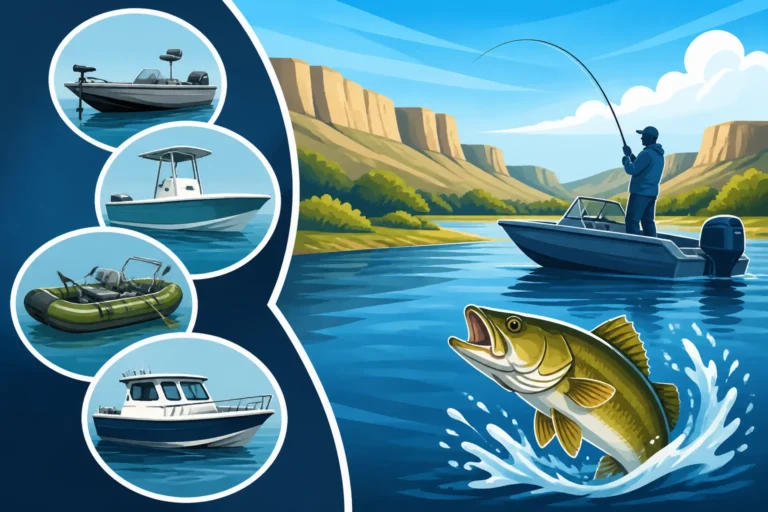
If you plan to explore the vastness of South Dakota's lakes and reservoirs, a boat is often a necessity. But owning a boat isn't just about the vessel itself; it's about adhering to regulations and having the right equipment to ensure safety and functionality on the water.
Boat Registration and Safety Requirements
Operating a motorized boat in South Dakota requires proper registration. This typically involves registering your vessel with the South Dakota Game, Fish and Parks (GFP) and displaying the registration numbers and decals prominently. Make sure your South Dakota Boat Registration Guide is up to date, as requirements can change. Non-motorized watercraft like kayaks and canoes generally have different rules, but it's always best to check the latest regulations for specific length or usage requirements.
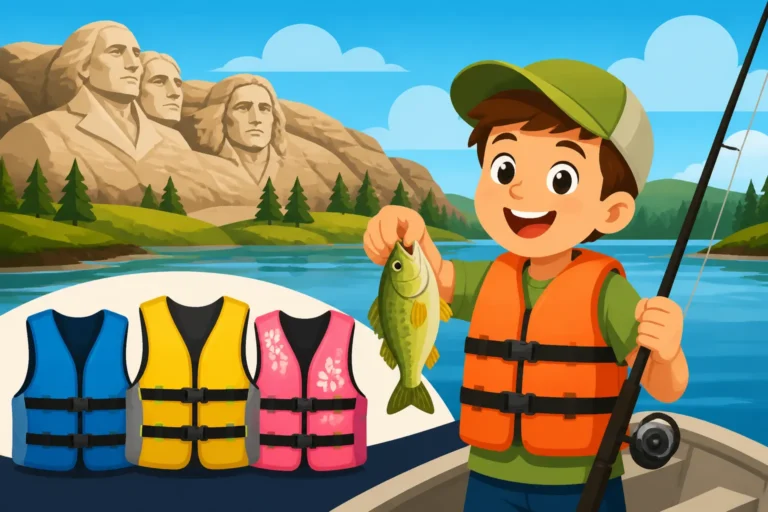
Beyond registration, safety is paramount. Every boat must carry a certain amount of safety equipment. This typically includes U.S. Coast Guard-approved life jackets for every person on board, and they must be readily accessible. Children under a certain age are usually required to wear a life jacket at all times while the boat is underway. Other essentials often include a throwable flotation device (like a ring buoy or seat cushion), a sound-producing device (horn or whistle), navigation lights if operating between sunset and sunrise, and a fire extinguisher for motorized vessels. Always review the full list of South Dakota Boat Safety Requirements before launching.
Essential Onboard Gear
Once your boat is legally registered and stocked with safety equipment, there's a host of other gear that will make your time on the water more productive and comfortable. A good quality anchor with sufficient rope is critical for holding position, especially in windy conditions or strong currents found on the Missouri River. The length of rope needed depends on the depth you plan to fish and the type of bottom. Don't skimp on this!
A fully charged marine battery for your main engine and, if applicable, for your trolling motor, is non-negotiable. Many anglers carry a spare battery or a portable jump starter for emergencies. Speaking of trolling motors, a reliable electric trolling motor can be a game-changer for precise boat control, particularly when fishing structure or holding against current. A well-stocked tool kit with basic wrenches, screwdrivers, and electrical tape can help with minor repairs, preventing a ruined day on the water. Don't forget your boat fenders for docking, and extra ropes for securing your vessel.
Electronics for Navigation and Fish Finding
Modern fishing almost always involves electronics, and they've become incredibly sophisticated. A reliable GPS unit, often integrated into a fish finder, is essential for navigation on large bodies of water like Lake Oahe, marking productive fishing spots, and getting back to the boat ramp safely, especially in foggy conditions or after dark. Best Fish Finders for South Dakota Lakes can help you pick one.
Fish finders, with their sonar capabilities, help you locate fish, identify structure, and understand the depth and bottom contour. Whether you're using a basic flasher or a full-blown unit with side imaging and down imaging, this technology can significantly improve your success rate. Consider a quality marine radio (VHF) for communication in case of emergencies, especially on remote waters. Many anglers also bring along a power bank to keep their phones and other small electronics charged, which can be useful for checking weather forecasts or accessing fishing maps.
| Item Type | Category | Example Items (General Purpose) | Species-Specific Note |
|---|---|---|---|
| Rods/Reels | All-Around | Med. Action Spinning Rod (6'6"-7'), 2500/3000 Reel | Walleye, Bass, Smaller Pike |
| Ultralight | Ultralight Spinning Rod (5'-6'), 1000/2000 Reel | Trout, Panfish (Crappie, Perch) | |
| Heavy Duty | Med-Heavy Casting Rod (7'-9'), 4000-6000 Reel | Catfish, Larger Pike, Salmon Trolling | |
| Line | Monofilament | 8-12 lb Test | General Purpose, Trolling |
| Braided | 15-30 lb Test (with Fluorocarbon Leader) | Walleye (sensitivity), Pike (strength), Catfish (power) | |
| Fluorocarbon | 6-10 lb Test (Leader Material) | Clear water, sensitive bites | |
| Terminal Tackle | Hooks | Various sizes (Jig, Worm, Treble, Circle) | Specific sizes for target species & bait |
| Weights/Sinkers | Split Shot, Bullet, Bottom Bouncers (1/2-2oz) | Adapt to depth, current; Bottom bouncers for Walleye | |
| Swivels | Barrel, Snap Swivels | Prevent line twist, quick lure changes | |
| Lures | Jigs | 1/8-3/8 oz (various colors) | Walleye, Panfish, Trout (small jigs) |
| Crankbaits | Shallow & Deep Diving | Walleye, Pike, Bass | |
| Spinners/Spoons | Various sizes | Trout, Pike, Panfish, Salmon (larger spoons) | |
| Soft Plastics | Grubs, Worms, Swimbaits | Walleye, Bass | |
| Tools | Pliers | Needle Nose, Multi-tool | Hook removal, cutting line, general repair |
| Line Clippers | Small scissors or dedicated tool | Clean line cuts | |
| Net | Landing Net (rubberized recommended) | Landing all species, especially larger ones | |
| Ruler/Tape Measure | For size limits | Ensure legal compliance | |
| Jaw Spreader | For toothy fish | Pike, Walleye (if deep hooked) | |
| Safety | Life Jackets | USCG Approved (1 per person) | Required by law |
| First Aid Kit | Basic supplies | Cuts, scrapes, minor injuries | |
| Sunscreen/Hat/Glasses | UV Protection | Essential for long days on the water | |
| Whistle/Horn | Sound-producing device | Distress signals | |
| Navigation Lights | If operating after dark | Required by law | |
| Boat Gear | Anchor & Rope | Sufficient for depth & conditions | Holding position in current or wind |
| Trolling Motor | Electric, Bow or Transom Mount | Precise boat control for fishing | |
| Marine Battery | Fully charged, spares | Power for engine, trolling motor, electronics | |
| Fish Finder/GPS | Sonar, Navigation | Locate fish, structure, mark spots, safe navigation |
Seasonal Considerations: Adapting Your Gear Throughout the Year
South Dakota experiences four distinct seasons, and each brings its own set of challenges and opportunities for anglers. What works in the sweltering heat of summer won't cut it when the ice covers the lakes. Smart anglers adjust their gear not just for the species, but for the time of year.
Spring Fishing Gear Adjustments
Spring in South Dakota is a time of transition and often very unpredictable weather. You might start the day bundled up against a cold north wind and end it shedding layers in warm sunshine. The key here is versatility and preparedness for rapid changes. Water temperatures are rising, triggering fish movement into shallower spawning areas. For walleye, this means focusing on jigs tipped with minnows or soft plastics, and shallow-diving crankbaits in warmer bays. Your South Dakota Spring Walleye Fishing Techniques will be very different from summer.
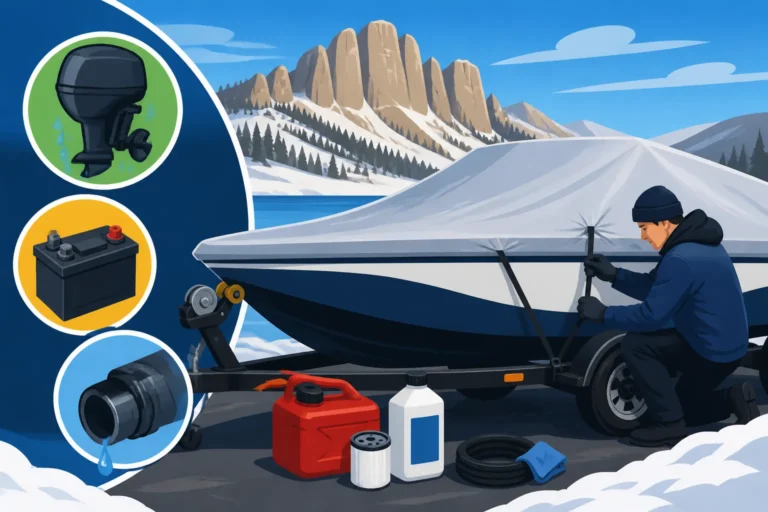
Your clothing needs to be layered. Think waterproof outer shells, fleece mid-layers, and moisture-wicking base layers. Insulated gloves and a warm hat are often crucial in early spring. Bank fishing can be excellent during this time, so don't forget your sturdy wading boots or hip waders if you plan to get your feet wet in search of spawning fish. For boaters, ensure your boat is ready after its winterization – check all systems, charge batteries, and make sure your trailer tires are good to go after sitting through the cold months.
Summer's Bounty: Hot Weather Gear
Summer fishing in South Dakota often means long, hot days and early morning or late evening bites. The fish might be deeper, seeking cooler water, or more active during low-light periods. For walleye, deep-diving crankbaits and bottom bouncers become more prominent. Smallmouth bass will be active around rocky shorelines and structure, responding well to tubes, jigs, and topwater lures early and late. Catfish will be in full swing, and strong baitcasting setups are key. South Dakota Summer Walleye Fishing Techniques often involve different presentations.
Heat protection is paramount. Lightweight, breathable long-sleeved shirts with UPF protection, wide-brimmed hats, and plenty of sunscreen are essential to avoid sunburn and heat exhaustion. Hydration is also critical – bring plenty of water, and a good cooler (perhaps a Yeti or RTIC brand) to keep it cold, along with your lunch. Mosquito repellent is non-negotiable, especially near calm water or during dawn and dusk. For boaters, a marine fan can make a huge difference in comfort on those sweltering days.
Fall Fishing: Preparing for the Chill
Fall is a favorite time for many South Dakota anglers, offering some of the best fishing of the year, especially for walleye and Chinook salmon on Lake Oahe. Fish are aggressively feeding, bulking up for winter. However, the weather can turn cold quickly, and water temperatures drop rapidly. Layering remains important, but you'll lean more heavily on insulated clothing, warm hats, and waterproof gloves. South Dakota Fall Walleye Fishing Techniques often involve larger baits and slower presentations as the water cools.
For salmon fishing on Lake Oahe, ensuring your downriggers are properly maintained and your salmon spoons and flashers are in top condition is key. Many anglers switch to heavier lines as they target these powerful fish. For all species, the cooler temperatures mean fish stay fresh longer, but a good cooler with ice is still a must. As the days shorten, check your boat's navigation lights and ensure they are fully functional if you plan to be on the water around dusk or dawn.
Winter Wonders: Ice Fishing Gear Guide
When the lakes freeze over, South Dakota transforms into an ice fishing paradise. This is where your gear list takes a dramatic turn. First and foremost, you need proper ice safety gear: an ice auger (manual, gas, or electric), ice picks (worn around your neck for self-rescue), and cleats for your boots to prevent slips on slick ice. South Dakota Ice Fishing Gear Guide provides a comprehensive list.
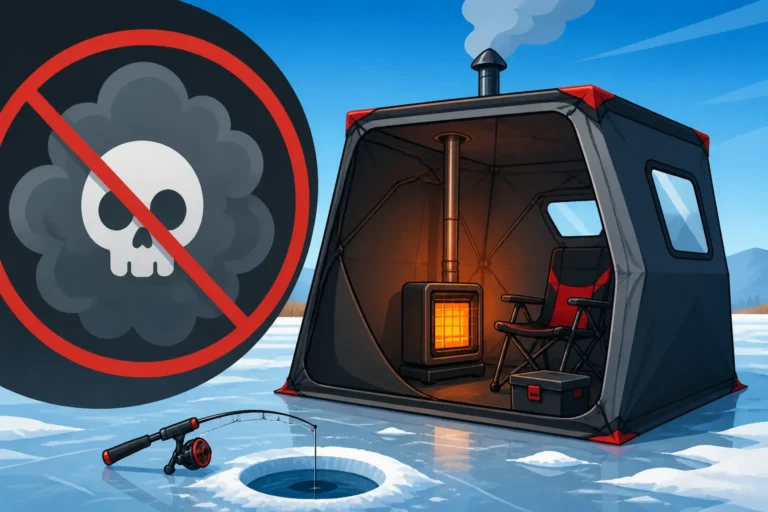
For fishing, specialized ice fishing rods and reels (short, sensitive rods and small inline or spinning reels) are necessary. A portable ice fishing shelter (shanty or hub style, like those from Clam or Eskimo) provides critical protection from the brutal South Dakota winds and cold. A portable heater (propane-powered, with proper ventilation) is essential for comfort. Electronic fish finders designed for ice fishing, like vexilars or flasher units, help you locate fish under the ice. Warm, insulated clothing, including a quality ice fishing suit, insulated boots (like Muck Boots or Baffin), and heavy gloves or mittens, are non-negotiable for safety and enjoyment in sub-zero temperatures. Don't forget a scoop to clear slush from your holes and a sled to haul all your gear across the ice!
Comfort and Safety Gear: Beyond the Fishing Rod
While catching fish is the main goal, ensuring your comfort and safety on the water is equally, if not more, important. Being cold, wet, or injured can quickly ruin a trip, no matter how many fish you catch. These items are about peace of mind and preparedness.
Personal Safety and First Aid
Never underestimate the importance of a comprehensive first aid kit. Even minor cuts from hooks or scrapes on a rocky shoreline can become problematic if not properly treated. Your kit should include bandages, antiseptic wipes, pain relievers, allergy medication, tweezers for splinter or tick removal, and any personal medications you might need. Consider a compact, waterproof kit that's easily accessible.
Beyond the kit, communication devices are critical. A fully charged cell phone is a given, but consider a satellite messenger or a marine VHF radio for areas with spotty cell service, especially on large, remote bodies of water. Whistles or horns are essential for signaling for help. Always let someone know your float plan – where you're going, when you expect to return, and who is with you. Carry a bright headlamp or flashlight, even during day trips, for unexpected delays or emergency situations. And as mentioned earlier, life jackets are non-negotiable.
Weather Protection and Comfort Items
South Dakota weather can be notoriously fickle, shifting from sunshine to thunderstorms or sudden cold fronts in a matter of hours. Having adequate weather protection is crucial. A high-quality waterproof and windproof rain suit is an investment that pays dividends, allowing you to stay dry and comfortable even in a downpour. Layers of clothing are your best friend, allowing you to adapt to changing temperatures. Thermal underwear, fleece jackets, and insulated vests can be added or removed as needed.
Comfort items extend beyond just clothing. A comfortable, supportive seat cushion can make hours of sitting in a boat or on the bank much more enjoyable. Insect repellent, especially during spring and summer, will save you from annoying bites. Hand warmers and toe warmers are fantastic for cold weather and ice fishing, providing instant relief. And, of course, a good pair of polarized sunglasses will protect your eyes from UV rays and help you spot fish and structure under the water.
Food, Water, and Sustenance
Fishing, especially on a full-day excursion, is an energy-intensive activity. You'll need to stay hydrated and well-fed to maintain focus and energy. Bring plenty of water – more than you think you'll need – especially during hot summer months. Electrolyte drinks or sports drinks can also be beneficial. Pack snacks that provide sustained energy, like granola bars, nuts, dried fruit, or sandwiches.
A reliable cooler is essential for keeping your food and drinks cold, and also for storing any fish you plan to keep. Consider separate coolers if you're keeping a lot of fish – one for your personal refreshments and another for your catch, packed with ice. Having a hot thermos with coffee, tea, or soup can be a lifesaver on cold mornings or during ice fishing trips. Remember, a well-fed and hydrated angler is a happier and more alert angler.
Maintaining Your Gear: Protecting Your Investment
Your fishing gear is an investment, and like any investment, it needs care and maintenance to perform at its best and last for years. Neglecting your rods, reels, or other equipment can lead to premature wear, malfunctions, and ultimately, a disappointing day on the water.
Cleaning and Storage Best Practices
After every trip, especially if you've been in dusty, muddy, or saltwater environments (though less common in landlocked South Dakota, high mineral content can still be abrasive), take the time to clean your gear. Rinse your rods and reels with fresh water to remove any dirt, grit, or fish slime. Pay special attention to the reel, making sure to wipe down the exterior and remove any debris from the spool. Allow everything to air dry completely before storing to prevent rust and mildew.
For long-term storage, especially during the off-season, find a cool, dry place away from direct sunlight and extreme temperatures. Store rods upright or in protective cases to prevent warping or damage to the guides. Loosen the drag on your reels to prevent premature wear on the drag washers. Store lures in tackle boxes, making sure any wet lures are dried first. How to Winterize a Boat in South Dakota and How to Store Fishing Gear Over Winter can offer more specific advice. Taking these simple steps extends the life of your gear significantly.
Routine Checks and Repairs
Before and after each fishing trip, give your gear a quick inspection. Check your rod guides for cracks or damage that could fray your line. Feel your line for nicks or abrasions and replace it if necessary; a small flaw in your line is an invitation for a big fish to break off. Inspect your reel for smooth operation, ensuring the drag is working properly and there's no grinding or stiffness in the handle.
Small repairs can often be done yourself. Learn how to tie common fishing knots securely. Carry spare parts like extra line, leader material, and hooks. If a guide insert pops out of your rod, it's often an easy fix with a bit of super glue. For more complex issues, like a grinding reel, it might be worth taking it to a local tackle shop for professional servicing. Regular maintenance prevents small problems from becoming expensive headaches and ensures your gear is always ready for action.
Digital Tools and Resources for the Modern Angler
In today's world, technology has become an invaluable asset for anglers. From understanding regulations to finding prime fishing spots and tracking conditions, digital tools can give you a significant edge.
Regulatory Apps and Websites
One of the most crucial digital resources is the South Dakota Game, Fish and Parks (GFP) website and any associated mobile applications. These platforms are your go-to source for current fishing regulations, license information, and fish stocking reports. It's so much easier to have the South Dakota Fishing Regulations Explained and South Dakota Fishing License Guide right in your pocket. You can often purchase and display your fishing license digitally, which is a huge convenience.
Staying compliant with regulations is not just about avoiding fines; it's about responsible angling and preserving fish populations for future generations. These digital resources provide up-to-date information on limits, season dates, and specific rules for different bodies of water, which can vary significantly. For example, Belle Fourche Reservoir Special Walleye Rules are unique compared to other areas. Having this information readily available on your smartphone means you can quickly verify rules while on the water.
Mapping and Fish Finding Applications
Gone are the days of relying solely on paper maps. Modern mapping applications, often integrated with fish finders or available as standalone apps for smartphones and tablets, provide detailed contour maps, satellite imagery, and navigation tools. Apps like Navionics or C-MAP offer incredibly detailed bathymetric charts that show underwater contours, drop-offs, and structure – critical information for locating fish.
Many of these apps also allow you to mark waypoints for productive fishing spots, track your trolling paths, and even share information with fellow anglers. When combined with a good fish finder, these mapping tools create a powerful system for understanding the underwater landscape and developing effective fishing strategies. You can scout new areas from the comfort of your home, identifying potential hotspots before you even launch your boat. Many of these apps are available for purchase on platforms like Amazon or can be downloaded from app stores.
Weather and Water Condition Trackers
South Dakota weather can impact fishing success dramatically. Wind, temperature, and precipitation all play a role. There are numerous weather apps available that provide real-time conditions, radar, and future forecasts. Using these to plan your trip, understand optimal fishing times (e.g., Does Wind Direction Affect Walleye Fishing?), and anticipate safety concerns (like approaching thunderstorms) is incredibly smart.
Beyond general weather, some apps and websites provide specific water conditions, such as water temperature, water levels, and even current flow for river systems. For the Missouri River reservoirs, understanding discharge rates from the dams can be crucial for predicting fish behavior. Combining weather forecasts with detailed water data allows you to make informed decisions about where to fish, what techniques to use, and when to call it a day for safety reasons. You can often find detailed forecasts for specific locations at Bass Pro Shops websites, which often include local fishing reports and weather.
Disclaimer
This article is for general informational purposes only and does not constitute professional advice. Laws, prices and regulations vary by location and change over time. Consult a qualified professional for guidance on your specific situation.