Crappie Fishing Techniques for Suspended Fish
There’s nothing quite as frustrating as showing up at your favorite crappie spot, expecting to find them hugging the brush piles or dropping off the breaks, only to discover they’ve vanished into thin air. You see bait on your electronics, maybe even some arches, but nothing is biting near the bottom, and you’re left scratching your head. This guide is all about demystifying those tricky suspended crappie and giving you the proven techniques to consistently put them in your livewell, even when they’re hanging out in open water.
Understanding Suspended Crappie Behavior
Crappie are fascinating fish, and their behavior can change rapidly based on a myriad of factors. When they're not relating to structure on the bottom or along shorelines, they're often described as "suspended," meaning they're holding at a certain depth in the water column, often in open water. Understanding why they do this is the first step to catching them.
Why Crappie Suspend
Crappie don't just suspend for no reason; there's always an underlying driver. One of the primary reasons is the pursuit of food. If a large school of baitfish, like shad or small minnows, is holding at a particular depth in open water, crappie will often move off traditional structure to chase that meal. This is especially common in larger reservoirs like Lake Oahe or Lake Sharpe, where expansive open water often holds massive baitfish schools. Think of it from their perspective: why work hard picking off a few minnows from a sunken tree when a buffet is swimming by at 15 feet?
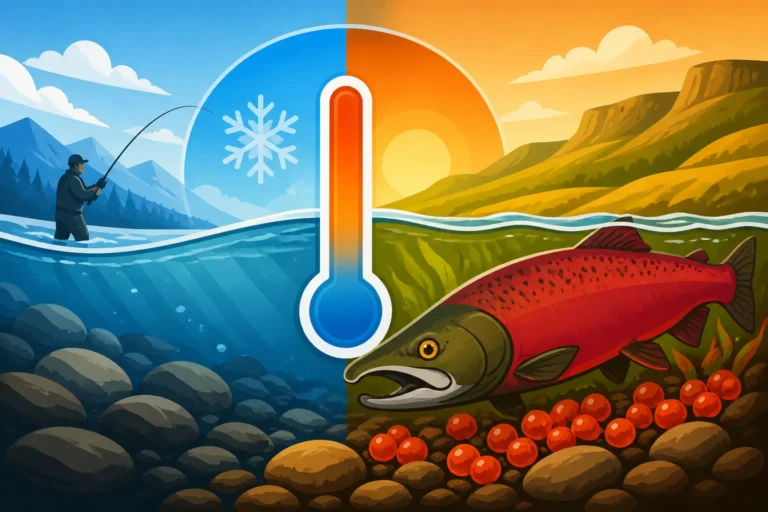
Another significant factor is water temperature and oxygen levels. During warmer months, especially in deep impoundments, the water can stratify, meaning it forms distinct layers of different temperatures and oxygen concentrations. Crappie will seek out the "sweet spot" within this stratification – often a comfortable temperature band with sufficient oxygen that also happens to hold forage. They might be suspended 10 feet down in 30 feet of water, not because there's structure there, but because that's where the conditions are optimal. Conversely, during harsh winters, crappie might suspend beneath thick ice in areas with slightly warmer water or higher oxygen, seeking refuge from the extreme cold, even if no obvious structure is present. The specific behavior can also vary between species, so it helps to know if you're targeting white crappie or black crappie.
Identifying Suspended Fish on Electronics
Modern fish finders are your absolute best friend when it comes to locating suspended crappie. Without good electronics, you're essentially fishing blind in open water. When suspended, crappie often show up as distinct arches or sometimes as dense clouds, depending on how tightly grouped they are and the quality of your transducer. The key is to pay close attention to the depth at which these marks appear and the surrounding area. Are they scattered, or are they schooled up? Are they hovering just above a thermocline, or are they following a specific contour line off a point?
Interpreting your screen effectively takes practice. Look for bait balls, which will appear as dark, dense masses on your display; crappie are almost certainly lurking nearby, often just below or to the sides of these schools. High-definition side-imaging and down-imaging can be incredibly helpful for spotting these open-water schools before you even drive over them. Many anglers find excellent deals on advanced fish finders on Amazon, which can make a huge difference in pinpointing these elusive schools. Don't just scan; actively look for patterns in the fish behavior on your screen relative to depth, bait, and structure.
Essential Gear for Targeting Suspended Crappie
Fishing for suspended crappie requires a slightly different approach than typical brush pile jigging. Your gear selection, from rods to baits, plays a crucial role in accurately presenting your offering at the right depth and detecting those often subtle bites.
Rods, Reels, and Line Choices
When tackling suspended crappie, precision and sensitivity are paramount. You’re often dealing with light bites in deeper water, so your rod needs to be able to telegraph those subtle taps. A good crappie rod for suspended fish will typically be a light to medium-light power spinning rod, anywhere from 6 to 8 feet long. The extra length helps with casting lighter jigs, maintaining line control, and absorbing sudden runs from bigger fish. A fast to extra-fast action tip is ideal, allowing the rod to load quickly and provide excellent sensitivity, while still having enough backbone to handle a decent crappie. Many anglers find great purpose-built crappie rods available through retailers like Amazon, offering a wide range of options to suit different preferences.
Pair your rod with a lightweight spinning reel, size 1000 or 2000. These smaller reels balance well with light rods and provide a smooth drag system, which is critical when fighting crappie on light line. For line, 4 to 6-pound monofilament or fluorocarbon is generally preferred. Monofilament offers a bit of stretch, which can be forgiving on soft crappie mouths, and it's easier to tie knots. Fluorocarbon, on the other hand, is nearly invisible underwater and offers less stretch, providing better sensitivity and hook-setting power in deeper water. Some anglers opt for a braid main line (6-10 lb test) with a 4-6 lb fluorocarbon leader for maximum sensitivity and strength, particularly when jigging in areas with potential snags, although snags are less common with suspended fish. When choosing a leader, consider the clarity of the water; clearer water might warrant a longer, lighter leader.
Lures and Baits for Suspended Crappie
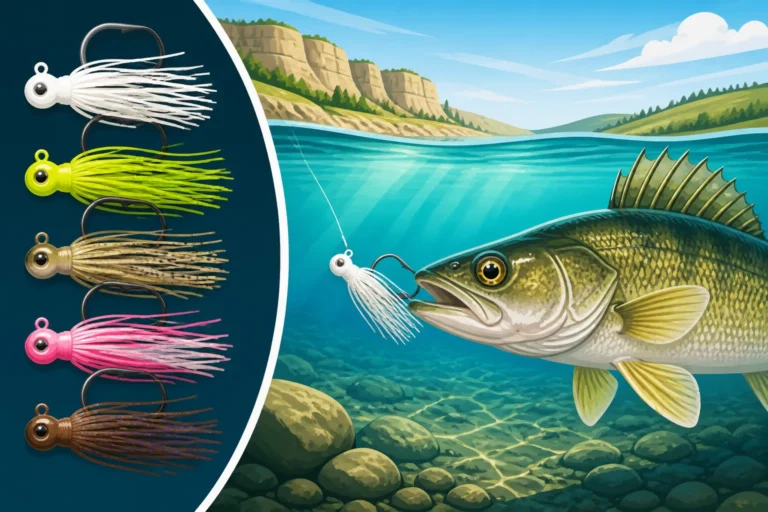
The beauty of crappie fishing is the sheer variety of lures and baits that can be effective, and suspended crappie are no exception. The key is to match your lure size and presentation to the baitfish they are currently feeding on and the depth at which they are suspended. Small jigs, typically 1/16 to 1/8 ounce, are workhorses for suspended crappie. These can be tipped with soft plastics that mimic minnows, shad, or insects. Popular soft plastic styles include tube jigs, curly-tail grubs, and tiny swimbait bodies in colors like chartreuse, white, black, or natural baitfish patterns. For a comprehensive list of what to carry, you might consult a guide on Best Lures to Keep in a South Dakota Tackle Box.
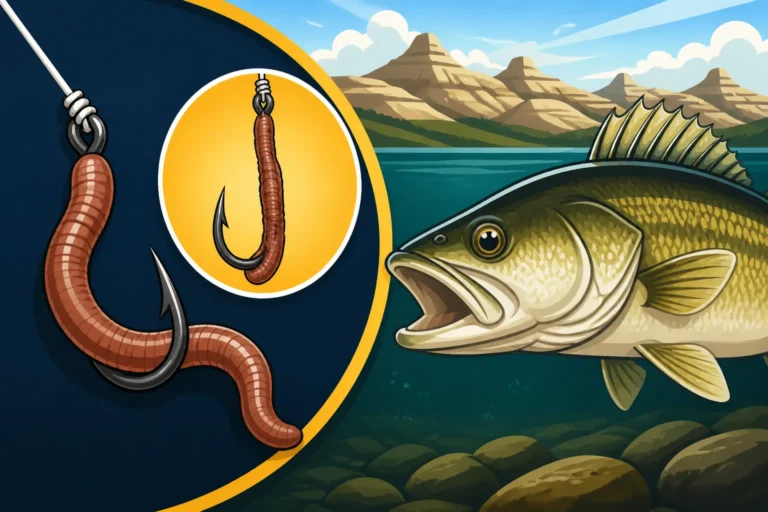
Another incredibly effective option is a small hair jig or marabou jig. These lures have an incredibly natural fall and pulsate enticingly with even the slightest movement, often triggering bites from finicky crappie. Don't underestimate the power of live bait, either. A small crappie minnow hooked through the lip and suspended under a bobber or slowly drifted can be irresistible. Whether artificial or live, the goal is to present a small, subtle offering that accurately targets the depth where the crappie are holding. Experiment with different colors and sizes until you find what they are keying in on that day.
Top Techniques for Reaching Suspended Crappie
Once you've located those elusive suspended crappie on your electronics, the next challenge is getting your bait to them effectively and enticing a strike. This often requires a combination of precise depth control and subtle presentation.
Vertical Jigging and Dropping
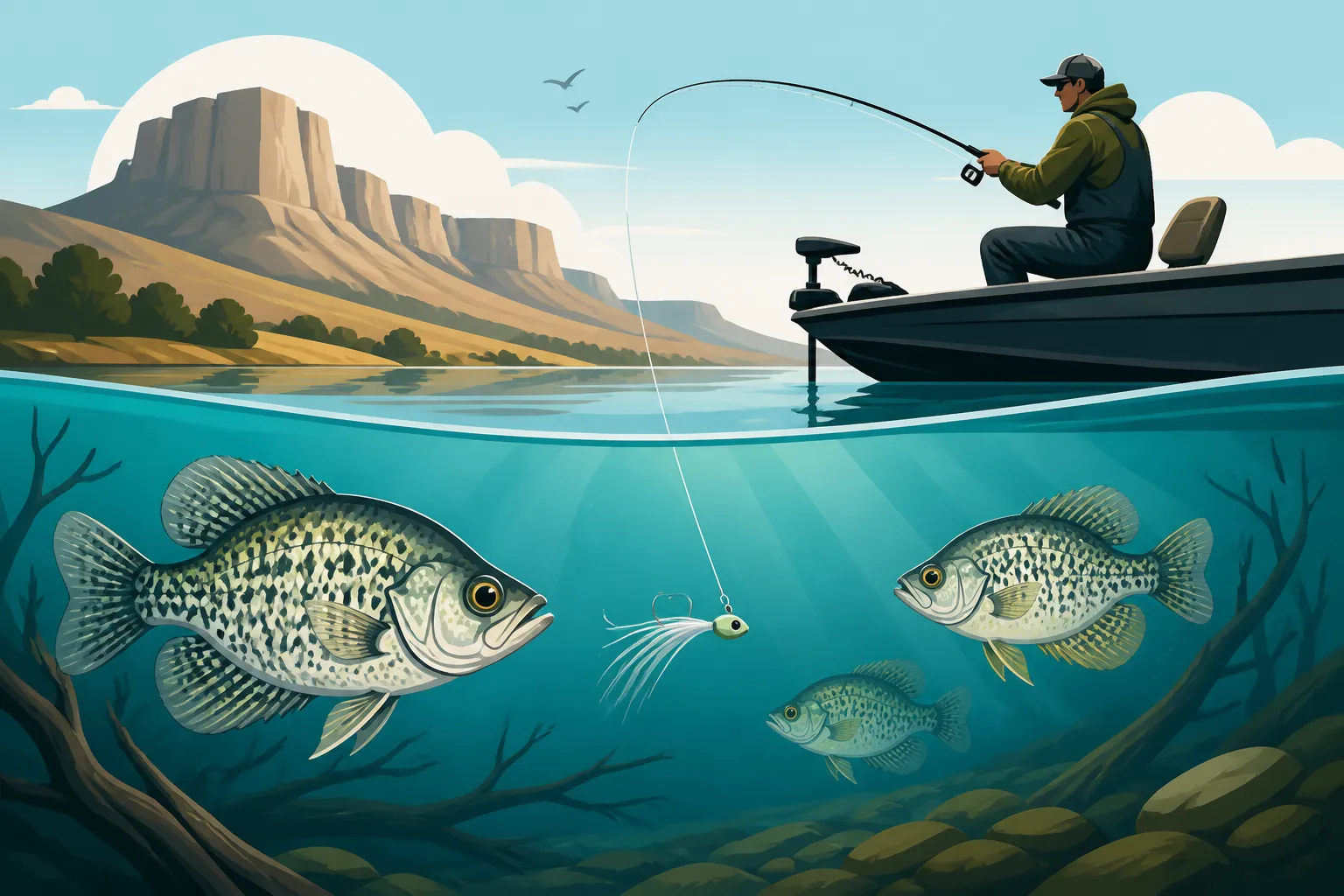
Vertical jigging is perhaps the most direct way to target suspended crappie once you’ve marked them on your fish finder. The technique involves positioning your boat directly over the fish, using your trolling motor to hold steady, and then dropping your jig straight down to the precise depth where the crappie are holding. Many anglers use a quality electric trolling motor for walleye fishing, and it works equally well for crappie. This method is incredibly efficient because you can see your lure on your fish finder, often appearing as a thin line or dot, allowing you to present it directly into the strike zone. You're basically playing a video game on your graph!
Once your jig is at the desired depth, a slow, subtle jigging action is usually best. Think small lifts and drops, barely moving the rod tip, letting the jig slowly fall or swim. Crappie often hit on the fall, so pay close attention to your line for any twitch, slack, or hesitation. Often, the bite will feel like a slight weightlessness or a subtle "tick." If you're not getting bites, try varying your jigging cadence: faster, slower, larger lifts, smaller twitches. The beauty of vertical jigging is its pinpoint accuracy, allowing you to work a specific school of fish for an extended period. This technique is especially effective when crappie are tightly schooled or concentrated around specific thermoclines.
Slow Trolling and Spider Rigging
When crappie are more scattered in open water, or when you need to cover a larger area to find them, slow trolling, often referred to as "spider rigging," is a highly effective technique. This involves deploying multiple rods (up to the legal limit, which is often two per angler in South Dakota unless specified otherwise) from the front or sides of your boat, presenting baits at different depths and distances behind the boat as you slowly move along. This technique allows you to cover a wide swathe of water and figure out the exact depth and presentation the fish prefer. You can find detailed information on South Dakota Fishing Regulations Explained to ensure you're compliant with rod limits.
Spider rigging setups often involve long crappie rods (10-16 feet) held in rod holders, allowing anglers to spread out their lines. You can use a variety of baits, from small jigs tipped with minnows or soft plastics, to small crankbaits. The idea is to move very slowly, typically 0.5 to 1.5 miles per hour, often using your electric trolling motor to maintain speed and direction. By staggering your lines and depths, you create a "grid" that hungry crappie can’t easily miss. Once you get a bite, note the depth, lure, and speed, and try to replicate that presentation on your other rods. This method is particularly popular on wide-open waters of the Missouri River reservoirs, where crappie can be found suspended across vast areas.
Slip Bobber Systems
While often associated with shallower water, slip bobbers are surprisingly effective for targeting suspended crappie, especially when they are holding at a consistent depth but might be a bit wary of a boat directly overhead. A slip bobber system allows you to cast your bait a good distance away from the boat and then have it settle naturally to a pre-set depth. This can be a game-changer on calm days or in clearer water when fish might be spooked by boat traffic.
The system consists of a bobber stop (a small piece of string or plastic that slides on your line), a bead, a slip bobber, a weight (split shot or small sinker), and your jig or hook with bait. You adjust the bobber stop to the desired depth, and when you cast, the weight pulls the line through the bobber until the bobber stop hits the bobber, suspending your bait at the exact depth. This creates a natural, uninhibited presentation that can be irresistible to suspended crappie. It's particularly useful when casting towards submerged timber or brush that you've identified as holding suspended fish, allowing your bait to drop vertically into the strike zone without getting hung up immediately. It's a fantastic technique for those moments when you want a more subtle approach than direct vertical jigging.
Locating Suspended Crappie in South Dakota Waters
South Dakota offers a fantastic array of waters for crappie fishing, from the sprawling Missouri River reservoirs to the countless glacial lakes in the eastern part of the state. Knowing where to start looking for suspended crappie within these diverse environments is key.
Key Structures and Depths
While suspended crappie are often found in "open water," they don't just float aimlessly. They usually relate to subtle changes in the underwater landscape, even if it's not traditional "structure." Look for channel swings, submerged creek beds, old roadbeds, and humps that rise up from the bottom. These features can act as underwater highways or gathering points for baitfish, and consequently, for crappie. On vast reservoirs like Lake Sharpe or Lake Francis Case, finding these subtle contours becomes critical. The crappie might be suspended 10-20 feet deep over a 30-foot channel, using the deeper water for safety while still being close to a foraging pathway.
Another crucial element is the thermocline. In deep South Dakota lakes, especially during summer, the water column stratifies into layers. Crappie will often suspend right on top of or just within the thermocline, which is the layer where water temperature changes most rapidly. This area often has stable temperatures and good oxygen levels, making it comfortable for fish. Baitfish also congregate here, providing an easy meal. If your fish finder has a temperature gauge, pay close attention to where the temperature rapidly changes; that's often where the crappie will be. Don't be afraid to explore offshore humps and points that drop into deeper water, even if they don't have obvious cover; crappie will often suspend off the edges of these features.
Seasonal Considerations for Suspension
The tendency for crappie to suspend varies significantly throughout the year, influenced by seasonal changes in water temperature, baitfish movements, and spawning cycles. In spring, after the spawn (check your local South Dakota Fishing Season Dates and Limits for specifics), crappie might suspend for a brief period as they recover and move off shallow spawning areas, often following schools of emerging baitfish into slightly deeper water. This is a time when they might be found suspended near the mouth of spawning coves or along main lake points.
Summer is perhaps the most common time to find crappie suspended, especially in deeper, clear water lakes. As surface temperatures rise and oxygen levels drop in deeper areas, crappie seek out the cooler, more oxygenated waters of the thermocline, often suspending over deep open water. This is when slow trolling or spider rigging becomes incredibly effective for covering expansive areas. Fall also sees crappie suspending, often in response to falling water temperatures and massive baitfish migrations into creeks and main lake basins. They'll follow these baitfish, often suspending at varying depths as the bait moves. Even during winter, particularly through the ice, crappie can be found suspended, sometimes just a few feet under the ice or much deeper over structure, depending on the oxygen and temperature profile of the lake. Learning to read your electronics and adjust your depth is key, regardless of the season.
Common Mistakes and How to Avoid Them
Even with the right gear and techniques, fishing for suspended crappie can be challenging. Many anglers make common mistakes that limit their success. Being aware of these pitfalls can significantly improve your catch rates.
Overlooking Subtle Bites
One of the most frequent mistakes when targeting suspended crappie, especially with vertical jigging or slow trolling, is failing to detect subtle bites. Unlike a bass smashing a topwater lure, a crappie bite on a suspended jig often feels like nothing more than a slight "tick," a momentary pause in the line's fall, or a sudden feeling of weightlessness. Sometimes, the only indication is your line going slack or moving sideways inexplicably. It can be incredibly subtle, particularly if you're fishing with light jigs in a bit of wind.
To avoid this, you need to develop extreme sensitivity in your hands and eyes. Watch your line like a hawk where it enters the water or just off the spool. Any unnatural movement, no matter how small, warrants a gentle but firm sweep of the rod tip to set the hook. Using high-visibility line can help with visual detection, or pairing a low-stretch fluorocarbon leader with a braided main line can enhance feel. Practice makes perfect here. The more you fish for suspended crappie, the more attuned you’ll become to these nearly imperceptible takes. Don't assume it's just a snag or a weed; often, it's a crappie mouthing your bait.
Fishing Too Fast or Too Shallow
Crappie, especially when suspended, are often looking for an easy meal, and a bait that is moving too quickly or presented above their preferred depth zone will often be ignored. Many anglers get impatient, jigging too aggressively or trolling too fast, which can spook fish or simply fail to entice a strike. Similarly, if crappie are suspending 15 feet down, but you're only fishing at 10 feet, you're missing them entirely.
The solution is to slow down and stay diligent with your depth control. For vertical jigging, use minimal rod movement and focus on that controlled fall. For slow trolling, stick to those snail-like speeds, letting your baits work slowly through the water column. Always refer to your fish finder to confirm the depth of the fish and adjust your presentation accordingly. If you're using slip bobbers, make sure your bobber stop is set precisely. Remember, crappie might move up a foot or two to hit a bait, but they rarely move significantly downwards. It’s always better to start a little above their marked depth and work your way down, or fish right at their level, to ensure your lure is in their strike zone for as long as possible. Patiently working the correct depth with a subtle presentation will always outfish a fast, imprecise approach.
Fishing License and Regulations Disclaimer
Please remember that fishing regulations, license requirements, and catch limits in South Dakota can change. Always consult the most current South Dakota Game, Fish and Parks (GFP) regulations handbook or website before heading out on the water. This guide is for informational purposes only and does not replace official state regulations.