Lake Sharpe Smallmouth Bass Fishing Near West Bend
It can be incredibly frustrating to hit a new body of water, eager to tangle with some hard-fighting smallmouth bass, only to find yourself casting into unproductive water. Lake Sharpe, with its vast stretches and complex underwater landscape, can feel particularly intimidating, especially if you're specifically aiming for the feisty bronzebacks near West Bend. This comprehensive guide is here to strip away the guesswork, providing you with the local insights, techniques, and spot-on advice you need to unlock the incredible smallmouth bass fishing opportunities that await you in the West Bend area of Lake Sharpe.
Understanding Lake Sharpe's Smallmouth Bass Habitat Near West Bend
Lake Sharpe, part of the Missouri River chain, offers a diverse range of habitats that smallmouth bass absolutely adore, and the West Bend area is no exception. These fish aren't just swimming aimlessly; they are creatures of structure and current, always looking for ambush points, food sources, and comfortable temperatures. Knowing what they prefer will help you dramatically narrow down your search.
The Allure of Riprap and Rocky Shorelines
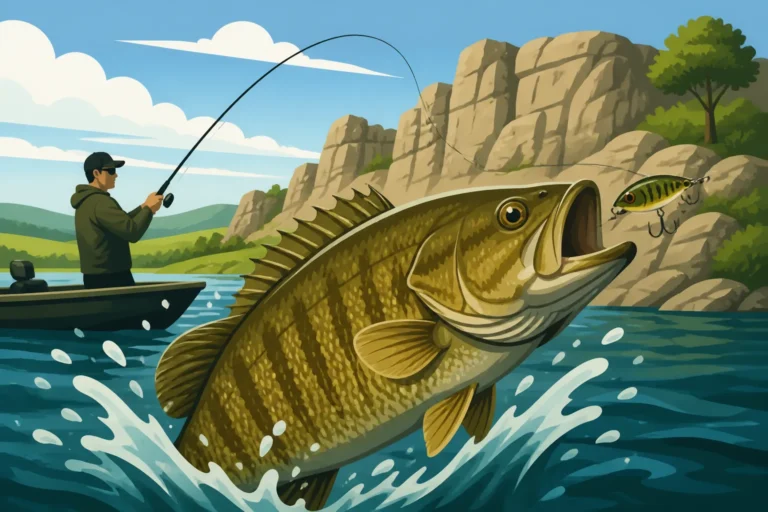
When you’re eyeing the shoreline near West Bend, pay close attention to the stretches of riprap and natural rocky banks. Smallmouth bass thrive in these environments for several critical reasons. Firstly, the rocks provide an incredible amount of cover and hiding spots for their primary forage: crayfish. These crustaceans are a staple in a smallmouth's diet, and where there are rocks, there are often crayfish. Secondly, the broken rock structure offers excellent ambush points. A smallmouth can sit patiently on the downside of a rock, out of the current, waiting for an unsuspecting baitfish or crayfish to swim by before darting out for a quick meal. Lastly, these rocky areas can absorb and retain heat from the sun, creating slightly warmer pockets of water during cooler periods, which can be a huge draw for bass, especially in the spring and fall. Think about the shoreline around the West Bend Recreation Area or along the islands within the river system; these are classic smallmouth havens. You'll often find these fish right up against the rocks in low light conditions, or slightly deeper on the ledges during bright, sunny days.
Current Seams and Submerged Structure
The Missouri River system is defined by its current, and smallmouth bass are experts at using it to their advantage. Near West Bend, the flow isn't always uniform. You’ll find current seams where faster water meets slower water, creating eddies and slack lines that are perfect for predatory fish. These seams act like natural conveyor belts, bringing food directly to the bass without them having to expend too much energy. Look for these seams around points, islands, and any man-made structures like old bridge pilings or wing dams.
Beyond the visible current, much of Lake Sharpe’s appeal lies beneath the surface. Submerged rock piles, old roadbeds, timber, and even subtle changes in bottom composition can all hold smallmouth. These hidden structures break up the current, provide cover, and often concentrate baitfish. Identifying these spots usually requires good electronics, but local knowledge, perhaps gleaned from a guided trip booked through a service like FishingBooker, can be equally invaluable. Pay attention to areas where the main river channel approaches a shallower flat, creating a distinct breakline or drop-off; these transitions are often highways for smallmouth moving between deep water sanctuary and shallower feeding grounds. Understanding South Dakota Fishing Depth Charts by Season can also give you clues on where to start looking.
Effective Techniques and Lures for West Bend Smallmouth
Catching smallmouth bass on Lake Sharpe near West Bend requires a bit of finesse and a willingness to adapt your presentation to the conditions. These aren't always the easiest fish to fool, but when you crack the code, the reward is well worth the effort.
Topwater and Jerkbait Strategies for Aggressive Bites
There’s nothing quite as exhilarating as a smallmouth exploding on a topwater lure. These aggressive bites are most common during low light conditions—early mornings, late evenings—or on overcast days when the fish are more willing to rise to the surface. Popular topwater baits include walk-the-dog style lures like a Heddon Super Spook Jr. or poppers that create a commotion on the surface. Focus on casting these around rocky points, shallow humps, and along riprap where bass might be patrolling. The key is to vary your retrieve, sometimes a fast walk, other times a slow pop-and-pause, to figure out what the fish prefer on any given day.
Jerkbaits, like a Rapala X-Rap or a Lucky Craft Pointer, are another phenomenal choice, especially when smallmouth are slightly deeper but still willing to chase. These lures mimic dying baitfish with their erratic darting action. The magic of a jerkbait often lies in the pause. Cast it out, reel it down a few cranks to get it to depth, then give it a series of jerks followed by a prolonged pause. Many strikes occur during that dead-stick moment when the lure is suspended in the water column. This technique is particularly effective in cooler water temperatures, especially in spring and fall, when smallmouth are still active but not always willing to commit to a fast-moving bait.
Bottom Contact Baits for Deeper Structure
When smallmouth are holding tight to structure or deeper in the water column, bottom contact baits become your best friend. Jigs are incredibly versatile; a simple ½ oz football head jig paired with a Yamamoto Senko or a tube bait can be deadly. These setups excel at mimicking crayfish or bottom-feeding baitfish. Cast your jig out, let it sink to the bottom, then use a slow drag, hop, or lift-and-drop retrieve. Feel for that subtle "tick" or added weight that signifies a bite. Vary your jig color based on water clarity—natural greens and browns for clear water, brighter colors like chartreuse for stained water.
Tube jigs are another classic smallmouth slayer, particularly effective for working rocky bottoms and pitching into submerged cover. Rigged on an internal jig head, a tube spirals and darts on the fall, often drawing strikes before it even hits the bottom. Once on the bottom, twitch it subtly to imitate a crayfish scurrying along. This bait is fantastic for fishing Smallmouth Bass Fishing Techniques for Rocky Shorelines. Don’t be afraid to experiment with soft plastic trailers on your jigs, such as a small creature bait or a grub, to add extra bulk and action. A Ned Rig, with its mushroom-shaped head and buoyant soft plastic, is also an absolute killer for finicky smallmouth, presenting a small, subtle meal that often triggers bites even on tough days.
Prime Fishing Spots and Access Points in the West Bend Area
Navigating Lake Sharpe for smallmouth bass means knowing where to launch your boat or where to find good bank access. The West Bend area is rich with options, offering various ways to get to the fish.
Key Bank Fishing Locations
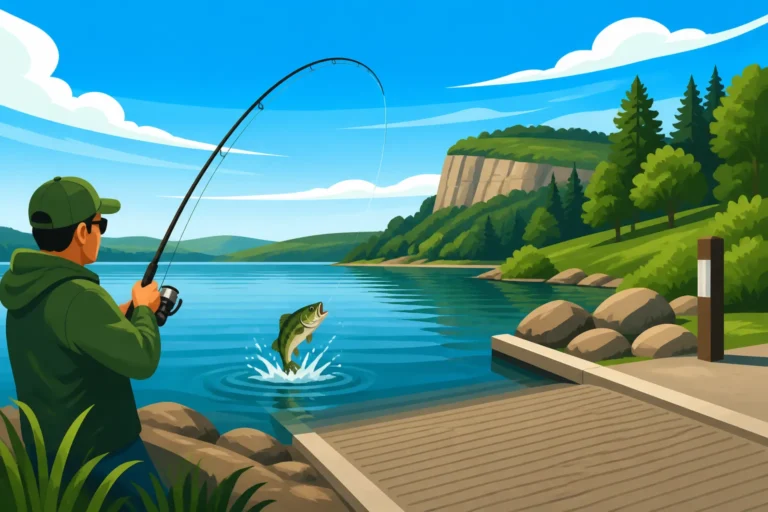
For anglers without a boat, or those who simply enjoy the tranquility of fishing from shore, the West Bend area offers some excellent opportunities. The most obvious, and often productive, spot is right around the West Bend Recreation Area itself. The riprap shoreline and the causeway leading out into the lake provide fantastic access. You can walk these areas, casting parallel to the bank or out to any visible structure. This is also a great spot for family outings, with plenty of amenities.
Further along the shoreline, away from the main recreation area, you might find less crowded spots, especially if you’re willing to hike a bit. Look for natural points and rocky outcroppings that extend into the water. These "fingers" of land often create current breaks and offer deeper water access closer to shore. Always be mindful of private property, but plenty of public access exists. Consider scouting these areas during lower water levels if possible, to get a better understanding of the underwater topography. Bank fishing can be incredibly rewarding here, especially during the spring and fall when smallmouth bass are more likely to cruise shallower water in search of food.
Productive Boating Zones and Access Points
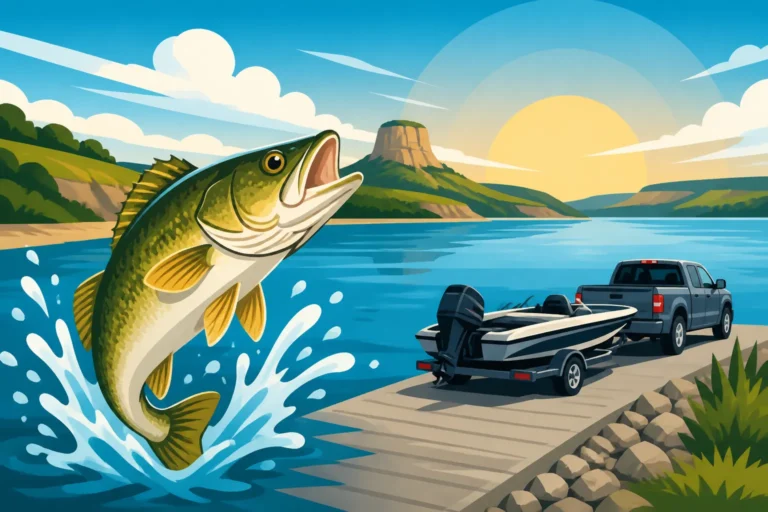
If you have a boat, the world of Lake Sharpe opens up dramatically. The West Bend Recreation Area features a well-maintained boat ramp, making it a convenient launch point. From here, you have direct access to some of the most productive smallmouth waters. Immediately outside the no-wake zones, start targeting the numerous rocky points and submerged humps that dot the main lake channel. These often extend far out into the lake, providing ample structure for bass.
Specific areas to focus on include the various islands and rock piles upstream and downstream of West Bend. While exact coordinates are often closely guarded secrets by local anglers, a good map and a quality fish finder will reveal many productive ledges, drop-offs, and submerged reefs. The main river channel, particularly where it makes bends or narrows, can also be fantastic, as current often scours out deeper holes and exposes rocky bottom that smallmouth love. Many anglers also find success fishing Lake Sharpe Smallmouth Bass Near Big Bend Dam, which is a short boat ride away and shares similar characteristics. If you're new to the area or short on time, booking a trip with a local guide is highly recommended. Many professional guides, often found through platforms like FishingBooker, specialize in smallmouth bass on Lake Sharpe and can quickly put you on fish, teaching you the intricacies of the local waters.
Seasonal Considerations for West Bend Smallmouth Success
Smallmouth bass behavior on Lake Sharpe changes significantly with the seasons, driven primarily by water temperature and spawning cycles. Understanding these shifts is crucial for consistent success.
Spring Pre-spawn and Spawn Tactics
Spring is often considered prime time for trophy smallmouth bass, and the West Bend area lights up with activity. As ice recedes and water temperatures climb into the 40s and 50s Fahrenheit, smallmouth begin to move from their deeper wintering holes into shallower, rockier areas to stage for the spawn. During the pre-spawn phase, they are often ravenously feeding to build energy. Focus your efforts on sun-exposed rocky banks, points, and shallow flats adjacent to deeper water. Jerkbaits, crankbaits, and swimbaits are excellent for covering water and triggering aggressive strikes from these hungry fish.
As water temperatures reach the high 50s and low 60s, the spawn kicks in, typically in late May or early June. Smallmouth will build nests in rocky, protected pockets in 2-10 feet of water. While sight-fishing for bedding bass can be effective, it’s often more ethical and productive to target pre-spawn and post-spawn fish. Post-spawn bass can be moody but will eventually resume feeding heavily to recover. This phase usually coincides with the excellent fishing often experienced during Pre-Spawn Bass Fishing Techniques
Summer Deep Water and Low Light Bites
Summer fishing on Lake Sharpe, especially near West Bend, requires a shift in strategy. As water temperatures rise into the 70s, smallmouth bass will often seek refuge in deeper, cooler water. Look for them on main lake points, submerged humps, and along the deep edges of the river channel, particularly near hard bottom features. This is where your electronics become essential for locating fish holding structure in 15-30 feet of water, or even deeper.
When the sun is high and bright, fishing deep with drop shots, Ned Rigs, or football jigs becomes highly effective. Slowly working these baits along the bottom can entice a strike from a less active smallmouth. However, don't overlook low light periods during summer. Early mornings, late evenings, and even cloudy days can bring smallmouth shallower to feed. Topwater baits and shallow-running crankbaits can be incredibly effective during these times, particularly around the riprap and rocky shorelines of West Bend. Keep an eye out for surface activity – schooling baitfish or bass chasing shad can indicate a prime feeding window.
Fall Aggression and Feeding Frenzies
Fall on Lake Sharpe brings cooler temperatures and an incredible smallmouth bite near West Bend. As water temperatures begin to drop from the 70s back into the 50s and 40s, smallmouth bass enter a "feeding frenzy" phase, aggressively gorging themselves to build up fat reserves for the coming winter. This is a fantastic time for both numbers and trophy-sized fish.
During the fall, smallmouth will often be found shallower than in summer, but still relating to structure. They’ll actively hunt baitfish, which are also schooling up. Crankbaits, jerkbaits, and spinnerbaits are all excellent choices for covering water and eliciting powerful strikes. Focus on rocky points, channel swings, and large flats where baitfish are congregating. The cooler water makes the fish more active and willing to chase. The key is to find the bait, and the smallmouth won't be far behind. Fall fishing can be as good, if not better, than spring for active fish. This is also a great time to implement South Dakota Fall Walleye Fishing Techniques as many of those patterns can overlap with aggressive smallmouth.
Here’s a quick overview of seasonal strategies for West Bend smallmouth:
| Season | Primary Water Temp Range | Key Lure Types | Preferred Habitat | Best Time of Day |
|---|---|---|---|---|
| Spring | 45-60°F | Jerkbaits, Crankbaits, Jigs | Shallow rocky points, riprap, spawning flats | Mid-morning, late afternoon |
| Summer | 70-80°F | Drop Shots, Ned Rigs, Topwater | Deep ledges, submerged humps, main channel breaks | Early morning, late evening |
| Fall | 50-65°F | Crankbaits, Jerkbaits, Spinnerbaits | Rocky points, channel swings, baitfish schools | All day |
| Winter | Below 40°F | Vertical Jigs, Blade Baits | Deep holes, main channel | Mid-day |
For those looking to deepen their understanding of Lake Sharpe, consider exploring resources on Lake Sharpe Fishing at West Bend Recreation Area, which offers additional insights into the broader fishing environment of the area. No matter the season, patience and adaptability are your greatest assets when targeting these incredible fish.
Disclaimer
Fishing conditions, regulations, and fish populations can change. Always consult the latest South Dakota Game, Fish and Parks regulations handbook before heading out. Safety should always be your top priority when on the water.