Can Tribal Members Fish Without a State License on Reservation Land?
Navigating the myriad rules and regulations surrounding fishing can be a real head-scratcher, and it gets even more complex when tribal lands enter the picture. Many anglers, especially those with tribal heritage or strong ties to South Dakota’s reservation communities, often find themselves asking: what are the real rules for fishing without a state license on reservation land? This guide aims to clear up that confusion and provide a comprehensive understanding of tribal fishing rights in the Mount Rushmore State.
Understanding Tribal Sovereignty and Fishing Rights
Before we dive into the specifics, it's crucial to grasp the fundamental concept of tribal sovereignty. Federally recognized Native American tribes in the United States possess a unique political status, operating as sovereign nations within their reservation boundaries. This inherent sovereignty grants them the authority to govern their own affairs, including the management of natural resources like fish and wildlife. It's not just a courtesy; it's a deeply rooted legal principle that has shaped interactions between tribal nations and state governments for centuries.
The Foundation of Tribal Jurisdiction
When we talk about tribal jurisdiction over fishing, we're talking about the tribe's inherent right to manage and regulate fishing activities within the borders of their reservation. This right often stems from treaties, federal statutes, and court decisions that affirm tribal authority. For tribal members, this means that fishing on their own reservation lands typically falls under the purview of their tribal government, not the state of South Dakota. They are generally subject to the fishing laws, seasons, and limits established by their tribal council or natural resources department, rather than those set by the South Dakota Game, Fish and Parks (GFP).
How This Differs from State Regulations
Think of it this way: when you're fishing on state-managed waters outside of a reservation, everyone, regardless of tribal affiliation, needs a South Dakota fishing license, unless they fall under specific exemptions like South Dakota Free Fishing Days or age-related waivers. The state dictates the rules, from South Dakota Walleye Limits to the types of bait you can use. However, on reservation lands, a tribal member typically operates under a completely different set of rules. Their right to fish on their ancestral lands is an exercise of their inherent sovereignty, distinct from state licensing requirements. This distinction is vital and often misunderstood by those unfamiliar with tribal law.
Fishing Without a State License for Tribal Members
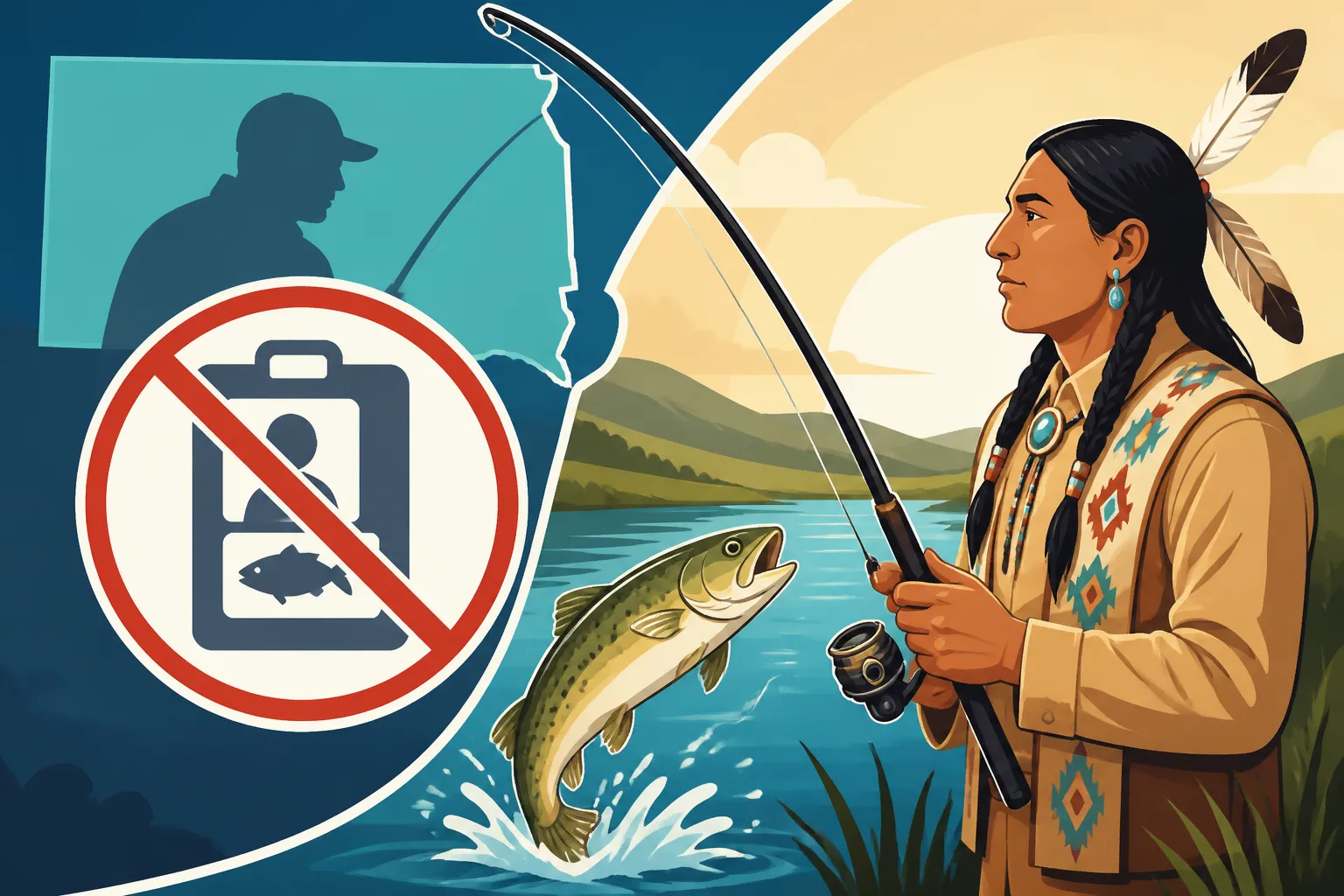
For enrolled members of a federally recognized tribe with reservation lands in South Dakota, the answer to the core question is generally "yes." Tribal members can typically fish without a state license on waters within their own tribe's reservation boundaries. However, this isn't a free-for-all; it comes with its own set of requirements and responsibilities unique to tribal governance.
Tribal Permits and Identification
While you might not need a state license, tribal members will almost certainly need to adhere to the regulations of their specific tribe. This often means obtaining a tribal fishing permit, license, or tag from their tribe's natural resources department. Think of it as your tribal license – it’s your permission slip from your own nation. Additionally, carrying your tribal identification card is paramount. It serves as proof of your enrollment and your right to exercise your tribal fishing privileges. It's always a good practice to have this on hand, much like a state angler would carry their South Dakota Fishing License Guide.
Rules Vary by Tribe
This is where it gets really important: South Dakota is home to several distinct tribal nations, and each tribe has the authority to establish its own fishing regulations. What's permissible on the Cheyenne River Sioux Reservation might be different from the rules on the Pine Ridge Indian Reservation, or the Standing Rock Sioux Reservation. These differences can include:
- Season Dates: When certain species can be harvested.
- Creel and Possession Limits: How many fish you can keep and how many you can have in your possession.
- Gear Restrictions: What types of bait, lures, or methods are allowed.
- Specific Waterbody Rules: Some lakes or rivers within a reservation might have unique rules, similar to how the state might have Belle Fourche Reservoir Special Walleye Rules.
Therefore, it is absolutely critical for tribal members to contact the natural resources department of their specific tribe to get the most accurate and up-to-date information on their fishing requirements before heading out. Don't assume the rules are the same across all reservations.
Fishing Off-Reservation or on Other Tribal Lands
It’s equally important to understand the boundaries of this exemption. If a tribal member chooses to fish on state-managed public waters outside of their reservation boundaries, they will need a South Dakota fishing license, just like any other angler. Similarly, if an enrolled member of one tribe wants to fish on the reservation lands of another tribe, they would likely need to obtain a fishing permit from that specific tribe, and potentially a state license if that tribe has an agreement or if the waters are considered co-managed. Always double-check! For those navigating the full scope of requirements, understanding the general South Dakota Fishing Regulations Explained is always a good baseline.
Navigating Specific South Dakota Tribal Lands
South Dakota is home to nine federally recognized tribal nations, each with its unique history, culture, and sovereign governance. The intricacies of fishing on these lands are a testament to their self-determination.
Understanding Individual Tribal Regulations
The diverse landscapes and waterways across South Dakota's reservations offer incredible fishing opportunities, but they also highlight the need for specific knowledge. For instance, the Cheyenne River Sioux Tribe manages a significant portion of Lake Oahe, a premier walleye fishery. Their natural resource department will have specific rules for tribal members fishing within their portion of the lake. Similarly, the Oglala Lakota Nation on the Pine Ridge Reservation, the Rosebud Sioux Tribe, or the Standing Rock Sioux Tribe (which straddles the North Dakota border) will each have their own departments dedicated to protecting and managing their aquatic resources.
When planning a fishing trip to reservation waters, a tribal member should prioritize reaching out to their tribe's Game, Fish, and Parks or Natural Resources Department. A simple phone call or a visit to their official website can provide the necessary details on permits, specific areas of access, and any current advisories. These departments are often invaluable resources for understanding local fish populations, conservation efforts, and the tribe's vision for sustainable fishing. Many tribes even have wardens who enforce these rules, just like the state has Game, Fish and Parks officers. If you're a tribal member, always make sure you have your tribal ID and any required tribal permits to avoid issues, as fishing without the proper documentation, even tribally issued, can still lead to consequences.
Resources for Tribal Anglers
Beyond direct contact with tribal departments, information can sometimes be found through other channels. Websites of tribal governments often publish their regulations, and sometimes even local sporting goods stores near reservations might have basic information or point you in the right direction. For general fishing knowledge, many anglers find resources on platforms like Amazon, whether it's for purchasing fishing books specific to the region or picking up reliable gear. Remember, being prepared means having the right information and the right tools.
Here’s a simplified breakdown of the general requirements:
| Angler Type | Fishing Location | State License Required? | Tribal Permit/ID Required? |
|---|---|---|---|
| Tribal Member | On Own Tribe's Reservation Land | No | Yes (Tribal Permit & ID) |
| Tribal Member | On Other Tribe's Reservation Land | Potentially (Check with that Tribe) | Yes (That Tribe's Permit & ID) |
| Tribal Member | On State-Managed Waters (Off-Res) | Yes | No |
| Non-Tribal Member | On Any Reservation Land | Yes (often in addition to tribal permit) | Yes (often a separate non-member tribal permit) |
| Non-Tribal Member | On State-Managed Waters (Off-Res) | Yes | No |
This table highlights the clear distinction and the need for tribal members to always refer to their tribe's specific rules for fishing on their reservation lands.
The Importance of Knowing the Specific Rules
The nuanced nature of fishing regulations on and off tribal lands underscores why it’s so important to be informed. It's not just about avoiding penalties; it's about respecting sovereignty, contributing to conservation, and ensuring a positive fishing experience for everyone.
Avoiding Misunderstandings and Penalties
Fishing without the correct authorization can lead to legal complications, regardless of your tribal affiliation. For tribal members fishing on their own reservation without the proper tribal permit, they could face enforcement actions from tribal game wardens. If a tribal member fishes on state waters without a state license, they are subject to South Dakota Fishing Without a License Penalties, which can include fines and loss of fishing privileges. The same applies if a non-tribal member fishes on reservation land without both the state and tribal permits when required. Ignorance of the law is rarely an acceptable excuse, so taking the time to confirm the rules is a vital step for any responsible angler.
Respecting Tribal Conservation Efforts
Tribal nations are deeply invested in the conservation of their natural resources. Many tribes have robust natural resource departments that conduct fish surveys, manage stocking programs, and enforce regulations designed to protect fish populations for future generations. When tribal members adhere to their tribe's specific fishing rules, they are directly supporting these crucial conservation efforts. It's a way to honor the land and the traditions of their people, ensuring that the waterways remain healthy and productive. For those interested in deeper conservation efforts, understanding the South Dakota Habitat Stamp Requirements for state licenses can also provide insight into how funding supports broader wildlife management.
Planning Your Trip Effectively
Knowing the specific rules well in advance allows for better trip planning. If you're a tribal member, confirming your tribe's regulations for South Dakota Tribal Land Fishing Permits means you can secure the necessary documentation without last-minute stress. You can also research what species are thriving under tribal management, whether it's excellent walleye opportunities on Lake Oahe or unique trout streams on other lands. This preparation helps you focus on what truly matters: enjoying the beauty and bounty of South Dakota’s waters. For those who frequently fish both on and off reservation lands, exploring options like Combination Hunting and Fishing Licenses through the state might also be a consideration, depending on individual circumstances and where the majority of their fishing occurs. And always remember, regardless of where you fish, a well-stocked tackle box is key, and you can find a huge variety of gear on Amazon, from specialized lures to durable fishing line.
Additional Considerations for Tribal Anglers
Beyond the basic licensing question, there are other points tribal members should keep in mind to ensure a smooth and enjoyable fishing experience.
Age and Specific Exemptions
Just like state regulations have age exemptions – for example, clarifying Do Kids Need a Fishing License in South Dakota? – tribal nations may also have their own policies regarding youth anglers. Some tribes might allow very young members to fish without a permit, while others may require it for all ages. It's another reason why checking directly with the tribe is the most reliable approach. These policies are often designed to encourage participation among younger generations while still instilling a sense of responsibility for resource management.
Reciprocity Agreements
While less common, some tribal nations might have specific reciprocity agreements with neighboring states or even with the South Dakota Game, Fish and Parks, particularly on large, shared bodies of water like the Missouri River reservoirs. These agreements are often complex and highly specific, outlining when and where state or tribal licenses might be mutually recognized or when additional permits are required. However, for the most part, the general rule of "tribal land, tribal rules for tribal members" holds true. Always inquire about any such agreements when contacting tribal authorities.
The Role of Enforcement
Both tribal game wardens and state GFP officers have roles in ensuring compliance with fishing regulations. Tribal wardens enforce tribal laws on reservation lands, while state GFP officers enforce state laws on public waters. Understanding their respective jurisdictions can prevent awkward encounters. When fishing on reservation lands as a tribal member with the proper tribal documentation, you are demonstrating respect for your tribe's sovereignty and legal framework. Conversely, if you're on state-managed waters, knowing the South Dakota Fishing License Age Requirements and carrying a valid state license is essential. Having appropriate gear, which can be easily sourced from retailers like Amazon, can also contribute to a smooth experience, as it shows you're prepared and serious about responsible angling.
Ultimately, for tribal members, fishing on their reservation lands without a state license is generally permissible, but it's not without its own set of rules. It’s a privilege and a right tied to tribal sovereignty, and with that comes the responsibility to understand and follow the specific regulations of your tribe. Always make that call, always carry your tribal ID and permit, and always fish with respect for the land and its traditions.
Disclaimer
The information provided in this guide is for general informational purposes only and is not intended as legal advice. Fishing regulations, particularly those concerning tribal lands and sovereignty, are complex and subject to change. Always consult the official South Dakota Game, Fish and Parks regulations and, critically, contact the specific tribal natural resources department for the most accurate and up-to-date information regarding fishing on tribal lands.