Best First Aid Kit for a Fishing Boat
There's nothing quite like the open water of a South Dakota lake or river, the sun on your face, and the anticipation of a tug on your line. But let's be real: even the most perfect fishing day can take an unexpected turn. A slipped fillet knife, a hook snagged in a finger, or a sudden allergic reaction can quickly ruin a trip and even put you in a tough spot miles from shore. This guide is all about helping you prepare for those "what if" moments, ensuring you have the best first aid kit on your fishing boat so you can handle minor mishaps and keep enjoying your time on the water.
Why a Specialized Boat First Aid Kit is Non-Negotiable
When you're out on the water, whether you're chasing walleye on Lake Oahe or trout in the Black Hills streams, you're often far from immediate medical help. A simple cut or scrape that might be a non-issue at home can become a serious problem if it gets infected or you can't stop the bleeding. That's why relying on a generic car kit or a few bandaids tossed into a ziplock bag just doesn't cut it. Your boat needs a first aid kit designed for its unique environment and the specific types of injuries anglers might face.
Understanding On-Water Risks
Think about the sheer number of sharp objects on a fishing boat: hooks, knives, filet tools, even the fins of a feisty northern pike. Then there are the environmental factors: slippery decks, strong currents, changing weather, and sun exposure. It's a recipe for unexpected cuts, punctures, sprains, burns, and other injuries. You might be focused on landing that trophy fish, but a moment of distraction can lead to a hook embedded deep, a nasty gash from a propeller, or a severe sunburn. Having a robust first aid kit on board isn't about being paranoid; it's about being responsible and ensuring you can address these common risks effectively and quickly, minimizing discomfort and preventing more serious complications.
Consider a scenario where you've successfully landed a beautiful walleye on Lake Sharpe, but as you're unhooking it, the fish gives a powerful flop, and a treble hook from your lure ends up buried in your hand. Panic might set in, especially if you're alone or with inexperienced friends. Without the right tools in your first aid kit – specialized pliers, antiseptic wipes, and sterile dressings – that situation can escalate from an inconvenience to a real emergency. Being prepared means you can calmly assess the situation and take immediate action, rather than trying to improvise with inadequate supplies.
The Difference Between Home and Boat Kits
A typical home first aid kit is great for scraped knees and minor burns in a controlled environment. But a boat kit needs to be far more resilient and contain items specific to the marine setting. For starters, everything needs to be waterproof. Saltwater, freshwater, spray, and humidity can quickly degrade bandages, medications, and sterile packaging. Your kit needs a sturdy, watertight container that can float, if possible. South Dakota Boat Safety Requirements often emphasize having safety gear, and a proper first aid kit is a critical part of that, going beyond just basic land-based necessities.
Furthermore, a boat kit often requires a wider range of supplies to handle more severe trauma. Imagine a fall on a rocky shore while bank fishing along the Missouri River; you might need more than just adhesive bandages. Stronger pain relievers, splinting materials for suspected fractures, and even more advanced wound closure options might be necessary until you can get to a clinic. The items you carry should reflect the potential for these more serious, remote-area injuries.
A boat kit should also include items that account for temperature extremes. Medications stored in a hot, humid cabin might lose their potency, and certain materials can become brittle in freezing winter conditions if you're venturing out for some South Dakota Ice Fishing Guide adventures. The quality and shelf-life of your supplies are paramount when you're reliant on them in potentially isolated areas. This isn't just about having a kit; it's about having the right kit that can withstand the elements and deliver effective care when it matters most.
Essential Components of Your South Dakota Fishing Boat First Aid Kit
Building out your first aid kit doesn't have to be overwhelming. You can start with a pre-packaged kit from a reputable outdoor retailer like Bass Pro Shops or check out options on Amazon, and then customize it to fit your specific needs and the types of fishing you do in South Dakota. The key is to think broadly about potential injuries and have the necessary items for immediate response.
Wound Care and Trauma Essentials
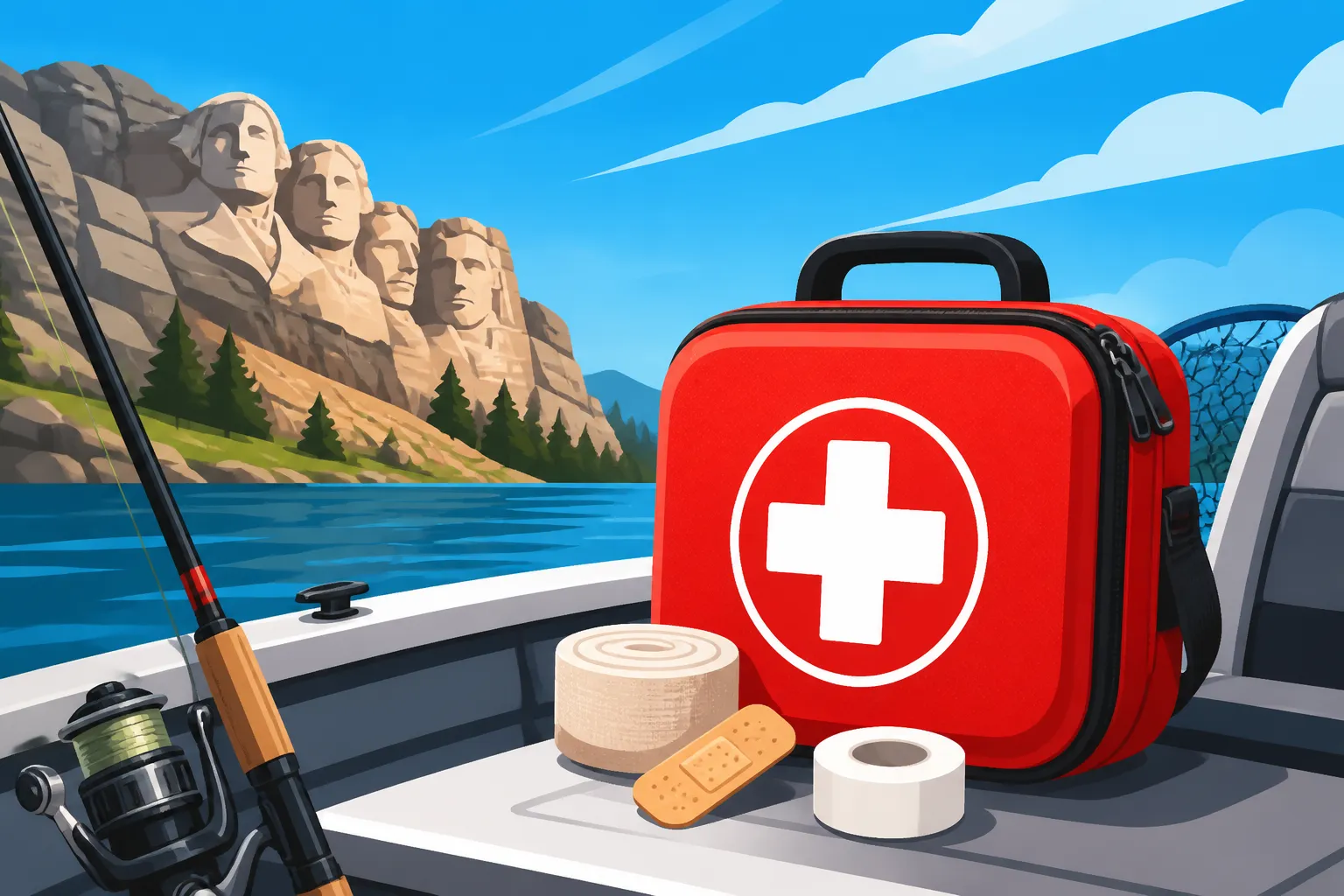
This is the backbone of any good first aid kit, especially for fishing where cuts and punctures are common. You'll want a variety of adhesive bandages in different sizes, from small finger strips to larger patches for scrapes. Sterile gauze pads are crucial for covering larger wounds and applying pressure to control bleeding. Make sure to include medical tape to secure dressings. Antiseptic wipes or a small bottle of antiseptic solution are vital for cleaning wounds and preventing infection, especially after contact with lake or river water.
Beyond the basics, think about more serious trauma. A roll of compression bandage or a sterile trauma dressing can be a lifesaesaver for heavy bleeding. For those inevitable hook incidents, a pair of hemostats or needle-nose pliers can be invaluable for removing embedded hooks (and always remember to cut the barbed end off if you can!). A small bottle of saline solution can be useful for flushing out eyes or irrigating wounds. Don't forget a few pairs of sterile gloves to protect both the injured person and the caregiver from potential contaminants. A good pair of scissors for cutting tape or gauze is also a must-have.
Here's a quick reference for basic wound care components:
| Item Category | Specific Items | Purpose |
|---|---|---|
| Bandages & Dressings | Adhesive bandages (various sizes) | Minor cuts, scrapes |
| Sterile gauze pads (4×4, 2×2 inches) | Wound covering, absorption | |
| Roller gauze / Kling bandage | Securing dressings, light compression | |
| Medical adhesive tape | Securing bandages | |
| Moleskin or blister pads | Preventing/treating blisters from wet socks/boots | |
| Antiseptics | Antiseptic wipes (e.g., alcohol prep pads, BZK wipes) | Cleaning minor wounds |
| Antiseptic solution (e.g., povidone-iodine, hydrogen peroxide) | More thorough wound cleaning | |
| Trauma Care | Sterile trauma dressing / ABD pad | Absorbing heavy bleeding |
| Compression bandage (e.g., Ace bandage) | Sprains, strains, heavy bleeding compression | |
| Triangular bandage | Sling, improvised splint | |
| Burn gel/cream | Minor burns from sun or hot engine parts | |
| Tools | Scissors (trauma shears preferred) | Cutting tape, clothing, gauze |
| Tweezers | Splinter removal, fine debris | |
| Hemostats/needle-nose pliers (small) | Hook removal (essential for anglers) | |
| Safety pins | Securing bandages, slings |
Medications and Allergy Relief
When you're out on the water, the nearest pharmacy might be hours away. Your kit needs over-the-counter medications for common ailments. Pain relievers like ibuprofen or acetaminophen are vital for headaches, minor aches, and pains that can crop up after a long day of casting or battling rough waves. Antihistamines are crucial, especially if anyone on board has known allergies to insect stings (wasps, mosquitoes are common in South Dakota) or certain plants. Even for non-allergic reactions, they can help with itchiness from bug bites or minor rashes.
Don't forget medications for digestive issues. An antacid for heartburn or indigestion, and anti-diarrhea medication can make a huge difference in comfort, especially if you're eating on the boat or trying new foods at a lakeside cafe. Motion sickness medication is another must-have for anyone prone to seasickness, particularly on larger bodies of water like Lake Oahe when the wind picks up. If anyone on your boat has severe allergies (like to bee stings), ensure they carry their prescribed epinephrine auto-injector, and know where it is and how to use it. This isn't just a suggestion; it could be a life-saving measure. Having readily accessible medications can prevent a minor discomfort from becoming a major issue, allowing you to continue your fishing adventure.
Personal Protective Equipment and Tools
Your first aid kit isn't just for treating injuries; it's also about preventing them and ensuring the safety of the person administering aid. Beyond sterile gloves, consider including a small bottle of hand sanitizer. Clean hands are the first line of defense against infection when treating wounds. A CPR face shield or barrier can be critically important if you ever need to perform rescue breathing. These compact devices are easy to store and offer a layer of protection.
Think about the environment: South Dakota sun can be brutal. A small tube of SPF 50+ sunscreen and some lip balm with SPF can prevent sunburns, which, if severe, are essentially first-degree burns. Insect repellent is also key, especially during prime fishing seasons when mosquitoes and biting flies are out in force. A multi-tool or a good utility knife can also be incredibly useful, not just for fishing tasks, but also for cutting away clothing around an injury or opening stubborn packaging. Don't underestimate the utility of a bright headlamp or small flashlight, especially if an emergency happens as dusk settles or you're fishing into the night. South Dakota Fishing Gear Checklist will also mention many of these items, highlighting their dual purpose for both general fishing and emergency preparedness.
Tailoring Your Kit for South Dakota Specifics
While a standard first aid kit is a great starting point, truly optimizing it for fishing in South Dakota means considering the unique challenges and common occurrences of our local waterways and environment. Our state offers such diverse fishing experiences, from the vast Missouri River reservoirs to the high-country streams of the Black Hills, and each presents its own set of potential hazards.
Addressing Common South Dakota Fishing Injuries
Beyond the universal fishing injuries like hook punctures and knife cuts, South Dakota anglers face specific challenges. Sunburn and heat exhaustion are very real threats during hot summer days on large, exposed lakes like Lewis and Clark Lake. Your kit should include items to address these: aloe vera gel or a dedicated burn cream for severe sunburns, and oral rehydration salts for heat exhaustion. These little packets can quickly replenish electrolytes and prevent more serious dehydration. Remember that even on cooler days, UV rays reflect strongly off the water, so sunscreen is always a good idea.
Another common issue is insect bites. Mosquitoes, gnats, and even ticks can be abundant along shorelines and in wooded areas. An anti-itch cream (like hydrocortisone) or antihistamine cream can provide relief from irritating bites. For tick removal, a pair of fine-tipped tweezers is essential – grabbing the tick as close to the skin as possible and pulling steadily upwards. If you're wading in rocky streams for trout, a twisted ankle or sprain is a possibility, so an elastic compression bandage (like an Ace bandage) and instant cold packs are invaluable. These small, squeeze-to-activate packs don't require refrigeration and can provide immediate relief and reduce swelling until you can get back to shore.
Seasonal Considerations and Environmental Factors
The South Dakota fishing season can vary wildly from ice-out to deep winter. Your first aid kit needs to adapt. During colder months, especially if you're ice fishing or late-fall angling on the Missouri River, hypothermia is a serious concern. Include emergency Mylar blankets or even a small, compact bivvy sack that can provide critical warmth. Hand and foot warmers can also be a comfort, and sometimes even prevent minor frostnip. Consider adding a small, waterproof whistle to your kit; it's a simple signaling device that can attract attention if you're in distress, particularly when visibility is low or in remote areas.
Conversely, in the heat of summer, dehydration is the bigger risk. Beyond water, having electrolyte packets or chews can be a game-changer. Bug spray becomes more critical, and a small, foldable brimmed hat or neck gaiter can offer extra sun protection if someone on board forgets theirs. The fluctuating weather in South Dakota also means you should always have Best Rain Gear for South Dakota Fishing Trips on board, but also remember that prolonged exposure to wet clothes can lead to chilling, even in mild temperatures. Think about how the elements interact with potential injuries and pack accordingly.
Maintaining and Storing Your Boat's First Aid Kit
Having the best first aid kit is only half the battle; ensuring it’s ready when you need it and easily accessible is just as important. A kit packed away in a tackle box under a pile of gear isn't much good in an emergency. Proper storage and regular checks are key to its effectiveness and longevity.
Regular Checks and Replenishment
Just like you check your boat's oil and your fishing lines for nicks, your first aid kit needs routine inspection. Make it a habit to check your kit at the beginning of each fishing season, and then periodically throughout the year, perhaps before a big trip to Lake Oahe Fishing Guide or a long weekend on Lake Francis Case. The most common issue is expired medications. Pain relievers, antihistamines, and antiseptic solutions all have shelf lives. Replace anything that's past its date to ensure it's effective when you need it.
Beyond expiration dates, check the integrity of packaging. Bandages can lose their stickiness if exposed to moisture, and sterile wrappers can tear, compromising the sterility of the contents. Replenish any items that have been used, even if it was just a single bandage for a small cut. It's frustrating to open your kit in an emergency only to find you're missing a critical item. Keep a small list of contents inside the kit or on your phone so you know exactly what should be there. This proactive approach ensures your kit is always in prime condition. You can easily find replenishment items at local sporting goods stores, drugstores, or online retailers like Amazon and Bass Pro Shops.
Proper Storage for Longevity and Accessibility
Where you store your first aid kit on your boat is critical. It needs to be easily accessible by anyone on board, not just the captain. Avoid stashing it deep in a locker where you have to move tackle boxes and life jackets to get to it. A designated, clearly marked spot is ideal. Many anglers opt for a spot near the helm, or in a prominent storage compartment that's easy to reach from multiple points on the boat.
The container itself is paramount. It should be robust, waterproof, and preferably floatable. Hard-sided cases with rubber gaskets are excellent for keeping moisture out. If your boat doesn't offer a dry storage compartment, consider a marine-grade dry bag for additional protection, especially for fabric items and medications. Protect your kit from extreme temperatures. While some exposure to the elements is unavoidable on a boat, try to keep it out of direct, prolonged sunlight to prevent medications from degrading and plastics from becoming brittle. A cooler might sound like a good idea for temperature control, but then it's not readily identifiable as a first aid kit. Find a balance between accessibility, protection from the elements, and temperature moderation. Having a well-maintained and properly stored kit means you're truly prepared for whatever the South Dakota waters throw your way.
Disclaimer
This article is for general informational purposes only and does not constitute professional advice. Laws, prices and regulations vary by location and change over time. Consult a qualified professional for guidance on your specific situation.