Best Boat Ramp Etiquette Tips
There’s nothing quite like the excitement of a morning spent on South Dakota’s incredible waters, whether you're chasing walleye on Lake Oahe or trout in a Black Hills stream. But that feeling can quickly sour if you start your day wrestling with frustration at a busy boat ramp. We've all been there: tangled lines, forgotten drain plugs, impatient glares, and the distinct feeling of holding up the show. This guide is here to help you navigate those sometimes-stressful boat ramp scenarios, ensuring a smooth, respectful, and efficient launch and retrieval for everyone.
The Golden Rule: Preparation is Your Best Friend
Boat ramp etiquette really boils down to one simple principle: be prepared. Ramps, especially popular ones on a beautiful South Dakota weekend, are not the place to start figuring things out. Think of it like a well-oiled machine; every part needs to be ready to go when it hits the water. A little bit of planning before you even get in line can save you and everyone else a lot of headaches.
Pre-Ramp Checklist: Don't Rush the Essentials
Before your tires even touch the inclined concrete of the ramp, you should have a meticulous mental (or even physical) checklist. This isn't just about speed; it's about safety and courtesy. The moment you pull into the staging area, it's go-time for these critical steps.
First and foremost, your drain plug. We've all seen, or maybe even been, that person who launches their boat only to realize water is pouring in. It's a classic rookie mistake, but it still happens to seasoned anglers too! Double-check that plug. Another common issue is ensuring all your gear is securely stowed. Fishing rods, tackle boxes, coolers, life jackets – everything should be organized and secured. Imagine hitting a bump on the way to the water and having your prized Best Fishing Rods and Reels for Walleye go flying. Not ideal. Many anglers keep a dedicated "ramp box" with these essentials that's easy to access and check.
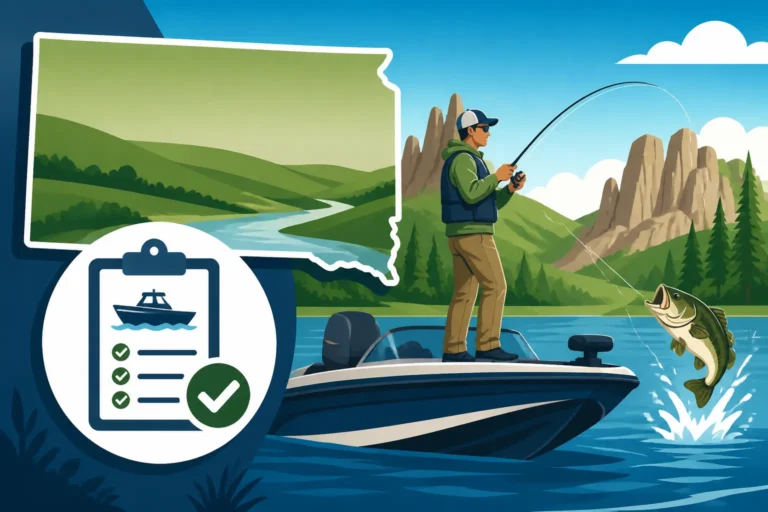
Then, there's the boat itself. Take off your transom saver, disconnect your trailer lights, and make sure your safety chains are undone. Are your ropes ready to grab easily once the boat is off the trailer? Is your motor trimmed up or down as needed for the launch? Having your bow and stern lines laid out neatly, ready to be grabbed, prevents fumbling. It’s also a good idea to check your South Dakota Boat Safety Equipment Requirements like paddles and throwable devices are within reach, just in case.
Staging Area Strategy: Your Temporary Workshop
The staging area, often just a parking lot space or pull-off adjacent to the ramp, is your designated pre-launch workshop. This is where all the final touches happen, far away from the busy ramp itself. It's where you secure your tackle, load coolers, make sure your livewell is ready, and generally get everything in order.
Think about it: the line of vehicles waiting to launch can get pretty long, especially at popular spots like those found along the Missouri River. If you're tying down gear or rummaging for your keys while your trailer is halfway down the ramp, you're not just wasting your time, you're costing everyone else their valuable fishing time too. This is also the moment to get your South Dakota Fishing License Guide and any necessary permits, like tribal land fishing permits, easily accessible. Some anglers even use this time to attach their first lure or set up their depth finder. The goal is that when it's your turn to back down the ramp, the only thing left to do is unhook the boat and push off.
On the Ramp: The Art of the Quick Launch
When your turn comes, it’s showtime. This is where all that diligent preparation pays off. The goal here is efficiency and smooth execution. Think of it as a choreographed dance between the driver and whoever is assisting on the boat.
Backing Down: Practice Makes Perfect
Backing a trailer, especially a long one, can be daunting for newcomers. The key is to practice in an empty parking lot before you hit a busy public ramp. Learn how your rig handles. Small, controlled adjustments to the steering wheel are always better than big, jerky movements. Use your mirrors, and if you have a spotter, communicate clearly with hand signals. A good spotter can guide you straight, tell you when to stop, and indicate if you're getting too close to the edge.
It’s crucial to back down in one smooth, continuous motion as much as possible. If you start, stop, correct, and repeat multiple times, you're essentially doubling or tripling the time you spend on the ramp. Don't be afraid to take your time, but aim for precision. Remember, everyone started somewhere, but showing you've put in the effort to learn goes a long way.
Unloading and Launching: Teamwork Makes the Dream Work
Once your boat is in the water to the right depth – usually where the propeller is submerged and the boat can float freely from the trailer – it’s time to unhook. If you have a partner, this is their moment to shine. They should be able to quickly detach the bow line and, if safe, push the boat away from the trailer, moving it to a nearby dock or shore where it won't impede others.
The driver's job is equally critical: once the boat is free, immediately pull the truck and trailer off the ramp and park it. Do not linger. Do not wait for your partner to completely dock the boat. Get that rig out of the way. This is particularly important at multi-lane ramps or at high-traffic areas like the Lake Sharpe Fishing at West Bend Recreation Area boat ramp where every minute counts. Having your partner handle the boat while you park is the most efficient way to clear the ramp.
After Launch: Clearing the Way and Parking Smart
Congratulations, you’re on the water! But your ramp etiquette responsibilities aren’t quite over. How you move your boat and where you park your vehicle can still impact the experience of others.
Moving Your Boat: Don't Be a Dock Hog
Once your boat is launched, immediately move it away from the ramp area. If there's a courtesy dock, pull up, tie off, and allow your partner to board and load any last-minute items. But remember, courtesy docks are for temporary loading and unloading, not for extended rigging, eating breakfast, or socializing. A good rule of thumb: if someone else is waiting to use the dock, you’ve been there too long. If there’s no dock, simply motor a short distance away from the ramp and wait for your partner to join you.
This also means not idling unnecessarily in the immediate vicinity of the ramp. The prop wash can disturb other boats trying to launch or retrieve, and the noise isn't appreciated by those still trying to get on the water. Be mindful of others and move to a less congested area as quickly as possible.
Parking Your Rig: Respect the Space
Once your boat is clear, the driver needs to park the truck and trailer in a designated spot. Don't park in non-designated areas, block other vehicles or access points, or take up multiple spaces if you can avoid it. Many ramps at South Dakota State Parks or Game, Fish and Parks areas have specific trailer parking lots. These are designed to accommodate large rigs, so use them!
If the parking lot is full, that’s a real bummer, but it’s still your responsibility to park legally and safely, even if it means waiting for a spot or seeking alternative parking. Never park in a way that creates a hazard or makes it difficult for other vehicles, especially emergency vehicles, to maneuver. Consider using some organizational bins from a place like Bass Pro Shops in your truck or car so everything is put away efficiently when you park.
Retrieval: The Reverse Playbook
Just like launching, retrieving your boat requires preparation, precision, and patience. The same principles apply, but with a few minor twists. It’s all about getting your boat back on the trailer and out of the way as quickly and safely as possible.
Pre-Retrieval Staging: Get Ready to Load
Before you even pull your boat up to the ramp, ensure everything inside the boat is secured. All your rods should be stowed, coolers closed, and loose items put away. This prevents things from shifting and potentially falling out as you drive up the ramp and onto the trailer. If you were ice fishing earlier in the season and forgot your Ice Fishing Gear Basics for Beginners, you'd know how messy loose gear can get!
This is also the time to raise your motor. Nothing grinds a boat owner's gears more than seeing someone power their boat onto the trailer with the motor down, potentially damaging the prop or the ramp itself. Trim that motor up and make sure it’s clear. If you have a partner, have them ready to help guide the boat onto the trailer and secure it quickly.
Backing onto the Trailer: A Smooth Ascent
When it's your turn to retrieve, the driver should back the trailer down the ramp to the appropriate depth. This is typically just deep enough for the boat to float onto the bunks or rollers easily. Too deep, and the boat might float over the trailer; too shallow, and you'll struggle to get it on. With a spotter, clear communication is essential.
The person in the boat should then skillfully motor or winch the boat onto the trailer. Aim for a straight approach. If you’re motoring, use just enough power to guide the boat into place. Once it's centered and fully on the bunks, the driver can slowly pull forward. The person in the boat should quickly attach the bow strap or winch line. Once the boat is secured, but before you drive off the ramp, put your drain plug back in if it was removed for the day.
Final Securing and Departure: Don't Dawdle
As soon as the boat is out of the water and secured to the trailer, pull forward and off the main ramp area. Don't stop at the top of the ramp to finish strapping down your boat or putting away gear. Again, this is where the staging area comes in handy. Move your rig to a parking spot or designated pull-off area to complete your post-retrieval checklist.
This is the time to attach your transom saver, hook up your trailer lights, and ensure all your gear is double-checked and tied down for the drive home. If you're going a long distance, a quick walk-around of your boat and trailer to check tires and tie-downs is always a smart move. Having a spare tire and a jack in good working order, perhaps sourced from Amazon, is always a good idea, too, especially if you're traveling to a remote location to fish.
Common Boat Ramp Annoyances and How to Avoid Them
Even with the best intentions, things can go sideways at the ramp. Being aware of common annoyances can help you avoid being "that guy" and contribute to a smoother experience for everyone.
The "Stare and Glare" vs. Offering Help
We've all seen the frustrated angler waiting, sometimes with arms crossed, as someone struggles at the ramp. While it’s tempting to just stare and glare, sometimes offering a simple, polite hand can make a world of difference. If you see someone truly struggling with backing down or getting their boat on the trailer, a quick "Need a hand with that, neighbor?" can often defuse tension. Just be sure to offer help, not unsolicited advice, unless asked.
However, don't feel obligated to do someone else's entire launch or retrieval for them. Your primary responsibility is to handle your own rig efficiently. If someone is being consistently inconsiderate, a polite word to a South Dakota Game, Fish and Parks officer, if one is present, might be appropriate, but generally, patience and leading by example are the best approaches.
Power Loading: When Less is More
Power loading, or using your boat's motor to force it onto the trailer, is a hot-button issue. While it might seem faster, it can cause significant damage to the ramp by eroding the bottom, creating deep holes where trailers drop off unexpectedly. This makes it harder and more dangerous for everyone else to launch and retrieve. Many ramps even have signs prohibiting power loading.
The best practice is to gently motor or winch your boat onto the trailer. If you find yourself needing to power load frequently, your trailer might not be set up correctly for your boat, or you might be backing down too shallow. Take some time to adjust your trailer bunks or rollers, or practice in a less crowded area to find the right depth for your setup.
The Lone Angler Dilemma
Fishing solo is a joy, but it presents unique challenges at a boat ramp. Without a partner, you’re doing double duty. This makes preparation even more critical. If you’re launching solo, have your bow line tied to a cleat and ready to grab. Once the boat is floating, tie it to a dock post or shore stake (if available and safe) while you go park your vehicle. Don't leave your boat drifting freely, potentially hitting other boats or the ramp structure.
For retrieval, back your trailer in, then use your bow line to guide the boat onto the trailer. It takes practice, but it's entirely doable with a bit of planning. Just accept that it will naturally take a little longer than with a partner, and try to launch and retrieve during less busy times if possible.
Quick Reference: Boat Ramp Etiquette Checklist
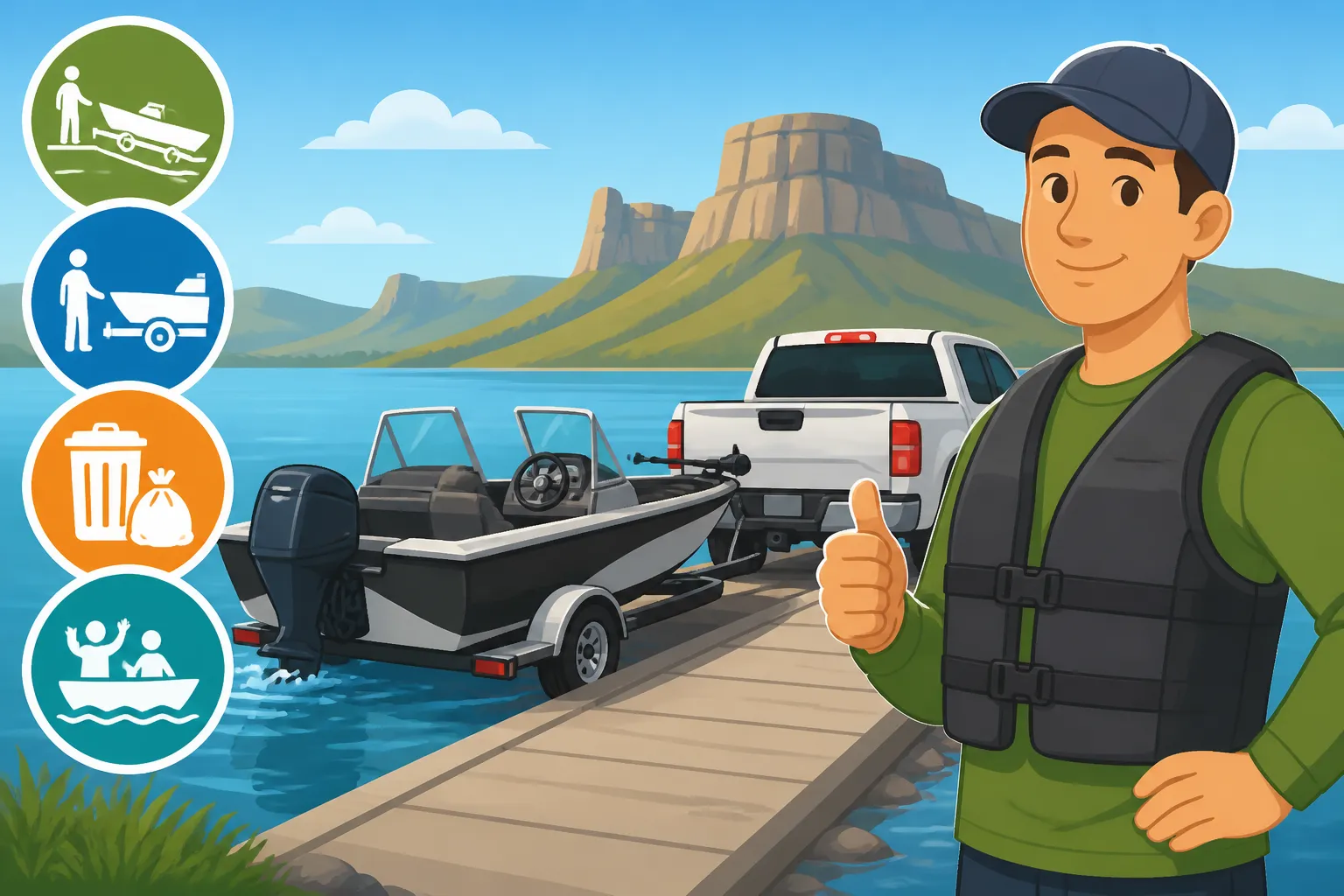
Here's a handy checklist to keep in mind for every trip to the ramp. It's a quick summary of the steps that make you a ramp champion!
| Task Category | Action Before Getting in Line (Staging Area) | Action On the Ramp (Launch/Retrieve) | Action After Clearing the Ramp (Parking/Docking) |
|---|---|---|---|
| Boat Prep | |||
| Drain Plug | Inserted (Launch) / Removed (Retrieve) | Confirmed | Inserted (Retrieve) / Removed (Launch) |
| Gear | Secure, stowed, accessible | Confirmed secure | Final tie-downs, organize in truck |
| Motor | Trimmed up (shallow launch) | Trimmed appropriately | Trimmed up for travel |
| Lines | Bow/stern lines ready & untangled | Used efficiently to guide/secure boat | Stowed |
| Trailer Prep | |||
| Lights | Disconnected | N/A | Connected (for travel) |
| Chains/Straps | Disconnected (except winch strap) | Unhooked boat | Reconnected (transom saver, safety chains) |
| Launch/Retrieve Flow | |||
| Communication | N/A | Clear signals with spotter | N/A |
| Speed | N/A | Efficient, continuous motion | N/A |
| Parking | N/A | Driver parks immediately | In designated spot, not blocking access |
| Dock Usage | N/A | Move boat quickly off ramp | Temporary use only, don't hog dock |
| General Etiquette | |||
| Patience | Essential | Essential | Essential |
| Awareness | Observe surroundings | Be aware of other users' needs | Be aware of other users' needs |
| Power Loading | Avoid | Avoid | N/A |
By following these simple guidelines, you're not just being a good angler; you're helping foster a more enjoyable, less stressful environment for everyone who loves to fish the beautiful waters of South Dakota. Happy boating!
Disclaimer
This article is for general informational purposes only and does not constitute professional advice. Laws, prices and regulations vary by location and change over time. Consult a qualified professional for guidance on your specific situation.