Catfish Limits and Size Rules
There's nothing quite like the thrill of feeling a hefty catfish tugging on your line, but the excitement can quickly turn to confusion if you're not absolutely sure about the rules for keeping your catch. Many anglers, new and experienced alike, grapple with understanding the specific daily and possession limits, not to mention those sometimes tricky size restrictions that vary by species and even by water body. This guide is here to untangle the complexities of South Dakota's catfish limits and size rules, ensuring you can enjoy your time on the water with confidence and stay well within the law.
Understanding South Dakota's Catfish Regulations
Navigating fishing regulations can feel like deciphering a complex legal document, but when it comes to catfish in South Dakota, understanding the rules is crucial for both conservation and avoiding hefty fines. The South Dakota Game, Fish and Parks (GFP) sets these guidelines to ensure healthy fish populations for generations of anglers to enjoy. It’s not just about what you catch, but how many, and sometimes, how big they are.
Why Catfish Limits Exist
You might wonder why we even have these rules in the first place. Isn't fishing just about enjoying nature? Well, yes, but it's also about managing a precious resource. Catfish, particularly channel catfish, are incredibly popular sport fish in South Dakota, found in everything from the mighty Missouri River system to smaller lakes and ponds across the state. Without limits, there's a real risk of overfishing, which could severely deplete populations. Think about it: if everyone kept every catfish they caught, regardless of size or number, it wouldn't take long for the fish to become scarce.
These limits are designed to strike a balance. They allow anglers to harvest fish for personal consumption while protecting the breeding stock and ensuring there are enough fish left in the water to reproduce and sustain the population. It’s a way of practicing responsible stewardship, making sure that the excellent catfishing opportunities South Dakota offers remain vibrant for years to come. The goal is to prevent what fisheries biologists call "recruitment overfishing," where too many adult fish are removed, leaving too few to successfully spawn and produce the next generation. It’s a careful dance between angler enjoyment and ecological sustainability.
General Statewide Daily and Possession Limits
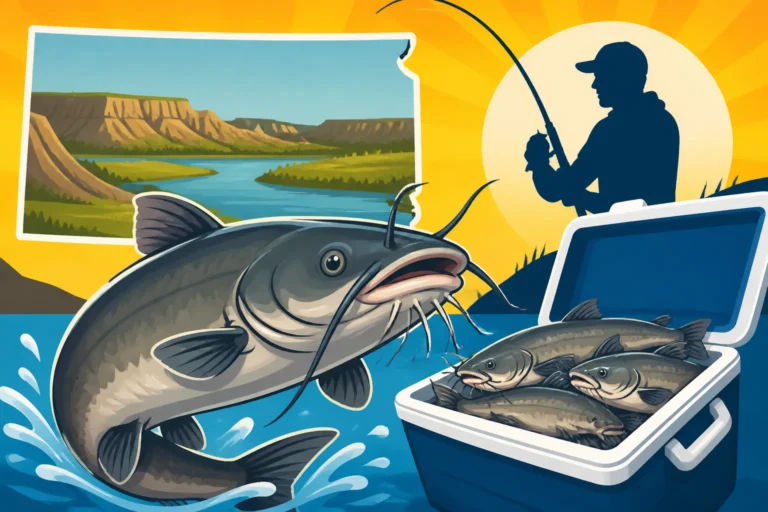
When you're out on the water, the first thing you need to know are the general statewide rules, as these apply to most waters unless specifically stated otherwise. For the majority of South Dakota's waters, the daily limit for channel and flathead catfish combined is a generous 10 fish. This means that in any 24-hour period, you can't keep more than 10 catfish in total, regardless of whether they are channel cats, flatheads, or a mix of both.
The possession limit, however, is often where people get tripped up. The statewide possession limit for catfish is 20. This means you cannot have more than 20 catfish in your possession at any given time, whether they are fresh, frozen, or processed. So, if you've been on a multi-day fishing trip or have kept several limits from previous outings, you need to be mindful of this total. It's designed to prevent people from stockpiling large quantities of fish, which could indirectly contribute to overharvest. Always check the current South Dakota Fishing Regulations Explained or the official GFP handbook for any updates, as regulations can sometimes change from year to year. Keeping these numbers straight is key to a worry-free fishing experience.
Differentiating Channel Catfish and Flathead Catfish for Regulations
While the statewide daily and possession limits for channel catfish and flathead catfish are often combined, understanding the differences between these two species is incredibly important. Not only do they behave differently and prefer different habitats, but there are certain waters where specific regulations might apply to one species but not the other. Knowing your catch isn't just for bragging rights; it's a critical part of compliance.
Channel catfish are by far the most widespread and commonly caught catfish in South Dakota. They have a deeply forked tail, a relatively slender body, and usually have scattered black spots, especially when younger. Their mouths are smaller, and their heads are more pointed. Flathead catfish, on the other hand, are a different beast entirely. They have a flattened head (hence the name), a noticeably wider mouth, and a squared-off or slightly notched tail, never deeply forked. Their bodies are more mottled, with irregular brown and yellow patterns, and they generally grow to much larger sizes. If you're struggling with identification, the Channel Catfish vs Flathead Catfish guide can provide more detailed visual cues. Being able to tell them apart on the spot is a skill every responsible angler needs to cultivate, especially if you encounter a water body with species-specific rules. When in doubt, it’s always better to err on the side of caution or consult your South Dakota GFP Fishing Handbook Guide.
Specific Catfish Size Restrictions and Special Rules
While statewide limits are a good starting point, South Dakota also implements specific size restrictions and special rules for catfish in certain areas. These localized regulations are often put in place to address unique population dynamics or conservation goals within particular bodies of water. Ignoring these nuanced rules could lead to unintended violations, so paying close attention to them is paramount.
Length Limits and Protected Slots
Unlike some other fish species where minimum length limits are common, statewide length limits for channel catfish and flathead catfish are not typically in place across all South Dakota waters. For most areas, if a catfish meets the general daily and possession limits, its length isn't usually a factor. However, this isn't always the case, and exceptions can pop up in specific lakes or river stretches where fisheries managers are trying to achieve particular goals, such as fostering trophy fish or protecting a certain age class.
A "protected slot limit" is another tool sometimes used in fisheries management. While not currently widespread for catfish in South Dakota, it's a concept worth understanding. A slot limit means you can keep fish below a certain size and above another size, but fish within a specified length range must be immediately released. For example, if there were a 15-20 inch slot, you could keep fish under 15 inches and over 20 inches, but any catfish between 15 and 20 inches would have to go back. This is often done to protect prime spawning-aged fish, allowing them to reproduce and grow, thus enhancing the overall quality of the fishery. Always check the specific regulations for the body of water you're fishing. The South Dakota Fish Limits and Size Restrictions resource is excellent for checking these details.
Trophy Catfish Considerations
South Dakota is home to some truly massive catfish, particularly flatheads in the Missouri River system and large channel cats in various lakes. Many anglers dream of catching a trophy-sized catfish, and the state even has a South Dakota Trophy Fish Award Program for those truly exceptional catches. When you hook into one of these giants, responsible angling takes on another dimension. While it's tempting to keep a monster fish, consider the long-term impact. The largest fish are often the oldest and most successful breeders, contributing significantly to the genetic strength of the population.
For many dedicated trophy anglers, the goal is the catch, photo, and release. Releasing these big breeders allows them to continue their vital role in the ecosystem. If you do decide to harvest a particularly large fish, ensure you're still within your possession limits. Also, remember that handling these large fish properly is crucial for their survival if you plan to release them. Minimizing their time out of water, supporting their body weight, and using appropriate tools like a large net can make all the difference. While there isn't a specific "trophy catfish limit" beyond the general possession limits, practicing selective harvest and releasing big fish is a personal choice that contributes to better fishing for everyone.
Special Water Body Regulations for Catfish
This is where things can get a little tricky, as South Dakota has numerous lakes, rivers, and reservoirs, and some of them have regulations that deviate from the statewide norm. These special rules are usually enacted when a particular body of water has unique characteristics, faces specific management challenges, or is part of an experimental program. For instance, a small urban fishing pond might have more restrictive limits to ensure it doesn't get fished out too quickly, or a section of the Missouri River might have different rules if it's experiencing specific population pressures.
The key takeaway here is: always check the specific regulations for the exact water body you plan to fish. Don't assume that just because you know the statewide limits, you're covered everywhere. The South Dakota GFP publishes a comprehensive annual fishing handbook, which you can often find at local bait shops, GFP offices, or download directly from their website. This handbook details any deviations from the general rules. For example, some tribal lands in South Dakota have their own fishing regulations, requiring separate permits in addition to a state license. Being aware of these localized rules is an essential part of being a prepared and responsible angler.
Common Misconceptions and Compliance Tips
Even with the best intentions, it's easy to fall into traps of misunderstanding when it comes to fishing regulations. Misconceptions abound, and ignorance of the law is never a valid defense. Let's clear up some common areas of confusion and provide practical tips to ensure you stay compliant and enjoy your fishing experience without any worries.
Identifying Your Catch to Avoid Violations
One of the biggest pitfalls for anglers, especially those new to different species, is misidentification. We touched on the difference between channel and flathead catfish earlier, but it's worth reiterating: if specific rules apply to one species and not the other in a particular water body, mistaking them could lead to a violation. For instance, if a lake had a slot limit specifically for flatheads but not channel cats, an incorrect ID could mean keeping a fish you shouldn't, or releasing one you could have legally kept.
Beyond species identification, accurately measuring your fish is crucial if length limits are in play. Always use a reliable measuring device, like a bump board or a flexible tape measure. Lay the fish flat, with its mouth closed and touching the 'bump' (the end of the measuring device), and measure to the tip of the tail. Don't eyeball it! When purchasing measuring devices, you can find a wide variety of options on platforms like Amazon that offer different materials and lengths to suit your needs. Remember, a conservation officer's measurement is the one that counts, so be precise. If you're unsure about the identity of a fish, it's always safest to release it, or consult a detailed guide like How to Tell a Channel Catfish From a Flathead Catfish.
Keeping Track of Your Limits
It sounds simple, but keeping an accurate count of your daily catch and your total possession is often where anglers slip up, especially on multi-day trips or when fishing with multiple people. It's easy to lose track when the bite is hot or after a long day on the water. Here are a few practical tips to stay organized:
- Designated Cooler: If you're fishing with a group, ensure each angler knows their individual daily limit and that fish are kept separate or clearly marked for each person. For possession limits, a good practice is to have a dedicated cooler for fish that will be immediately processed, and another for fish that are part of your possession limit at home.
- Physical Tally: Use a simple method like a waterproof notepad and pencil, a clicker counter, or even a system of removing a certain number of coins from your pocket for each fish kept.
- Fish Fillet Bags: When you clean your fish, package them in clearly labeled bags indicating the date caught, species, and who caught them. This is especially important if multiple anglers contribute to a single freezer. This also makes it easier to track your overall South Dakota Fish Limits and Size Restrictions.
These small habits can prevent an honest mistake from turning into a costly violation. Conservation officers regularly check coolers and freezers, and having your ducks in a row demonstrates responsible angling.
The Importance of a Valid Fishing License
Before you even worry about catfish limits or sizes, the most fundamental rule is having a valid South Dakota fishing license. It sounds obvious, but you'd be surprised how many people forget to renew theirs, or mistakenly believe they don't need one. Almost everyone 16 years of age or older needs a license to fish in South Dakota, with a few specific exceptions (like during South Dakota Free Fishing Days or for certain landowners).
A valid license is your ticket to legally enjoy the state's fantastic fishing opportunities. It funds critical conservation efforts, fish stocking programs, and habitat restoration, directly contributing to the health of the fisheries you enjoy. Purchasing a license is straightforward, whether you do it South Dakota Online Fishing License Purchase, at a local vendor, or a GFP office. Forgetting your license, or fishing without one, can lead to significant penalties, far outweighing the cost of the license itself. You can find comprehensive details in the South Dakota Fishing License Guide, but trust me, it’s the first step in responsible and legal angling. The consequences of South Dakota Fishing Without a License Penalties are not worth the risk.
Ethical Angling and Conservation Efforts
Fishing is more than just catching fish; it's about connecting with nature and contributing to its health. When we talk about catfish limits and size rules, we're really talking about conservation in action. Ethical angling practices go beyond simply following the rules; they involve making conscious choices that benefit the fishery and ensure its longevity.
Practicing Catch-and-Release for Larger Catfish
While the regulations provide legal minimums and maximums for harvest, responsible anglers often choose to release certain fish, particularly the larger ones. For species like catfish, especially the long-lived flatheads, the biggest fish are often the oldest and most prolific spawners. These "trophy" fish carry superior genetics and are crucial for the future health and vitality of the population. Removing too many of these large fish can negatively impact the genetic diversity and reproductive capacity of the entire fishery.
Practicing catch-and-release, especially for those truly monumental catfish, is a powerful conservation tool. It ensures that these big breeders can continue to contribute to future generations of catfish. If you're aiming to release a large fish, make sure you know how to handle it properly to maximize its chances of survival. This includes minimizing its time out of the water, using wet hands or gloves to protect its slime coat, supporting its full body weight (especially larger fish), and using appropriate tools like circle hooks (which often result in jaw hooks, reducing gut hooking) and a large, knotless landing net. You can find excellent nets and unhooking tools on Amazon that are designed to be gentle on fish, helping ensure their survival after release.
Understanding the Role of Fisheries Management
The catfish limits and size rules we adhere to don't just appear out of thin air. They are the result of extensive research and ongoing monitoring by fisheries biologists and managers at the South Dakota Game, Fish and Parks. These dedicated professionals study fish populations, growth rates, spawning success, and angler harvest data to make informed decisions. Their goal is to manage the fishery sustainably, balancing the desires of anglers with the ecological needs of the fish.
This management often involves practices like habitat improvement, fish stocking (particularly for species like channel catfish in certain lakes), and the implementation of specific regulations tailored to individual water bodies. For instance, the reason a particular lake might have a more restrictive daily limit than the statewide average could be due to specific data indicating a need to protect that local population from overharvest. Understanding that these rules are science-based and designed for the greater good can help foster a deeper appreciation for why we have them, and encourage compliance. When you learn about the South Dakota Catfish Fishing Guide, you'll see how various factors contribute to the health of these fish populations.
Reporting Violations and Protecting Our Waters
Part of being an ethical angler is also being a good steward of our natural resources, and that sometimes means taking action when you witness potential violations. If you see someone knowingly exceeding limits, keeping undersized fish where length limits apply, or engaging in illegal fishing practices, reporting it to the South Dakota Game, Fish and Parks is important. These acts of poaching or blatant disregard for regulations undermine the conservation efforts that all legal, ethical anglers support.
It's not about being a "snitch;" it's about protecting the resource for everyone. Illegal activities can quickly deplete fish populations and damage habitats, impacting the quality of fishing for everyone else. When reporting, try to gather as much detail as possible without putting yourself at risk: location, date, time, description of the individuals, vehicle information, and the nature of the violation. You can usually find a "Turn In Poachers" (TIP) line or similar contact information in the annual fishing handbook or on the GFP website. Protecting our waters ensures that future generations can also experience the joy of catching a South Dakota catfish.
Frequently Asked Questions About Catfish Limits
It's natural to have questions, especially when regulations can feel a bit like a moving target. Here, we'll tackle some of the most common queries anglers have about catfish limits and size rules in South Dakota, providing clear and concise answers to help you navigate your fishing adventures with confidence.
Do Different Catfish Species Have Different Rules?
Yes, sometimes! While the general statewide daily and possession limits for catfish in South Dakota often apply to a combined total of all catfish species (primarily channel catfish and flathead catfish), there are instances where specific water bodies might have unique regulations that differentiate between them. For example, a lake might have a specific length limit or a slot limit only for flathead catfish, or perhaps a more restrictive daily limit for channel catfish due to local population dynamics.
It's crucial to consult the specific regulations for the body of water you intend to fish. The annual South Dakota Fishing Handbook or the GFP website's "Where to Fish" section will clearly outline any special rules for particular lakes, rivers, or impoundments. If no species-specific rules are listed for a given location, then the general statewide limits for "catfish (all species combined)" apply. This is why being able to identify your catch, as discussed in our Channel Catfish vs Flathead Catfish guide, is so vital.
What Happens if I Exceed the Limit?
Exceeding the daily or possession limit for catfish (or any fish species) in South Dakota is a violation of state law and can lead to significant consequences. The penalties can vary depending on the severity of the offense, the number of fish over the limit, and whether it's a first offense or a repeat violation. Generally, you can expect fines, which can range from several hundred dollars to potentially thousands for egregious violations.
In addition to monetary fines, conservation officers may seize your illegally taken fish, and in some cases, your fishing equipment. Repeated or serious offenses can also lead to the suspension or revocation of your fishing privileges for a period of time, meaning you won't be able to purchase a fishing license in South Dakota. These penalties are designed to be a deterrent and to emphasize the importance of complying with conservation laws. It's simply not worth the risk to take more than your legal limit. If you're ever in doubt, release the fish.
Where Can I Find the Most Up-to-Date Regulations?
Staying informed is your best defense against unintentional violations. Fortunately, the South Dakota Game, Fish and Parks makes regulations easily accessible. Here are the most reliable sources for the most current information:
- South Dakota GFP Website: The official GFP website is always the most up-to-date source. They typically have a dedicated "Fishing" section where you can find the current year's fishing handbook, regulations summaries, and specific rules for various water bodies. You can even filter by lake or species.
- Annual Fishing Handbook: The printed South Dakota Fishing Handbook is an invaluable resource. It's published annually and contains all the statewide regulations, special water body rules, licensing information, and often helpful maps and guides. You can usually pick up a free copy at GFP offices, bait and tackle shops, convenience stores, and sporting goods retailers across the state.
- GFP Mobile App: The South Dakota GFP might offer a mobile application (check your app store) that provides regulations, license purchasing options, and other useful tools right on your smartphone.
- Direct Contact: If you have a very specific or unusual question, don't hesitate to call your local GFP office or their main headquarters. Their staff are there to help anglers understand and comply with the rules.
Always consult the most recent regulations, as they can change year to year. A rule that applied last season might not be valid this season. Ensuring you have the current information will make your catfishing trips much more enjoyable and worry-free.
Disclaimer
The information provided in this guide is for general informational purposes only and is subject to change. While we strive to offer accurate and up-to-date content, fishing regulations, limits, and licensing requirements can be amended by the South Dakota Game, Fish and Parks at any time. It is always the angler's responsibility to consult the most current official South Dakota Fishing Handbook and verify all regulations for the specific water body they intend to fish before heading out. Failure to comply with state fishing regulations can result in fines and other penalties.