South Dakota Chinook Salmon Regulations
Fishing for Chinook salmon in South Dakota, especially on the vast waters of Lake Oahe, can be an incredible experience, but it also comes with its own set of unique rules and regulations that can feel a bit overwhelming at first. Nobody wants to accidentally break a rule and face a fine or, even worse, contribute to harming this fantastic fishery. This comprehensive guide is here to untangle the specifics of South Dakota's Chinook salmon regulations, ensuring you're fully prepared for a successful and legal salmon fishing adventure.
Understanding Chinook Salmon in South Dakota's Waters
Catching a powerful, hard-fighting Chinook salmon is a dream for many anglers, and South Dakota offers a truly unique opportunity to pursue these magnificent fish, almost exclusively on Lake Oahe. However, it’s not a natural occurrence; it’s a carefully managed fishery that comes with its own set of responsibilities.
The Lake Oahe Stocking Program and Its History
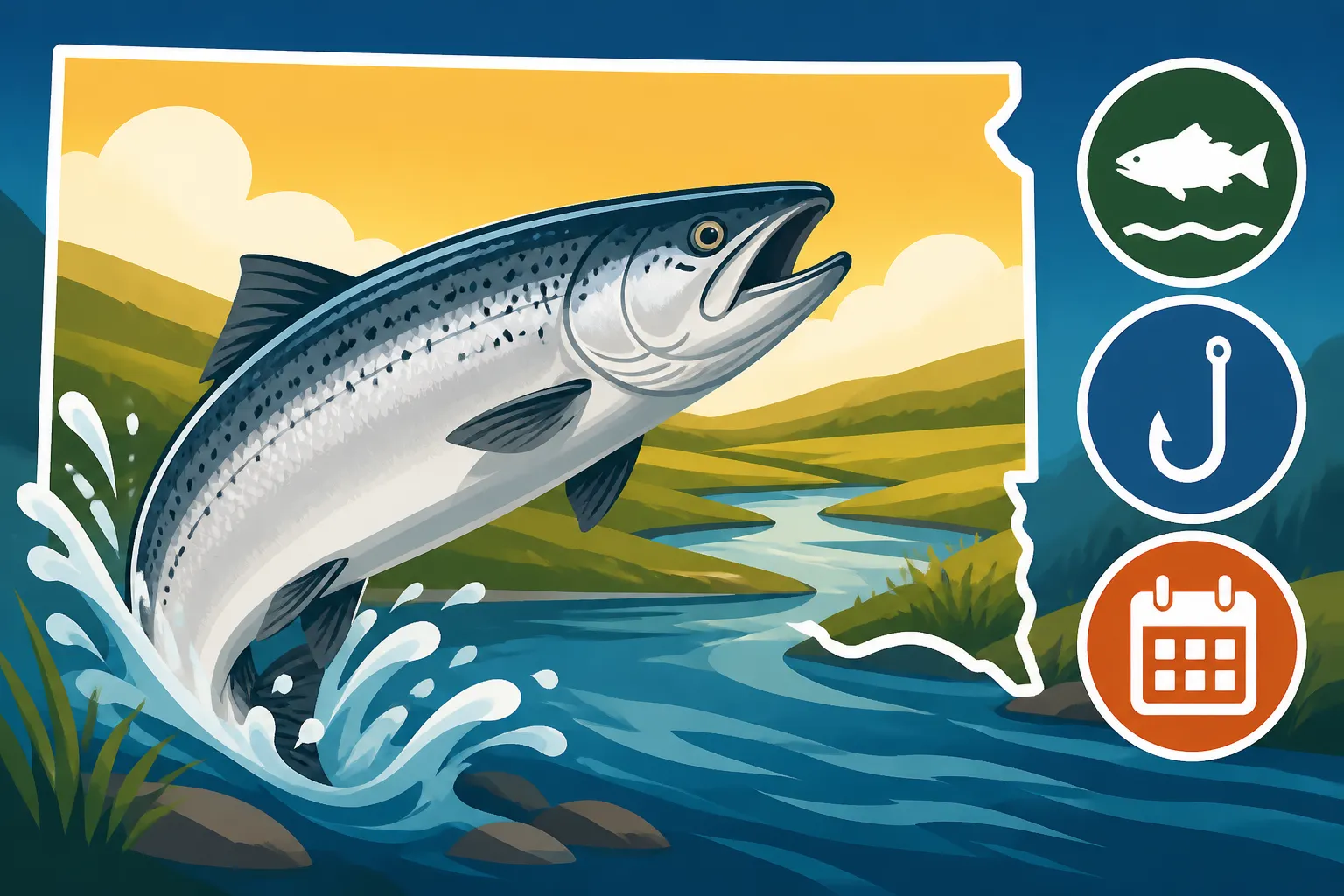
Unlike many other states where Chinook salmon are native, South Dakota's Chinook fishery is entirely a product of a dedicated stocking program by the South Dakota Game, Fish and Parks (GFP). The initial introduction of Chinook salmon into Lake Oahe in the late 1970s was a bold move, aimed at creating a new sport fishing opportunity and, crucially, utilizing the lake's abundant population of rainbow smelt. Without these smelt as a primary forage base, a landlocked salmon population simply wouldn't thrive. The goal was to establish a unique big-game fishery in the vast Missouri River reservoirs.
This program has seen its share of successes and challenges over the decades. Fluctuations in Lake Oahe’s water levels, changes in the forage base, and the inherent difficulties of raising and stocking millions of salmon fingerlings have all impacted the fishery. It’s a testament to the adaptive management strategies employed by the GFP, constantly adjusting stocking rates and techniques to maintain a viable population. It truly is a unique, man-made success story that provides a distinct angling experience not found elsewhere in the region.
Because this is a put-grow-and-take fishery, the regulations surrounding Chinook salmon are often more dynamic and responsive than those for native species. The GFP closely monitors population trends, the health of the smelt population, and the success of each year's stocking efforts. This direct management means that anglers who understand and adhere to the regulations are playing a crucial role in the sustainability and future enjoyment of this incredible fishery. Every rule is designed to protect this valuable resource.
Chinook Salmon Life Cycle and Spawning Runs
In their native Pacific Northwest habitats, Chinook salmon undertake epic migrations from the ocean to freshwater rivers to spawn. However, the Chinook in Lake Oahe are landlocked, meaning their entire life cycle plays out within the confines of the reservoir. They spend several years growing large, feasting on rainbow smelt in the deep, cold waters of Lake Oahe. These fish become powerful, torpedo-shaped predators, giving anglers an incredible fight.
The unique aspect of the South Dakota Chinook program is the artificial spawning process. Each fall, typically from late September through October, mature salmon undertake what appears to be a spawning migration. They stage near the Whitlock Bay Spawning Station, an area managed by the GFP. Here, crews collect eggs and milt from ripe fish to rear the next generation in hatcheries. This managed process is critical for the long-term health of the fishery, as natural reproduction within the reservoir is generally minimal. If you want to dive deeper into this fascinating process, check out the South Dakota Chinook Salmon Stocking History.
This artificial run heavily influences fishing seasons and regulations, especially near the spawning stations. Anglers often target these pre-spawn staging fish, knowing they are at their largest and most aggressive. This concentration of fish during the fall leads to specific seasonal considerations and, at times, temporary restrictions to protect the broodstock needed for future stocking. Understanding this unique life cycle is key to appreciating why certain regulations are in place.
Why Specific Regulations are Necessary
The managed nature of the South Dakota Chinook salmon fishery makes it particularly vulnerable, and thus, specific regulations are absolutely essential. These fish are not naturally reproducing at sustainable levels within Lake Oahe, so the entire population relies on the success of the annual stocking program. Without careful management, including thoughtful regulations, this incredible resource could quickly diminish.
Regulations are put in place to strike a delicate balance between providing exciting angler opportunities and ensuring the long-term health and viability of the salmon population. This involves constant monitoring through fish surveys, creel checks, and genetic analysis. The GFP tracks everything from growth rates to survival percentages to inform their decisions. It's a complex ecological puzzle, and regulations are a key piece in ensuring a healthy age structure and sufficient numbers of fish for both anglers and future spawning efforts.
Furthermore, regulations also consider the health of the forage base. If the rainbow smelt population declines, even the most stringent salmon regulations won't sustain the fishery. The rules are part of a broader ecological strategy. They also help prevent excessive pressure on concentrated fish, like those staging for the fall run, ensuring that enough fish are available for hatchery collection. This comprehensive approach is what allows us to continue enjoying this fantastic salmon fishing experience.
General Statewide Fishing Regulations Impacting Salmon Anglers
Before you even think about targeting a South Dakota Chinook, you need to ensure you've got the basics covered. Like any fishing endeavor in the state, there are foundational rules that apply to all anglers, regardless of the species they pursue.
Basic South Dakota Fishing License Requirements
Let's start with the absolute non-negotiable: everyone aged 16 and older needs a valid South Dakota fishing license to fish in public waters. This might sound obvious, but it's a common oversight, especially for those new to the state or just visiting. Whether you're a seasoned pro or taking a kid out for their first time, if you're 16 or older and holding a rod, that license needs to be in your possession. You can find comprehensive details in our South Dakota Fishing License Guide.
Getting your license is thankfully straightforward. You can purchase one online through the South Dakota GFP website, which is often the easiest and quickest method if you're planning your trip from home. Alternatively, licenses are available at various local vendors, sporting goods stores, and GFP offices across the state. It's always a good idea to secure your license before you even pack your bags, just one less thing to worry about when you're itching to hit the water.
Ignoring this fundamental requirement can lead to some serious headaches. Fishing without a valid license can result in significant fines, confiscation of your gear, and a ruined fishing trip. It's simply not worth the risk. Always double-check your license's validity and expiration date, especially if you're accustomed to different licensing periods in other states.
South Dakota Habitat Stamp Requirements
Beyond your basic fishing license, many anglers, both residents and nonresidents, will also need to purchase a South Dakota Habitat Stamp. This stamp is a vital piece of the state's conservation funding puzzle, with the proceeds directly supporting programs that enhance and protect crucial wildlife habitat across South Dakota. It's a small fee, but it makes a big difference.
While most annual license holders will need one, there are specific exemptions, such as for certain youth licenses or one-day licenses. The rules can be a little nuanced, so it’s always best to consult the current GFP regulations handbook or their website to confirm if you require a habitat stamp for your specific license type. We also have a detailed explanation in our South Dakota Habitat Stamp Requirements guide.
Ensuring you have this stamp, if required, is as important as having your main license. Imagine getting everything else right for your salmon trip – the perfect lures, the right boat, prime fishing conditions – only to be caught without the necessary habitat stamp. It’s an easily avoidable issue, so make it a part of your license purchasing routine.
General Hook and Line Rules
When it comes to the actual act of fishing, South Dakota has general rules about how many lines you can legally use. For most open water fishing, including chasing Chinook salmon on Lake Oahe, anglers are typically limited to two lines per person. This rule is in place to ensure fair chase and to manage fishing pressure, preventing individuals from hogging large sections of water or unfairly harvesting fish.
What counts as a "line"? Essentially, each rod and reel combination you are actively using or have deployed counts as one line. So, if you're trolling for salmon, you can have two rods out, each with a lure or bait. You cannot, however, have a third rod sitting in a rod holder with a line in the water, even if you’re not actively holding it. This rule is generally straightforward but important to remember, especially if you're used to more lenient rules in other states or for ice fishing, where regulations for the number of lines can differ.
While specific bait and lure restrictions exist for certain special regulation waters (like artificial-only streams in the Black Hills), Lake Oahe for Chinook salmon fishing generally permits a wide array of options. Spoons, crankbaits, and even live or cut bait are common choices. However, always be mindful of general rules regarding the transport and use of live bait, as this is crucial for preventing the spread of aquatic invasive species.
Specific Chinook Salmon Regulations for Lake Oahe
Lake Oahe is the destination for Chinook salmon in South Dakota, and as such, it comes with its own set of rules tailored specifically for this unique fishery. Knowing these specifics will be the difference between a successful, legal trip and potential disappointment.
Daily Limits and Possession Rules for Chinook Salmon
The cornerstone of managing any fishery, especially a stocked one like Lake Oahe's Chinook salmon, is the regulation of harvest through daily and possession limits. These limits are set after careful consideration of population surveys, stocking numbers, and the overall health of the fishery. Ignoring them directly undermines conservation efforts.
The "Daily Limit" refers to the maximum number of Chinook salmon you are allowed to harvest and keep in a single calendar day. For Chinook salmon on Lake Oahe, this is typically 3 fish. This means that from midnight to midnight, you can legally keep up to three salmon. Once you reach that number, you must cease fishing for salmon or release any additional salmon caught immediately and unharmed. This limit helps distribute the catch among more anglers and prevents rapid depletion of the stock. For more details on specific limits, you can refer to our South Dakota Chinook Salmon Daily Limit guide.
The "Possession Limit," on the other hand, is the total number of Chinook salmon you are allowed to have on hand at any given time, regardless of when they were caught. This includes fish in your livewell, cooler, vehicle, freezer at home, or anywhere else. For Chinook salmon, the possession limit is generally 9 fish. This means that even if you've been fishing for multiple days, the cumulative number of salmon you possess cannot exceed nine. These rules are designed to prevent "stockpiling" and ensure that the resource is shared. Always review the complete South Dakota Fish Limits and Size Restrictions before your trip to avoid any surprises.
Length Restrictions and Slot Limits
When managing fish populations, length restrictions and slot limits are common tools used to protect certain segments of a species' population. These rules can aim to protect juvenile fish, allowing them to grow to maturity and spawn, or to safeguard larger, trophy-sized fish that contribute significantly to the gene pool.
For Chinook salmon on Lake Oahe, the regulations have historically been quite straightforward regarding length. Currently, there is typically no minimum length limit for Chinook salmon. This means that as long as you adhere to the daily and possession limits, any legal-sized salmon you catch can be kept. This approach simplifies things for anglers and focuses the conservation effort primarily on the total number of fish harvested rather than specific size classes.
However, it is absolutely paramount to always, always consult the most current South Dakota GFP fishing handbook or their official website immediately before your trip. Regulations can change year to year based on the outcomes of fish surveys, stocking success, and environmental factors. What was true last season might not be true this season, and relying on outdated information is a surefire way to run into problems. Stay informed to ensure compliance.
Specific Season Dates for Salmon Fishing
One of the great joys of fishing for Chinook salmon in South Dakota is that, for the most part, the fishery on Lake Oahe is open year-round. This offers anglers incredible flexibility, allowing them to target these powerful fish through various seasons and conditions.
While the season is technically open all year, the activity and best times to target Chinook salmon vary significantly. You'll find anglers pursuing them in the colder waters of spring, but the real excitement often builds in the fall. As water temperatures drop, salmon begin to stage for their annual spawning run, concentrating in certain areas and becoming more aggressive. This pre-spawn period, typically from late September through October, is often considered prime time for trophy-sized Chinook. You can find more specific seasonal insights in our guide on Best Time of Year to Fish in South Dakota.
Crucially, while the general season is open, there can be specific, temporary exceptions. Areas immediately adjacent to the vital spawning collection facility at Whitlock Bay, for example, may have temporary closures or specific restrictions during the peak of the fall spawning collection. These closures are put in place to protect the valuable broodstock needed for the hatchery program. Always be on the lookout for signage, local notices, or information from the South Dakota GFP regarding any temporary closures or special rules, especially if you plan to fish near Whitlock Bay. Our Lake Oahe Chinook Salmon Fishing at Whitlock Bay article offers more specific details about this area.
Gear and Technique Restrictions for Salmon Fishing
South Dakota's Chinook salmon fishery is unique, and while many standard fishing practices apply, there are some specific considerations and prohibitions regarding gear and techniques that anglers must be aware of to fish legally and responsibly.
Trolling and Downrigger Rules
Trolling is, without a doubt, the most popular and effective method for targeting Chinook salmon on the vast, deep waters of Lake Oahe. It allows anglers to cover extensive areas and present lures or baits at precise depths where salmon are actively feeding. Many experienced salmon anglers rely on specialized equipment like downriggers to achieve these precise presentations.
The good news for serious salmon enthusiasts is that downriggers are perfectly legal for Chinook salmon fishing in South Dakota. These systems allow you to deploy lures to specific depths, often 50, 80, or even 100+ feet down, which is crucial when salmon are suspended in the water column, chasing schools of smelt. Anglers can find a wide array of quality downriggers, such as those from Scotty or Cannon, easily available on Amazon to equip their boats for this type of fishing.
When trolling, remember the general statewide rule regarding the number of lines: a maximum of two lines per licensed angler. Even with a sophisticated downrigger setup, you are still limited to two deployed lines per person. This means if two licensed anglers are in the boat, they can collectively run four lines. Planer boards are also legal and commonly used to spread out lines horizontally, further covering more water efficiently. For more in-depth knowledge on this technique, check out South Dakota Chinook Salmon Trolling Techniques.
Snagging and Illegal Methods
While the pursuit of a powerful Chinook salmon can be exhilarating, it's vital to remember that there are strict prohibitions against unethical and illegal fishing methods, particularly snagging. Snagging is defined as the act of catching a fish by hooking it in a body part other than the mouth. This method is universally considered unethical and is strictly prohibited for game fish, including Chinook salmon, in South Dakota.
Snagging is outlawed because it often results in fish being badly injured and, if released, having a much lower chance of survival. The intent of sport fishing regulations is to promote fair chase – enticing a fish to bite a hook in its mouth. During the fall salmon run, when Chinook concentrate near spawning areas, they can become less interested in actively feeding. This concentration can unfortunately tempt some individuals to try snagging, but the risks and consequences are severe.
Game wardens are particularly vigilant during the fall spawning period, especially in areas like Whitlock Bay where salmon are highly concentrated. Getting caught snagging can lead to hefty fines, confiscation of your gear, and a loss of fishing privileges. It's simply not worth it. Always ensure your catch is legally hooked in the mouth, and if you accidentally foul-hook a fish, release it immediately and carefully.
Bait and Lure Considerations
Chinook salmon are opportunistic predators, and their diet in Lake Oahe consists almost exclusively of rainbow smelt. This provides a clear directive for anglers when choosing baits and lures. Successful presentations typically mimic these silver forage fish. Popular choices include spoons (often in silver, blue, or green hues), diving crankbaits, and even large streamer flies, often tipped with a piece of cut bait like a smelt head or a small chunk of alewife for added scent. Amazon offers a vast selection of these specific salmon lures and bait additives.
When it comes to general bait legality, Lake Oahe is relatively open compared to some highly regulated waters. Live bait, such as minnows, is generally permitted for salmon fishing. However, anglers must be extremely cautious about the source and transport of live bait. Moving live bait across state lines or between different water bodies without proper procedures can inadvertently spread aquatic invasive species (AIS), which pose a severe threat to South Dakota's aquatic ecosystems. Always be informed about AIS regulations.
It's also important to be aware that specific, temporary restrictions on bait or lure types may be put in place immediately adjacent to salmon collection facilities during the peak of the fall spawning operations. These rules are designed to prevent disturbance to the broodstock or to deter illegal activities like snagging. Always consult the latest South Dakota GFP Fishing Handbook Guide or local signage for any such temporary rules, especially if you're fishing near Whitlock Bay during the fall run.
Important Considerations and Best Practices for Salmon Anglers
Beyond simply knowing the rules, responsible Chinook salmon fishing in South Dakota involves understanding why these regulations exist and adopting best practices to ensure the long-term health of this magnificent fishery.
Reporting Your Catch and Data Collection
Your role as an angler extends beyond just catching fish; it also involves contributing to the health and management of the resource. The South Dakota GFP relies heavily on angler reports and creel surveys to gather vital data on fish populations, stocking success, and overall fishery health. This information is critical for evaluating current regulations and making informed decisions for the future.
You might encounter creel clerks at various boat ramps or even out on the water. These dedicated individuals are collecting invaluable data – asking about your catch, your fishing methods, and where you fished. Please cooperate with them! Your honest and accurate answers directly contribute to the scientific understanding that shapes future fishing opportunities. Without this data, the GFP would be flying blind, making it harder to sustain quality fishing experiences.
While not always mandatory, keeping a detailed personal fishing log can be incredibly beneficial. Noting dates, times, locations, depths, lures used, and the number and size of fish caught not only helps you become a more successful angler over time but can also provide anecdotal data that, when aggregated, paints a broader picture of the fishery. It’s a great way to give back to the sport you love.
Preventing the Spread of Aquatic Invasive Species
The threat of Aquatic Invasive Species (AIS) like zebra mussels, Asian carp, or certain invasive aquatic plants is one of the most serious challenges facing South Dakota's waters. These invaders can devastate ecosystems, outcompete native species, destroy critical habitat, and even damage boats and infrastructure. South Dakota takes AIS prevention very seriously, and so should every angler.
The mantra "Clean, Drain, Dry" is your absolute best defense against AIS. Before moving your boat or equipment from one body of water to another, you must:
- Clean: Remove all visible aquatic plants, animals, and mud from your boat, trailer, and all fishing gear (including anchors, ropes, and downrigger balls).
- Drain: Pull your drain plug and drain all water from your bilge, livewells, baitwells, and any other compartments.
- Dry: Allow all equipment to dry thoroughly before launching into another water body. If drying isn't feasible, you may need to decontaminate with hot, high-pressure water.
This diligent practice is non-negotiable for responsible angling. Failure to comply can result in fines and the spread of devastating species. Be informed about specific regulations or inspection stations, especially when moving between different large reservoirs.
Respecting Other Anglers and the Resource
Lake Oahe is a vast and incredible body of water, but during peak fishing times, popular salmon spots, particularly near Whitlock Bay in the fall, can become quite concentrated. Practicing good boating and angling etiquette is crucial for ensuring everyone has an enjoyable and safe experience. Maintain safe distances from other boats, avoid cutting off lines, and remember that everyone is out there to enjoy the peace and thrill of fishing. Patience and courtesy go a long way.
If you're practicing catch and release, particularly for undersized fish or those you're not keeping, proper fish handling is essential. Minimize the fish's time out of the water, use wet hands to avoid removing their protective slime coat, and support their body weight horizontally. Release them gently, allowing them to swim away on their own terms, maximizing their chances of survival. This respect for the individual fish ensures a healthy population for the future.
Finally, always adhere to the "Leave No Trace" principles. Pack out everything you pack in. This includes all trash, old fishing line, bait containers, and any other refuse. Our goal should be to leave the fishing spot cleaner than we found it. Keeping South Dakota's beautiful waters pristine ensures that future generations can enjoy the same incredible fishing experiences we do today.
South Dakota Chinook Salmon Regulations Summary
| Regulation Category | Current Rule (Lake Oahe Chinook Salmon) | Important Notes |
|---|---|---|
| Fishing License | Required for all anglers 16+ | Purchase online, at vendors, or GFP offices. |
| Habitat Stamp | Required for most annual license types | Verify requirements based on your specific license. |
| Daily Limit | 3 Chinook Salmon | Maximum fish caught and kept in one calendar day. |
| Possession Limit | 9 Chinook Salmon | Maximum fish allowed in your possession at any time. |
| Length Limit | No minimum length limit (as of current regulations) | Always verify with the latest GFP handbook. |
| Season | Open year-round | Fall (Sept-Nov) is typically peak activity due to spawning run. |
| Legal Methods | Standard hook & line (max 2 lines per angler) | Trolling with downriggers and planer boards is permitted. |
| Illegal Methods | Snagging is strictly prohibited. | Fish must be legally hooked in the mouth. |
| Bait | Artificial lures and live bait generally allowed. | Check for specific temporary closures/restrictions near spawning facilities (e.g., Whitlock Bay). |
| AIS Prevention | Clean, Drain, Dry your boat and gear. | Essential to prevent the spread of aquatic invasive species. |
Disclaimer
Please remember that fishing regulations can change. While this guide provides a comprehensive overview of South Dakota Chinook Salmon Regulations, it is crucial to always consult the most current South Dakota Game, Fish and Parks (GFP) official fishing handbook or their website before you head out on the water. This guide is for informational purposes only and does not supersede official state regulations.