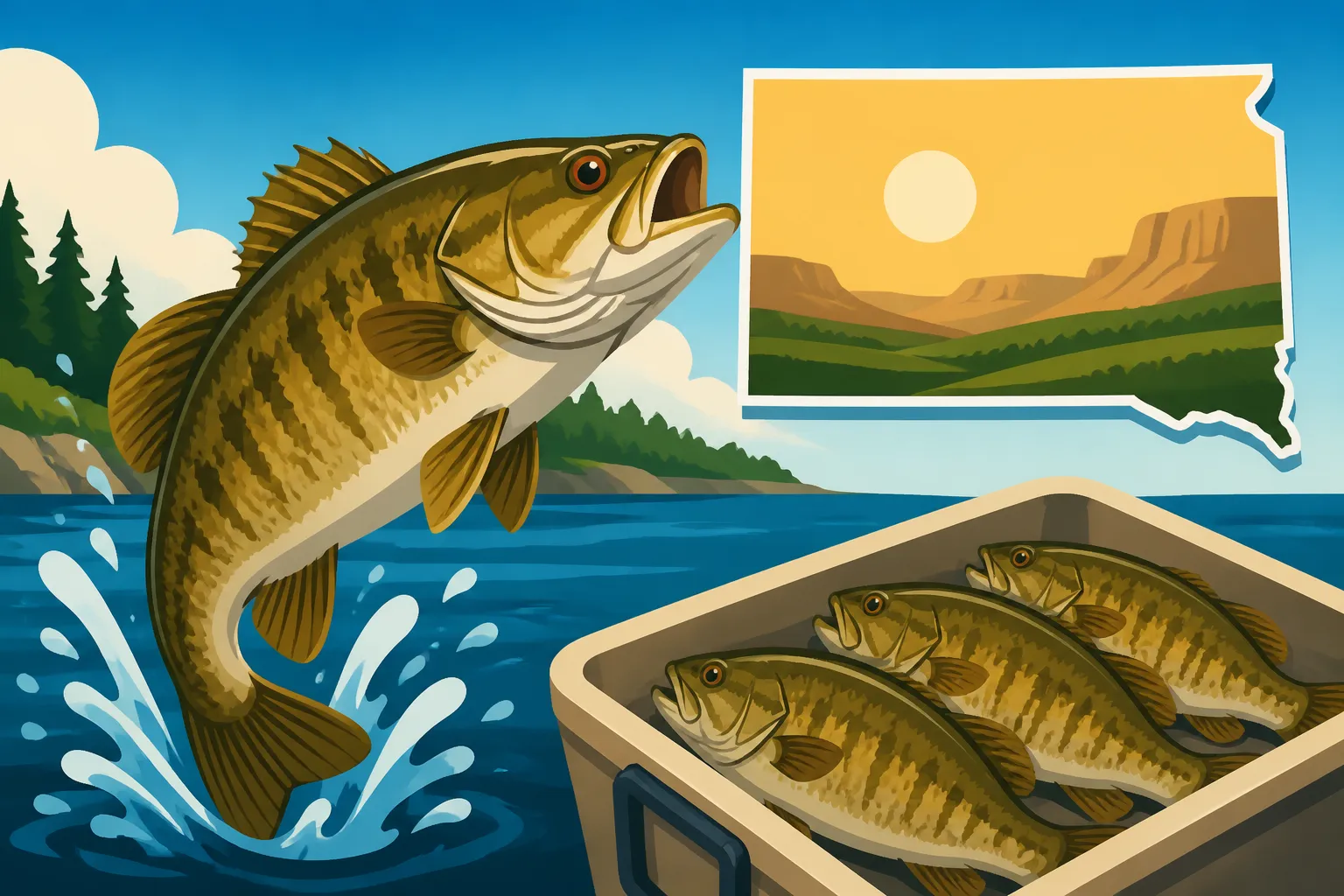
Smallmouth Bass Daily Limits
Anglers often find themselves scratching their heads when it comes to understanding the specific daily limits for fish, especially for popular species like smallmouth bass in South Dakota. It’s not just about knowing a number; it’s about navigating the nuances of regulations that can vary by water body or even by the time of year. This comprehensive guide is here to untangle those complexities, ensuring you're well-informed about the current smallmouth bass daily limits and how to fish responsibly in the Mount Rushmore State.
Navigating South Dakota's Smallmouth Bass Regulations
Many folks assume fishing limits are universal, but that's rarely the case, especially in a state with diverse fisheries like South Dakota. The rules are put in place for a good reason – to maintain healthy fish populations and ensure excellent fishing for generations to come. Understanding these regulations is not just about avoiding a fine; it's about being a responsible steward of our natural resources. It can feel like a maze sometimes, with different rules for different lakes or even different species, but with a little guidance, it becomes much clearer.
The Importance of Official Sources and Annual Handbooks
When you're out on the water, the last thing you want is to be guessing about the rules. It's easy to get outdated information from a well-meaning friend or an old website. That's why always going straight to the source is absolutely critical. The South Dakota Department of Game, Fish and Parks (GFP) is your ultimate authority. Every year, they publish a new fishing handbook, and honestly, it should be your Bible if you plan to fish here. This handbook details all the ins and outs, from South Dakota Fishing License Guide requirements to specific fish limits and even special exceptions for certain waters.
It's tempting to skim these handbooks, but I can't stress enough how important it is to read them thoroughly, cover to cover, especially the sections pertaining to the species you intend to target and the specific body of water you'll be on. These rules are updated annually, so what was true last year might not be true this year. For example, a regulation might change regarding slot limits or possession limits to address conservation needs or population fluctuations. Ignoring these updates can lead to unintended violations, which nobody wants. Always carry a digital or physical copy of the current year's handbook with you when you're fishing. It's a lifesaver for those "wait, what was that rule again?" moments. For a broader overview of all rules, check out the main South Dakota Fishing Regulations Explained article.
General Principles of Fish Limits and Conservation
The concept behind daily and possession limits is fairly straightforward, even if the numbers themselves can sometimes feel confusing. Daily limits are the maximum number of fish you can keep in one calendar day. Possession limits, on the other hand, refer to the maximum number of fish you can have in your possession at any given time, whether that's in your cooler, your vehicle, or back at your campsite. Often, possession limits are two times the daily limit, but this isn't always the case, so it's vital to verify. These limits aren't arbitrary; they are scientific management tools.
For smallmouth bass, like many other sportfish, these limits are designed to prevent overharvesting, especially during critical times like spawning seasons or in waters where populations might be more vulnerable. Think of it as balancing the desires of anglers to bring home a meal with the long-term health of the fishery. When we all adhere to these principles, we contribute to a sustainable environment where future generations can also enjoy the thrill of reeling in a feisty smallmouth. It's a shared responsibility, and every angler plays a part in keeping our waters vibrant.
Specific Daily and Possession Limits for Smallmouth Bass in South Dakota
Now, let's get down to the nitty-gritty: the actual numbers you need to know. South Dakota is well-known for its fantastic smallmouth bass fishing, particularly on the Missouri River reservoirs, but the rules can indeed vary slightly across different regions. It’s crucial to understand these distinctions before you even cast your first line.
Statewide Smallmouth Bass Limits
For most public waters in South Dakota, the general statewide daily and possession limits for smallmouth bass are quite consistent. As of the most recent regulations, the statewide daily limit for smallmouth bass is 5 fish, and the possession limit is typically 10 fish. This means you can keep up to five smallmouth bass in a single day, and you can have no more than ten smallmouth bass total in your cooler, freezer, or vehicle at any given time, regardless of how many days you've been fishing.
This statewide rule provides a good baseline, but it's important to remember that "most waters" isn't "all waters." There are specific bodies of water that have different, more restrictive rules to protect unique or vulnerable populations. Always consult the official GFP handbook for the specific body of water you plan to fish. You wouldn't want to get caught off guard, especially after a great day of fishing, only to find out you've inadvertently broken a rule. Being informed helps everyone have a more enjoyable and stress-free fishing experience.
Regional Variations and Special Waterbody Rules
This is where it gets a bit more complex, and frankly, it's where many anglers can trip up if they're not careful. While the 5/10 statewide limit is common, some areas in South Dakota have special regulations for smallmouth bass. These variations are usually implemented to address specific conservation concerns or to promote trophy fisheries in particular lakes or river stretches. For instance, the Missouri River reservoirs – Lake Oahe, Lake Sharpe, Lake Francis Case, and Lewis and Clark Lake – are prime smallmouth habitats, and while their general limits often align with statewide, specific size restrictions or slot limits could be introduced if management deems it necessary for the species' health.
It's not uncommon for certain lakes, especially those with unique ecological characteristics or those undergoing specific management strategies, to have modified limits. A prime example, though for walleye, is Belle Fourche Reservoir which has special walleye rules. While currently, smallmouth bass regulations are fairly stable across the Missouri River system, anglers should always check for any updates specific to popular smallmouth spots like the rocky points of Lake Francis Case Smallmouth Bass Fishing in May or the clear waters near shore on Lake Sharpe Smallmouth Bass Near Big Bend Dam. These local rules might include a "slot limit" where you can only keep fish below a certain size or above another, or perhaps even a protected slot where you cannot keep fish within a specific size range. This type of regulation is often used to protect spawning fish or larger, genetically superior breeders. Always double-check.
Table: South Dakota Smallmouth Bass Limits Overview
To give you a clearer picture, here's a general overview of South Dakota's smallmouth bass limits. Remember, always confirm with the current South Dakota GFP Fishing Handbook for the most up-to-date and specific regulations for your chosen fishing spot.
| Regulation Type | Statewide Limit | Notes |
|---|---|---|
| Daily Limit | 5 Smallmouth Bass | Maximum number of fish kept per calendar day. |
| Possession Limit | 10 Smallmouth Bass | Total fish in possession (cooler, vehicle, home). |
| Size Restrictions | None (Typically) | No minimum or maximum size limit in most waters. |
| Special Regulations | Varies by Waterbody | Always check specific lake/river rules in handbook. |
This table provides a quick reference, but it's not exhaustive. The beauty of South Dakota's diverse fishing scene means regulations are tailored, so diligence is key.
Understanding the "Why" Behind Smallmouth Bass Limits
It’s easy to look at a regulation and think of it as just another hoop to jump through. But for fishing limits, especially for a prized game fish like the smallmouth bass, there's always a deeply rooted scientific and ecological reason behind them. These aren't arbitrary decisions made to complicate your fishing trip; they're carefully crafted strategies to ensure the longevity and health of the fishery.
Conservation Efforts and Sustainable Fisheries
The primary goal of daily and possession limits is conservation. Smallmouth bass are incredibly popular, known for their aggressive strikes and powerful fights. This popularity means they can be subject to significant fishing pressure. Without limits, it would be all too easy for anglers to overharvest, leading to a decline in population numbers. When bass populations decline, it affects not just future fishing opportunities but the entire aquatic ecosystem. They play a vital role as predators, helping to maintain balance in the food chain.
South Dakota's GFP biologists constantly monitor fish populations, studying growth rates, spawning success, and angler harvest data. This scientific approach informs their decisions on setting limits. Sometimes, limits are adjusted to protect larger, mature fish that are crucial for successful spawning. Other times, limits might be more liberal if a population is booming. It's a dynamic process, and our adherence to these limits directly supports the health and sustainability of these beautiful fish. Knowing you're contributing to healthy fisheries makes every catch, whether you keep it or release it, even more rewarding.
Protecting Spawning Populations and Habitat
One of the most critical aspects of smallmouth bass conservation, and why limits are so important, revolves around their spawning cycle. Smallmouth bass typically spawn in late spring or early summer when water temperatures rise, often building nests in gravel or sandy areas in relatively shallow water. During this time, they can be particularly vulnerable to angling pressure. A male smallmouth will guard the nest diligently, protecting the eggs and fry from predators. If that male is caught and removed, even temporarily, the nest can be quickly decimated by other fish or crayfish.
Limits help reduce the overall pressure during these vulnerable periods. While South Dakota doesn't typically have specific closed seasons for smallmouth bass spawning in most waters, the daily and possession limits, combined with responsible angling practices, act as a safeguard. For dedicated anglers, understanding these periods and perhaps practicing catch-and-release with extra care during spawning can make a huge difference. Protecting these vulnerable stages ensures that there will be a new generation of smallmouth bass to chase in the years to come. This kind of thoughtful angling supports robust populations in places like Lake Francis Case where smallmouth thrive.
Responsible Angling Practices for Smallmouth Bass
Beyond simply knowing the numbers, a truly responsible angler understands how to fish in a way that minimizes impact on the fish and the environment. This is especially true for smallmouth bass, which are often caught and released due to their fighting prowess, or carefully handled if kept for the table.
Ethical Catch and Release Techniques
Catch and release is a cornerstone of modern sportfishing, allowing anglers to enjoy the thrill of the fight without depleting fish stocks. For smallmouth bass, which are known for their feisty nature, proper handling is paramount to ensure their survival after release. First and foremost, minimize the time the fish is out of the water. Those Instagram-worthy photos are great, but a fish struggling to breathe isn't. Keep the fish horizontally, supporting its weight, especially if it's a larger one. Avoid holding them vertically by the jaw, as this can dislocate their jaw or damage internal organs.
Use appropriate tools for hook removal. Barbless hooks can significantly reduce damage and make removal quicker and easier. If you're using barbed hooks, a good pair of long-nosed pliers or a de-hooking tool is essential. If a fish is deeply hooked, especially in the gills, it might be better to cut the line as close to the hook as possible rather than tearing tissue trying to remove it. Some anglers even keep a small de-hooking tool on their vest or tackle box, ready for action. You can find excellent options on Amazon that are designed for quick and safe hook removal. Always wet your hands before touching the fish to protect its protective slime coat, which is its first line of defense against disease. Gently release the fish, allowing it to swim away on its own power. Sometimes, a little fanning motion in the water helps revive a tired fish.
Selecting the Right Gear for Minimal Impact
Your choice of gear can also play a significant role in ethical angling. While you want equipment that can handle a strong smallmouth, you also want to minimize stress on the fish. For instance, using overly light line for the conditions might lead to prolonged fights, exhausting the fish and reducing its chances of survival post-release. Conversely, too heavy a rod might rip the hook out or cause unnecessary damage. Matching your tackle to the target species and conditions is key.
Consider circle hooks when fishing with natural bait. These hooks are designed to hook fish in the corner of the mouth, significantly reducing the chance of gut hooking. This makes hook removal much easier and less traumatic for the fish. For lures, ensure hooks are sharp so they penetrate cleanly and quickly, minimizing the struggle. Having a good quality landing net, preferably one with rubberized or knotless mesh, can also protect the fish's fins and slime coat during landing. A portable scale and measuring board are also good additions if you participate in tournaments or simply want to track your catches without undue stress on the fish. Many quality, budget-friendly options for these tools are readily available on Amazon. Remember, a responsible angler is always thinking about the well-being of the fish, whether it's destined for the dinner table or a quick release. If you're looking for specialized techniques, check out Smallmouth Bass Fishing Techniques for Rocky Shorelines.
Common Misunderstandings and How to Avoid Penalties
Even seasoned anglers can sometimes make mistakes when it comes to regulations. It's not always about intentional wrongdoing; often, it's a simple misunderstanding or an oversight. Knowing these common pitfalls can help you avoid potential penalties and ensure your fishing trips remain enjoyable.
Differentiating Smallmouth Bass from Other Species
One of the most frequent mistakes, especially for less experienced anglers, is misidentifying species. South Dakota has both largemouth and smallmouth bass, and while they share some similarities, their regulations might occasionally differ or, more generally, understanding which fish you have is key to knowing the rules. If there were, for example, a special slot limit for smallmouth but not largemouth in a particular water, misidentification could lead to problems.
The key differences lie in their mouths and dorsal fins. Largemouth bass have a mouth that extends beyond the eye when closed, while a smallmouth's mouth typically does not. Smallmouth also tend to have vertical bars or splotches on their sides, rather than the distinct horizontal stripe often seen on largemouth. Additionally, smallmouth bass usually have a more uniformly connected dorsal fin, whereas the largemouth's dorsal fin appears almost split into two distinct sections. Always take a moment to confirm the species, especially if you're fishing in an area where both are prevalent. If you're ever unsure, it's best to err on the side of caution or release the fish. A good resource for identification is "How to Tell a Largemouth Bass From a Smallmouth Bass".
Understanding Possession Limits and Cumulative Catches
This is another area where misunderstandings frequently occur. Many anglers correctly understand the daily limit, but they sometimes overlook or misinterpret the possession limit. The possession limit is the total number of fish you can have at any given time, regardless of when they were caught. This includes fish in your livewell, cooler, vehicle, at your camp, or even in your freezer at home if you're on a multi-day trip. It's not a "per day of fishing" cumulative total; it's an absolute maximum.
For example, if the daily limit is 5 and the possession limit is 10, and you catch 5 smallmouth bass on Monday and take them back to your cabin, you can only catch and keep 5 more on Tuesday. Once you have 10, you cannot keep any more until you have consumed or given away some of your catch, reducing your total possession below the limit. Failing to understand this can lead to serious penalties, including fines and confiscation of fish or gear. Enforcement officers frequently check coolers and vehicles. It’s a good practice to keep track of your cumulative catch, especially on longer trips. For more on what happens if you fish without the right licenses or exceed limits, you might want to review South Dakota Fishing Without a License Penalties.
Penalties for Exceeding Limits
Fishing violations, including exceeding daily or possession limits, are taken seriously by the South Dakota GFP. The consequences can range from hefty fines to the confiscation of your catch, fishing gear, and even your boat. Repeat offenses can lead to suspension of fishing privileges. These penalties are designed not just to punish, but to deter overharvesting and ensure the sustainability of the state's fisheries.
An officer might simply issue a warning for a minor, first-time offense, but don't count on it. Ignorance of the law is generally not considered a valid excuse. It's your responsibility as an angler to know and abide by the regulations. The best way to avoid any unpleasant encounters with law enforcement is to always consult the current South Dakota GFP Fishing Handbook Guide, pay attention to signs at boat ramps and access points, and if in doubt, always err on the side of caution. It’s far better to release a fish you’re unsure about than to face the legal repercussions.
Regional Smallmouth Bass Hotspots and Their Regulations
South Dakota offers some incredible smallmouth bass fishing, particularly within its vast Missouri River reservoir system. These large impoundments provide ideal habitat with their rocky shorelines, deep points, and abundant forage. While general statewide limits apply to most of these, it's always wise to be aware of the specific nuances for these popular destinations.
Lake Oahe and Lake Sharpe Smallmouth Opportunities
Lake Oahe, stretching for hundreds of miles from central South Dakota up into North Dakota, is a colossal fishery. Its immense size and varied structure, from submerged timber to riprap and rocky ledges, make it a premier destination for smallmouth. While walleye often steal the spotlight, Oahe's smallmouth population is robust, with plenty of opportunities for anglers to target them, particularly in the clearer main lake sections and rocky points. The daily limit for smallmouth bass on Lake Oahe currently follows the statewide 5 fish daily, 10 fish possession limit. However, due to its size and diverse ecosystem, always check the current regulations for any localized changes.
Further downstream, Lake Sharpe offers similar, if not sometimes even better, smallmouth action, especially around the Big Bend Dam area and rocky points. Its slightly warmer waters can often lead to faster growth rates for smallmouth. Anglers frequently target smallmouth here using crankbaits, jigs, and soft plastics. Again, the statewide limits of 5 daily and 10 in possession generally apply, but as an informed angler, you should always consult the South Dakota GFP handbook for the latest details. The beauty of these reservoirs is the abundance of fish, which makes knowing your limits even more critical to keep these fisheries healthy.
Lake Francis Case and Lewis and Clark Lake Specifics
Moving south, Lake Francis Case is another jewel in South Dakota's smallmouth bass crown. This reservoir, known for its clear water and extensive rocky structures, is a favorite for smallmouth enthusiasts. Anglers often find success by focusing on rocky banks, humps, and submerged timber. Many anglers specifically visit in late spring and early summer for phenomenal smallmouth action, with articles like Lake Francis Case Smallmouth Bass Fishing in June offering insights into optimal timing. The daily limit on Lake Francis Case remains consistent with the statewide 5 fish daily, 10 fish possession. This consistency makes it easier for anglers moving between these reservoirs, but it's not an excuse to skip checking the rule book!
Finally, Lewis and Clark Lake, bordering Nebraska, is the southernmost of the main stem Missouri River reservoirs and offers excellent smallmouth bass fishing, particularly in its rocky bluffs and riprap areas near the dam. This lake is known for healthy populations of various species, and smallmouth are no exception. The 5 daily, 10 possession limit also typically applies here. While these lakes are phenomenal smallmouth fisheries, the key takeaway is that even with generally consistent statewide rules, a quick check of the GFP handbook specific to that body of water is always the safest and most responsible approach. These specific rules, known as South Dakota Fish Limits and Size Restrictions, can be modified by the GFP as part of their dynamic management of these valuable resources.
Planning Your Smallmouth Bass Fishing Trip with Regulations in Mind
A successful and stress-free fishing trip isn't just about finding the fish; it's about being prepared and respectful of the rules and the environment. Incorporating regulatory awareness into your trip planning ensures you have a great time and contribute positively to the fishing community.
Pre-Trip Research and Licensing
Before you even pack your rods, the very first step should always be to conduct thorough research into the regulations for your specific destination. As mentioned, the South Dakota GFP website and annual fishing handbook are your best friends here. Don't rely on old memories or forum posts. Check the current year's limits for smallmouth bass and any other species you might incidentally catch.
Equally important is ensuring your fishing license is current and valid. Remember that specific rules apply to different age groups and residency statuses. You can find comprehensive details on obtaining your license in the South Dakota Nonresident Fishing License Rules or for residents, the South Dakota Resident Fishing License Options guide. Make sure you also understand any additional requirements, such as a South Dakota Habitat Stamp Requirements, which are often necessary even for a standard fishing license. Having your license in order prevents a common and easily avoidable violation. A quick trip to the GFP website, or a local vendor, to get your license squared away before you leave home saves a lot of hassle down the road.
What to Do When Regulations Change or Are Unclear
Regulations are dynamic, not static. Fisheries management is an ongoing process, and rules can change based on scientific data, environmental factors, or angler input. So, what do you do if you encounter conflicting information or something in the handbook isn't crystal clear?
The best course of action is to contact the South Dakota Department of Game, Fish and Parks directly. They have regional offices and a central information line specifically for these types of inquiries. It's far better to ask a quick question than to risk a violation. Keep their contact information handy, maybe even save it in your phone. Another useful tool is to check local bait shops or marinas; they often have up-to-date information, local insights, and sometimes even printed addendums to the state handbook. These local experts are invaluable resources. Furthermore, if you're fishing on tribal lands, remember that tribal regulations may apply in addition to or instead of state regulations, requiring specific South Dakota Tribal Land Fishing Permits. Always verify this information to ensure you’re fishing legally and responsibly.
Disclaimer
Please remember that fishing regulations, including daily and possession limits, are subject to change. While this article strives to provide accurate and up-to-date information, it is not a substitute for the official South Dakota Game, Fish and Parks (GFP) fishing regulations handbook. Always consult the most current official GFP regulations before heading out to fish. Your adherence to these rules helps conserve South Dakota's fisheries for everyone.