Is a Fire Extinguisher Required on Small Fishing Boats?
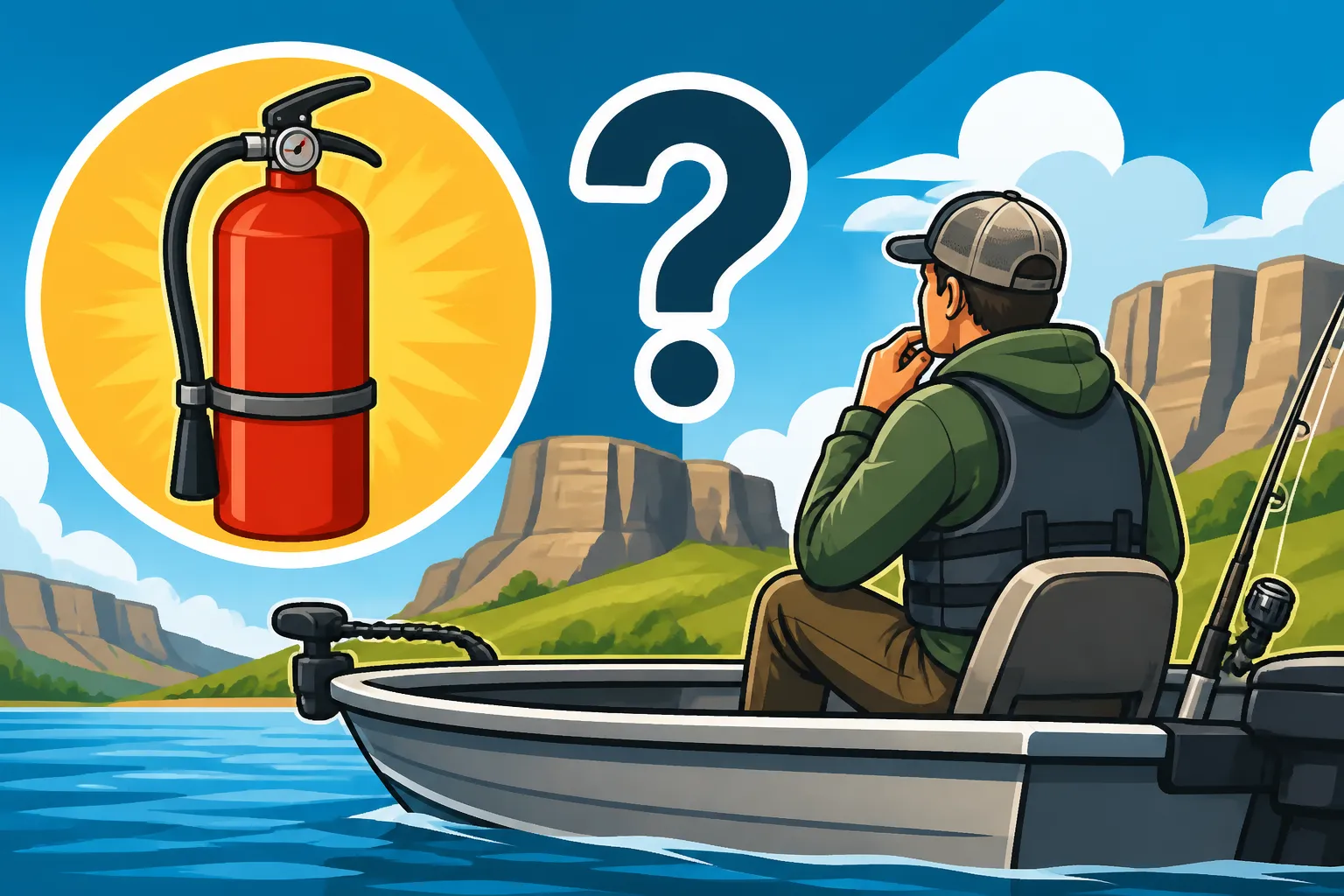
It’s a common scenario for many of us who love to cast a line in South Dakota’s beautiful waters: you’ve got your fishing boat, your rods, your tackle box, and you’re ready to hit Lake Oahe or one of our gorgeous Glacial Lakes. But as you’re loading up, a nagging thought pops into your head – "Do I really need a fire extinguisher on this little boat?" It’s a valid question, especially when regulations can feel a bit murky for smaller vessels. This guide will help clarify the requirements for fire extinguishers on small fishing boats in South Dakota, ensuring you’re both safe and compliant on the water.
Understanding Federal and State Fire Extinguisher Regulations
When it comes to boating safety, especially regarding fire extinguishers, you're looking at a combination of federal and state regulations. The U.S. Coast Guard (USCG) sets the national baseline for recreational vessels, and then individual states like South Dakota often adopt or expand upon those rules. This can sometimes lead to confusion, but generally, if you meet the federal requirements, you're usually in good shape for state compliance as well.
The Coast Guard's Stance on Fire Extinguishers
The USCG categorizes fire extinguishers by type (B-I, B-II) and by the type of fire they're designed to suppress. For most recreational boats, we're talking about Type B extinguishers, which are effective against flammable liquids like fuel, oil, and grease – the very things you're most likely to encounter in a boat fire. The key factor in determining if you need one, and what kind, is usually the length of your boat and whether it has certain features, like an enclosed engine compartment or a permanently installed fuel tank.
For smaller boats, those under 26 feet in length, the general rule is that a fire extinguisher is required if the boat has any of the following:
- An enclosed engine compartment.
- Permanently installed fuel tanks.
- Closed living spaces (like a cabin).
- Double bottoms not sealed to the hull or not completely filled with flotation materials.
- Closed storage compartments where flammable or combustible materials might be stowed.
Think about your small fishing boat. Does it have a permanent fuel tank tucked away under a seat? Does your outboard motor have an enclosed engine space, even if it's small? These are the kinds of details that trigger the requirement. It's not just about the boat's overall size, but its construction and features.
South Dakota's Specific Fire Safety Rules
South Dakota generally aligns with federal regulations regarding fire extinguishers. The South Dakota Game, Fish and Parks (GFP) Department emphasizes safe boating practices, and that includes carrying the proper safety equipment. While the state's specific language might vary slightly, the core principle remains: if your boat has any features that could contribute to or conceal a fire risk, you'll need an approved fire extinguisher. This means that even a modest 16-foot fishing boat with an inboard engine or a permanently installed fuel tank would fall under this requirement.
It’s easy to think a smaller boat is inherently safer from fire, but a fuel leak, an electrical short, or even a carelessly dropped cigarette can quickly turn a fun day into a dangerous situation. Having a readily accessible and properly maintained fire extinguisher isn't just about avoiding a ticket; it's about protecting yourself, your passengers, and your investment. You can find more detailed information on all boat safety essentials in the South Dakota Boat Safety Requirements guide.
Defining "Small Fishing Boats" and the Extinguisher Mandate
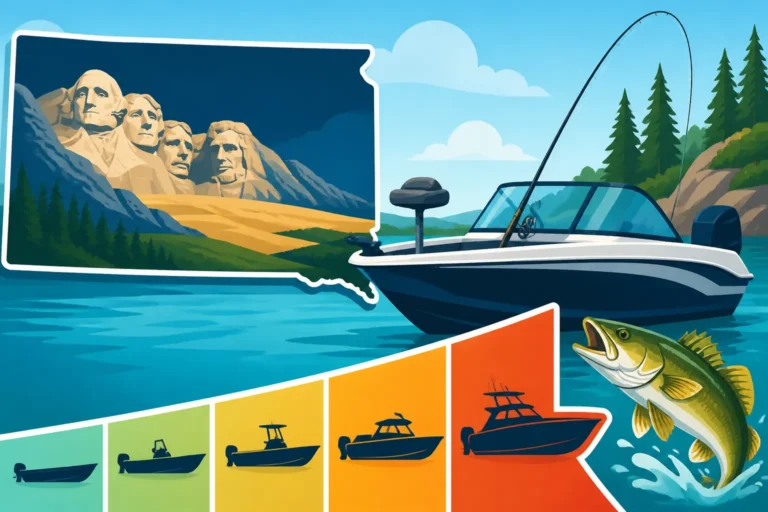
The term "small fishing boat" can mean different things to different people. For some, it's a 14-foot aluminum jon boat with a small tiller motor. For others, it might be a 20-foot bass boat. Understanding how regulations apply to your specific vessel is crucial, and it often comes down to the details of your boat's design and propulsion system rather than just its length alone.
What Constitutes a "Small Boat" for Regulations?
Most regulations define "small boats" as those under 26 feet in length. However, within this category, there are distinctions that matter for fire extinguisher requirements. For instance, an open boat (think a wide-open jon boat or a simple canoe) that uses a portable fuel tank not permanently secured to the boat, and has no enclosed compartments, generally doesn't require a fire extinguisher. The idea is that if a fire starts, the open nature of the boat allows for quick detection and the fire wouldn't be contained or spread easily in an unventilated space.
However, if that same "small" boat has a built-in fuel tank, even if it's just 6 gallons, or has storage lockers that are sealed from the open air, then a fire extinguisher becomes necessary. This is because these features create enclosed spaces where fumes can accumulate or a fire can smolder unseen before erupting. Many popular fishing boats, even what we consider "small," like V-hull fishing boats from brands like Alumacraft or Lund, often have built-in fuel tanks or enclosed battery compartments, which means they do require a fire extinguisher.
Why Your Small Boat Might Need One (Even if You Think It Doesn't)
Let's consider a few common scenarios for small fishing boats on South Dakota lakes:
- The 18-foot bass boat: This is a classic "small fishing boat" for many. With its powerful outboard, it almost certainly has a permanently installed fuel tank, and likely enclosed storage compartments for batteries, tackle, and other gear. Absolutely needs a fire extinguisher.
- The 16-foot aluminum tiller boat: If this boat has a portable fuel tank that you lift in and out, and an open layout with no enclosed spaces, you might be exempt. But if it has a built-in fuel tank or a small, enclosed space under the bow for a trolling motor battery, then yes, you need one.
- A kayak or canoe with a small electric motor: These are usually considered non-motorized vessels unless the motor pushes them to certain speeds, but even then, if you're carrying a large, enclosed battery pack that isn't completely open to the air, it's prudent to have a small, marine-rated extinguisher on board, even if not strictly mandated by law. Safety first, always.
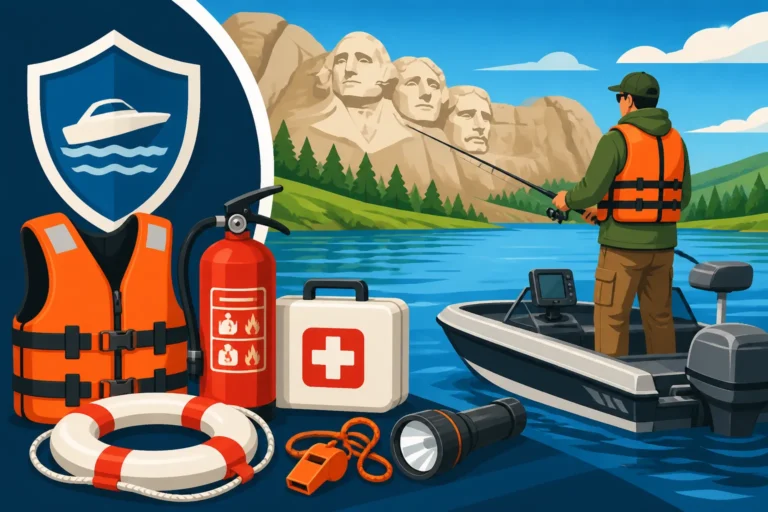
When in doubt, it’s always better to err on the side of caution and carry a fire extinguisher. It’s a small investment for a significant peace of mind. Other important safety items for your vessel are covered in What Safety Gear Is Required on a South Dakota Fishing Boat?.
Choosing the Right Fire Extinguisher for Your Fishing Boat
So, you've determined your small fishing boat needs a fire extinguisher. Great! But what kind should you get? Just grabbing any old extinguisher from your garage might not cut it. Marine-specific extinguishers are designed to handle the unique challenges of a boat environment.
Types of Marine Fire Extinguishers
Marine fire extinguishers are typically classified as Type B, meaning they're designed for fires involving flammable liquids and gases – precisely the type of fire you're most likely to encounter on a boat. The USCG also assigns them a size designation, usually I or II, which indicates their extinguishing capacity.
- Type B-I (Minimum requirement for most small boats): These are the most common and smallest marine fire extinguishers. They typically contain around 2 pounds of extinguishing agent (often dry chemical). This is usually sufficient for open boats under 26 feet that require an extinguisher.
- Type B-II (For larger boats or enhanced safety): These are larger, with about 10 pounds of extinguishing agent. While generally not required for small fishing boats, carrying a B-II can offer increased fire suppression capability, especially if you have a lot of gear, a more complex electrical system, or simply want an extra margin of safety.
It's also important to ensure your extinguisher is "marine approved" or "USCG approved." These extinguishers are built to withstand the marine environment (dampness, vibration) and have a mounting bracket to keep them securely in place. You wouldn't want your extinguisher rolling around the deck when you hit a wave, only to be useless when you need it most. You can find these approved types at most outdoor retailers like Bass Pro Shops or conveniently through online marketplaces like Amazon.
Placement, Maintenance, and Best Practices
Having the right extinguisher is only half the battle; it needs to be accessible and in working order.
- Placement: Your fire extinguisher should be mounted in a readily accessible location. This means not buried under a pile of tackle boxes or at the bottom of a cooler. It should be visible and quick to grab. Think about where you'd instinctively reach if a fire broke out. Often, this is near the helm, within easy reach of the captain, or perhaps near the engine compartment if applicable.
- Maintenance: Fire extinguishers aren't a "set it and forget it" item. They need regular checks. Look at the pressure gauge to ensure it's in the green "charged" zone. Check the seal and tamper indicator to make sure it hasn't been used or damaged. Invert the extinguisher occasionally to prevent the dry chemical powder from compacting, which can make it ineffective when discharged. The South Dakota GFP recommends checking all safety equipment at the beginning of each boating season and periodically throughout. You'll also want to know the South Dakota Boat Registration Renewal process to ensure your vessel is always in compliance.
- Familiarization: Everyone on board should know where the extinguisher is located and how to use it. A quick "PASS" reminder (Pull the pin, Aim at the base of the fire, Squeeze the handle, Sweep side to side) can be a lifesaver in an emergency.
Here's a quick comparison of common marine fire extinguisher types:
| Extinguisher Type | Classification | Agent Type | Common Uses (Boat Fires) | Key Considerations |
|---|---|---|---|---|
| USCG B-I | Small | Dry Chemical | Flammable liquids (fuel, oil), electrical | Most common, minimum requirement for many small boats. |
| USCG B-II | Large | Dry Chemical | Flammable liquids (fuel, oil), electrical | Greater capacity, good for larger boats or enhanced safety. |
| CO2 (Carbon Dioxide) | Various | Carbon Dioxide | Flammable liquids, electrical (leaves no residue) | Less common for recreational, more expensive. Needs ventilation. |
| Halotron (Clean Agent) | Various | Halocarbon gas | Flammable liquids, electrical (leaves no residue) | Effective, non-damaging, more expensive. Environmentally friendly. |
While CO2 and Halotron extinguishers are excellent for not damaging sensitive electronics, their higher cost usually makes dry chemical extinguishers the go-to for most recreational anglers. Regardless of the type, ensure it's USCG-approved and rated for Type B fires.
Going Beyond the Minimum: Smart Safety for Anglers
Meeting the legal requirements is a great start, but true safety on the water often means going above and beyond the bare minimum. As a veteran angler, I’ve seen enough unexpected situations to know that being overprepared is always better than being caught off guard.
Additional Fire Safety Measures to Consider
Beyond the basic fire extinguisher, there are a few other steps you can take to make your fishing boat even safer from fire hazards.
- Regular System Checks: Make it a habit to regularly inspect your fuel lines for cracks or leaks, especially after winter storage. Check your electrical wiring for frayed insulation or loose connections. A little proactive maintenance can prevent a huge problem. This is also important for knowing South Dakota Boat Motor Horsepower Rules as related to your vessel.
- Fueling Safely: Always turn off your engine and any electrical accessories, extinguish any open flames, and ensure proper ventilation before, during, and after fueling. Avoid overfilling your tank. If using portable tanks, always remove them from the boat to fill them.
- Proper Storage of Flammables: If you carry extra fuel, oil, or even propane for a portable grill, ensure they are stored in well-ventilated areas, away from ignition sources. Store rags or other absorbent materials that might be soaked with flammables in sealed, metal containers.
- Smoke/Fume Detectors: While not typically required for open small fishing boats, if your boat has any kind of enclosed cabin or sleeping area, installing a marine-rated smoke and carbon monoxide detector is an incredibly wise investment. Fumes can be invisible and odorless, and a detector provides an early warning.
Remember, fires on boats can spread quickly, fueled by gas, oil, and readily available materials like fiberglass and wood. The small confines of a boat mean escape routes are limited, making early detection and suppression absolutely critical.
What to Do If a Fire Occurs
Knowing how to react in a fire emergency is just as important as having the right gear.
- Stay Calm and Alert Passengers: Panicking never helps. Clearly communicate the situation to anyone else on board.
- Stop the Boat and Turn Off the Engine: This cuts off the fuel supply and eliminates potential ignition sources.
- Position the Boat: If possible, try to turn the boat so the fire is downwind, helping to keep smoke and flames away from passengers and other parts of the boat.
- Fight the Fire (If Safe): Use your extinguisher, aiming at the base of the flames. Remember the "PASS" method. Only attempt to fight a fire if it is small and contained, and you can do so safely. If the fire is large or out of control, prioritize getting everyone to safety.
- Prepare for Abandonment: If the fire cannot be controlled, prepare to abandon ship. Ensure everyone has a life jacket on. You can learn more about this in South Dakota Life Jacket Requirements. Have an emergency plan for getting into the water and staying together. Activate your distress signal (VHF radio, flares, cell phone if reception allows).
- Call for Help: Use your marine radio (VHF Channel 16) or cell phone to alert the Coast Guard or local authorities (South Dakota GFP, sheriff's office). Provide your location, the nature of the emergency, and the number of people on board.
Even on a small fishing boat, a fire can be a terrifying and dangerous event. Being prepared with the right equipment and knowing how to respond can make all the difference. It's not just a regulation; it's a fundamental part of responsible boating. Happy fishing, and stay safe out there!
Disclaimer
This article is for general informational purposes only and does not constitute professional advice. Laws, prices and regulations vary by location and change over time. Consult a qualified professional for guidance on your specific situation.