Best Ice Fishing Rods and Reels
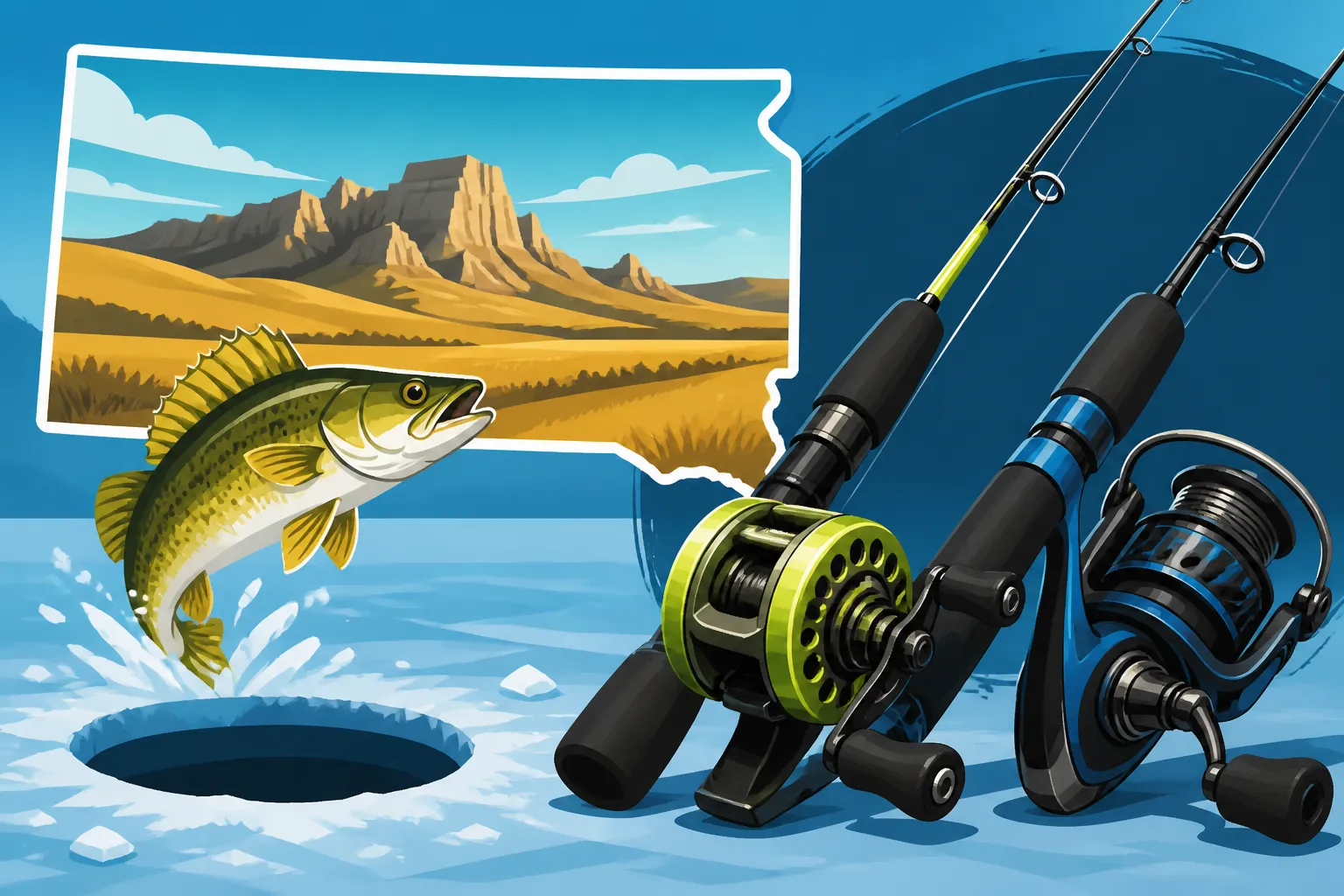
Venturing out onto the hard water in South Dakota for ice fishing is an exhilarating experience, but many anglers find themselves scratching their heads when it comes to picking the right tools for the job. You might be wondering if that old spinning rod from summer will cut it, or if you truly need a specialized setup for the ice. The truth is, the right ice fishing rods and reels can make all the difference between a frustrating day of missed bites and a successful outing, and this guide is here to help you navigate the often overwhelming choices to find the perfect match for your South Dakota ice adventures.
Understanding the Unique Demands of Ice Fishing Rods
Ice fishing rods are distinctly different from their open-water counterparts, and for good reason. When you're huddled over a six-inch hole, often in freezing temperatures, you need a rod that offers sensitivity, quick hook sets, and durability without being cumbersome. The environment itself dictates many of these design choices, from shorter lengths to specialized handles.
The Importance of Rod Length and Action
Unlike traditional rods that often span six to seven feet or more, ice fishing rods are significantly shorter, typically ranging from 24 to 36 inches. This shorter length isn't just for convenience in tight ice shanties or while kneeling over a hole; it profoundly impacts the rod's performance.
Shorter rods offer a direct, responsive feel that's crucial for detecting the subtle bites often associated with cold-water fish. Imagine trying to feel a tiny perch nibble your bait through six feet of rod – it's incredibly difficult! A shorter rod reduces slack and gives you a much clearer connection to what's happening below the ice. Furthermore, it aids in quicker, more controlled hook sets in a vertical presentation. When a fish hits, you often need to lift sharply and quickly, and a shorter rod allows for that swift upward motion without hitting the roof of your shelter or snagging on gear. This also impacts the fighting ability. While they might not provide the long, sweeping arcs of open-water rods, their compact nature gives you immense leverage directly over the hole, which is invaluable when battling a feisty walleye or a big northern pike in a confined space.
Power vs. Action: What Anglers Need to Know
When you're looking at ice fishing rods, you'll encounter terms like "power" and "action." These aren't just marketing jargon; they describe how the rod performs and are critical for matching your gear to your target species and fishing style.
Rod Power refers to the rod's stiffness or backbone – how much force it takes to bend the rod. It dictates the line weight and lure weight the rod is designed to handle.
- Ultralight: These rods are incredibly limber and are perfect for targeting smaller fish like crappie, bluegill, and smaller perch. They handle very light lines (2-4 lb test) and tiny jigs. The soft tip on an ultralight can detect the most delicate bites, making them a joy to fish with when the bite is finicky. If you're chasing panfish on the glacial lakes of eastern South Dakota, an ultralight setup is often your best friend.
- Light: A step up from ultralight, light power rods still offer excellent sensitivity but have a bit more backbone for slightly larger panfish or smaller trout. They're versatile enough for many panfish scenarios and can handle a modest perch without feeling overwhelmed.
- Medium-Light: This is often a go-to choice for anglers chasing larger perch, smaller walleye, or even trout in the Black Hills streams through the ice. It provides a good balance of sensitivity and fighting power, allowing for a wider range of jig weights and line strengths. Many anglers find this to be a fantastic all-around option for diverse South Dakota ice fishing.
- Medium: When targeting walleye, medium power rods truly shine. They have the backbone to handle larger fish, heavier lines (6-10 lb test), and bigger spoons or rattle baits. They offer the necessary leverage to turn a surging walleye away from the bottom of the hole and guide it upwards. This power class is very popular on big walleye waters like Lake Oahe and Lake Sharpe.
- Medium-Heavy & Heavy: These rods are designed for serious predators like northern pike. They boast substantial backbone for wrestling larger, more aggressive fish and can handle heavy lines and big baits. If you're jigging for pike in the weedier bays, a heavy power rod gives you the muscle needed to extract them.
Rod Action describes where on the rod the bend occurs when pressure is applied.
- Fast Action: The rod bends mostly in the tip section. This provides extreme sensitivity, allowing you to feel even the slightest tap. Fast action rods are excellent for quick hook sets, as the stiffer mid-section transfers energy rapidly. They're often preferred for jigging applications, especially for walleye or aggressively biting panfish.
- Moderate Fast Action: Bends from the tip through the upper third of the rod. This offers a good blend of sensitivity and a slightly more parabolic bend, which can be forgiving when fighting fish and reduce hook pulls.
- Moderate Action: Bends in the top half of the rod. These rods offer a smoother, more continuous bend, which can be great for presenting dead sticks or soak rigs where a softer take is expected, or for techniques that involve a lot of finesse and don't require an instant, powerful hook set. They can also prevent tiny hooks from tearing out of a panfish's mouth.
Here's a quick comparison of rod powers and their typical South Dakota targets:
| Rod Power | Typical Length (inches) | Target Species (South Dakota) | Ideal Line Weight (lb) | Lure Weight Range |
|---|---|---|---|---|
| Ultralight | 24-28 | Crappie, Bluegill, Small Perch | 1-4 | 1/32 – 1/16 oz |
| Light | 26-30 | Perch, Small Trout, Larger Panfish | 2-6 | 1/16 – 1/8 oz |
| Medium-Light | 28-32 | Larger Perch, Smaller Walleye, Trout | 4-8 | 1/8 – 1/4 oz |
| Medium | 30-34 | Walleye, Mid-size Northern Pike | 6-10 | 1/4 – 1/2 oz |
| Medium-Heavy | 32-36 | Large Walleye, Northern Pike | 8-15 | 1/2 – 3/4 oz |
| Heavy | 34-38 | Trophy Northern Pike, Lake Trout | 10-20+ | 3/4 oz – 1.5 oz+ |
When you're planning your next trip to places like Lake Poinsett for perch or Lake Sharpe for walleye, having this understanding of power and action will help you select the right rod. You can find a vast selection of these specialized rods at places like Bass Pro Shops, where you can often get a feel for them in person before committing.
Exploring the World of Ice Fishing Reels
Just like rods, ice fishing reels have evolved to meet the specific demands of winter angling. While a standard open-water spinning reel might work in a pinch, dedicated ice fishing reels offer features that enhance performance and durability in cold conditions.
Spinning Reels for the Ice
Spinning reels are by far the most popular choice for ice fishing, mirroring their widespread use in open water. However, ice-specific spinning reels often come with refinements to make them more suitable for the cold.
Advantages:
- Ease of Use: Spinning reels are intuitive and easy to cast (or rather, drop) and retrieve. They're very beginner-friendly.
- Versatility: They can handle a wide range of line weights and lure sizes, making them suitable for everything from tiny panfish jigs to heavier walleye spoons.
- Smooth Drag: A quality spinning reel offers a smooth, adjustable drag system, which is paramount for fighting fish on light line and preventing break-offs, especially when a big walleye makes a dash for the bottom of the hole.
- Better Line Management for Finesse: For those incredibly light baits and thin lines, spinning reels tend to manage the line better, reducing line twist and allowing for a more natural presentation.
Considerations:
- Icing: In extreme cold, water can freeze on the spool, bail, or line roller, causing issues with drag or retrieve. Many ice-specific models feature larger arbors, anti-freeze lubricants, or oversized components to mitigate this problem.
- Line Twist: While generally good, extremely light lines can still experience twist over time, especially with repeated jigging motions. Periodically stripping out and re-spooling line can help.
When selecting a spinning reel, look for models designed for cold weather, often advertised with features like "oversized knobs" or "cold-weather grease." Brands often offer excellent entry-level and high-performance options. For instance, you might find a great deal on a reliable ice spinning reel on Amazon, or explore a broader range of options at a dedicated fishing outfitter.
Inline Reels: A Niche, but Effective Choice
Inline reels are gaining popularity among serious ice anglers, particularly those targeting panfish or jigging for walleye with specific techniques. They resemble fly reels in their appearance, with the spool rotating directly in line with the rod.
Advantages:
- No Line Twist: This is the biggest selling point. Because the line comes directly off the spool in a straight path, inline reels completely eliminate line twist, which can be a huge benefit when using tiny jigs and ultra-light lines.
- Direct Feel: The direct line path can sometimes offer an even more direct feel to the bait, enhancing sensitivity for subtle bites.
- Free Spool: Most inline reels have a highly controllable free-spool mechanism, allowing baits to drop quickly and smoothly without resistance, which is excellent for reaching deeper depths or matching falling baitfish.
- Precise Depth Control: Many models feature a "drop speed" adjustment or a trigger for instant line release, allowing for very precise depth control, which is critical when fish are suspended at a particular level.
Considerations:
- Learning Curve: Inline reels can take a little getting used to, especially if you're accustomed to spinning reels.
- Limited Power: While some higher-end inline reels have decent drag systems, they typically don't offer the brute stopping power of larger spinning reels. They are generally better suited for lighter lines and smaller fish, although some are robust enough for walleye.
- Cost: Quality inline reels can sometimes be more expensive than comparable spinning reels.
For panfish specialists on lakes like Thompson or Kampeska, an inline reel paired with an ultralight rod can be an absolute game-changer, providing unmatched finesse. Remember to check out specialized retailers or online options for the best selection.
Matching Rods and Reels for Optimal Performance
Choosing the best ice fishing rods and reels isn't just about picking good individual pieces; it's about creating a balanced combo. The rod and reel should complement each other, forming a harmonious system that feels right in your hand and performs flawlessly on the ice.
Balancing Act: Weight and Feel
When you hold a rod and reel combo, it should feel balanced. The point of balance should ideally be just above the reel seat. A well-balanced setup reduces fatigue, especially during long days of jigging, and enhances sensitivity. If the rod tip feels heavy, you'll be constantly fighting the weight, which detracts from feeling those subtle bites.
Consider the overall weight of the combo as well. Lighter is generally better for ice fishing, as you'll be holding the rod for extended periods. Modern materials like carbon fiber in rods and graphite in reels have made incredibly lightweight yet strong setups possible. Think about where you'll be fishing – an ultralight panfish combo for a small, heated shelter on Lake Cochrane might be very different from a robust walleye setup for battling big fish on windy Lake Oahe.
Spool Capacity and Line Selection
Your reel's spool capacity needs to match the depth you'll be fishing and the strength of the line you intend to use. For most South Dakota ice fishing, even on deep reservoirs like Lake Oahe, you rarely need hundreds of yards of line. However, having enough line to handle a long run from a big fish, plus a few feet of stretch and abrasion from the hole, is wise.
- Panfish & Trout: For ultralight and light setups, a small reel (500 or 1000 size for spinning reels, or a compact inline reel) with 2-6 lb monofilament or fluorocarbon is typically sufficient. Many anglers prefer clear monofilament or fluorocarbon for its low visibility and good stretch.
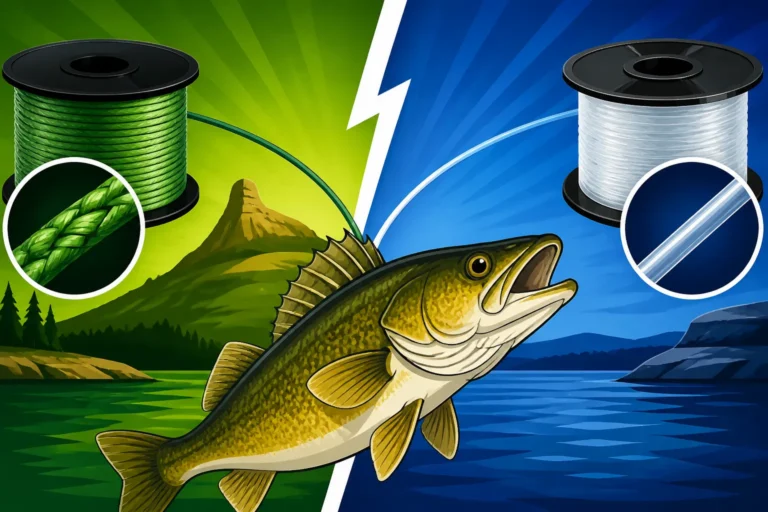
- Walleye & Pike: For medium to heavy setups, a 1000 or 2000 size spinning reel (or a more robust inline reel) loaded with 6-12 lb braided line, often with a fluorocarbon leader, is common. Braided line offers superior sensitivity and strength, while the fluorocarbon leader provides invisibility at the business end and some abrasion resistance against the ice hole. Best Lures for Ice Fishing Walleye and Best Bait for Ice Fishing Perch are great resources for tying on the right terminal tackle.
Choosing a Pre-Spooled Combo vs. Mixing and Matching
Many manufacturers offer pre-spooled ice fishing combos, which can be a convenient and often cost-effective option, especially for beginners or those looking for a general-purpose setup.
Pros of Combos:
- Convenience: Ready to fish right out of the box (or with minimal setup).
- Balanced: Manufacturers typically pair rods and reels that are well-matched in terms of power, action, and balance.
- Value: Often cheaper than buying individual components separately.
Cons of Combos:
- Limited Customization: You're stuck with the manufacturer's choices.
- Component Quality: Sometimes, one component (either the rod or the reel) might be of lower quality to keep the price down.
Mixing and Matching allows you to tailor your setup precisely to your preferences, target species, and fishing style. This is where an experienced angler might pair a high-sensitivity graphite rod with their favorite cold-weather spinning reel. It offers the ultimate in performance and personalization, but it requires a bit more knowledge and often a larger investment. Whether you're choosing a pre-packaged combo or building your own, places like Bass Pro Shops or online retailers such as Amazon offer a massive range of options, making it easy to compare features and read reviews.
Specialized Rod and Reel Considerations for South Dakota Species
South Dakota's diverse fisheries, from the sprawling Missouri River reservoirs to the countless glacial lakes and Black Hills trout streams, mean that "one size fits all" simply isn't an option for serious ice anglers. Tailoring your rod and reel to specific species and their behaviors will significantly boost your success.
Walleye Wonders: The Kings of the Hard Water
Walleye are undoubtedly the most sought-after species through the ice in South Dakota. Their sometimes finicky bites and powerful runs require a precise setup.
- Rod: A 28-34 inch medium-light to medium power rod with a fast action is ideal. This combination provides the sensitivity to detect those subtle "thunks" or negative bites (when a walleye actually lightens the line) and the backbone to drive a hook home and control a strong fish near the hole. Graphite blanks are preferred for their sensitivity. For deeper water on Lake Oahe or Lake Sharpe, a slightly longer rod might give you a bit more line pick-up per crank, which can be beneficial.
- Reel: A 1000 or 2000 size spinning reel known for its smooth drag and cold-weather performance. The drag system is paramount, as walleye can make powerful runs. Inline reels can also be effective, especially when vertical jigging small spoons or tungsten jigs.
- Line: Braided line (6-10 lb test) is a common choice for its zero stretch and incredible sensitivity, paired with a 4-8 lb fluorocarbon leader for invisibility. Monofilament (6-8 lb test) is also a viable option for those who prefer its stretch and shock absorption. For more specific techniques, check out Winter Walleye Fishing Techniques.
Panfish Perfection: Crappie, Perch, and Bluegill
Chasing panfish is a fantastic way to enjoy the ice, and South Dakota's lakes are teeming with them. Their often incredibly light bites necessitate a hyper-sensitive setup.
- Rod: Ultralight to light power rods, typically 24-28 inches, with a fast to moderate-fast action. The delicate tip is critical for seeing and feeling the slightest inhale of a small jig. Fiberglass or composite blanks can be excellent for their forgiveness and durability in cold, though high-end graphite offers unparalleled sensitivity.
- Reel: A small 500 size spinning reel is perfect for these light setups, or an inline reel if you want to eliminate line twist entirely. Ensure the drag is silky smooth, as panfish have delicate mouths that can tear easily.
- Line: Ultra-light monofilament or fluorocarbon (1-4 lb test) is key. The low diameter allows tiny jigs to perform naturally, and the minimal stretch can be an advantage for subtle detections. When the perch are really schooling on the glacial lakes, having a light setup can allow you to catch them one after another. If you're targeting perch specifically, understanding South Dakota Perch Fishing Guide is a great next step.
Northern Pike Prowess: Battling the Big Ones
South Dakota has some impressive northern pike, especially in the eastern glacial lakes and parts of the Missouri River system. Landing these toothy predators through a small ice hole requires a robust setup.
- Rod: Medium-heavy to heavy power, 30-38 inch rod with a moderate-fast to fast action. You need serious backbone to handle the weight and power of a large pike, and to turn its head upwards towards the hole.
- Reel: A 2000 or 2500 size spinning reel with a strong, reliable drag. Pike can make powerful, sustained runs, and your reel needs to be up to the task.
- Line: Heavier braided line (15-20 lb test) with a steel or heavy fluorocarbon leader (20-30 lb test) is essential to prevent bite-offs from their sharp teeth. Monofilament can also be used, but braided offers superior strength to diameter ratio. For big pike, having an ice auger that cuts a decent sized hole is also a plus – see Best Ice Augers for South Dakota Ice Fishing for more on that.
Black Hills Trout: A Unique Ice Challenge
While not as widespread as open-water trout fishing, ice fishing for trout in the Black Hills can be a rewarding experience. Lakes like Pactola Reservoir and Sheridan Lake offer winter opportunities.
- Rod: Light to medium-light power, 28-32 inch rod with a moderate-fast action. Trout often have softer bites, and a slightly more forgiving rod can help keep them hooked.
- Reel: A 1000 size spinning reel with a smooth, sensitive drag is ideal.
- Line: 4-6 lb fluorocarbon or monofilament. Light line is crucial for enticing wary trout. Consider South Dakota Trout Limits in the Black Hills for specific regulations in these unique areas.
Maintenance and Care for Ice Fishing Rods and Reels
Your ice fishing gear is an investment, and proper care will ensure it performs reliably season after season, especially in the harsh conditions of a South Dakota winter. Ignoring maintenance can lead to frustrating gear failures when you least expect them.
Pre-Season and Post-Season Inspections
Before the ice season kicks off, take the time to thoroughly inspect all your rods and reels.
- Rods: Check all guides for cracks or damage, particularly the tip guide, which often takes the most abuse. Ensure the reel seat is secure and tight. Look for any hairline fractures in the rod blank, especially near the handle. A quick wipe down with a damp cloth to remove any dust or grime is also a good idea.
- Reels:
- Lubrication: Reels need to be lubricated, but in extremely cold temperatures, some lubricants can thicken and impede performance. Many ice-specific reels come with special cold-weather grease. If you're doing your own maintenance, use lubricants designed for sub-zero conditions. A light application of reel oil on moving parts like the bail arm and handle, and a thin layer of grease on the main gear, can keep things running smoothly.
- Drag System: Test the drag system for smoothness. If it feels jerky or sticky, disassemble the drag washers (if you're comfortable doing so) and clean them, then re-lubricate with a tiny amount of proper drag grease.
- Line: Replace old fishing line. Monofilament and fluorocarbon can develop memory and lose strength, while braided line can fray and absorb water, making it prone to freezing. Fresh line ensures maximum performance and reduces the chance of losing a fish to a break-off.
- Cleaning: Give the reel a good wipe down to remove any dirt or residue.
At the end of the season, give your gear a thorough cleaning before storing it. Remove all line from reels, clean them thoroughly, and apply fresh lubricant. Store rods vertically or horizontally without pressure to prevent warping. This diligence will extend the life of your equipment significantly. If you're new to ice fishing, consider reading Ice Fishing Gear Basics for Beginners for more comprehensive advice.
During the Season: Keeping Gear Performing in the Cold
Once you're out on the ice, ongoing care is important to prevent issues.
- Icing Prevention: The most common issue with reels is icing. If your reel starts to freeze up, gently tap off any ice buildup. Avoid forceful actions that could damage the bail or other components. Some anglers carry a small spray bottle with an anti-freeze solution (often non-toxic, fishing-specific formulas) to spray on their reels, or simply wipe them down frequently with a soft cloth.
- Line Management: Keep your line as dry as possible. When bringing a fish in, try to keep the line from piling up in the slush around the hole where it can quickly freeze. Many ice shelters, particularly those from brands like Shappell or Clam, offer enough space to manage your line effectively and keep your gear out of the direct wind and cold.
- Rod Tip Care: The tip guide is especially prone to freezing. A quick dip in the hole can often clear it, or a gentle pick with a fingernail. Avoid using metal objects that could scratch or damage the guide.
Essential Accessories to Complement Your Rods and Reels
Having the best ice fishing rods and reels is only part of the equation. A few key accessories can significantly enhance your comfort, efficiency, and success on the South Dakota ice.
Rod Holders and Tip-Ups
When you're not actively jigging, rod holders are invaluable. They keep your rod elevated off the cold ice, protecting your reel from slush and ice buildup, and positioning your rod for easy access and bite detection. Some holders are simple tripods, while others clamp to buckets or sleds. For more passive fishing, especially for species like walleye or pike, tip-ups are a traditional and highly effective tool that allow you to cover more ground.
Line Management Tools
Small line clippers, a line stripper tool, and a small spool of extra line are always good to have in your tackle box. Fine scissors are particularly useful for cutting braided line cleanly. A line conditioner spray can help monofilament and fluorocarbon maintain suppleness in the cold and reduce memory.
Ice Fishing Specific Electronics
While not directly tied to rods and reels, a quality fish finder or flasher unit complements your fishing setup by helping you locate fish and structure, and even see your lure's presentation. Brands like Vexilar or Marcum are popular among South Dakota ice anglers for their reliability and performance. This helps you present your lure directly to fish you've marked, making your rod and reel more effective. You can learn more about finding the fish in Best Fish Finders for Ice Fishing.
Ultimately, the best ice fishing rods and reels for you will depend on your personal preferences, the species you're targeting, and the conditions you expect to face on South Dakota's frozen waters. Don't be afraid to experiment, and always prioritize balance, sensitivity, and cold-weather performance.
Disclaimer
This article is for general informational purposes only and does not constitute professional advice. Laws, prices and regulations vary by location and change over time. Consult a qualified professional for guidance on your specific situation.