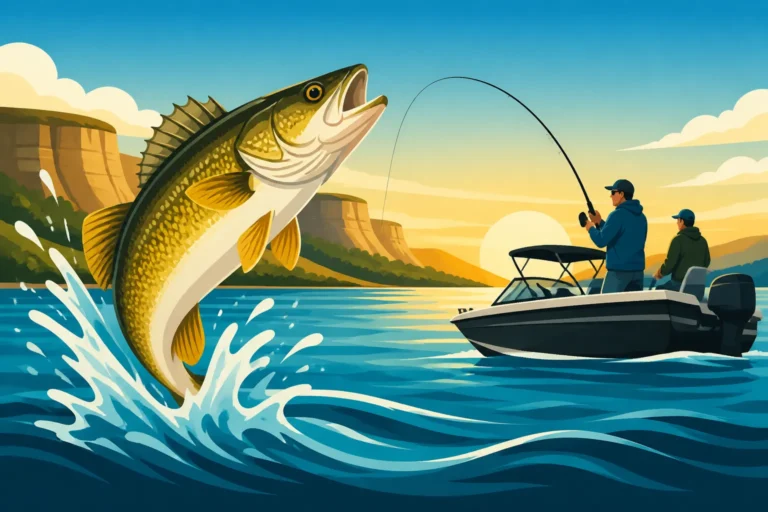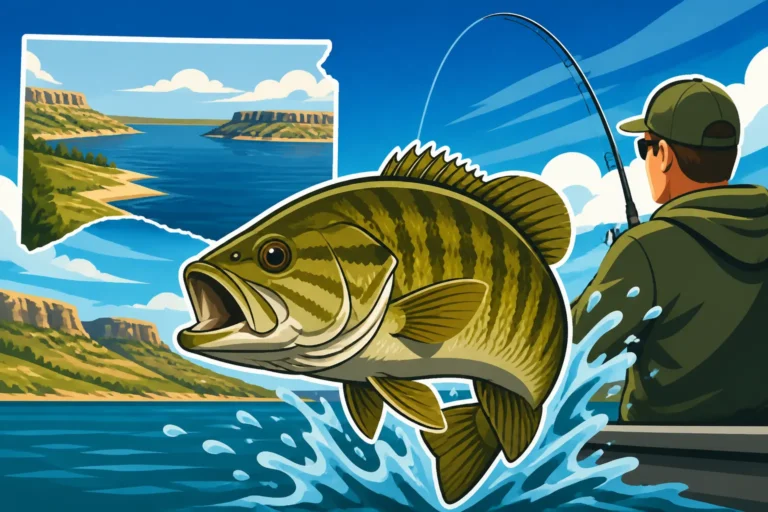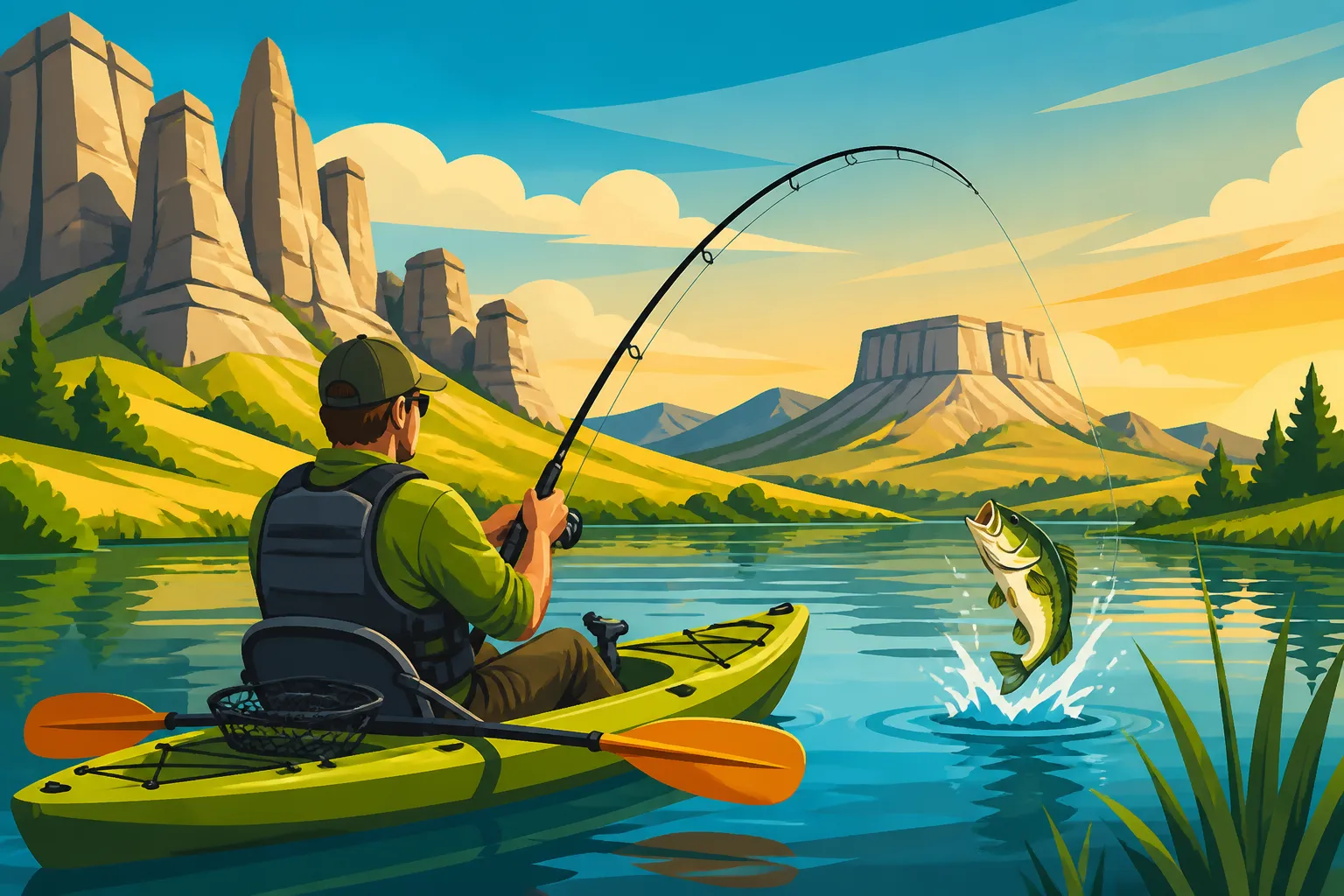
Best Kayak Fishing Spots in South Dakota
There's a unique thrill to being on the water in a kayak, paddle in hand, silently stalking your next big catch. But finding those sweet spots where your paddlecraft truly shines in a vast state like South Dakota can feel overwhelming, especially when you're looking beyond the big boat launches. This comprehensive guide will steer you through the best kayak fishing spots across South Dakota, offering insights into their unique challenges, the species you can target, and how to make the most of your portable angling adventure.
Why Kayak Fishing in South Dakota is a Game Changer
South Dakota offers an incredible diversity of fishing experiences, from the massive Missouri River reservoirs to the serene glacial lakes of the east and the crystal-clear trout streams of the Black Hills. While big boats certainly have their place, kayak fishing opens up a whole new world of access and intimacy with the water that larger vessels simply can't match. It's not just about catching fish; it's about the journey, the quiet approach, and the ability to reach those untouched honey holes.
The Undeniable Appeal of Kayak Angling
Think about it: with a kayak, you're not limited by boat ramps or deep-water access. You can launch from nearly any shoreline, often portaging to secluded ponds or shallow bays that never see heavy boat traffic. This grants you access to areas where fish feel less pressured and are often more willing to bite. The low profile of a kayak also allows for an incredibly stealthy approach, letting you sneak up on wary walleye in clear water or present a lure right into a pike's ambush point without spooking them with a loud outboard motor.
Beyond the tactical advantages, there's a profound connection to nature that comes with kayak fishing. You're closer to the water, feeling every ripple and hearing every bird call. It's a peaceful, almost meditative experience that many anglers find deeply rewarding. Plus, the exercise is a bonus! You'll often find yourself covering more water than you thought possible, propelled by your own strength and determination.
Navigating South Dakota's Diverse Waters
South Dakota's waterways present a fantastic playground for kayak anglers, each with its own character and opportunities. The eastern part of the state is dotted with numerous glacial lakes, offering fantastic opportunities for chasing panfish, walleye, and northern pike in shallower, often weedy environments. These lakes are typically smaller, making them perfect for a full day of kayak exploration without feeling overwhelmed by vast expanses of open water.
Moving westward, the immense Missouri River reservoirs—Lake Oahe, Lake Sharpe, Lake Francis Case, and Lewis and Clark Lake—present a different kind of challenge and reward. While their size can be daunting, understanding specific arms, bays, and protected coves is key. These waters are renowned for trophy walleye, smallmouth bass, and even salmon in Lake Oahe, offering world-class fishing from a kayak if you choose your spots wisely and pay close attention to weather conditions and currents.
Finally, the Black Hills region offers a unique, mountainous backdrop for kayak fishing, primarily focused on trout in smaller lakes and larger streams where access might be difficult for traditional boats. The serenity and natural beauty of these areas make them a must-visit for any angler looking for a different kind of challenge and a truly picturesque setting. Each body of water demands a slightly different approach, both in terms of kayak choice and fishing technique, but the rewards are always worth the effort.
Top Kayak Fishing Destinations Across the State
South Dakota truly spoils kayak anglers with choices. From vast reservoirs to intimate glacial lakes and winding trout streams, there's a perfect paddle-and-fish adventure waiting for everyone. Let's dive into some of the prime locations.
Eastern South Dakota's Glacial Lakes
The eastern half of South Dakota is a patchwork of fertile agricultural land interspersed with hundreds of natural lakes, remnants of ancient glaciers. These waters are often shallower, rich in aquatic vegetation, and teeming with panfish, walleye, and northern pike. They are ideal for kayak fishing due to their often smaller size and numerous nooks and crannies that larger boats can't easily access.
Lakes like Lake Poinsett Fishing Guide and Lake Kampeska Fishing Guide near Watertown are fantastic examples. Lake Poinsett, with its diverse structure and healthy populations of walleye, northern pike, and perch, offers excellent opportunities to explore shallow bays and weed lines from a kayak. Similarly, Lake Kampeska provides a great urban fishing experience with plenty of public access, allowing you to paddle along developed shorelines or slip into quiet coves to target crappie and walleye. Other notable glacial lakes include Lake Thompson, a renowned walleye fishery, and Bitter Lake, known for its excellent perch fishing. These lakes are generally calmer, making them perfect for beginners or those looking for a more relaxed paddle.
The Mighty Missouri River Reservoirs
The Missouri River reservoirs are iconic South Dakota fisheries, vast expanses of water that hold some of the state's largest fish. While they can be intimidating in a kayak, strategic planning and focusing on protected areas can lead to incredible success. These reservoirs are often categorized in guides like the South Dakota Missouri River Fishing Guide for a reason – they are truly massive.
Lake Sharpe, running from Oahe Dam down to Big Bend Dam, is an outstanding kayak destination, particularly for smallmouth bass and walleye. The numerous recreation areas like West Bend Recreation Area or Joe Creek Lakeside Use Area offer excellent launch points. From a kayak, you can hug the shorelines, target rocky points, and slip into quiet bays like those near Hipple Lake that are often overlooked by larger boats. Its relatively stable water levels and diverse structure make it a prime candidate for kayak exploration.
Further south, Lake Francis Case and Lewis and Clark Lake offer similar fantastic opportunities. On Lake Francis Case, the numerous coves and timbered areas provide excellent cover for smallmouth bass and crappie, especially around the Platte Creek Area Fishing Spots. Lewis and Clark Lake, near Yankton, is a shallower reservoir known for its outstanding crappie and yellow perch fishing. Kayaks excel here, allowing you to navigate shallow flats and weed beds to find schooling panfish. When fishing these larger waters, always check the wind forecast and be mindful of boat traffic, especially on weekends. Reputable outfitters and guides found on platforms like FishingBooker often have intimate knowledge of protected areas on these reservoirs suitable for kayaks.
Black Hills Streams and Lakes
For those who prefer a mountain backdrop and the pursuit of trout, the Black Hills offer a unique kayak fishing experience. While many streams are better suited for wading or fly fishing, some smaller lakes and wider sections of streams can be fantastic from a kayak or even an inflatable pontoon boat.
Sheridan Lake, nestled in the Black Hills National Forest, is a prime example. This beautiful lake is regularly stocked with rainbow trout and also holds brown trout, northern pike, and bass. A kayak allows you to silently troll small spoons or flies along drop-offs or explore the quieter arms of the lake that shore anglers can't reach. The scenery alone makes this a worthwhile trip.
Pactola Reservoir, though larger and with stricter bait regulations in some areas (like the Pactola Dam Catch-and-Release Water Rules), offers incredible trout fishing from a kayak. Its deep, clear waters are perfect for targeting lake trout and rainbow trout, and a kayak allows you to access remote points and explore the lake's extensive contours. For those seeking even more solitude, smaller, lesser-known lakes and wider, calmer sections of streams provide peaceful settings to cast for brook trout or brown trout, making for an unforgettable wilderness angling experience.
Essential Gear and Safety for South Dakota Kayak Fishing
Stepping into the world of kayak fishing is exciting, but it's crucial to be prepared with the right gear and, most importantly, a solid understanding of safety protocols. South Dakota's waters can range from calm ponds to vast, windy reservoirs, so being ready for anything is key.
Kayak and PFD Selection
Choosing the right kayak is paramount. For general South Dakota fishing, a stable sit-on-top fishing kayak is often the preferred choice. These offer superior stability, allowing you to stand and cast, and typically come with built-in features like rod holders, gear tracks, and storage. Brands like Perception, Hobie, and Old Town offer excellent fishing-specific models. Consider the length: longer kayaks track better and are faster on open water but are less maneuverable in tight spaces. Shorter kayaks are easier to transport and handle in smaller lakes or streams. An inflatable kayak can also be a good option for portability, especially if you plan to explore remote spots that require some hiking, but ensure it's durable enough for potential snags.
Crucially, always wear a U.S. Coast Guard-approved Personal Flotation Device (PFD). This isn't just a suggestion; it's often a legal requirement, and it's a non-negotiable safety item. Modern fishing PFDs are designed for comfort and functionality, with pockets and attachment points for gear, so there's no excuse not to wear one. Knowing your South Dakota Boat Safety Equipment Requirements is important.
Must-Have Accessories and Safety Protocols
Beyond the kayak and PFD, a few other accessories are essential for a successful and safe trip. A quality paddle is obvious, but don't forget a paddle leash – losing your paddle on a windy day could quickly turn into a serious situation. An anchor system, whether it's a small grappling anchor or a drag chain, is invaluable for holding your position against wind or current, allowing you to effectively fish a specific spot.
Storage is key in a kayak. Waterproof dry bags are crucial for protecting your phone, keys, wallet, and any electronics. A cooler or fish bag to keep your catch fresh is also important, especially on warmer days. Other safety items include a whistle or horn to signal other boaters, a bright flag or light for visibility, especially if you're out early or late, and a first-aid kit. Always tell someone your float plan – where you're going, when you expect to return, and what your backup plan is. Monitoring weather forecasts diligently is perhaps the most critical safety measure; strong winds and thunderstorms can develop quickly on South Dakota's large lakes. For longer trips or exploring new waters, considering a guide found via platforms like FishingBooker can provide invaluable local knowledge and an extra layer of safety.
Planning Your Kayak Fishing Adventure
A successful kayak fishing trip isn't just about showing up with a rod and reel; it's about thoughtful preparation that maximizes your chances of success and ensures you stay on the right side of the law.
Understanding Regulations and Permits
Before you even think about launching your kayak, you need to ensure you're compliant with South Dakota's fishing and boating regulations. The first step is always securing a valid South Dakota Fishing License Guide. Whether you're a resident or a nonresident, you'll need one, and often, a separate habitat stamp is required. For new anglers, understanding all the nuances in the South Dakota Fishing Regulations Explained can be a lot, but it's essential for a smooth trip.
Beyond the general license, be aware of specific regulations for certain bodies of water, such as special length or daily limits for walleye on Belle Fourche Reservoir, or artificial lure-only rules in some Black Hills trout streams. While kayaks generally don't require registration if they are non-motorized, it's always wise to double-check the latest rules on Do Kayaks Need to Be Registered in South Dakota? to avoid any surprises. Always carry a copy of your license and be familiar with the rules for the specific species you're targeting.
Best Times and Tactics for Different Species
South Dakota offers year-round fishing, but the "best" time often depends on the species you're after. Spring and fall are generally prime for walleye, especially during the pre-spawn and post-spawn periods when they feed aggressively in shallower waters. During these times, covering water with crankbaits or slowly jigging a minnow can be very effective. Summer sees walleye move deeper, making trolling techniques for walleye a popular method, often requiring you to cover vast areas. Smallmouth bass, on the other hand, are aggressive throughout the warmer months, often found near rocky shorelines and structure, perfect for targeting with tubes, jigs, or topwater lures from a kayak.
| Fishing Spot Type | Primary Species | Best Season | Typical Kayak Technique |
|---|---|---|---|
| Eastern Glacial Lakes | Walleye, Pike, Perch | Spring, Fall, Winter | Casting crankbaits, jigging, slip bobber, ice fishing |
| Missouri River Reservoirs | Walleye, Smallmouth | Spring, Summer, Fall | Trolling, jigging, casting to structure, vertical jigging |
| Black Hills Lakes | Trout, Pike, Bass | Spring, Summer, Fall | Trolling small spoons, fly fishing, casting spinners |
| Black Hills Streams | Trout | Spring, Summer, Fall | Fly fishing, light spinning with small lures (wading) |
For panfish like crappie and perch, especially in the glacial lakes and quieter arms of the reservoirs, spring and early summer are fantastic. Look for them concentrated around submerged brush piles, weed beds, or docks, and use small jigs or live bait under a bobber. Northern pike are often found lurking in weed lines and shallow bays, making them a thrilling target for kayak anglers with their explosive strikes on large spoons or spinnerbaits. Understanding the seasonal movements and preferred habitats of your target species is crucial, and a kayak allows you to access these prime locations with stealth and precision. Even during the peak of summer, you can find success by exploring deeper points and drop-offs where fish seek cooler water, often marked on your fish finder.
Disclaimer
The information provided in this guide is for general informational purposes only and is subject to change. Always consult the official South Dakota Game, Fish and Parks (GFP) regulations handbook or website for the most current and accurate fishing and boating laws before heading out on the water. Fishing conditions, species availability, and access points can vary seasonally and regionally.