Best Shore Fishing Spots on Lake Oahe
Oh, Lake Oahe. Just the name conjures images of vast, shimmering water and the promise of a trophy walleye. But let's be real, for those of us without a fancy boat, the sheer scale of this reservoir can feel incredibly daunting. You pull up, look out, and it's just miles of shoreline stretching in every direction, leaving you wondering where on earth to even cast a line without wasting a whole day. This guide is all about cutting through that overwhelm, pinpointing the most accessible and productive shore fishing spots on Lake Oahe, so you can spend less time guessing and more time reeling in fish.
The Unique Challenge of Shore Fishing Lake Oahe
Lake Oahe isn't your average neighborhood pond. This colossal reservoir, stretching over 230 miles from Pierre, South Dakota, north to Bismarck, North Dakota, is one of the largest man-made lakes in the world. Its sheer size, coupled with fluctuating water levels and often steep, rocky banks, makes finding a good shore fishing spot a real puzzle. Many anglers come here with big boats, targeting deep structure and vast flats. But don't let that discourage you! With a little local knowledge and the right approach, you can absolutely find fantastic action from shore. The trick is understanding the lake's geography and the species that frequent the more accessible areas.
Understanding Lake Oahe’s Dynamic Landscape
The Missouri River system, which created Lake Oahe, is constantly changing. What might be a perfect casting point one year could be underwater or completely dried up the next, depending on precipitation and dam operations. This means flexibility is key. Always check current water levels if you're traveling a long distance to a specific spot. Beyond water levels, consider the bottom composition. Many areas are rocky, offering excellent habitat for smallmouth bass and providing structure where walleye will ambush baitfish. Other areas might have more gradual, muddy slopes, which can be great for catfish, especially in calmer bays or riverine sections.
Why Shore Fishing Still Reigns Supreme for Many
Despite the challenges, shore fishing on Lake Oahe offers a unique kind of peace and accessibility that a boat can't always match. For families, beginners, or those simply looking for a relaxing afternoon without the hassle of launching a boat, it's an incredible option. Plus, some of the most productive areas, especially during certain times of the year, are actually quite accessible from public land or parks. It's also a more budget-friendly way to enjoy the world-class fishing Lake Oahe offers, allowing you to focus on the thrill of the catch rather than fuel costs or boat maintenance.
Premier Shore Fishing Locations on Lake Oahe
Alright, let's get down to the nitty-gritty. While Lake Oahe is massive, there are several key areas that consistently produce for shore anglers. These spots offer decent access, diverse species, and a good chance of hooking into some of South Dakota's finest fish.
Whitlock Bay Recreation Area and the Spawning Station
Located near Gettysburg, Whitlock Bay is truly a jewel for shore anglers, especially if you're dreaming of tangling with Chinook salmon. This area is famous for its salmon spawning run in the fall, making it a prime spot for anglers looking to catch these powerful fish from the bank.
Accessing Whitlock Bay’s Hotspots
The recreation area itself offers numerous points of access. You'll find designated fishing piers and plenty of shoreline along the bay. During the salmon run, anglers line the banks, casting everything from spoons to cured salmon eggs. However, even outside of the fall frenzy, Whitlock Bay offers excellent opportunities. The deeper water access from shore here is a major advantage. You're not just casting into shallow flats; you can reach drop-offs and channels that hold fish year-round. Beyond salmon, this area is known to hold walleye and northern pike, especially during spring and early summer when they move into shallower waters to feed. Remember that during peak salmon season, it can get crowded, so plan to arrive early! If you're looking to target these specific fish, understanding the South Dakota Chinook Salmon Regulations is absolutely critical before you head out.
Best Techniques and Target Species
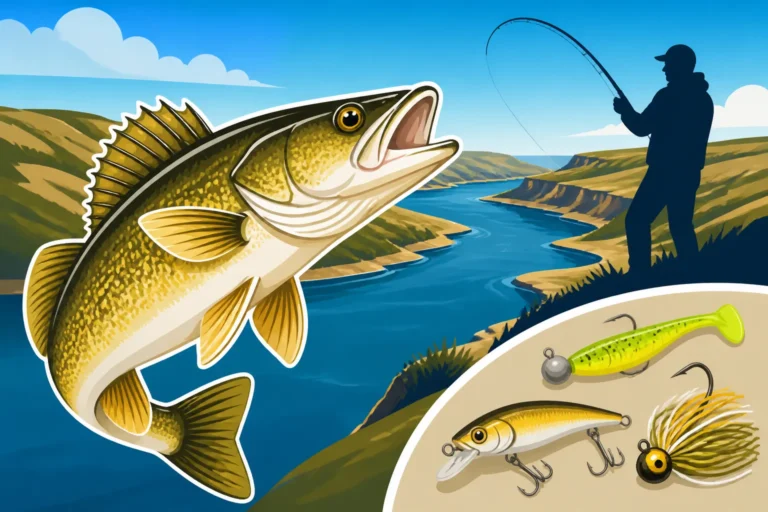
For Chinook salmon, heavy spoons like Little Cleos or Castmasters, often in bright or metallic colors, are extremely effective. Many anglers also use cut bait or roe bags. For walleye, try casting crankbaits or jigging with a minnow or soft plastic along any visible structure. Northern pike often lurk in the bay's weedier sections, so throwing larger spoons, spinnerbaits, or even live bait under a bobber can yield results. Early morning and late evening are almost always your best bets for active fish. Checking local bait shops in Gettysburg often provides the most up-to-date information on what's biting and what lures are working. If you're a bit unsure about where to even begin, sometimes checking out fishing reports or even connecting with local guides through platforms like FishingBooker can give you a fantastic leg up, even for shore-bound adventures.
Oahe Dam Tailwaters Near Pierre
The area immediately below the Oahe Dam, specifically the tailwaters on the lower Lake Oahe/upper Lake Sharpe side, is a legendary fishing spot for a reason. The constant current and abundant forage create an absolute smorgasbord for predatory fish.
Navigating the Dam’s Shoreline Access
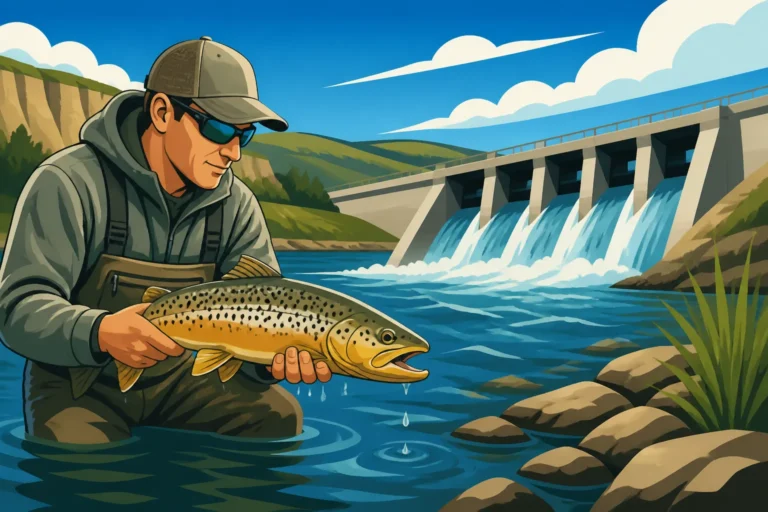
Access here is excellent, with multiple public use areas, fishing piers, and rocky shorelines directly below the dam near Pierre. You'll find anglers year-round, targeting a variety of species. The water can be deep right off the bank in many places, and the current is often swift. Safety is paramount here; always be aware of your footing and the powerful currents. This area is particularly famous for walleye, but you'll also find channel catfish, northern pike, and even smallmouth bass feeding in the turbulent waters. For those unfamiliar with the area, knowing what you're looking for can make a huge difference. You might find great local insights or even guided trip options by checking resources like FishingBooker before you go.
Productive Methods for Tailwater Angling
Jigging is king here. Heavy jigs (1/4 to 3/4 ounce, depending on current) tipped with a minnow, soft plastic, or even a piece of crawler are incredibly effective for walleye. Cast upstream and let your jig tumble naturally along the bottom. For catfish, a stout rod with a slip sinker rig and cut bait or stink bait is hard to beat. Northern pike will hit larger spoons or crankbaits retrieved through the current seams. The key is to find breaks in the current where fish can lie in wait for an easy meal. This means targeting eddies, rock piles, or changes in depth. Don't be afraid to experiment with different jig weights and presentations until you find what the fish are responding to. Remember that the regulations for fishing directly below the dam can sometimes have special considerations, so always consult the most current South Dakota Fishing Regulations Explained.
Indian Creek Recreation Area Near Mobridge
Moving further north on Lake Oahe, the Indian Creek Recreation Area, just south of Mobridge, offers another excellent stretch of shore fishing opportunities. This area is known for its diverse fish population and slightly different topography compared to the dam area.
Exploring Indian Creek’s Varied Shoreline
Indian Creek provides boat ramps, camping facilities, and plenty of shoreline access. The terrain here can vary from rocky points and riprap to more gradual, sandy or grassy banks. This diversity means you can target a wider range of species with different techniques. Walleye are abundant, especially during spring and fall when they move closer to shore. Smallmouth bass love the rocky points and gravelly bottoms, while northern pike will cruise the weed lines in shallower bays. For an in-depth look at specific walleye concentrations, you might want to review Lake Oahe Walleye Hotspots Near Mobridge.
Lures and Baits for Indian Creek
For walleye, casting jig and minnow combinations, crankbaits, or even a slip bobber rig with a leech or minnow can be very productive, especially around points and submerged structure. Smallmouth bass will readily hit tube jigs, small crankbaits, or soft plastic baits fished slowly along rocky areas. If you're after northern pike, larger spoons, spinnerbaits, or even a classic Daredevil spoon can be deadly when cast along the edges of any visible vegetation. The quieter coves within Indian Creek are also great for panfish like crappie and perch, particularly in spring and early summer. For those looking to maximize their chances, a look at specific walleye methods in our guide on How to Fish for Walleye in South Dakota might be beneficial.
Essential Gear and Techniques for Oahe Shore Fishing
Getting set up properly is half the battle when shore fishing a body of water as expansive as Lake Oahe. Having the right tools for the job means you can adapt to different spots and situations, increasing your chances of success.
Rod and Reel Setup
For most shore fishing on Lake Oahe, a medium to medium-heavy spinning rod between 7 and 9 feet in length is ideal. This extra length helps with casting distance, which is crucial for reaching deeper water or promising structure from the bank. Pair it with a reliable spinning reel spooled with 10-15 lb monofilament or braided line. Braided line, with its no-stretch properties, offers superior sensitivity and casting distance, but a fluorocarbon leader (6-10 lb) is often a good idea, especially in clear water, to prevent fish from seeing your main line. A robust line is also important when considering the potential size of fish like northern pike or even large walleye.
Tackle Box Essentials
Your tackle box should be versatile enough to handle different species and conditions. Here's a rundown of some must-haves:
- Jigs: A variety of jig heads from 1/8 to 3/4 ounce. Pair them with soft plastics (paddle tails, curly tails, grubs) in natural colors (chartreuse, white, pumpkinseed) and brighter colors.
- Crankbaits: Medium-diving crankbaits in baitfish patterns (perch, shad) for walleye and smallmouth bass.
- Spoons: Casting spoons (Little Cleo, Kastmaster, Daredevil) in silver, gold, or bright colors for salmon and pike.
- Live Bait Rigs: A selection of slip bobbers, sinkers (split shot, bullet weights, walking sinkers), hooks (Kahle, Octopus, Circle hooks in sizes #4 to 1/0), and swivels.
- Basic Tools: Pliers, line clippers, a measuring tape (to check against South Dakota Walleye Limits), and a small net for landing fish.
- Bait: Live minnows, nightcrawlers, and leeches are often irresistible. For catfish, cut bait (like shad or sucker) or prepared stink baits can be highly effective.
Adapting to Conditions
Lake Oahe can be windy, and the weather can change quickly. Always pack layers of clothing, and consider wind-resistant gear. A good pair of polarized sunglasses will help you spot structure or even cruising fish. If you plan to walk much of the shoreline, sturdy, waterproof footwear is a must. Remember, patience is key. If one spot isn't producing, don't be afraid to move and try another. Sometimes the fish are just a short walk away. For a full breakdown of what to pack, our guide on a South Dakota Fishing Gear Checklist is a perfect resource.
Important Regulations and Considerations
Fishing in South Dakota, especially on large, managed waters like Lake Oahe, comes with specific rules and regulations designed to protect fish populations and ensure fair chase. It's not just about what you catch, but how you do it.
Licenses and Stamps
First and foremost, you need a valid South Dakota fishing license. For most residents and non-residents, this also means acquiring a South Dakota Habitat Stamp Requirements, which funds crucial conservation efforts. You can easily purchase these online through the South Dakota Game, Fish and Parks (GFP) website, or at authorized vendors. While digital copies are often accepted, it's always a good idea to have a printed copy on hand, just in case. Don't forget, you can quickly get your license online with our guide on South Dakota Online Fishing License Purchase.
Catch and Release Practices
While it's always exciting to keep a few fish for the dinner table, practicing selective harvest and proper catch-and-release is vital for sustaining healthy fish populations. Understand the slot limits and daily creel limits for the species you're targeting. When releasing fish, minimize handling, use wet hands, and release them quickly and gently. For larger fish, a quick photo and immediate release are often the best practice, especially if they are outside the legal slot limit.
Respecting the Environment and Other Anglers
Always pack out everything you pack in. Leave no trace. This includes discarded fishing line, bait containers, and any other trash. Respect private property signs and designated public access points. If an area is crowded, maintain a courteous distance from other anglers. A friendly nod or a quick chat can often lead to sharing valuable information about what's biting. Remember, we're all out there to enjoy the beauty and bounty of South Dakota's waters.
Planning Your Oahe Shore Fishing Adventure
A little planning goes a long way in making your Lake Oahe shore fishing trip successful and enjoyable. From checking the weather to knowing where to grab supplies, these tips will help you hit the ground running.
Timing Your Visit for Success
The "best" time to fish often depends on what species you're after.
- Spring (April-May): Excellent for walleye as they move into shallower areas to spawn and feed aggressively after ice-out. Northern pike are also very active.
- Summer (June-August): Early morning and late evening are prime for walleye and smallmouth bass. Catfish can be active all day, especially in warmer, murkier sections.
- Fall (September-October): Hands down the best time for Chinook salmon at Whitlock Bay. Walleye and northern pike also go on a feeding frenzy as water temperatures drop.
- Winter (December-March): While primarily an ice fishing destination, some open water shore fishing can occur in tailwater areas if conditions allow.
For a broader understanding of seasonality, you might find our guide on the Best Time of Year to Fish in South Dakota incredibly helpful in syncing your trip with peak fishing windows.
Local Resources and Information
Before you head out, tap into local knowledge. Bait and tackle shops in towns like Pierre, Mobridge, or Gettysburg are invaluable resources. They'll have the latest reports on water conditions, what baits are working, and any recent changes to regulations or access. Checking local online forums or social media groups dedicated to South Dakota fishing can also provide real-time updates and tips from fellow anglers. Sometimes, even exploring options on platforms like FishingBooker can reveal insights from local charter captains who might share general area knowledge, even if you're not booking a trip.
Safety First on the Shoreline
Even from shore, safety should always be a top priority.
- Life Jackets: If you're wading or fishing near deep, fast-moving water, consider wearing a personal flotation device, especially if fishing alone.
- Weather: South Dakota weather can be unpredictable. Always check the forecast and be prepared for sudden changes, including thunderstorms, strong winds, or temperature drops.
- Terrain: Shorelines can be uneven, rocky, and slippery. Wear appropriate footwear and be mindful of your footing.
- Sun Protection: Sunscreen, a wide-brimmed hat, and polarized sunglasses are essential, especially during long days on the water.
By keeping these points in mind, your shore fishing adventure on Lake Oahe will not only be more productive but also safer and more enjoyable for everyone involved.
Disclaimer
The information provided in this guide is for general informational purposes only and is subject to change. Fishing regulations, license requirements, and local conditions can vary. Always consult the official South Dakota Game, Fish and Parks (GFP) website or relevant authorities for the most current and accurate information before planning your fishing trip. The author and publisher are not responsible for any incidents, accidents, or regulatory violations that may occur.