Where to Watch the Salmon Run at Whitlock Bay
The annual South Dakota salmon run at Whitlock Bay is an incredible natural spectacle, drawing in curious onlookers and dedicated anglers alike. It’s truly a sight to behold, but knowing precisely where and when to witness this magnificent event can feel a bit like trying to find a needle in a haystack if you're not familiar with the area. This guide is designed to cut through that confusion, giving you all the insider details on the best spots to observe the powerful Chinook salmon as they complete their incredible journey, ensuring you don't miss a moment of this unique South Dakota experience.
Understanding the Whitlock Bay Salmon Run
For many, the idea of salmon in landlocked South Dakota seems like something out of a tall tale. But rest assured, it's very real, and the Chinook salmon run at Whitlock Bay is one of the state's most fascinating natural phenomena, especially for anyone interested in fishing or wildlife observation. It's a testament to dedicated fisheries management and the impressive resilience of these powerful fish.
Why Whitlock Bay is a Salmon Hotspot
Whitlock Bay, nestled on the eastern shore of the expansive Lake Oahe, isn't just another pretty spot on the map; it's a critical hub for South Dakota's Chinook salmon population. The primary reason for its significance is the Whitlock Bay Spawning Station, a facility managed by the South Dakota Game, Fish and Parks (GFP). This station plays a vital role in the lifecycle of these salmon, acting as both a rearing facility and a magnet for returning adult fish. The location itself is strategically chosen, with its shallower, protected waters providing an ideal environment for the salmon to gather before they enter the spawning station's raceways. The consistent cold water temperatures of Lake Oahe, particularly in the deeper sections, are perfect for Chinook salmon, which thrive in cooler environments. Without this unique combination of a vast, cold-water reservoir and a dedicated spawning station, the existence of a robust salmon fishery in South Dakota would be impossible.
The Life Cycle of Chinook Salmon in South Dakota
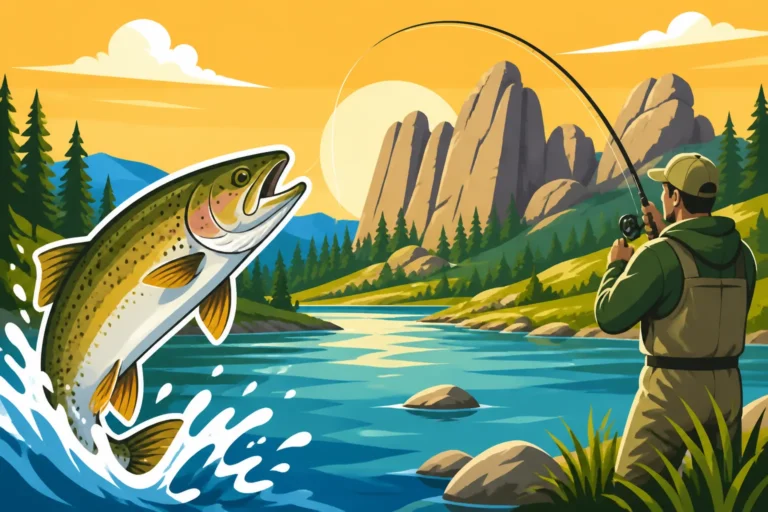
The Chinook salmon in Lake Oahe are not native to South Dakota; they are a successfully introduced species, specifically stocked to create a trophy fishery and to help manage the forage base, primarily rainbow smelt. Their journey begins as tiny fingerlings, hatched and reared at the Whitlock Bay Spawning Station or other facilities, before being released into Lake Oahe. For the next three to five years, these powerful fish roam the vast waters of Lake Oahe, growing to impressive sizes, feeding on the abundant baitfish. You can learn more about the specifics of their introduction and growth in our comprehensive guide to South Dakota Chinook Salmon Fishing Guide. As they approach maturity, usually in the fall, an innate drive compels them to return to their "home"—the area around the Whitlock Bay Spawning Station. This is their final, dramatic journey to spawn, marking the culmination of their life cycle. Understanding the Chinook Salmon Spawning Time on Lake Oahe is key to catching this spectacle.
When to Expect the Salmon Run
Timing is everything when it comes to witnessing the salmon run. While nature always has its own schedule, generally, the Whitlock Bay salmon run begins in late September and can extend well into October, sometimes even early November, depending on the weather and water conditions. The peak of the run typically occurs from mid-October to early November. Factors like sustained cold temperatures, dropping lake levels, and strong north winds can influence the timing and intensity of the run, pushing the fish into the bay more quickly.
It's a dynamic process; you might see a trickle of fish one week and a flood the next. Keeping an eye on local fishing reports, especially those from the South Dakota GFP, or checking with local bait shops around Gettysburg or Mobridge, can give you the most up-to-date information on the salmon's arrival. These local sources are often the first to notice when the larger schools of fish begin making their way into the bay.
Prime Viewing Locations at Whitlock Bay
Knowing when the salmon are running is only half the battle; the other half is knowing where to position yourself for the best views. Whitlock Bay offers several excellent spots, each providing a slightly different perspective on this remarkable natural event.
The Whitlock Bay Salmon Spawning Station
Without a doubt, the Whitlock Bay Salmon Spawning Station is the premier location for witnessing the salmon run. This facility is specifically designed to collect and spawn the returning Chinook salmon, making it the focal point of their migration. Visitors are often welcome to observe the operations, providing an unparalleled close-up view of the fish.
When you arrive at the station, you'll typically find designated viewing areas. The most impressive feature is often the fish ladder, a series of steps and pools that allow the salmon to overcome barriers and reach the holding ponds within the station. Watching these powerful fish leap and fight their way up the ladder is truly awe-inspiring. Inside the facility, or sometimes through exterior windows, you can often see large numbers of salmon gathered in holding pens, waiting for the spawning process. The GFP staff are usually very knowledgeable and sometimes available to answer questions, providing insights into the salmon's biology and the importance of the spawning program. The sheer volume of fish concentrating here during the peak run is astonishing, creating an unforgettable experience for visitors.
Shoreline and Dam Area Views
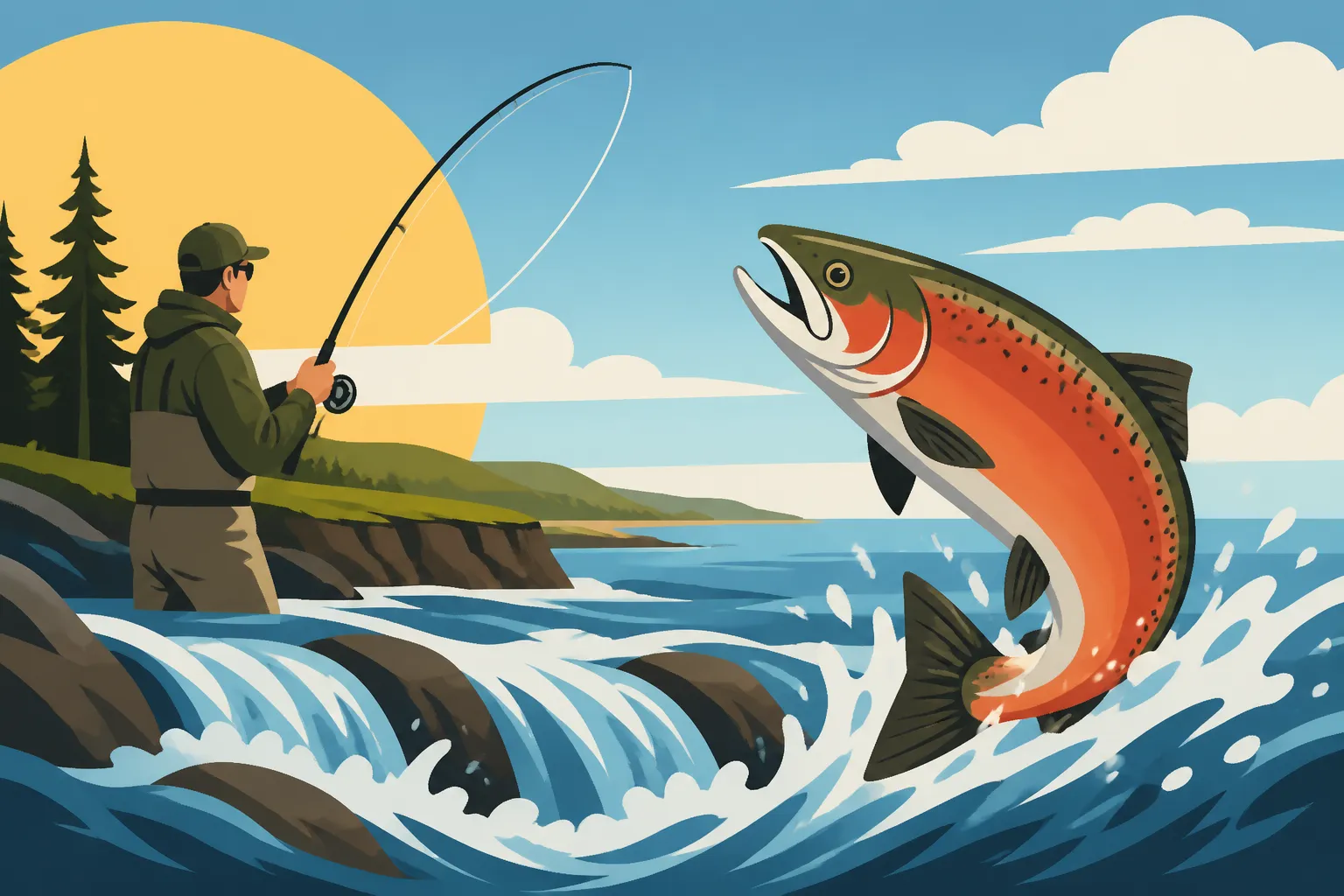
While the spawning station offers the most concentrated viewing, other areas around Whitlock Bay can also provide excellent opportunities, especially for those who prefer a more tranquil or independent viewing experience. The shoreline directly adjacent to the spawning station, as well as areas further into Whitlock Bay towards the main lake, can be productive. As the salmon stage in the bay before entering the facility, you might spot them finning near the surface or watch them jump.
The small dam and spillway area within the bay can also be a good vantage point. Fish often congregate near any natural or artificial current breaks, making these areas natural collection points. During the peak run, it's not uncommon to see salmon jumping repeatedly, trying to navigate these barriers. Parking areas and access roads are usually well-maintained, allowing for easy access to various shoreline spots. Just be sure to observe any posted signs regarding restricted areas, especially near the spawning station infrastructure itself. For anglers, these areas can also be prime spots to try and catch a returning salmon, though specific South Dakota Fishing Regulations Explained will apply, especially concerning snagging, which is often prohibited or highly restricted.
Boat Access for a Unique Perspective
For those with a boat, or access to one, viewing the salmon run from the water offers a truly unique perspective. You can navigate through Whitlock Bay and position yourself in areas where salmon are staging before they make their final push to the spawning station. This can give you a different appreciation for the scale of the run, as you might see schools of fish moving beneath your boat or jumping nearby.
When viewing from a boat, it's crucial to exercise caution and respect. Maintain a safe distance from the spawning station's structures and any other boats or shore-based viewers. Avoid disturbing the fish excessively, as they are on a critical part of their journey. Using your boat's fish finder can also add another layer to the experience, allowing you to see the congregations of fish below the surface, even if you don't always spot them visually. For those without a personal boat, consider chartering a trip with a local guide. Many professional guides offer specialized trips during the salmon run, not just for fishing but also for observation. Websites like FishingBooker can be a great resource to find experienced local guides who know the bay intimately and can provide an educational and enjoyable experience. Just remember that all vessels, including kayaks and canoes, often need to adhere to specific South Dakota boat and water access rules, so be sure you're familiar with them.
Tips for a Successful Salmon Run Viewing Experience
Witnessing the salmon run is a truly incredible event, but a little preparation can go a long way in making your experience comfortable and enjoyable. South Dakota weather in the fall can be unpredictable, and the area around Lake Oahe is vast, so planning ahead is key.
Best Times of Day to Visit
While salmon can be seen throughout the day during the peak of the run, certain times tend to offer the best viewing opportunities. Early mornings, just after sunrise, and late afternoons, leading up to sunset, are often the most active periods. During these times, the light is usually softer, making it easier to spot fish, and the temperatures are cooler, which tends to make the salmon more active.
Mid-day can also be productive, especially if the weather is overcast. However, bright, sunny afternoons might drive some fish deeper or make them less visible. If you're planning to spend an extended period watching, consider arriving early and staying until late afternoon to catch both prime windows of activity. Keep in mind that the spawning station itself operates during specific hours, so if you want to see the processing activities, you’ll need to check their schedule.
What to Bring for Your Trip
Autumn in South Dakota can bring a wide range of temperatures, from mild and sunny to surprisingly chilly and windy. Being prepared for varying conditions is essential.
Here’s a helpful checklist:
| Item | Why It's Essential |
|---|---|
| Warm Layers | Fall mornings and evenings are often cool; layers allow you to adjust to temperature changes. |
| Windbreaker/Rain Gear | The open expanse of Lake Oahe means wind is often a factor, and rain can be sudden. |
| Comfortable Walking Shoes | You might be doing some walking to different viewing spots along the bay. |
| Binoculars | Great for spotting distant jumpers or observing fish in the water more clearly. |
| Camera | You'll want to capture the incredible sights; ensure batteries are charged. |
| Snacks and Water | While there might be limited amenities, having your own provisions is always wise. |
| Camp Chair | If you plan to settle into a spot for a while, a portable chair can be a lifesaver. |
| Sunscreen and Hat | Even on cooler days, UV rays can still be strong, especially with reflective water. |
| Insect Repellent | Depending on the year and conditions, mosquitoes or gnats can still be present. |
Respecting the Fish and Wildlife
When you're out in nature, especially around a sensitive operation like a fish spawning station, it's paramount to practice responsible wildlife viewing. This means maintaining a respectful distance from the fish and the spawning station infrastructure. Avoid making loud noises or sudden movements that could startle the fish. Remember, these salmon are at a critical, and often exhausting, stage of their lives.
Stay on marked trails and viewing platforms, and do not venture into restricted areas. Littering is a definite no-no; pack out everything you pack in. If you're bringing pets, ensure they are leashed and under control at all times, preventing them from disturbing wildlife or other visitors. Observing these guidelines not only ensures your safety but also helps protect the salmon and preserves the natural beauty of Whitlock Bay for everyone to enjoy for years to come.
Combining Viewing with Fishing Opportunities
For many anglers, the salmon run isn't just about watching; it's also about participating. The return of the Chinook salmon offers a thrilling opportunity to try and catch one of these magnificent fish. However, it’s crucial to understand that fishing during the run, especially in areas close to the spawning station, comes with its own unique set of rules and considerations.
Regulations for Angling During the Run
South Dakota has specific regulations for fishing, and these can become even more particular during the salmon run, especially in the vicinity of Whitlock Bay. First and foremost, you'll need a valid South Dakota Fishing License Guide, and depending on your residency and age, this might include a South Dakota Nonresident Fishing License Rules or specific stamps. It's essential to consult the current year's South Dakota Fishing Handbook or the GFP website for the most up-to-date information on limits, methods, and any special closures or restrictions around Whitlock Bay.
One critical regulation to be aware of is snagging. In many areas, and often specifically around spawning stations, snagging (intentionally hooking fish in areas other than the mouth) is either prohibited or comes with very strict guidelines. This is to ensure fair chase and protect the integrity of the spawning fish. Always double-check the South Dakota Fish Limits and Size Restrictions for Chinook salmon, as these can vary. Ignorance of the law is not an excuse, and violating fishing regulations can result in significant fines and penalties.
Recommended Gear and Techniques
If you plan to fish during the run, you'll want gear that can handle powerful, hard-fighting fish. A medium-heavy to heavy action rod with a strong baitcasting or spinning reel spooled with 15-25 pound test monofilament or braided line is a good starting point. You'll also want a stout leader, perhaps 20-30 pound fluorocarbon, to withstand the salmon's abrasive mouths and powerful runs.
Techniques often revolve around imitating dying baitfish or triggering an aggressive strike. Trolling spoons, especially those in bright, flashy colors like silver, chartreuse, or orange, can be effective in the main bay. Some anglers use downriggers to get their lures down to the salmon's preferred depths. For those fishing from shore, casting large spoons or heavy jigs can work, especially if you can get them into deeper water or current seams. Knowing How to Catch Chinook Salmon From Shore on Lake Oahe can give you an edge. Many anglers also refer to our guide on South Dakota Chinook Salmon Trolling Techniques for more in-depth strategies. Remember, the goal is often to provoke a reaction strike, as these fish are primarily focused on spawning, not feeding.
Hiring a Local Guide for the Best Experience
For both viewing and fishing, hiring a local guide can significantly enhance your Whitlock Bay salmon run experience. These professional guides spend countless hours on Lake Oahe and in Whitlock Bay; they know the subtle nuances of the salmon's behavior, the prime viewing spots, and the most effective fishing techniques. A guide can navigate you directly to where the fish are most active, interpret conditions, and ensure you're fishing legally and ethically.
Additionally, a good guide will often provide all the necessary gear, bait, and tackle, taking the guesswork out of preparation. They can also share valuable insights into the ecosystem of Lake Oahe and the history of the salmon fishery, making your trip educational as well as exciting. Using a service like FishingBooker is an excellent way to connect with highly-rated local guides specializing in Lake Oahe and the salmon run. Many guides offer half-day or full-day trips that cater to both serious anglers and those simply looking to witness the spectacle up close, often providing all the necessary insights and equipment for an unforgettable adventure. Consider looking into Best Guided Fishing Trips on Lake Oahe to find the perfect outfitter.
Beyond the Run: Exploring Whitlock Bay and Lake Oahe
While the salmon run is undoubtedly a highlight, Whitlock Bay and the larger Lake Oahe region offer much more to explore, making it a fantastic destination for a longer visit, well beyond the fall spectacle.
Other Fish Species and Recreational Activities
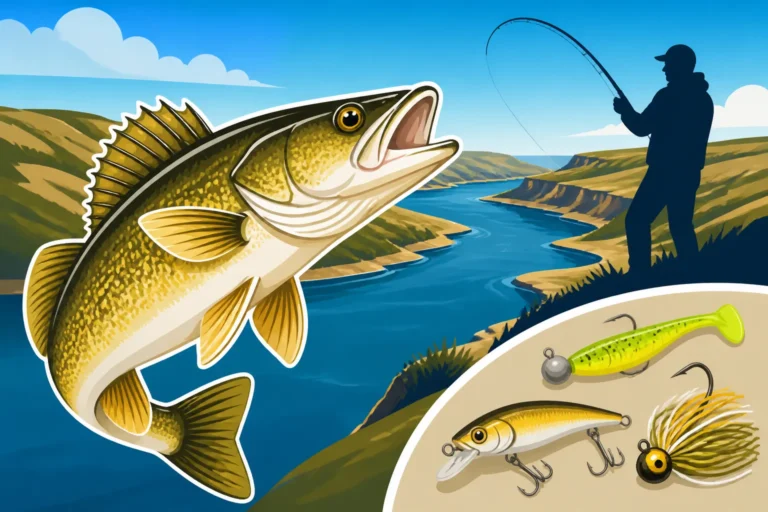
Lake Oahe is renowned as a premier fishery, especially for walleye. Even outside of the salmon run, anglers flock to its waters year-round seeking the state's prized game fish. Our comprehensive Lake Oahe Fishing Guide details the incredible opportunities for targeting these tasty fish, along with formidable northern pike, smallmouth bass, and various panfish. The lake's immense size and diverse structure, from deep channels to rocky points and submerged timber, create habitats for a wide array of species.
Beyond fishing, Lake Oahe and its surrounding areas offer abundant recreational opportunities. Boating, kayaking, and canoeing are popular activities, with numerous boat ramps providing easy access. The lake's vastness makes it ideal for watersports during the warmer months. Camping is available at several state recreation areas and parks along the shoreline, offering beautiful views and direct access to the water. Hiking trails provide opportunities to explore the prairie landscape and observe local wildlife, including various bird species.
Nearby Amenities and Accommodations
Whitlock Bay is relatively remote, but essential amenities and accommodations are available in nearby towns, ensuring visitors have a comfortable base for their adventures. The closest town, Gettysburg, South Dakota, offers basic services including gas stations, a few local diners, and some charming small-town lodging options. It’s a great place to pick up forgotten essentials or grab a hearty meal after a long day on the water.
Further north, the larger town of Mobridge, South Dakota, provides a wider range of services. Here you’ll find more extensive grocery stores, bait shops (which are excellent for getting current fishing reports!), more diverse restaurant choices, and a selection of hotels and motels. Many anglers choose Mobridge as their base when fishing the northern reaches of Lake Oahe.
For those looking for a truly immersive experience, several campgrounds and RV parks are located directly around Lake Oahe, including some managed by the GFP. These often fill up quickly during peak seasons, especially the salmon run, so booking well in advance is highly recommended. For planning your trip and finding lodging or even a guided fishing tour that can help with accommodation, resources like FishingBooker can be invaluable, offering options and reviews to help you plan your perfect South Dakota adventure.
South Dakota Salmon Run Viewing Summary
| Aspect | Key Details |
|---|---|
| Location | Whitlock Bay, Lake Oahe, near Gettysburg, South Dakota. Spawning Station is the primary draw. |
| Best Time of Year | Late September through early November. Peak typically mid-October to early November. |
| Best Time of Day | Early morning and late afternoon often offer the most active viewing. |
| Primary Viewing Spot | Whitlock Bay Salmon Spawning Station (fish ladder, holding pens). |
| Other Viewing Spots | Shoreline areas within Whitlock Bay, dam/spillway areas, or from a boat in the bay. |
| What to Bring | Warm layers, windbreaker, binoculars, camera, snacks, water, comfortable shoes. |
| Fishing | Possible during the run, but strict regulations apply. Check GFP handbook for snagging rules and limits. |
| Guides | Highly recommended for both viewing and fishing. Local guides found on platforms like FishingBooker. |
| Nearby Towns | Gettysburg (basic amenities), Mobridge (more extensive services, bait shops, hotels). |
| Respect | Maintain distance, stay on paths, do not disturb fish or operations, pack out all trash. |
Disclaimer
Please note that fishing regulations, season dates, and access policies can change. While every effort has been made to provide accurate and up-to-date information, it is your responsibility to verify all details with the South Dakota Game, Fish and Parks (GFP) directly or by consulting the latest South Dakota Fishing Handbook before planning your trip. We are not responsible for any changes or discrepancies.