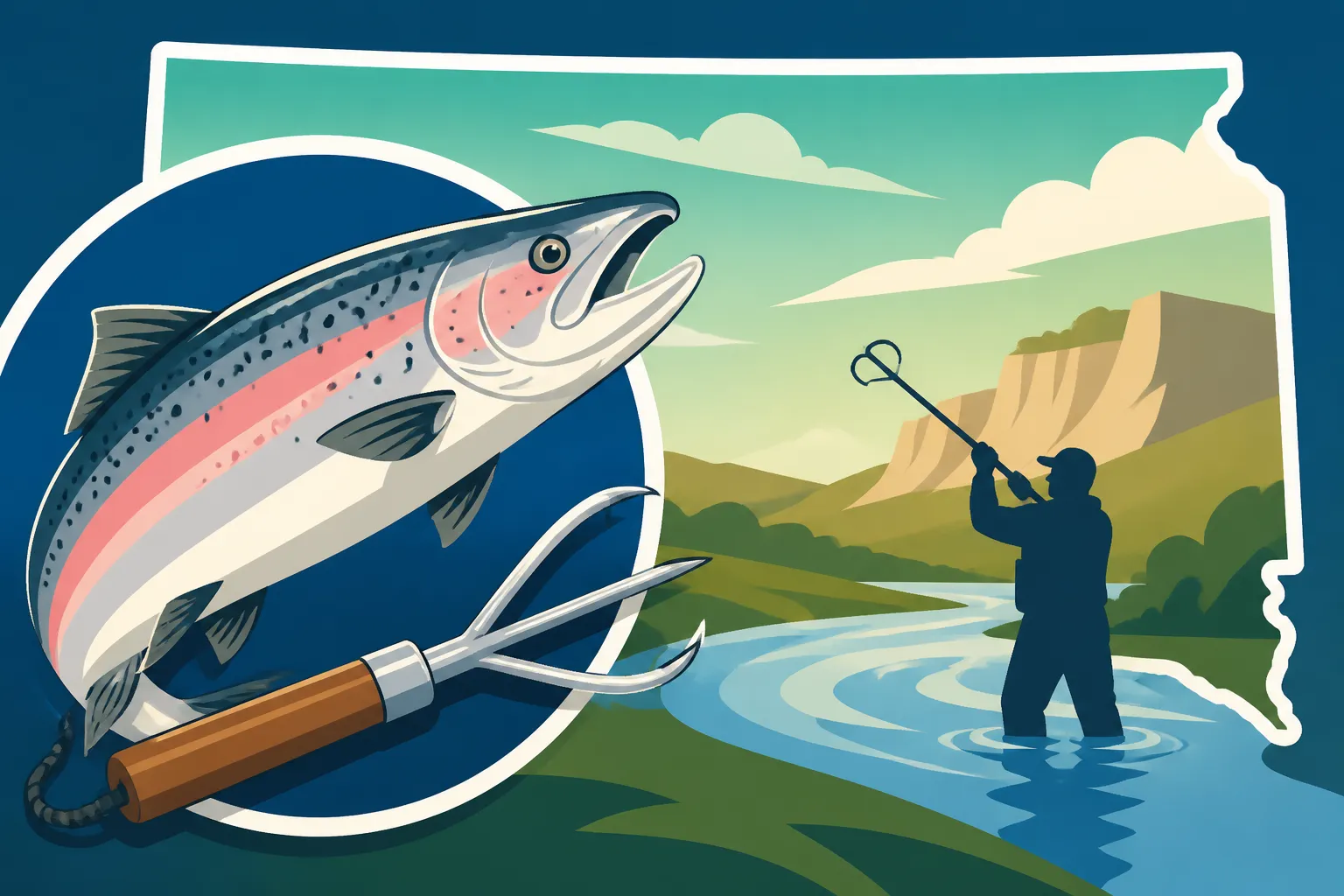
South Dakota Snagging Regulations for Salmon
It can be incredibly confusing to navigate the specific fishing regulations in a state, especially when it comes to methods like snagging that sometimes have a murky reputation. Many anglers, particularly those new to the South Dakota scene or visiting from out of state, often wonder about the legality and ethics surrounding snagging for species like our prized Chinook salmon. This guide will cut through the confusion, clearly outlining South Dakota's regulations for snagging salmon, helping you stay compliant and enjoy a successful, legal fishing experience.
Understanding Snagging in Fishing
Before we dive into South Dakota's specific rules, let's get on the same page about what "snagging" actually means in the context of fishing. Snagging, often referred to as foul-hooking, is a method where fish are intentionally caught by hooking them anywhere other than in the mouth. This can involve using large, weighted treble hooks, often cast out and then retrieved with a sharp, sweeping motion designed to impale any fish in the area.
This practice is highly controversial in the angling community and among wildlife management agencies for several important reasons. Firstly, it often results in fish being hooked in sensitive areas, leading to severe injury or even death, even if they are released. Secondly, it's considered an unsporting method, as it removes the element of fair chase and the challenge of enticing a fish to bite a lure or bait. It essentially bypasses the natural feeding behavior of the fish. These concerns are precisely why regulations exist and vary so much from place to place. Understanding the negative implications helps clarify why many jurisdictions, including South Dakota, have strict rules in place.
The Law: South Dakota's General Prohibition on Snagging Game Fish
Let's get straight to the point: In South Dakota, the intentional snagging of game fish is generally prohibited. This is a crucial piece of information for any angler casting lines in our waters. The South Dakota Game, Fish and Parks (GFP) clearly defines what constitutes a legal catch, and hooking a fish anywhere other than its mouth typically falls outside of those parameters. This rule applies across the board to most of our popular game species, including walleye, smallmouth bass, northern pike, and yes, Chinook salmon.
The spirit of this regulation is to promote ethical angling practices and ensure sustainable fish populations. By requiring anglers to catch fish by fair means – that is, by enticing them to bite a hook – it supports the long-term health of the fishery. Violating this rule isn't just a minor infraction; it can lead to significant penalties, including fines and potential loss of fishing privileges. It's always a good idea to consult the latest South Dakota Fishing Regulations Explained or the official South Dakota GFP Fishing Handbook Guide to ensure you have the most up-to-date information, as rules can sometimes be updated.
Specifics for Chinook Salmon in South Dakota
When it comes to Chinook salmon, primarily found in the majestic waters of Lake Oahe, the general prohibition on snagging game fish holds strong. You absolutely cannot intentionally snag Chinook salmon in South Dakota. Period. Anglers targeting these magnificent fish are expected to use traditional, fair-chase methods that involve the salmon actively taking the bait or lure into its mouth.
Chinook salmon in Lake Oahe undertake a spawning run, particularly in the fall, which draws many anglers to areas like Whitlock Bay. During these times, fish can become concentrated, making them appear "easy" targets. However, even during these periods of heightened activity, the rules on fair-chase fishing remain paramount. The focus for GFP is to ensure that while anglers can enjoy the thrill of catching salmon, it's done in a way that respects the fish and the resource. This is why understanding South Dakota Chinook Salmon Regulations is so vital, especially if you plan to target them during the Chinook Salmon Spawning Run Dates on Lake Oahe.
Instead of considering snagging, anglers should equip themselves with the right gear and knowledge for legal and effective salmon fishing. This might include studying South Dakota Chinook Salmon Trolling Techniques or learning How to Catch Chinook Salmon From Shore on Lake Oahe, depending on your preferred fishing style and location. Products like specific trolling spoons or crankbaits designed for salmon, which you can easily find on Amazon, are perfect for legal and effective salmon angling.
Why These Regulations Matter: Conservation and Fair Chase
The regulations against snagging aren't just arbitrary rules; they are deeply rooted in principles of conservation and promoting an ethical, sportsmanlike approach to fishing. South Dakota's fisheries, especially Lake Oahe's salmon program, represent a significant investment of resources and effort to maintain healthy populations. Snagging, if allowed, could quickly undermine these efforts.
Imagine a scenario where hundreds of anglers are indiscriminately snagging fish during a concentrated spawning run. The sheer volume of fish caught, combined with the high mortality rate of foul-hooked fish (even those intended for release), would decimate the population in a very short time. This is particularly true for species like salmon, which have a specific lifecycle and return to certain areas to spawn. These regulations help manage fish mortality, protect spawning aggregations, and ensure that future generations of anglers can also experience the thrill of chasing Chinook salmon. It’s about more than just catching fish; it’s about participating in a sustainable outdoor activity.
The concept of fair chase is also fundamental. It's about respecting the animal and engaging in a contest of skill and strategy. Anglers who choose to fish ethically understand that the reward isn't just the fish in hand, but the challenge and the experience of outsmarting the fish on its terms. This adds immense value to the sport, making every bite and every catch earned. For those passionate about How to Fish for Chinook Salmon in South Dakota, embracing these ethical techniques is part of the journey.
What You Can Do: Legal Methods for South Dakota Chinook Salmon
So, if snagging is off the table, how do you legally catch Chinook salmon in South Dakota? The good news is there are plenty of effective and incredibly rewarding methods that adhere to the rules. The primary goal is to present a bait or lure that the salmon will willingly strike and ingest, resulting in a hook-up in the mouth.
Here are some popular and legal techniques for South Dakota Chinook salmon:
- Trolling with Lures: This is arguably the most common and effective method for Lake Oahe salmon. Anglers use boats to slowly pull an array of lures, such as spoons, crankbaits, or flies, at varying depths. Downriggers and planer boards are often employed to cover wide areas and present lures precisely. Lures like Northern King spoons or J-Plugs, readily available on platforms like Amazon, are perennial favorites. The key is to match your lure color and action to the prevailing conditions and the salmon's mood. You might explore South Dakota Chinook Salmon Trolling Techniques for more in-depth advice.
- Casting from Shore: During the fall spawning run, salmon will congregate near areas like the Whitlock Bay spawning station. Shore anglers can have great success casting spoons, spinners, or even large jigs. The trick is often to make long casts and retrieve them consistently, mimicking fleeing baitfish. If you're looking for gear, a good quality medium-heavy spinning rod and reel, perfect for long casts, can be found with ease on Amazon.
- Drifting with Bait: While not as common for Chinook as it is for walleye, some anglers will drift live bait (where legal) or cut bait in areas where salmon are actively feeding. The goal is still for the fish to take the bait into its mouth. It’s always important to double-check bait regulations, especially in specific areas.
- Fly Fishing: While less common for the large, open waters of Lake Oahe, some skilled fly anglers target salmon in shallower areas or tributaries (if accessible and legal for salmon). Large streamer patterns designed to imitate baitfish are typically used.
Always remember to check the South Dakota Fish Limits and Size Restrictions, particularly the South Dakota Chinook Salmon Daily Limit, before you head out. These limits are in place to ensure a sustainable harvest and prevent overfishing.
Potential Consequences of Illegal Snagging
Ignoring South Dakota's clear regulations against snagging game fish, including Chinook salmon, can lead to serious repercussions. Enforcement officers with the South Dakota Game, Fish and Parks are vigilant, especially during peak fishing seasons and at popular spots like Whitlock Bay during the salmon run.
Here's what you could face:
- Fines: These can be substantial, often ranging from hundreds to potentially thousands of dollars, depending on the severity of the offense and whether it's a first or repeat violation.
- Confiscation of Gear: Your fishing equipment, including rods, reels, and even your boat, could be confiscated by authorities.
- Loss of Fishing Privileges: You could have your South Dakota fishing license revoked for a period, or even permanently. For nonresidents, this could also impact your ability to obtain licenses in other states.
- Criminal Charges: In some cases, particularly with repeat offenses or large-scale illegal activity, snagging could lead to misdemeanor criminal charges.
- Reputational Damage: Beyond legal consequences, engaging in illegal and unethical fishing practices can severely damage your reputation within the angling community.
The message is clear: the potential risks far outweigh any perceived benefit of snagging. It’s simply not worth it. The South Dakota GFP takes these regulations seriously to protect our natural resources. Understanding rules like the South Dakota Fishing License Guide and ensuring you are always compliant is paramount for a worry-free and enjoyable fishing experience.
Navigating Salmon Regulations: A Quick Reference
To help clarify the dos and don'ts, here's a quick summary of key points regarding salmon fishing and snagging in South Dakota:
| Aspect | South Dakota Regulation |
|---|---|
| Snagging Game Fish | Strictly Prohibited. Intentional hooking of any game fish (including Chinook salmon) anywhere other than the mouth is illegal. |
| Target Species | Chinook salmon are the primary salmon species targeted, mainly in Lake Oahe. |
| Legal Methods | Fair-chase methods required. This includes trolling with lures (spoons, crankbaits), casting spoons or spinners from shore, or drifting appropriate baits where legal, ensuring the fish takes the hook in its mouth. |
| Key Locations | Lake Oahe, especially around areas like Whitlock Bay during the fall spawning runs (Chinook Salmon Spawning Time on Lake Oahe). |
| Daily Limits | Specific daily and possession limits apply to Chinook salmon. Always check the current regulations for South Dakota Chinook Salmon Daily Limit before fishing. |
| Enforcement | South Dakota Game, Fish and Parks officers actively patrol fishing areas. Violations can lead to significant fines, confiscation of gear, and loss of fishing privileges. (What Happens If You Fish Without a License in South Dakota? provides context on legal consequences for various infractions.) |
Disclaimer
The information provided in this guide is for general informational purposes only and is not intended as legal advice. Fishing regulations can change, and specific rules may vary by location or season. Always consult the most current official South Dakota Game, Fish and Parks regulations handbook or website before engaging in any fishing activity.