Best Time to Winterize a Fishing Boat
There's nothing quite like that last glorious cast of the season, watching the sun set over Lake Sharpe or the Missouri River, knowing you've made memories. But let's be real, once that chill starts to creep into the air and the geese start heading south, a new kind of work begins for us South Dakota anglers: getting our beloved fishing boats ready for the long, brutal winter. Ignoring this crucial step can lead to heartbreaking damage and expensive repairs come spring. This guide is all about helping you understand when to winterize your fishing boat in South Dakota, ensuring it's protected from our notoriously harsh cold and ready to hit the water next spring without a hitch.
Why Winterizing Your Fishing Boat in South Dakota is Non-Negotiable
If you've spent even one winter here in South Dakota, you know it's not for the faint of heart, and that goes double for your boat. Many folks from milder climates might get away with less rigorous preparation, but that's simply not an option for us. The stakes are high when you're dealing with prolonged sub-zero temperatures and relentless freezing and thawing cycles.
The Harsh Realities of South Dakota Winters
Our winters aren't just cold; they're aggressively cold. We're talking about weeks, sometimes months, of temperatures dipping well below freezing, often accompanied by strong winds and heavy snow. What does this mean for your fishing boat? It means that any water left in hoses, pumps, engine blocks, or livewells will expand when it freezes. This expansion is incredibly powerful, enough to crack engine blocks, burst pipes, and damage pumps, essentially turning critical components into expensive junk. I've heard too many stories from fellow anglers who thought they could squeeze in one more week, only to be caught off guard by an early cold snap, resulting in thousands of dollars in repairs just because a few ounces of water froze in the wrong place. Don't let that be you!
Beyond the obvious catastrophic damage to the engine, freezing temperatures can also wreak havoc on your boat's other systems. Batteries left exposed to the cold lose their charge faster and can freeze solid if fully discharged, ruining them. Electronics, while often designed to withstand some cold, can be compromised by extreme temperature swings and moisture. Even the structural components of your boat, like the hull and transom, can suffer from repeated freezing and thawing if water penetrates small cracks or crevices, leading to delamination or structural weakness over time. It's a sobering thought, but every little bit of water needs to be accounted for.
Protecting Your Investment for Longevity
Your fishing boat isn't just a toy; it's a significant investment, a portal to your passion, and for many, a family heirloom in the making. Proper winterization is the single most important thing you can do to extend its lifespan and maintain its resale value. Think of it as preventative medicine. By taking the time to properly prepare your boat for winter, you're not just avoiding immediate damage; you're safeguarding its long-term health.
A boat that's been consistently well-maintained and properly winterized will run better, more reliably, and for many more years. It means less time in the repair shop and more time on the water chasing walleye on Lake Oahe or trout in the Black Hills. When it comes time to sell or upgrade, a boat with a documented history of meticulous winter care will always fetch a better price and inspire more confidence in a potential buyer. You're preserving the integrity of every system, from the engine's internal components to the upholstery and fiberglass finish, ensuring that each spring, your boat emerges from its winter slumber ready to perform at its best. It's about peace of mind, knowing that when spring finally arrives, you'll be one of the first ones on the water, not waiting for a mechanic.
Pinpointing the Ideal Time to Winterize Your Boat in South Dakota
Knowing that you need to winterize is one thing, but figuring out the exact right moment can feel a bit like guessing the lottery numbers, especially with South Dakota's often unpredictable weather patterns. However, there are clear indicators and best practices that can help you nail the timing every year.
Watching the Calendar and the Thermometer
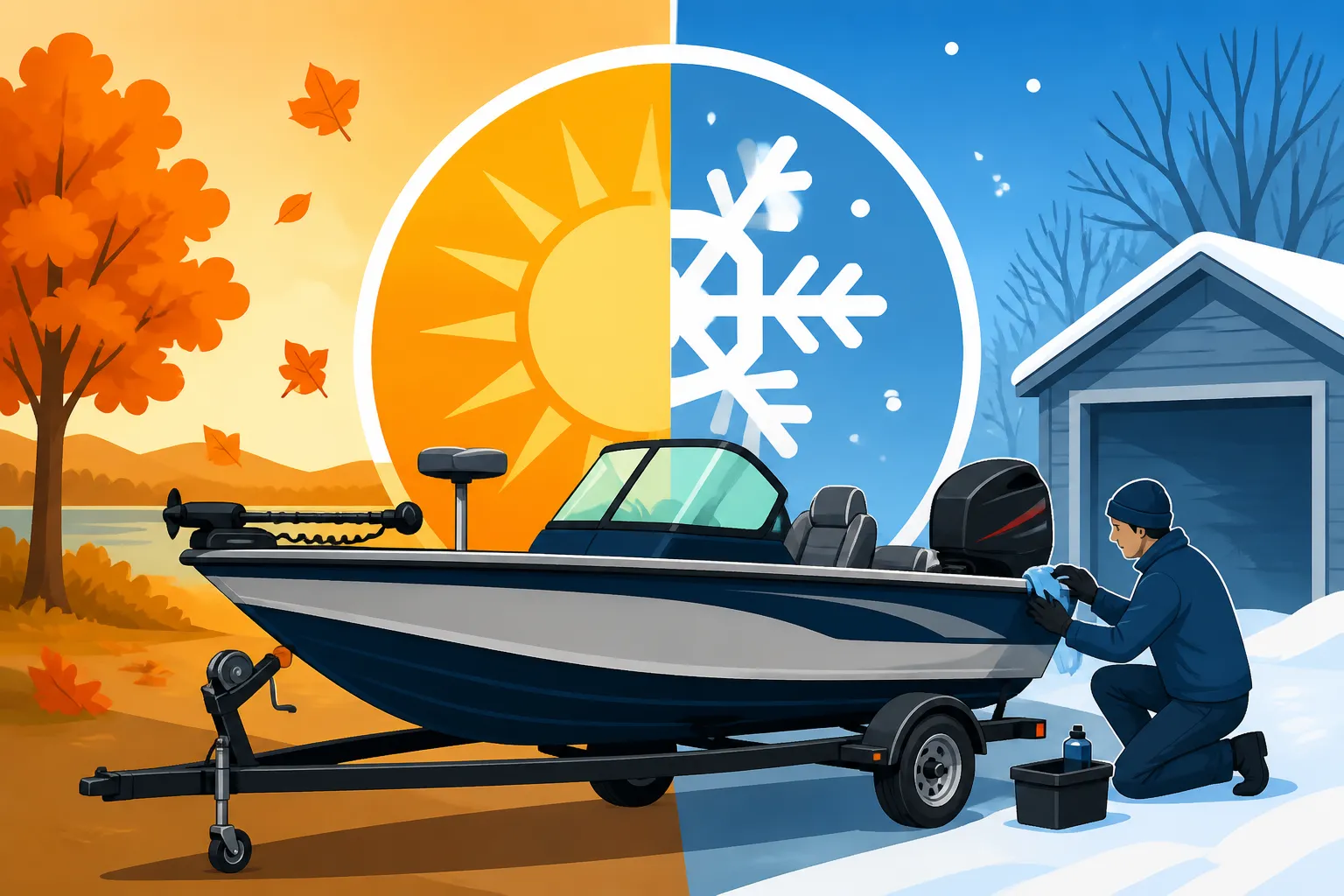
Generally speaking, for most of South Dakota, the prime window for winterizing your fishing boat typically falls between late October and mid-November. However, relying solely on a calendar date is risky. The real trigger you're looking for is the first hard, sustained freeze, or when daytime temperatures consistently hover near or below freezing. I usually advise fellow anglers to pay close attention to the forecast once October rolls around. If you see a stretch of nights dropping into the low 20s or teens, and especially if those cold temperatures are predicted to last for more than a couple of days, it's absolutely time to get the job done.
One year, I had a buddy who planned to winterize his boat the second weekend of November. A sudden cold snap hit the last week of October, with overnight lows dipping into the teens for three straight nights. He hadn't even started, and sure enough, come spring, he had a cracked engine block because some water had been trapped in his cooling system. It was a costly lesson. So, while October and November are good general guidelines, your thermometer and the daily weather forecast are your ultimate decision-makers. Don't wait until ice is already forming on puddles; be proactive.
Considering Your Last Fishing Trip of the Season
Here's a golden rule: winterize your boat immediately after your absolute last fishing trip of the season. Seriously, don't put it off. It's tempting to think, "Oh, there might be one more warm day in November," and sometimes there is! But that one warm day isn't worth the risk. If you've just returned from a glorious day of chasing walleye on Lake Francis Case or smallmouth on Lake Sharpe, and you know deep down that the serious fishing is over for the year, then that's your cue.
The danger in waiting is that South Dakota weather can turn on a dime. A balmy 50-degree day can be followed by a blizzard and single-digit temperatures within 24-48 hours. If your boat is still wet from that "one last trip" when the deep freeze hits, you're in trouble. The small amount of water left in your livewell pump, baitwell hoses, or even the bilge can freeze solid and cause significant damage before you ever have a chance to act. So, when you pull your boat out of the water after that final outing, make it a priority to start the winterization process within a day or two. It's truly better to be a little early than a minute too late.
Regional Differences Across South Dakota
While the general principles apply statewide, there can be slight variations in timing depending on where you're located in South Dakota. For instance, anglers in the higher elevations of the Black Hills area, like around Spearfish or Custer, might experience their first consistent freezing temperatures a bit earlier than those down in the southeastern part of the state, say near Yankton or Sioux Falls.
The eastern Glacial Lakes region, while still very cold, might have a slightly longer fall season before the really brutal cold sets in compared to the western plains. This means if you're fishing Sheridan Lake in the Black Hills, you might be thinking about winterizing in mid-October, whereas if your home waters are Lake Kampeska near Watertown, you might have until early November. Always check your local forecast, not just a statewide average. Understanding these subtle regional differences can help you fine-tune your winterization schedule, ensuring you're never caught off guard no matter where you call home in our great state.
Essential Steps for a Thorough Winterization Process
Winterizing a boat isn't just one step; it's a series of crucial tasks designed to protect every aspect of your vessel. While specific procedures can vary slightly depending on your boat's make, model, and engine type, the core principles remain the same. Always consult your owner's manual for detailed, model-specific instructions – it's your best friend in this process!
Engine Care: The Heart of Your Boat
Your boat's engine is its most vital component, and protecting it from freezing is paramount. This is where most of the critical and potentially costly damage can occur.
First things first, stabilize your fuel. Modern gasoline, especially with ethanol blends, can degrade rapidly, attracting water and forming gummy deposits that can clog fuel lines and carburetors. Add a high-quality marine fuel stabilizer to your tank, run the engine for 10-15 minutes to ensure the treated fuel circulates through the entire fuel system, and then fill the tank completely to prevent condensation. This is a non-negotiable step, whether you have an outboard, inboard, or stern drive.
Next, you'll need to address the engine's internal components. For outboard motors, a key step is to "fog" the cylinders. This involves spraying a fogging oil into the air intake while the engine is running (or directly into the spark plug holes once the plugs are removed, then turning the engine over a few times). This oil creates a protective coating on internal engine parts, preventing rust and corrosion during storage. You'll also want to change the engine oil and filter (for 4-stroke outboards), and the lower unit gear lube. Fresh oil and gear lube are free of contaminants and moisture, offering better protection. Ensure your cooling system is fully drained; most outboards are designed to self-drain when tilted down, but it's always good to visually confirm. Many also recommend running a freshwater flush for a few minutes before final draining if you've been in silty or saltwater. You can learn more about general maintenance in How to Maintain an Outboard Motor Between Trips.
For inboard or stern drive (I/O) engines, the process is a bit more involved as these use a closed or open cooling system similar to a car. You'll typically drain the raw water cooling system and then fill it with an environmentally friendly marine-grade antifreeze. Fogging the engine, changing the oil and filter, and replacing the gear lube (for I/O outdrives) are also crucial steps. This is a task where following your specific engine manual is absolutely critical to avoid missing a drain plug or a critical hose.
Protecting Your Boat's Systems and Structure
Beyond the engine, your boat has numerous other systems that require attention to survive the winter unscathed.
Start with the batteries. Remove them from the boat, clean the terminals, and store them in a cool, dry place where they won't freeze. Connect them to a Best Marine Battery Charger for Winter Storage to keep them topped off with a trickle charge. A dead battery can freeze and crack, rendering it useless. Even a fully charged battery can be damaged by prolonged, extreme cold.
Next, drain all water systems. This includes livewells, baitwells, washdown pumps, and the bilge. Run the pumps dry, then disconnect hoses if possible and allow any residual water to drain completely. Some anglers even use a shop vac to suck out any remaining drops from hard-to-reach areas. For any freshwater systems (galley, head), ensure all lines are drained and filled with non-toxic marine-grade antifreeze. Don't forget to drain your portable fuel tanks as well if you use them.
Thoroughly clean the interior and exterior of your boat. Remove all personal belongings, fishing gear, and any perishable items. Clean out the livewells, remove any trapped leaves or debris, and make sure they are completely dry to prevent mold and mildew. Wipe down all surfaces, and if your boat has carpeting or removable cushions, consider taking them home for storage in a climate-controlled environment. Giving the exterior a good wash and wax now will protect the gelcoat from environmental damage during storage. Speaking of protecting gear, check out How to Store Fishing Gear Over Winter and Best Way to Winterize Fishing Gear After the Season.
Finally, inspect the hull for any dings, scratches, or potential cracks. While you might not fix them immediately, knowing about them can prevent further damage during temperature fluctuations. This is also a great time to evaluate your boat cover.
Storage Location and Covering
Where and how you store your boat significantly impacts its winter well-being.
Indoor storage in a heated or unheated building is ideal. It protects your boat from snow, ice, wind, and harsh UV rays. If you're fortunate enough to have this option, ensure there's still good airflow to prevent moisture buildup, which can lead to mold and mildew. Leaving hatches and compartments slightly ajar can help.
Outdoor storage is common for many, but it requires more diligence. The key here is a high-quality, breathable Best Boat Cover for South Dakota Winters. A cheap tarp isn't going to cut it. You need a cover that is waterproof, UV-resistant, and, most importantly, fits securely to prevent wind damage. It should also be supported by a frame or poles to create a peak, allowing snow and rain to shed off and preventing pooling, which can stretch or tear the cover and trap moisture. Proper ventilation under the cover is crucial to prevent condensation and mildew, even outdoors. Some covers come with vents, or you can use passive ventilation systems. Make sure the boat is resting on blocks or jack stands, taking pressure off the tires if it's on a trailer, and that the trailer itself is in good shape.
| Winterization Task | When to Do It | Why It's Important |
|---|---|---|
| Fuel Stabilization | Immediately after last use, before storage | Prevents fuel degradation, ethanol separation, and engine damage. |
| Engine Oil & Filter | After last use | Removes contaminants, prevents corrosion, extends engine life. |
| Gear Lube Change | After last use | Replaces contaminated lube, prevents internal corrosion. |
| Engine Fogging | Before storage | Protects cylinder walls and internal parts from rust. |
| Cooling System Drain/Flush | After last use, before freezing temps | Prevents water expansion from cracking engine block/components. |
| Antifreeze (I/O only) | After draining cooling system | Provides additional freeze protection for internal passages. |
| Battery Removal/Charge | Before storage | Prevents discharge, freezing damage, and extends battery life. |
| Drain Water Systems | After last use, before freezing temps | Prevents livewells, pumps, and hoses from freezing and bursting. |
| Clean & Dry Interior | Before storage | Prevents mold, mildew, and odors; preserves upholstery. |
| Hull Inspection/Wash | Before storage | Identifies potential issues, protects gelcoat from winter elements. |
| Install Quality Cover | Before outdoor storage | Protects from snow, ice, UV, and debris; ensures ventilation. |
Common Mistakes to Avoid When Winterizing Your Fishing Boat
Even with the best intentions, it's easy to fall prey to a few common blunders that can undermine all your hard work and leave you with headaches in the spring. Being aware of these pitfalls is half the battle.
Procrastination and Rushing the Job
This is probably the number one mistake I see anglers make year after year. That "one more trip" or "I'll do it next weekend" mentality can be incredibly costly in South Dakota. Our weather doesn't wait for your convenience. A beautiful, mild fall day can quickly turn into a deep freeze overnight, and once that happens, it's too late. Water expands when it freezes, and even a few hours of hard freezing can do irreversible damage to an engine block or a pump.
Rushing the job is equally problematic. Winterization isn't something you can speed through in 20 minutes before sunset. Each step, from thoroughly stabilizing fuel to properly draining every last ounce of water from systems, needs your full attention. Skipping steps or doing them half-heartedly because you're in a hurry is just asking for trouble. It's better to set aside a dedicated block of time, gather all your supplies, and work methodically through your checklist. Think of it as an investment in next season's fishing success.
Overlooking Key Components (Livewells, Electronics)
While everyone tends to focus on the engine (and rightly so!), it's easy to overlook other vital components that are equally susceptible to winter damage. Livewells and baitwells are notorious for holding residual water in their pumps, hoses, and overflow lines. Even after you think you've drained them, there can be pockets of water lurking that will freeze and rupture the plastic. Always run the pumps dry, and if possible, use a shop vacuum to suck out any remaining moisture. Some people even disconnect the hoses entirely from the pumps if they're easily accessible.
Electronics are another area often neglected. While many modern fish finders and GPS units are built to be robust, extreme cold and fluctuating temperatures can still cause issues. It's always best practice to remove expensive electronics, especially head units, and store them in a climate-controlled environment indoors. If they're permanently mounted, ensure all connections are clean and dry, and consider covering them with a breathable material to prevent condensation. Don't forget about bilge pumps, washdown pumps, and any other water-related accessories on your boat. Each one needs to be drained and, if necessary, flushed with antifreeze.
Skipping the Fuel Stabilizer
In the age of ethanol-blended fuels, skipping fuel stabilization before winter storage is a recipe for disaster. Ethanol attracts and absorbs water, leading to phase separation where water and ethanol settle to the bottom of your fuel tank. When this happens, you get poor engine performance, corrosion, and ultimately, engine damage. The old belief that a full tank of gas is enough to prevent problems simply isn't true anymore with ethanol.
A good marine-grade fuel stabilizer works by preventing this phase separation and keeping your fuel fresh and potent for months. Add the recommended amount to your tank, run the engine for 10-15 minutes to ensure it circulates through the entire fuel system (including the fuel lines, filters, and carburetor or injectors), and then top off the tank completely to minimize air space and condensation. This simple step will save you from clogged fuel filters, carburetor rebuilds, and frustrating starting issues come spring. It's a small expense now that prevents significant headaches and repair bills later. When it comes to all aspects of boat maintenance, including looking at requirements like the South Dakota Boat Registration Guide and South Dakota Boat Safety Requirements, attention to detail always pays off.
Winterizing your fishing boat in South Dakota is more than just a chore; it's an essential part of responsible boat ownership that protects your investment and ensures countless more seasons of enjoyment on our beautiful waters. By understanding when to winterize, following a thorough checklist, and avoiding common mistakes, you can confidently put your boat to bed for the winter, knowing it will be ready to wake up and perform flawlessly when spring finally returns.
Disclaimer
This article is for general informational purposes only and does not constitute professional advice. Laws, prices and regulations vary by location and change over time. Consult a qualified professional for guidance on your specific situation.