How Many Life Jackets You Need on a Fishing Boat in South Dakota
There’s nothing quite like the feeling of hitting the open water in South Dakota, whether it’s the vast expanse of Lake Oahe or a quiet Black Hills stream, rod in hand, ready for a day of fishing. But before you even cast a line, one of the most critical safety questions often floats to the surface: how many life jackets do you actually need on your fishing boat in South Dakota? It's a common point of confusion, and getting it wrong can lead to hefty fines or, much worse, a dangerous situation. This guide will cut through the uncertainty, outlining the precise legal requirements and offering practical advice to keep everyone safe on your next South Dakota fishing adventure.
Understanding the Legal Requirements for Life Jackets in South Dakota
Navigating the rules and regulations around boating safety can sometimes feel like trying to land a trophy walleye with a tangled line – frustrating and often confusing. But when it comes to life jackets, South Dakota's regulations are pretty clear-cut, largely echoing federal U.S. Coast Guard (USCG) standards. The core principle is simple: safety first, and that means ensuring every person on your boat has access to a properly sized and approved personal flotation device (PFD).
The "One for Each" Rule
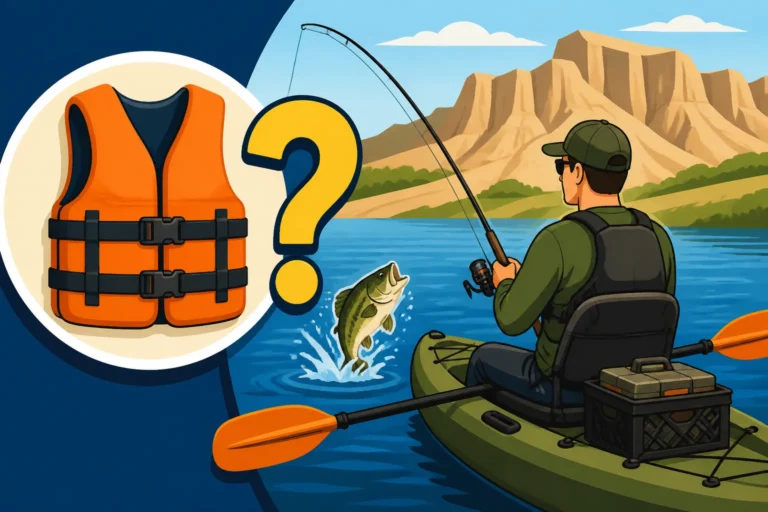
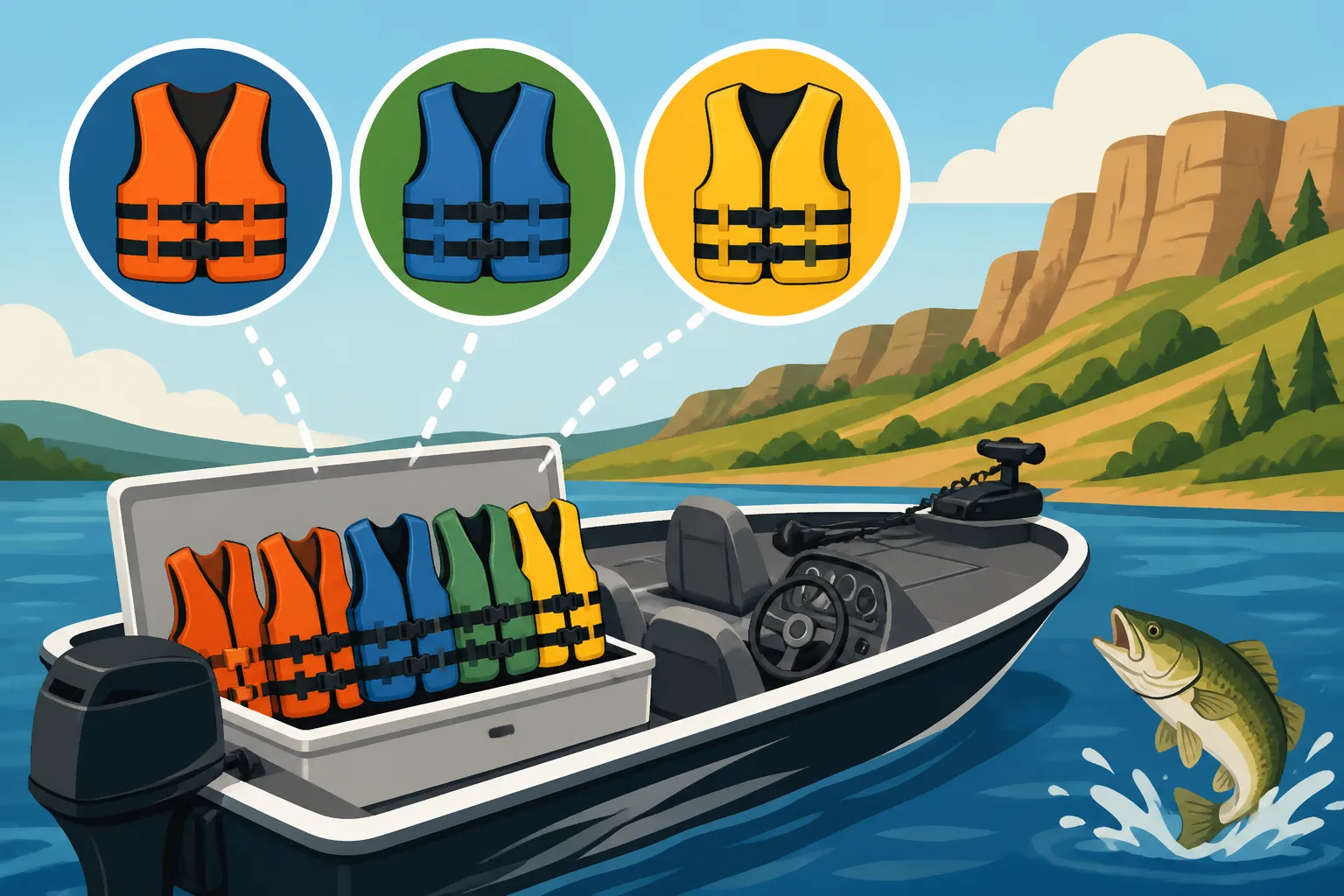
The most fundamental rule you need to etch into your memory is that every person on board a vessel in South Dakota must have a readily accessible, USCG-approved wearable PFD. This isn't just a suggestion; it's the law. This includes you, your fishing buddies, your kids, and even that friend who just came along for the scenic ride. It doesn't matter if you're out on the mighty Missouri River or exploring one of the smaller glacial lakes, this rule applies across the board. The emphasis here is on "wearable" – throwable cushions, while sometimes useful as supplementary devices, do not count towards this requirement. You need a vest or jacket designed to be worn.
Think about it this way: imagine you're cruising on Lake Sharpe, heading to a favorite fishing spot near West Bend Recreation Area, and suddenly, an unexpected rogue wave or a mechanical issue causes someone to go overboard. If there isn't a life jacket immediately available for them to grab or already be wearing, precious seconds are lost, and the danger escalates dramatically. That's why "readily accessible" is just as important as "one for each." It means not stuffed away in a locked compartment under a pile of gear, but rather somewhere easy to reach, like under a seat, in an open storage bin, or even better, being worn. For more detailed insights into all boating safety gear, check out our guide on South Dakota Boat Safety Requirements.
Special Rules for Children and Specific Activities
While the "one for each" rule is universal, South Dakota has additional requirements that specifically protect our youngest anglers and those engaged in certain watersports. These rules are in place because children, especially, can find themselves in serious trouble very quickly in the water, and some activities carry inherent higher risks.
In South Dakota, any child under seven years of age must wear a USCG-approved PFD at all times when on board any vessel 24 feet or less in length while the vessel is underway. This is a crucial distinction. "Underway" means the boat is not anchored, moored, or aground. So, if you're drifting for walleye on Lake Francis Case, and your five-year-old is with you, they need that life jacket on, securely fastened. It's not about being overprotective; it's about safeguarding precious lives. Even if your child is a strong swimmer, an accidental fall overboard, especially into cold water, can quickly disorient them and make swimming difficult.
Beyond children, if anyone on your boat is being towed (e.g., waterskiing, wakeboarding, tubing) or operating a personal watercraft (PWC) like a jet ski, they are also required to wear a USCG-approved PFD. This is often a Type III PFD, designed for comfortable wear during active sports. These specific activity rules acknowledge the dynamic nature of these water pursuits and the increased likelihood of entering the water. Always err on the side of caution and ensure everyone understands these rules before heading out. Our guide on South Dakota Life Jacket Requirements delves even deeper into these specific age and activity mandates.
Choosing the Right Life Jacket for Your Fishing Boat
It's not enough to just have a life jacket; you need the right life jacket. The U.S. Coast Guard classifies PFDs into different types, each designed for specific situations and offering varying levels of buoyancy and performance. Understanding these distinctions is key to making an informed choice for your fishing adventures, especially when comfort and functionality come into play.
The Different Types of USCG-Approved PFDs
Let's break down the main categories of PFDs you'll encounter. Each type has its own strengths and is suited for different boating scenarios:
-
Type I: Offshore Life Jackets
- These are the most buoyant PFDs, designed for rough, remote waters where rescue might be delayed. They're bulky but offer the highest level of flotation and are designed to turn an unconscious person face-up in the water. You'll typically see these on commercial vessels or offshore fishing boats. While providing maximum safety, they're often too cumbersome for most recreational fishing.
-
Type II: Near-Shore Buoyant Vests
- Often called "flotation vests," Type II PFDs are less bulky than Type I but still offer good flotation. They are designed for calm, inland waters or where there's a good chance of quick rescue. They may turn an unconscious person face-up in some conditions but are not guaranteed. These are commonly found on smaller fishing boats as a basic, economical option.
-
Type III: Flotation Aids
- These are by far the most popular choice for recreational boaters, including many anglers. Type III PFDs are designed for continuous wear and offer comfort and freedom of movement. They are suitable for calm, inland waters and are designed to keep a conscious person upright. However, they may not turn an unconscious person face-up. Many fishing vests, with their pockets and specialized features, fall into this category. The comfort factor is huge here, making people more likely to wear them.
-
Type IV: Throwable Devices
- These are not wearable PFDs but rather cushions or ring buoys designed to be thrown to someone in distress. While not counting toward the "one for each person" wearable requirement, having at least one USCG-approved Type IV throwable device on board vessels 16 feet or longer is a separate legal requirement in South Dakota. It's an essential piece of emergency gear.
-
Type V: Special Use Devices
- These are PFDs approved for specific activities, like kayaking, windsurfing, or waterskiing. They must be worn for the activity for which they are approved to count as a legal PFD. Many inflatable PFDs fall into this category, offering a sleek, low-profile design that's very popular with anglers. However, they come with specific usage requirements, which we'll discuss next.
Inflatable PFDs: Comfort Meets Compliance
Inflatable PFDs have revolutionized life jacket comfort, especially for active anglers who find traditional foam vests restrictive. These modern marvels are designed to be compact and lightweight, often worn like a small collar or waist pack, and inflate automatically upon immersion in water or by manual activation. This means you get excellent freedom of movement, which is a huge plus when you're casting, netting a fish, or maneuvering around the boat.
However, there are important caveats to using inflatable PFDs to meet South Dakota's legal requirements:
- Must Be Worn: Most USCG-approved inflatable PFDs (which fall under Type V) must be worn to count as a legal PFD. You can't just have it on board. This is a critical distinction from foam vests, which just need to be readily accessible. The idea is that if you're not wearing it, it can't inflate to save you.
- Maintenance: Inflatables require more maintenance than traditional foam PFDs. You need to periodically check the CO2 cartridge to ensure it's not expired or discharged and that the indicator shows it's armed and ready. Replacement cartridges are a routine part of ownership.
- Age Restrictions: Some inflatable PFDs are not approved for persons under a certain weight (often 80 pounds) or age, nor for non-swimmers. This is especially relevant if you have younger teenagers on board who might fit the weight requirement but could still benefit from a traditional foam PFD. Always check the label carefully for any restrictions.
When considering an inflatable PFD for your South Dakota fishing excursions, you can find a wide variety of options and styles at large outdoor retailers or online. Stores like Bass Pro Shops or even general retailers like Amazon offer extensive selections. Just be sure to read the USCG approval information carefully on the label to confirm it meets all necessary requirements for your intended use and age group.
Ensuring Proper Fit and Accessibility for Everyone
Having the right number and type of life jackets is a fantastic start, but it's only truly effective if those PFDs fit correctly and can be accessed when they're needed most. A life jacket that's too big can ride up around a person's ears, and one that's too small might not provide adequate flotation or even be impossible to fasten. And if it's buried under a pile of gear, it's about as useful as a fishing reel without line.
The Importance of a Proper Fit
A life jacket's effectiveness hinges entirely on its fit. For adults, a proper fit means the jacket should feel snug but comfortable, allowing for a full range of motion. When you try it on, have someone pull up on the shoulders of the PFD. If it rides up above your ears or mouth, it's too big. A properly fitted jacket will stay put, even when jostled. For children, this test is even more critical. Their PFD should be snug enough that you can't lift it higher than their ears. If you can, it's too large and could slip off in the water, leaving them unprotected.
It’s tempting to buy a slightly larger jacket for a growing child, thinking it will last longer, but this is a dangerous misconception. A life jacket must fit the child now, not next year. Their weight and chest size are the primary factors, not their age. Many manufacturers list weight ranges directly on the PFD label, so always adhere to those guidelines. Remember, a ill-fitting PFD can be just as dangerous, if not more so, than no PFD at all because it provides a false sense of security. Taking the time to properly size and fit everyone on board, especially before a trip, is an essential step in boating safety.
Making PFDs Readily Accessible
South Dakota law, like federal law, mandates that PFDs must be "readily accessible." This isn't just bureaucratic jargon; it's a critical safety measure. "Readily accessible" means that a life jacket can be retrieved and donned in a reasonable amount of time in an emergency situation. This means:
- Not in a locked compartment: If you have to dig out a key or struggle with a stubborn latch, it's not readily accessible.
- Not under heavy gear: PFDs shouldn't be buried under tackle boxes, coolers, or camping equipment.
- Not still in its original packaging: It should be ready to grab and wear.
Ideal placement often means storing PFDs in open storage bins, mesh bags hanging on the boat, or even having them laid out on seats or benches if space allows. On smaller fishing boats, space is often at a premium, so a little creative organization might be necessary. Some boaters assign each person a specific spot for their PFD at the beginning of the trip, making retrieval instinctive. The goal is that if someone unexpectedly goes into the water, or the boat encounters an immediate hazard, there's no fumbling or searching for a life jacket. Every second counts in a water emergency, and instant access to a PFD can be the difference between a close call and a tragedy. When reviewing your boat's setup, consider South Dakota Boat and Water Access Rules to ensure all your gear and setup is compliant.
Beyond the Law: Best Practices for Boating Safety
While adhering to the letter of the law is non-negotiable, a truly responsible angler goes above and beyond, embracing a culture of safety that prioritizes prevention and preparedness. South Dakota's waters can be unpredictable, from sudden weather changes on Lake Oahe to strong currents in the Missouri River tailwaters, and being overly cautious is always the wisest approach.
The "Wear It!" Philosophy
We've covered the legal requirement of having PFDs readily accessible, but there's a world of difference between having a life jacket on board and actually wearing it. The single most important safety tip any veteran angler or boater can offer is this: wear your life jacket! Many tragic accidents could have been prevented if the victims had simply been wearing their PFDs. An unexpected plunge into cold water can cause immediate shock, making it nearly impossible to swim or even put on a life jacket.
Consider the temperatures of South Dakota's waters, especially in spring and fall. Even a beautiful, sunny day can hide dangerously cold water temperatures beneath the surface. Cold water saps energy quickly, leading to hypothermia, which dramatically reduces a person's ability to self-rescue. Modern life jackets, particularly the Type III flotation aids and inflatable Type V devices mentioned earlier, are designed for comfort. There's no longer an excuse for discomfort. Make it a habit for everyone on your boat to wear their PFD from the moment you leave the dock until you return. Set a good example, especially if you have children or less experienced boaters with you. It fosters a safer environment for everyone.
Regular Inspection and Maintenance
Just like you wouldn't head out with a rusty hook or a frayed fishing line, your life jackets also need regular attention. PFDs can degrade over time due to exposure to sunlight, saltwater (if used outside SD, though less common here), fuel, or improper storage. A damaged PFD might not provide the flotation it was designed for, creating a false sense of security.
Here’s a quick checklist for PFD maintenance:
- Check for Tears and Rips: Inspect the fabric for any holes, tears, or excessive wear.
- Examine Straps and Buckles: Ensure all straps are securely attached and buckles snap firmly into place. Loose or broken straps compromise the fit and effectiveness.
- Test Zippers: If your PFD has zippers, make sure they operate smoothly and don't get stuck.
- Look for Fading/Stiffness: Significant fading or stiff, brittle fabric can indicate UV damage, which weakens the material.
- Inspect Inflatables: For inflatable PFDs, regularly check the CO2 cylinder and the inflation indicator. Make sure the cylinder is correctly armed and hasn't been discharged. Keep spare re-arming kits on hand.
Proper storage is also key. Store your life jackets in a dry, well-ventilated area, out of direct sunlight when not in use. Avoid folding them tightly or storing them under heavy objects, which can compress the foam and reduce buoyancy. By taking a few moments to inspect your PFDs before each season and periodically throughout, you ensure they'll be ready to perform when you need them most. It’s part of your overall boat preparation, just like checking your South Dakota Fishing Season Dates and Limits before you head out.
Educating Your Passengers
Finally, a truly safe boater takes responsibility for educating their passengers, especially if they are new to boating or less familiar with water safety. Before you even leave the dock, conduct a quick safety briefing:
- Point out where PFDs are stored.
- Show everyone how to properly put on and fasten their life jacket.
- Explain the "wear it" philosophy.
- Briefly review other safety equipment, like fire extinguishers, first aid kits, and communication devices.
- Establish a "buddy system" for children, if applicable.
| PFD Type | Ideal Use Case | Wearable Requirement | Turns Unconscious Person Face-Up? | Best for SD Fishing? |
|---|---|---|---|---|
| Type I | Offshore, rough waters, delayed rescue | Yes | Yes (most) | Overkill for most |
| Type II | Near-shore, calm waters, quick rescue | Yes | Maybe (some conditions) | Basic, economical |
| Type III | General recreational, continuous wear, quick rescue | Yes | No (requires conscious effort) | Most popular, comfortable |
| Type IV | Throwable (cushions, rings) | No (supplemental only) | N/A | Required on vessels 16'+ |
| Type V | Special use (inflatables, work vests) | Yes (must be worn for specific use) | Varies by design | Excellent for comfort (if worn) |
This brief orientation can make all the difference in an emergency. It empowers your passengers with knowledge and helps them understand their role in maintaining a safe environment on the water. After all, fishing is a fantastic way to enjoy the great outdoors, and keeping everyone safe ensures those memories are good ones. You can find many resources and a vast selection of safety equipment, including USCG-approved PFDs, at retailers like Bass Pro Shops or even browse convenient options online at Amazon to ensure you're fully equipped for safety.
Disclaimer
This article is for general informational purposes only and does not constitute professional advice. Laws, prices and regulations vary by location and change over time. Consult a qualified professional for guidance on your specific situation.