Best Rain Gear for South Dakota Fishing Trips
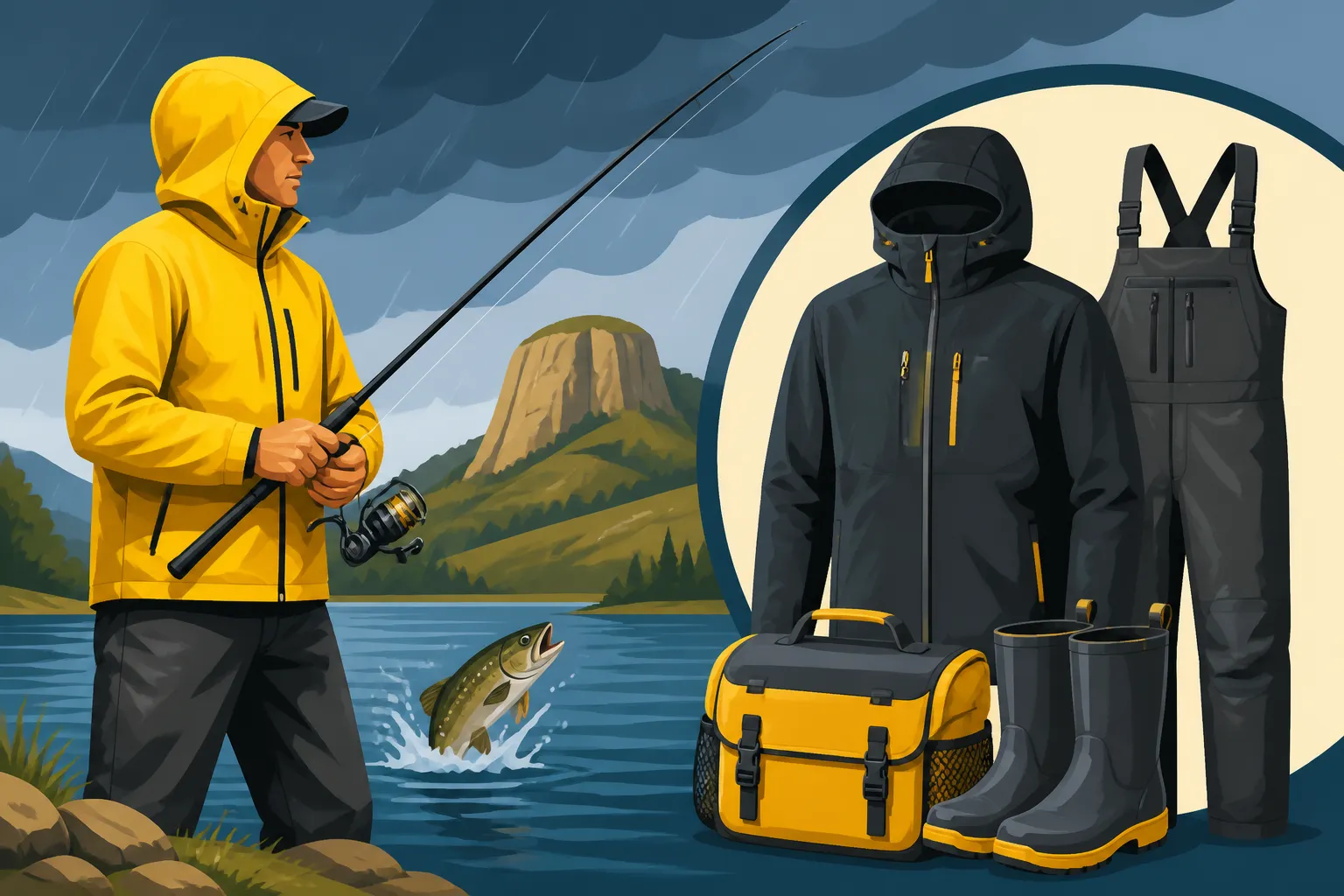
There’s nothing quite like the excitement of a South Dakota fishing trip – the expansive lakes, the rushing rivers, the promise of a trophy walleye or a feisty trout. But let's be honest, those perfect sunny forecasts don't always hold up. We've all been there: you're out on the water, having a fantastic time, and then BAM! The skies open up, the wind picks up, and suddenly your "quick shower" turns into a miserable, bone-soaking downpour that sends you scrambling back to shore, cutting your precious fishing time short. This guide is dedicated to helping you avoid that soggy fate by breaking down everything you need to know about choosing the best rain gear for your South Dakota fishing adventures, ensuring you stay dry, comfortable, and out on the water longer.
Why Good Rain Gear is Non-Negotiable for South Dakota Fishing
When you're planning a fishing trip in South Dakota, thinking about sunblock and bug spray is a given. But just as important, if not more so, is preparing for the inevitable — and often sudden — shift in weather. Many anglers underestimate just how quickly conditions can change out here, especially on the big Missouri River reservoirs or in the Black Hills.
The Unpredictable Weather Challenge
South Dakota weather has a mind of its own, and it loves to keep us on our toes. You can wake up to clear, blue skies, enjoy a calm morning of fishing, and then by noon, a cold front rolls in, bringing with it a fierce wind and a driving rain or even sleet. This isn't just about a little sprinkle; we're talking about sustained downpours that can truly chill you to the core if you're not adequately protected. Ignoring the potential for this kind of weather isn't just uncomfortable, it can be downright risky, especially if you're far from your vehicle or a warm shelter.
Think about a spring walleye trip on Lake Oahe. One moment, you're jigging comfortably, the next, a storm front whips across the prairie, turning the lake choppy and soaking everything in its path. Without reliable rain gear, that fantastic bite can quickly become a frantic race back to the ramp. It’s not just the big storms either; often, it's those persistent, drizzly days that can wear you down and sap your morale if your outerwear isn't up to snuff. Being ready for anything the skies throw at you means you can focus on the fish, not on shivering uncontrollably.
Comfort and Safety Beyond the Catch
Beyond just staying dry, good rain gear contributes immensely to your overall comfort and, perhaps more importantly, your safety. Being cold and wet can lead to a host of problems, from mild discomfort that makes you want to pack up early, to more serious concerns like hypothermia, especially during early spring or late fall excursions. When your body temperature drops, your dexterity diminishes, your judgment can become impaired, and suddenly simple tasks like tying a knot or handling a fish become difficult and dangerous.
Proper rain gear creates a crucial barrier between you and the elements, helping to maintain your core body temperature. It allows you to concentrate on technique, feel the bite, and enjoy the serenity of the water, even when Mother Nature is trying her best to discourage you. This is particularly true for those long days South Dakota Fishing Seasons Explained when you’re out from dawn till dusk, or when exploring the more remote sections of the Missouri River. A quality rain suit isn't just clothing; it's a piece of essential safety equipment that enables you to endure and even thrive in less-than-ideal conditions, maximizing your time on the water.
Protecting Your Investment (and Yourself)
Let's face it, fishing isn't a cheap hobby. Between your rods, reels, tackle, and electronics, you've likely invested a fair bit. Good rain gear helps protect more than just you. Many modern rain suits are designed with waterproof pockets and secure closures that can help shield your phone, GPS, and other delicate electronics from moisture damage. When you’re caught in a sudden downpour, you don’t want to be panicking about your expensive fish finder or your smartphone.
Moreover, protecting yourself also means protecting your enthusiasm for the sport. A truly miserable, soaking wet experience can make even the most dedicated angler think twice about their next outing. Investing in reliable rain gear ensures that every trip, regardless of the forecast, remains an enjoyable and productive one. It’s an investment in your well-being, your gear, and ultimately, your continued passion for South Dakota fishing. Think of it as peace of mind, allowing you to venture out with confidence, knowing you're prepared for whatever the day brings.
Key Features to Look for in Quality Fishing Rain Gear
Choosing the right rain gear can feel overwhelming with all the options out there. It’s not just about finding something labeled "waterproof"; there's a nuanced difference in how materials perform and what features truly matter when you're casting lines in South Dakota.
Waterproofing vs. Water Resistance
This is one of the most common points of confusion, and understanding the difference is crucial. Water-resistant gear will repel light rain or mist for a short period. The water might bead up initially, but eventually, it will soak through. This type of gear is often made with a tighter weave or a light coating, but the seams are rarely sealed. For a casual stroll, it might be fine, but for an actual fishing trip in sustained rain, it's just not enough. You'll end up damp and uncomfortable.
Waterproof gear, on the other hand, is designed to completely prevent water penetration, even under pressure or during prolonged exposure. True waterproof materials often incorporate a membrane (like those found in many high-performance brands) or a heavy coating, and critically, all seams are sealed or taped. This prevents water from seeping through needle holes created during stitching. For serious anglers spending hours on the water, especially in a boat where spray can be a factor, always prioritize waterproof over merely water-resistant. You want to be able to sit or kneel in a boat with water pooling around you and still remain bone dry.
Breathability: Why It's Crucial for Active Angling
Here’s the rub with many traditional waterproof materials: they can make you feel like you're wearing a plastic bag. While they keep rain out, they also trap your body heat and sweat in, leading to a clammy, uncomfortable sensation from the inside out. This is where breathability comes in. High-quality rain gear uses advanced membrane technologies that have microscopic pores too small for water droplets to pass through from the outside, but large enough for water vapor (sweat) to escape from the inside.
Why is this important for fishing? Because fishing, despite appearances, can be an active sport. Casting, reeling, netting fish, re-positioning in the boat, or hiking to a favorite trout stream in the Black Hills – these activities generate body heat and sweat. If your rain gear isn't breathable, that sweat has nowhere to go. You'll get wet from the inside, defeating the purpose of staying dry. Investing in breathable waterproof gear means you stay dry from both the outside elements and your own perspiration, significantly enhancing your comfort and ability to focus on the fishing. This is a feature often found in more premium gear, but it's well worth the investment.
Durability and Construction
A rain suit is only as good as its weakest link. When assessing durability, look beyond just the main fabric. The construction details are paramount. First, check the fabric denier, which indicates its thickness and resistance to abrasion. Higher denier fabrics are generally more durable but might be a bit heavier. Consider the types of fishing you do; if you're bushwhacking to hidden ponds or often brushing against rough surfaces, a more robust fabric is key.
Next, scrutinize the zippers. They should be heavy-duty, corrosion-resistant (especially if you're near water with mineral content), and ideally, water-resistant or waterproof themselves, often with storm flaps or rubberized coatings. Flimsy zippers are a common failure point. Pay close attention to seams: are they double-stitched? Are they taped or welded? Taped seams are essential for preventing water leakage, as the stitching perforates the waterproof fabric. Lastly, look for reinforced areas, particularly on the knees and seat of rain pants or bibs. These high-wear zones take a beating from sitting, kneeling, and moving around in a boat or on the bank. Brands like Bass Pro Shops often feature their own proprietary technologies designed to enhance durability in these critical areas, understanding the abuse fishing gear takes.
Types of Rain Gear: Jackets, Pants, and Suits
When it comes to rain gear, you've got options depending on your fishing style, comfort preferences, and budget. Most anglers opt for a two-piece system, but there are advantages to full suits as well.
Rain Jackets
The rain jacket is often the first piece of rain gear anglers consider, and for good reason. It protects your upper body and keeps your core warm and dry. When choosing a fishing rain jacket, several features stand out. A good hood is non-negotiable. It should be adjustable, allowing you to cinch it down securely to stay on in windy conditions, and designed to move with your head for unobstructed vision. Some hoods even have stiffened brims to shed water away from your face.
Cuffs are another critical detail. Adjustable cuffs, often with Velcro closures or neoprene gaskets, prevent water from running down your sleeves when you're casting or reaching into the water. This also helps keep wind and spray out. Pockets are also important; look for strategically placed, zippered, and waterproof pockets to store essentials like your phone, keys, or a small tackle box. A D-ring or tool attachment point can also be a handy feature for clippers or a hemostat. A longer cut in the back can also be beneficial, providing extra coverage when sitting in a boat or bending over. You can find a huge selection of jackets at retailers like Bass Pro Shops, offering various levels of protection and features.
Rain Pants and Bibs
While a jacket covers your top half, your bottom half is just as susceptible to getting soaked, especially when sitting on a wet boat seat or if water splashes up. This is where rain pants or bibs come into play. Rain pants are like regular pants but made from waterproof material, often with elastic or drawcord waistbands. They're good for light rain or when you need quick on-and-off versatility. However, their waist-level closure means water can sometimes sneak in if you're sitting or bending repeatedly, or if the rain is heavy.
Bibs, on the other hand, offer superior protection. They're essentially overalls made from waterproof fabric, extending higher up your torso, often to the chest. This design provides maximum coverage, preventing water from getting in where your jacket and pants meet. They’re particularly excellent for boat fishing on large bodies of water like Lake Oahe Fishing Guide or the Missouri River, where spray is a constant factor. Look for bibs with reinforced knees and seat panels, adjustable shoulder straps, and leg zippers that go high enough to allow you to put them on or take them off over boots. This is a small detail that makes a huge difference when you're caught in a sudden downpour and need to get geared up quickly.
Full Rain Suits
A full rain suit typically consists of a matching jacket and bibs or pants, designed to work together seamlessly for maximum protection. The advantage of a full suit is that it’s engineered as a system, often with consistent materials, features, and fit across both pieces. This can provide better overall waterproofing, as there are no gaps where different brands or styles might not perfectly overlap.
The primary pro of a full rain suit is comprehensive, head-to-toe protection that eliminates weak points. You're essentially creating a dry shell around your entire body. The con, however, can be cost and versatility. Buying a full suit might be a larger upfront investment than separate pieces. Also, sometimes you only need a jacket for a light drizzle, and the bibs might feel like overkill. However, for dedicated anglers who face all conditions, especially those long days ice fishing South Dakota Ice Fishing Guide or enduring spring downpours, a full rain suit is often the most comfortable and effective solution for staying completely dry. Many anglers find great deals on full suits from online retailers like Amazon, which offer a wide range of brands and styles to compare.
Material Breakdown: What Makes Rain Gear Effective?
The magic behind effective rain gear lies in its materials. Understanding these fabrics and technologies will empower you to make an informed decision and choose gear that truly stands up to South Dakota's weather.
Gore-Tex and Other High-Performance Membranes
When people think of top-tier waterproof-breathable gear, Gore-Tex often comes to mind, and for good reason. Gore-Tex is a brand name for a specific type of expanded polytetrafluoroethylene (ePTFE) membrane. This membrane has billions of microscopic pores per square inch. These pores are too small for liquid water droplets to pass through from the outside, but large enough for water vapor (your sweat) to escape from the inside. This technology is laminated between layers of fabric, creating a barrier that keeps you dry from rain while allowing your body to breathe.
However, Gore-Tex is not the only player in this game. Many other manufacturers have developed their own high-performance proprietary membranes with similar principles, such as eVent, HyVent, or various company-specific technologies found in brands like Simms or Patagonia. These membranes offer excellent waterproofing and breathability, making them ideal for active fishing where you might be casting constantly or covering ground. While gear with these membranes often comes with a higher price tag, the comfort and performance they deliver, especially during prolonged exposure to foul weather, are often considered well worth the investment by serious anglers. It's truly a game-changer for those extended days on the water.
PVC and PU Coated Fabrics
On the more traditional and often budget-friendly end of the spectrum, you'll find rain gear made from fabrics coated with PVC (polyvinyl chloride) or PU (polyurethane). These materials achieve waterproofing by essentially creating an impermeable barrier. The base fabric, often nylon or polyester, is treated with a heavy layer of plastic-like coating on the inside.
PVC-coated gear is typically the most robust in terms of waterproofing and durability. It’s often used in heavy-duty commercial fishing gear because it's exceptionally tough and almost impossible for water to penetrate. However, the trade-off is breathability – it offers virtually none. You will get wet from your own sweat, especially if you're active. PU-coated fabrics are generally lighter and offer a bit more flexibility than PVC, and some can have a degree of breathability, though usually not on par with membrane technologies. These materials are excellent for situations where maximum durability and pure waterproofing are needed, and breathability is a secondary concern, perhaps for short, intense downpours or when sitting relatively still, like in a boat. They are a solid choice for anglers looking for reliable protection without breaking the bank, often found at general outdoor retailers.
DWR (Durable Water Repellent) Finishes
You might notice that new rain jackets cause water to bead up and roll right off the surface. This magic is thanks to a Durable Water Repellent (DWR) finish. DWR is a chemical coating applied to the outer fabric of rain gear. Its job is to make the fabric hydrophobic, meaning it repels water rather than absorbing it. When water beads up and rolls off, it prevents the outer fabric layer from becoming saturated, or "wetting out."
Why is DWR important even on waterproof-breathable gear? When the outer fabric wets out, it becomes heavy and clammy, and more importantly, it severely compromises the gear's breathability. If the outer layer is saturated, your body's moisture vapor can't easily pass through to escape, making you feel cold and clammy from your own sweat. Over time and with use, DWR coatings wear off. You'll notice this when water stops beading and starts soaking into the outer fabric. The good news is that DWR can be reapplied with various spray-on or wash-in treatments found at outdoor stores or even online at Amazon. Regularly restoring the DWR on your gear is a key part of maintaining its performance and ensuring you stay dry and comfortable on those long fishing days.
Finding the Right Fit and Layering for South Dakota Conditions
Having the best materials won't matter if your rain gear doesn't fit properly or isn't integrated into a smart layering system. Especially in South Dakota, where temperatures can swing wildly, versatility is key.
The Importance of Layering
South Dakota fishing often means facing a range of temperatures, sometimes all in one day. You might start your morning on the Lake Sharpe Fishing Guide bundled up for a crisp 40-degree sunrise, peel off layers as the sun climbs and it hits 60, and then need to re-bundle and add rain gear when a cold front moves through with an evening shower. This is why layering is your best friend. Your rain gear should be considered your outermost "shell" layer, protecting you from wind and water.
Underneath, you'll want moisture-wicking base layers (like synthetic or wool) to move sweat away from your skin, and insulating mid-layers (like fleece or puffy jackets) to provide warmth. The beauty of this system is its adaptability. You can add or remove insulating layers as conditions change, always keeping your waterproof shell ready to deploy. Without a proper layering strategy, even the most expensive rain suit can feel clammy if you're sweating underneath it, or leave you shivering if it doesn't have room for adequate insulation. Think of your rain gear not as a stand-alone solution, but as the final, crucial piece of a dynamic clothing system.
Sizing for Movement and Layers
This might seem obvious, but many anglers make the mistake of buying rain gear that's too snug. Remember, your rain jacket and pants aren't meant to be skin-tight; they need to comfortably fit over your base and mid-layers. If your gear is too tight, it can restrict your movement, making casting, netting, or even just walking uncomfortable. Furthermore, tightly stretched fabric puts more pressure on seams, increasing the chance of water penetration and potentially reducing the lifespan of the garment.
When trying on rain gear, wear the kind of layers you'd typically have on during a fishing trip. Lift your arms above your head, squat down, and mimic casting motions. Ensure there's ample room in the shoulders, elbows, and knees. For rain pants, check that the rise is high enough to prevent gaps when you bend or sit, and that the leg length is appropriate. Remember, a little extra room is always better than too little, especially if you anticipate adding extra warm layers for those frosty mornings or late-season trips.
Specific Needs for Different Seasons
The "best" rain gear for a spring day isn't necessarily the same for a late fall outing. In South Dakota, seasonality plays a huge role in what features you'll prioritize.
- Spring/Fall: These shoulder seasons often bring the most volatile weather. You'll want breathable, fully waterproof gear with enough room for substantial insulating layers underneath. Durability is also key, as spring rains can be heavy, and fall fishing often involves brushing past damp foliage. A good quality, three-layer jacket and bib combination is often ideal for these conditions.
- Summer: Summer fishing on the Missouri River or the Glacial Lakes can still see pop-up thunderstorms. For this season, breathability becomes paramount. You might opt for a lighter-weight, packable rain jacket that you can easily stash away, perhaps paired with lightweight rain pants. While still waterproof, the focus shifts to minimizing bulk and maximizing ventilation so you don't overheat the moment the rain stops.
- Winter (Ice Fishing): For ice fishing South Dakota Ice Fishing Guide, specialized flotation suits that are both waterproof and insulated are often preferred over traditional rain gear. However, if you're using a shell-style rain suit for mild winter days, ensure it has plenty of room for heavy thermal layers. Waterproofing is still vital to prevent slush and snow from soaking through.
| Feature | Light Rain/Summer | Spring/Fall (Moderate) | Heavy Rain/Cold |
|---|---|---|---|
| Waterproofing | Good | Excellent | Superior |
| Breathability | High Priority | High Priority | Moderate |
| Durability | Moderate | Good | High Priority |
| Insulation Space | Minimal | Ample | Essential |
| Material Type | Lightweight PU/DWR | Membrane (Gore-Tex, etc.) | Heavy-duty Membrane/PVC |
| Pockets | Few, basic | Multiple, waterproof | Multiple, sealed |
| Hood | Basic adjustable | Fully adjustable, storm-worthy | Fully adjustable, helmet-compatible |
| Cuffs/Ankles | Elastic | Adjustable/Velcro | Gaskets/Velcro, boot zippers |
Essential Accessories to Complement Your Rain Gear
Your primary rain gear (jacket and pants/bibs) forms the core of your protection, but truly staying dry and comfortable means thinking about the extremities and other vital items. Neglecting these can quickly undermine even the best rain suit.
Waterproof Headwear and Gloves
Keeping your head dry is surprisingly important for overall body temperature regulation. A good rain jacket will have an integrated hood, but sometimes that's not enough, especially in windy conditions or if you prefer an additional layer. A waterproof hat or cap worn under the hood can add an extra barrier and keep rain out of your face and off your glasses. Some anglers opt for wide-brimmed waterproof hats that shed water effectively, working in tandem with the jacket's hood.
Hands are another area that quickly get cold and clumsy when wet. Handling fish, tying knots, or even just steering a boat becomes a miserable chore with frozen fingers. Waterproof gloves are a game-changer. Look for gloves that offer dexterity, so you can still perform tasks without taking them off, but also provide insulation and a fully waterproof membrane. Neoprene gloves are a popular choice among anglers for their warmth and water resistance, even when submerged. Having warm, dry hands can significantly extend your comfortable fishing time, especially on cooler days on the South Dakota Missouri River Fishing Guide.
Waterproof Footwear
A top-notch rain suit is pointless if your feet are soaking wet. Wet feet lead to cold feet, which can quickly spread discomfort throughout your entire body. Therefore, investing in quality waterproof footwear is paramount. For boat anglers, rubber fishing boots or waterproof deck shoes that come up past the ankle are ideal. They keep your feet dry from standing water, spray, and accidental splashes when landing a fish. Look for boots with good traction to prevent slips on wet decks or muddy banks.
If you're primarily a shore angler or fishing streams like those in the Black Hills, a good pair of waterproof hiking boots or even chest waders South Dakota Fly Fishing Guide might be more appropriate. Waders are particularly excellent for river and stream fishing, allowing you to actually stand in the water and access spots you couldn't otherwise reach. Whichever type of footwear you choose, ensure they are truly waterproof and comfortable enough for long hours of wear. Don't forget quality wool or synthetic socks underneath, as cotton loses its insulating properties when wet.
Dry Bags and Waterproof Cases
It's not just your body that needs protection; your essential gear does too. Modern electronics like smartphones, GPS units, and cameras are often vital companions on a fishing trip. While some are rated as water-resistant, none are truly immune to a prolonged dunking or a relentless downpour. This is where dry bags and waterproof cases become indispensable.
Dry bags are flexible, roll-top bags made from waterproof materials that effectively seal out water. They come in various sizes and are perfect for stashing extra clothing layers, snacks, wallets, and any other items you need to keep absolutely dry. For smaller, more sensitive electronics, dedicated waterproof cases (often hard-sided with O-ring seals) offer maximum protection. Many anglers also use waterproof boxes for their tackle, keeping hooks, lures, and line in pristine condition, free from rust and corrosion. These small investments can save you a huge headache and potentially expensive replacements, ensuring your South Dakota Fishing Gear Checklist is truly ready for anything.
Disclaimer
This article is for general informational purposes only and does not constitute professional advice. Laws, prices and regulations vary by location and change over time. Consult a qualified professional for guidance on your specific situation.