Best Fishing Spots Near Aberdeen
Trying to figure out where to drop a line near Aberdeen can feel a bit like trying to find a needle in a haystack, especially with so many incredible waters in the Glacial Lakes region. It's easy to get overwhelmed by all the options or frustrated by not knowing which lake is actually "on" for the species you're chasing. This guide is designed to cut through that confusion, giving you the lowdown on the best, most productive fishing spots in and around Aberdeen, South Dakota, so you can spend less time guessing and more time reeling in your next big catch.
Navigating the Aberdeen Fishing Scene: Why It's Worth the Effort
Anglers in South Dakota are truly spoiled for choice, and the area surrounding Aberdeen is no exception. This isn't just a handful of ponds; we're talking about a vast network of productive waters, each with its own character and opportunities. But with that bounty comes the challenge of knowing where to focus your efforts. Many folks drive right past fantastic spots, heading for more "famous" destinations, not realizing the gems right under their noses.
The Glacial Lakes Region Advantage
The Glacial Lakes region of northeastern South Dakota, where Aberdeen is perfectly situated, is an absolute goldmine for freshwater fishing. These lakes were carved out by ancient glaciers, leaving behind a landscape dotted with countless basins, many of which are relatively shallow but incredibly fertile. This unique geology creates ideal conditions for robust fish populations, especially for species like walleye, yellow perch, and northern pike. The shallow, productive waters warm up quickly in the spring, triggering aggressive feeding patterns, and provide abundant forage for fish to grow big and healthy. Plus, the sheer number of lakes means that even if one isn't producing, another often is, offering anglers endless possibilities to explore. This area is truly a testament to Mother Nature's generosity when it comes to fish habitat.
Common Challenges for Anglers
Even with such an abundance of water, fishing near Aberdeen isn't without its quirks. One of the biggest frustrations anglers face is the notoriously dynamic nature of these glacial lakes. Water levels can fluctuate significantly from year to year, altering access points, submerged structure, and even fish behavior. What was a productive point last season might be high and dry this year, or submerged under many feet of water. Then there's the challenge of finding reliable public access. While South Dakota is generally good about providing access, some of the smaller lakes might have limited boat ramps or shore fishing opportunities, requiring a bit of local knowledge or research. And, of course, the age-old question: "What's biting?" Fish patterns change with the seasons, weather, and even the time of day, making it tricky to consistently put fish in the boat without up-to-date information or a good understanding of local techniques. It’s not uncommon to spend hours on a lake only to find out the fish are holding in a completely different depth or feeding on a different bait.
Top Lakes for Walleye and Perch Around Aberdeen
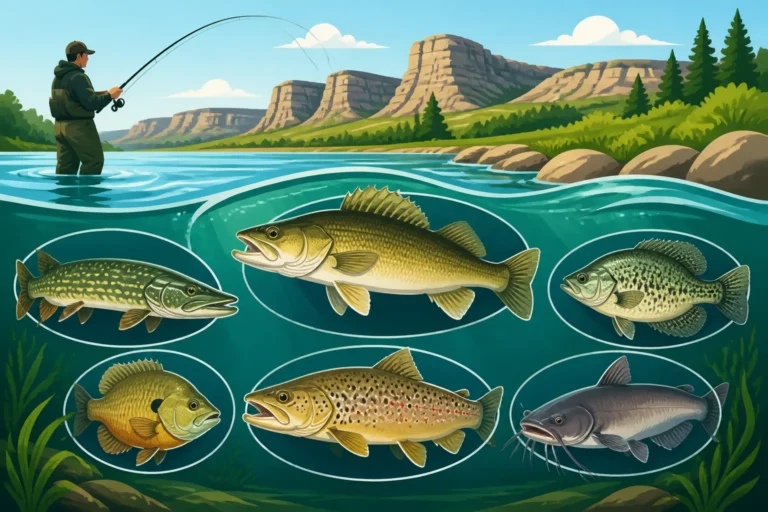
When you talk about fishing near Aberdeen, two species immediately spring to mind: walleye and yellow perch. These are the bread and butter of the region, drawing anglers from all over for their sporting challenge and excellent table fare. There are a few standout lakes that consistently produce for these prized fish, and knowing their individual personalities is key to success.
Lake Kampeska: The Local Favorite
Located just east of Watertown, Lake Kampeska is a true jewel of the Glacial Lakes region and a favorite among locals and visiting anglers alike. This large, relatively shallow lake (averaging about 10-15 feet, with some deeper spots up to 20 feet) is renowned for its excellent walleye and yellow perch fishing. It's a classic fertile prairie lake, brimming with aquatic vegetation and a healthy forage base, which means the fish here grow fast and fat.
For walleye, the spring and fall are prime times. In spring, as ice goes out and water temperatures rise, walleyes move into shallower bays and along emergent weed lines to spawn. Casting shallow crankbaits or pitching jigs tipped with a minnow can be incredibly effective then. As summer progresses, walleyes often move to deeper transitions, main lake points, and submerged humps. Trolling with crankbaits like Berkley Flicker Shads or Rapala Shad Raps is a popular and productive tactic, especially at dawn, dusk, or under cloudy skies. Night fishing for walleye can also be phenomenal on Kampeska during the warmer months, as they move shallower to feed under the cover of darkness. Don't forget to check the current South Dakota Walleye Limits before heading out!
Yellow perch fishing on Kampeska is fantastic year-round, but it truly shines during the ice fishing season. When the lake freezes over, anglers flock to the lake, drilling holes over weed beds, basin edges, and subtle humps. Small jigs tipped with wax worms, spikes, or even a piece of live minnow are irresistible to Kampeska's jumbo perch. During open water, look for perch in and around weed beds, especially during early morning or late evening. They often school up, so when you find one, there are usually more! Access to Kampeska is excellent, with multiple public boat ramps around the lake, including those at Lake Kampeska State Recreation Area and city parks in Watertown. For those unfamiliar with the lake's nuances, consider booking a guided trip through platforms like FishingBooker, where experienced local guides can put you directly on the fish and teach you the specific patterns and techniques for Kampeska.
Lake Poinsett: A Walleye Powerhouse
Just a bit further east from Kampeska, you'll find Lake Poinsett, South Dakota's largest natural lake. This massive body of water is another perennial favorite, especially for those targeting trophy walleye. Poinsett is a sprawling lake, averaging around 7-10 feet in depth, with a mosaic of shallow flats, deeper channels, and extensive weed growth, providing a rich habitat for its fish populations.
Like Kampeska, spring and fall are prime for walleye. Early spring sees fish congregating in shallow, warming bays. Jigging and slip-bobber fishing with live minnows near structure or emerging weeds can be highly effective. As the summer bite heats up, Poinsett's walleyes often spread out across the expansive flats, making trolling a dominant strategy. Anglers frequently use planer boards to cover wide swaths of water, pulling crankbaits or spinner rigs tipped with nightcrawlers or leeches. The key to Poinsett is often covering water until you locate active schools, which can be spread across its vast expanse.
Poinsett also boasts a healthy population of yellow perch and northern pike. For perch, target weed edges and deeper holes, using small jigs or spoons. Pike are often found lurking in the denser weed beds, especially in shallower water. Casting large spoons, spinnerbaits, or even topwater lures can elicit explosive strikes from these toothy predators. The sheer size of Poinsett means that fishing pressure can be spread out, offering plenty of room for anglers to find their own piece of water. There are numerous boat ramps and public access points around the lake, making it easy to launch a boat. If you’re looking for a deep dive into this particular hotspot, a full Lake Poinsett Fishing Guide is an invaluable resource.
Bitter Lake: Perch Paradise
For those truly passionate about yellow perch, Bitter Lake, located north of Waubay and a bit further northeast of Aberdeen, is often considered the undisputed "perch paradise" of South Dakota. While it also holds walleye and pike, it's the consistent opportunity for jumbo yellow perch that puts Bitter Lake on every serious perch angler's map. This lake is known for its incredible fertility and extensive weed beds, which provide perfect cover and feeding grounds for perch.
Perch fishing on Bitter Lake is exceptional through the ice. Anglers gather in shanties and shelters, using vexilars or other ice fishing electronics to locate schools of perch suspended in weed pockets or just off the basin. Small tungsten jigs tipped with a single wax worm, a couple of maggots, or a soft plastic micro-grub can be deadly. The key is often a subtle jigging motion, just enough to entice a bite. It's not uncommon to catch perch that are 10-12 inches, with some even pushing into the "jumbo" category.
During open water, locating the perch can sometimes be more challenging due to the lake's vast weed growth. However, targeting the edges of weed lines, subtle depth changes, and points where current might create ambush opportunities can be very productive. Slip bobber rigs with a small minnow or a simple hook-and-worm setup can be incredibly effective when fish are holding tight to cover. Keep an eye on your fish finder for schools of baitfish, as perch will often be nearby. Several public access points and boat ramps are available on Bitter Lake, making it a popular destination. For a more detailed look at this gem, check out the Bitter Lake Fishing Guide.
Other Notable Waters for Diverse Angling Experiences
While walleye and perch might steal the spotlight, the Aberdeen area offers a broader spectrum of angling opportunities for those looking to diversify their catch. From bass and pike to various panfish, there are plenty of other lakes and impoundments that provide excellent fishing for different species.
Richmond Lake: Close to Home Versatility
Just a stone's throw northwest of Aberdeen, Richmond Lake offers incredible convenience and a surprisingly diverse fishery. It's often the go-to for a quick fishing trip after work or on a weekend morning without a long drive. While it doesn't boast the same "trophy walleye" reputation as Kampeska or Poinsett, Richmond Lake consistently provides solid action for several species, making it a fantastic all-around option.
Richmond Lake is particularly good for northern pike and various panfish, including crappie, bluegill, and yellow perch. Pike are often found in the shallower, weedier bays, especially in the spring and fall. Casting large spoons, spinnerbaits, or even using a hefty live bait rig under a bobber can bring in some respectable pike. For panfish, target brush piles, docks, and weed edges. A small jig tipped with a piece of crawler or a wax worm under a bobber is a classic and effective method. You'll often find crappie suspending over deeper structure or along drop-offs, especially during the pre-spawn periods.
What sets Richmond Lake apart for many anglers is its accessibility for shore fishing. With public parks and accessible areas along its banks, it's an excellent choice for families, beginner anglers, or those who prefer to fish without a boat. You can often find success casting from the shoreline, particularly for panfish and smaller pike. Several boat ramps are available, and the lake hosts a marina and campground, making it a user-friendly destination.
Elm Lake and Willow Creek Dam: Hidden Gems
Moving a bit further northwest from Aberdeen, you'll encounter Elm Lake and Willow Creek Dam, two lesser-known but highly productive fisheries that often fly under the radar. These spots are perfect for anglers looking for a slightly less pressured experience or those who appreciate the quiet charm of smaller waters.
Elm Lake is a decent-sized shallow lake known for its healthy populations of walleye, northern pike, and panfish. Because it's often overlooked compared to the larger glacial lakes, it can offer some fantastic fishing, especially for those willing to explore. Walleye here respond well to traditional tactics like jigging with live bait or trolling shallow-diving crankbaits along contours and weed edges. Pike are abundant, often found in the extensive weed beds, and can be caught on a variety of aggressive lures. Panfish action, particularly for crappie and bluegill, can be excellent in and around submerged timber and brush piles. Public access is available, though it might be more limited than on the larger lakes, so doing a quick scout beforehand is always a good idea.
Willow Creek Dam, located very close to Elm Lake, is an impoundment that provides a different type of fishing experience. It's smaller than the natural lakes but often deep enough to support good populations of walleye, crappie, and even some largemouth bass. Its smaller size makes it easier to navigate, especially for kayak or small boat anglers. Crappie fishing can be particularly good here, with fish often holding near submerged trees and brush. Using small jigs or minnows under a bobber can lead to a productive day. Walleye are present, often favoring the deeper areas or the dam face. Its relatively calm waters also make it a pleasant spot for a relaxed day of fishing.
Big Stone Lake: A Borderline Adventure
While a bit further of a drive (closer to an hour and a half from Aberdeen), Big Stone Lake warrants mention due to its status as a premier fishing destination in the broader region. Stretching along the South Dakota-Minnesota border, this long, narrow lake is a truly unique fishery and a major draw for anglers, particularly for walleye, northern pike, and jumbo yellow perch.
Big Stone Lake is famous for its diverse structure, ranging from deep rock humps to expansive shallow flats and abundant weed growth. This variety creates excellent habitat for multiple species. Walleye fishing is a highlight here, with anglers employing everything from jigging and slip-bobber setups to extensive trolling with crankbaits and spinner rigs. The lake's vastness means you can often find unpressured water, though knowing the specific patterns for Big Stone is crucial. Many anglers focus on areas around Rocky Ledge, Meadowbrook, or the various points and bays along its length.
Northern pike in Big Stone can reach impressive sizes, making it a popular spot for dedicated pike anglers. They are typically found patrolling the edges of weed beds and shallow flats. Casting large spoons, inline spinners, or jerkbaits can be very effective. Perch fishing can also be phenomenal, especially during the ice fishing season, mirroring the tactics used on other glacial lakes. Access is excellent on both the South Dakota and Minnesota sides, with numerous public boat ramps. Just be mindful of the reciprocal licensing agreements if you plan to fish both sides of the border! For a dedicated trip, a local guide found on platforms like FishingBooker could navigate the complexities of this massive border water, ensuring a productive outing.
Practical Tips for Fishing Near Aberdeen
Successful fishing isn't just about knowing where to go, but also how to approach each spot and what to bring. The Glacial Lakes region has its own set of nuances that, once understood, can dramatically improve your chances of success.
Timing Your Trip for Success
Understanding the seasonal movements and feeding patterns of fish is paramount in South Dakota.
- Spring (Ice Out to Mid-May): This is prime time for active walleye and northern pike. As the ice melts and water temperatures rise, fish move shallow to spawn. Look for them in warming bays, along shorelines with emergent vegetation, and near river inlets. Jigging with live bait (minnows are king) or casting shallow-diving crankbaits are highly effective. Panfish also become very active in shallow water.
- Summer (Late May to August): Walleyes often transition to deeper main lake points, submerged humps, and basin edges. Trolling with crankbaits or spinner rigs is a popular method to cover water and find active schools. Early mornings, late evenings, and overcast days are generally best. Crappie might be suspended over deeper structure, while northern pike will be tucked into dense weed beds.
- Fall (September to Ice Up): Often considered the trophy season for walleye. As water temperatures drop, fish go on a major feeding binge to fatten up for winter. They can be found in a variety of depths, from shallow weed edges to deeper breaks. Trolling large crankbaits or slow-jigging with larger minnows can entice bigger fish. Perch fishing also picks up significantly as they school up.
- Winter (Ice Fishing Season): A huge draw in South Dakota. Once safe ice forms, anglers flock to the lakes for walleye, yellow perch, and northern pike. Small jigs, spoons, and live minnows are standard fare. Understanding South Dakota Ice Fishing Guide techniques and safety is crucial.
Essential Gear and Bait Recommendations
Having the right tackle can make a world of difference.
- Rods and Reels: For walleye and perch, a medium-light to medium power spinning rod (6'6" to 7'0") with a sensitive tip is ideal. Pair it with a 2000-2500 series spinning reel spooled with 6-10 lb monofilament or braided line with a fluorocarbon leader. For northern pike, step up to a medium-heavy rod and a baitcasting or larger spinning reel with 15-20 lb test.
- Lures:
- Walleye: Jig heads (1/8 oz to 3/8 oz), shallow-diving crankbaits (e.g., Rapala Shad Rap, Berkley Flicker Shad), deeper-diving crankbaits for trolling, spinner rigs (bottom bouncers with a snell and a crawler or leech).
- Perch: Small tungsten jigs, ice fishing spoons, small soft plastic grubs.
- Northern Pike: Large spoons (Daredevle, Doctor Spoon), spinnerbaits, bucktail spinners, jerkbaits.
- Live Bait: Minnows (especially shiners and fatheads) are consistently effective for walleye and perch. Nightcrawlers and leeches are also excellent choices for walleye and panfish. Wax worms and spikes are irresistible to perch and crappie.
- Electronics: A good fish finder (sonar) is invaluable for locating fish, identifying structure, and understanding depth. For ice fishing, a flasher unit is almost mandatory.
- Other Essentials: Pliers, line cutters, a net (especially for pike and walleye), polarized sunglasses, sunscreen, and plenty of water. Always dress in layers, as weather can change quickly in South Dakota.
Access and Regulations: What You Need to Know
Before you even think about casting a line, make sure you're properly licensed and aware of the local rules.
- Fishing Licenses: Everyone aged 16 and older needs a valid South Dakota fishing license. Whether you're a resident or a nonresident, there are various options available, from annual to short-term licenses. You can find all the details in the South Dakota Fishing License Guide or specifically for out-of-state anglers in the South Dakota Nonresident Fishing License Options. Don't forget, in most cases, you'll also need a South Dakota Habitat Stamp Requirements. You can easily purchase your license online through the South Dakota Game, Fish and Parks (GFP) website, at GFP offices, or at many bait and tackle shops.
- Regulations: South Dakota has specific regulations for different fish species, including daily limits and possession limits. These can vary by lake, so always consult the current South Dakota Fishing Handbook or the GFP website before heading out. Pay close attention to rules for walleye, northern pike, and panfish. For instance, South Dakota Walleye Limits might have unique slot limits on certain waters.
- Boat Ramps and Access: While many lakes have excellent public boat ramps, some smaller ones might have limited access. Always check ahead of time. Respect private property and always pack out what you pack in.
- Fish Consumption Advisories: Stay informed about any fish consumption advisories for specific lakes or species. The GFP website provides this information to ensure your catches are safe to eat.
| Lake | Primary Species | Best Seasons | Key Features / Tips |
|---|---|---|---|
| Lake Kampeska | Walleye, Yellow Perch, Pike | Spring, Fall, Ice | Local favorite, great for trolling, excellent ice fishing. |
| Lake Poinsett | Walleye, Pike, Perch | Spring, Summer, Fall | Largest natural lake, trophy walleye potential, vast flats. |
| Bitter Lake | Yellow Perch, Walleye, Pike | Ice Fishing, Fall | Perch paradise, known for jumbos, extensive weed beds. |
| Richmond Lake | Pike, Panfish, Bass | Spring, Summer, Fall | Close to Aberdeen, versatile, good shore fishing access. |
| Elm Lake | Walleye, Pike, Panfish | Spring, Fall | Less pressured, good mix of species, quieter experience. |
| Willow Creek Dam | Crappie, Walleye, Bass | Spring, Summer | Smaller impoundment, good for crappie, kayak-friendly. |
| Big Stone Lake | Walleye, Pike, Perch | All Seasons | Border lake, diverse structure, major destination. |
Fishing near Aberdeen offers an incredible array of opportunities for anglers of all skill levels. From the walleye-rich waters of Lake Kampeska and Poinsett to the perch haven of Bitter Lake, and the versatile offerings of Richmond Lake, there's a unique adventure waiting for everyone. With a little preparation, the right gear, and an understanding of the local nuances, you're well on your way to creating lasting memories on the water. Don't be afraid to explore, try new spots, and embrace the wild beauty of South Dakota's Glacial Lakes!
Disclaimer
Please remember that fishing regulations, conditions, and fish populations can change. Always consult the most current South Dakota Game, Fish and Parks (GFP) regulations before heading out. Safety should always be your top priority when on or near the water.