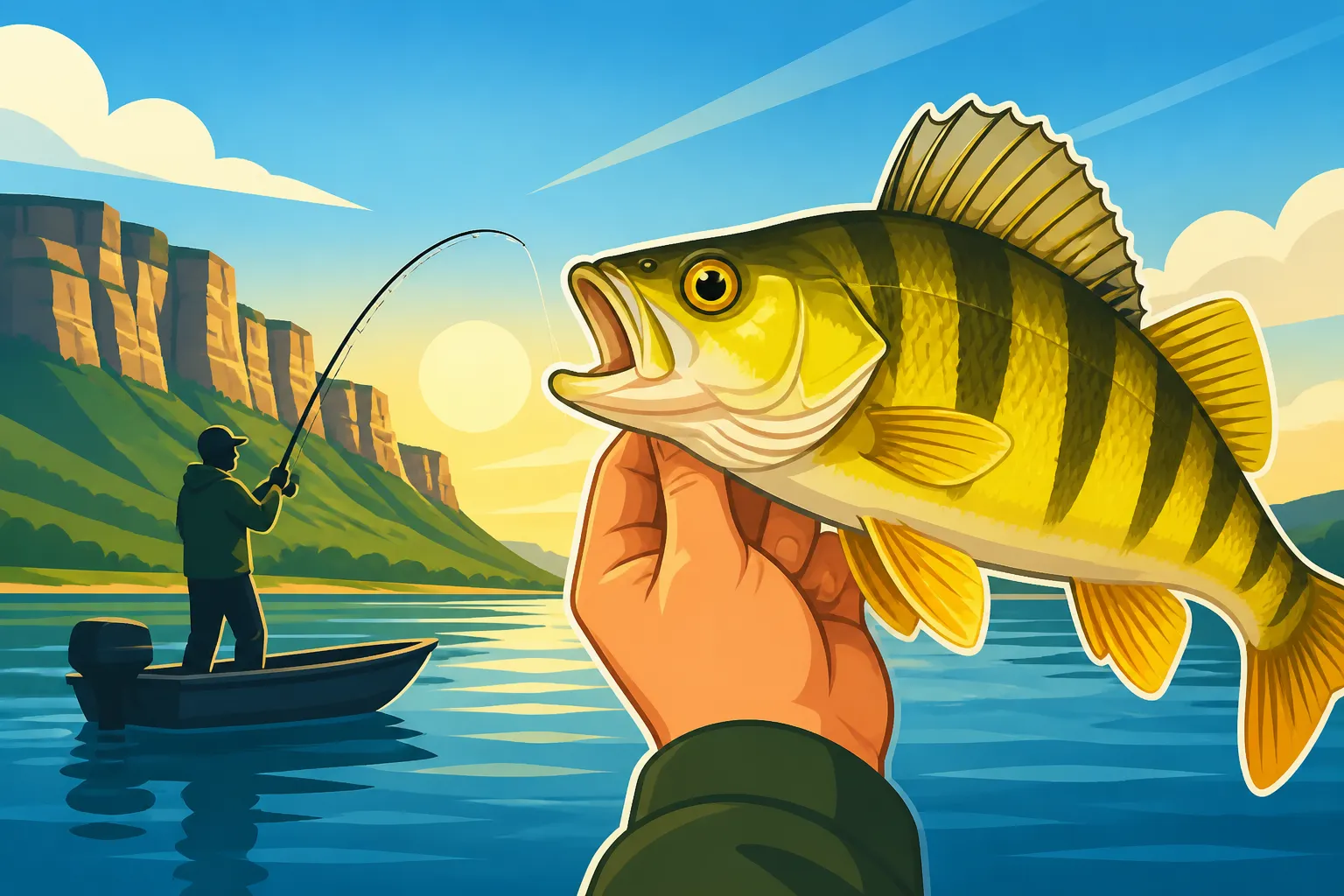
Lewis and Clark Lake Yellow Perch Fishing
Trying to dial in on yellow perch action on a vast, diverse waterway like Lewis and Clark Lake can sometimes feel like searching for a needle in a haystack. Many anglers get caught up chasing walleye or bass, overlooking these incredibly fun-to-catch and delicious panfish. This comprehensive guide is here to cut through the guesswork, offering you an in-depth look at everything you need to know to consistently locate and reel in yellow perch from the expansive waters of Lewis and Clark Lake.
Understanding Yellow Perch on Lewis and Clark Lake
Yellow perch are a true gem for anglers in South Dakota, offering both a spirited fight on light tackle and fantastic table fare. On a big system like Lewis and Clark Lake, which stretches across the border with Nebraska and is part of the Missouri River reservoir chain, understanding their behavior and preferred habitats is key to success. This lake presents a variety of structures, from riprap and sandy beaches to submerged timber and rocky drop-offs, all of which can hold perch at different times of the year.
Perch Behavior and Habitat Preferences
Yellow perch are schooling fish, which means if you find one, you're likely to find many more. They tend to be structure-oriented, constantly on the lookout for ambush points to feed and cover from predators. On Lewis and Clark, this translates to specific types of areas. Think about the extensive weed beds that can be found in shallower bays and upstream stretches of the reservoir. These green havens provide both food (insects, small minnows) and protection.
Beyond the weeds, yellow perch are drawn to submerged features like rock piles, brush, and old creek channels. Areas where a shallow flat abruptly drops into deeper water are always prime targets, as these contours allow perch to quickly move between feeding grounds and thermal refuge. The main channel breaks, especially where there's a slight current or an eddy, can also concentrate baitfish, making them attractive to hungry perch. The varied bottom composition of Lewis and Clark Lake, ranging from silty areas in the upper reaches to rocky bluffs and gravel points downstream, provides diverse opportunities for perch to thrive, adapting their preferred spots with the changing seasons.
Seasonal Movements on Lewis and Clark
Yellow perch, like many fish, have distinct seasonal patterns that dictate where they can be found on Lewis and Clark Lake. Understanding these movements is critical for planning your fishing trips.
In spring, as the ice recedes and water temperatures begin to rise, perch move into shallower waters, typically 5-15 feet deep, often congregating near weed edges, brush, or rocky areas to spawn. This is a fantastic time for shore anglers or those in smaller boats to target them, as they are actively feeding and preparing for spawning. Look for them in protected bays and coves that warm up faster, especially on the Nebraska side of the lake where some of these bays are quite shallow.
Summer sees perch transition to deeper water, seeking cooler temperatures and more stable oxygen levels. They'll often relate to structure like submerged humps, deep weed lines, points, and drop-offs in the 15-30 foot range. During this time, they'll school tightly, making them a prime target for anglers with good electronics. While they'll be deeper, they'll still make forays into shallower water during low light conditions or if a strong baitfish school moves up. Areas with good current breaks, particularly closer to the Gavins Point Dam, can be productive.
As fall arrives and water temperatures drop, yellow perch enter a feeding frenzy, bulking up for the lean winter months. They will often be found shallower again, moving between deep structure and emerging weed beds, actively chasing baitfish. This period, from late September through November, can offer some of the most aggressive bites of the year. They might be found in 10-25 feet of water, often near the same kinds of structures they frequented in summer but with a bit more aggression in their feeding patterns.
Finally, in winter, Lewis and Clark Lake transforms into an ice fishing paradise. Perch will often suspend over or near deep water structure, sometimes moving into vast basins or relating to humps and drop-offs. They'll school tightly, and once you locate them, the action can be fast and furious. Ice anglers should focus on areas with consistent depth changes or those known for holding baitfish, often in 20-40 feet of water. For a general overview of seasonal fish behavior, you might find our guide to South Dakota Fishing Seasons Explained helpful.
Diet and Forage Base
The diet of yellow perch is quite varied and opportunistic, which is good news for anglers because it means they'll respond to a range of baits. Their primary forage on Lewis and Clark Lake includes small minnows like shiners and young-of-the-year shad, along with aquatic insects, crustaceans, and the eggs and larvae of other fish species. This diverse diet is a significant factor in their health and population numbers in the reservoir.
Understanding their food sources helps in selecting the most effective baits and lures. If perch are keying in on small minnows, then live minnows or minnow-imitating lures will be your best bet. When insects are abundant, baits like wax worms or maggots become incredibly effective. The availability of diverse forage helps sustain a healthy perch population, making Lewis and Clark a reliable spot for these panfish. For more details on what different species eat, our South Dakota Fish Species Diet by Season guide offers additional insights.
Top Techniques and Gear for Perch Fishing
Catching yellow perch effectively requires a nuanced approach, utilizing specific gear and techniques that cater to their typically subtle bites and schooling behavior. On Lewis and Clark Lake, where conditions can vary, having the right setup can make all the difference between a slow day and a bucket full of tasty panfish.
Essential Rods, Reels, and Line
For yellow perch, the key is sensitivity. You're often dealing with light bites, especially in deeper or colder water. A light to ultra-light spinning rod, typically 5 to 6.5 feet in length, is ideal. Look for a rod with a fast or extra-fast action tip that will telegraph even the slightest nibble, but still has enough backbone to handle a feisty perch and set the hook. Matching this with a small spinning reel (e.g., 500 or 1000 size) provides a balanced setup that's comfortable to hold all day.
When it comes to line, 4 to 6-pound test monofilament or fluorocarbon is generally preferred. Monofilament offers a bit of stretch, which can be forgiving with light tackle, while fluorocarbon provides excellent sensitivity and is nearly invisible underwater. Some anglers opt for a thin braided line (6-8 lb test) for ultimate sensitivity and casting distance, adding a 4-6 lb fluorocarbon leader to maintain stealth. The lighter line weights are crucial for allowing small baits and lures to present naturally and for detecting those subtle perch strikes.
Best Baits and Lures
Yellow perch are not particularly picky eaters, but some offerings are undeniably more effective than others.
For live bait, minnows are king, especially fatheads or small crappie minnows. They are incredibly effective year-round. Threading a small minnow onto a jig or a bare hook is a classic tactic. Wax worms, maggots, and pieces of nightcrawler are also excellent choices, especially when threaded onto a small jig or ice jig. These natural baits appeal to the perch's insectivorous and opportunistic feeding habits. For specific advice on using live bait during colder months, our Best Bait for Ice Fishing Perch article might be useful.
When it comes to artificial lures, think small and subtle.
- Small jigs: 1/32 to 1/8 ounce jigs are the bread and butter for perch. Colors like chartreuse, orange, white, and natural minnow patterns are often productive. Tipping these jigs with a small piece of live bait (like a wax worm or a minnow head) significantly increases their appeal.
- Soft plastics: Tiny grubs, tubes, or small minnow imitators (1-2 inches) on a jig head can be deadly. The key is to impart subtle action.
- Spoons: Small jigging spoons (1/16 to 1/8 ounce) are excellent, especially for ice fishing or when perch are schooling deeper. They offer flash and vibration, mimicking a struggling baitfish.
- Blade baits: These small, vibrating lures can also trigger aggressive strikes, particularly when perch are actively feeding.
Experimentation is often necessary to find what they're hitting on a particular day. Have a variety of options ready!
Effective Fishing Techniques
Success with yellow perch on Lewis and Clark Lake often boils down to presenting your bait or lure effectively and having the patience to work through a school.
Jigging is a go-to technique, whether from a boat or through the ice. Vertical jigging involves dropping your jig or spoon directly below you and imparting small, sharp lifts and drops. Perch often hit on the fall or during a pause, so pay close attention. When fishing from a boat, slow drifts can cover more ground, allowing you to drag or lightly jig your presentation along the bottom or through suspended schools.
Slip bobber fishing is incredibly effective, especially when perch are suspended at a specific depth or when fishing around structure. A slip bobber allows you to easily adjust your bait's depth, keeping it right in the strike zone. Combine it with a small jig or a plain hook tipped with live bait for a natural presentation. This method is particularly useful around weed edges or brush piles where you want to keep your bait from snagging the bottom.
Bottom fishing with a simple rig, such as a drop-shot or a small bell sinker above a snelled hook, can also be productive when perch are holding tight to the bottom structure. The key is to keep your bait moving subtly, just enough to attract attention without being too aggressive. Remember, perch often take light baits, so detecting the bite is paramount. A general rule of thumb is to move slowly and methodically until you find the fish, and then capitalize on the school.
Locating Perch Schools
Finding yellow perch on a large body of water like Lewis and Clark Lake can be challenging, but modern tools and keen observation skills make it much easier.
Using Electronics: A good fish finder is your best friend when searching for perch, especially when fishing from a boat. Look for tight clusters of arcs or blobs, often suspended over structure or near the bottom. Perch schools can be quite dense, making them easy to identify on sonar. Pay attention to contour lines on your map; look for humps, underwater points, and sharp drop-offs. If you see baitfish schools, perch are likely nearby, preying on them.
Drifting vs. Anchoring: When actively searching, drifting with the wind or using your trolling motor to cover large areas is efficient. Once you mark fish on your electronics or get a bite, hit the "spot-lock" or drop anchor to thoroughly work the area. Perch move in schools, so where there's one, there are often many. If the bites stop, don't be afraid to move a short distance and re-evaluate.
Observation: Sometimes the best fish finder is your eyes. Look for other anglers, especially those targeting panfish. Observe areas with current breaks, eddies, or visible submerged timber. During ice fishing season, clusters of ice shanties or groups of anglers often indicate a productive perch spot. Always remember to be patient and methodical; perch won't always jump into your boat, but with persistence, you'll find them.
Prime Locations and Access Points for Perch on Lewis and Clark Lake
Lewis and Clark Lake offers a vast and varied landscape, from its expansive main body to numerous coves, bays, and feeder creek arms. Knowing where to focus your efforts for yellow perch can drastically improve your fishing experience.
Key Structures and Areas for Perch
Yellow perch will utilize different parts of Lewis and Clark based on the season and prevailing conditions. Here are some prime areas to consider:
- Near Gavins Point Dam: The tailwaters and riprap banks immediately below the dam, and extending a bit upstream within the reservoir itself, often hold perch. The current breaks and deeper water here can concentrate both baitfish and the perch that feed on them. Anglers often find success by targeting the edges of the main channel where current slows down.
- Weed Beds and Flats: In the shallower, often warmer bays and upstream reaches of the lake, extensive weed beds provide ideal cover and feeding grounds. Areas near Springfield and around the upper end of the lake tend to have more aquatic vegetation. Perch will hug these weed lines, especially during spring and fall, and during low light hours in summer.
- Points and Drop-offs: Anywhere a prominent point extends into the lake, or where a shallow flat suddenly drops into deeper water, is a potential perch hotspot. These transition zones act as highways for fish moving between different depths and offer excellent ambush points. The many fingers and coves around Weigand and Mid River offer numerous such structures.
- Submerged Timber and Rock Piles: Throughout the reservoir, especially in areas that were once forested valleys before the lake was filled, you'll find submerged timber. These underwater "forests" are magnets for perch. Similarly, rocky outcroppings and man-made riprap provide excellent cover. These kinds of structures are particularly prevalent along the bluffs closer to Yankton and the southern shore.
Specific geographic areas to explore include:
- The numerous coves and points between the Gavins Point Dam and Yankton, especially the deeper ledges.
- The bays and flats near the Springfield Recreation Area and further upstream towards the Missouri River's natural flow.
- The varied shoreline and underwater structure around Weigand Marina and Mid River Area.
- The submerged creek channels and humps closer to the main lake basin in the Calumet area.
Boat and Shoreline Access
Lewis and Clark Lake is well-equipped for both boat and shore anglers, providing plenty of options to get to the fish.
Boat Ramps: For those with a boat, numerous public and private boat ramps provide excellent access to various parts of the lake. Popular choices include:
- Gavins Point Dam Recreation Area ramps (near Yankton)
- Lewis and Clark Lake Recreation Area ramps (near Yankton)
- Weigand Marina (near Pickstown)
- Springfield Recreation Area
- Mid River Recreation Area
- Calumet Recreation Area
These ramps allow you to quickly reach deeper waters, troll larger areas, and effectively target the most productive structures. Having a boat is a huge advantage for covering water and locating those transient perch schools. For a full list and details on specific launch points, check out our guide on Lewis and Clark Lake Boat Ramps Near Yankton.
Shore Fishing: You don't always need a boat to catch perch on Lewis and Clark. Many public parks and recreation areas offer good shore access, often with riprap, docks, or natural points that extend into the water.
- The walking trails and fishing piers around Gavins Point Dam and Lewis and Clark Recreation Area near Yankton can be very productive, especially during spring and fall when perch move shallower.
- Smaller coves and public access points along Highway 52 (South Dakota side) or Highway 121 (Nebraska side) might offer opportunities, particularly if there's emergent vegetation or rocky structure close to the bank.
- Look for areas where you can cast to a drop-off or weed line from shore. A pair of binoculars can help you spot promising features.
Fishing from a Guide or Charter
For those unfamiliar with Lewis and Clark Lake or looking to maximize their time on the water, hiring a local fishing guide can be an invaluable experience. Guides possess intimate knowledge of the lake's ever-changing conditions, fish patterns, and hotspots. They can quickly put you on fish, teach you the most effective techniques for perch, and provide all the necessary gear.
This can be particularly helpful if you're targeting a specific species like yellow perch, as guides often specialize. Websites like FishingBooker make it easy to find and book experienced local guides for Lewis and Clark Lake. A quick search will show you guides who specialize in panfish or multi-species trips, which often include perch. They'll have the right electronics, bait, and local know-how to increase your chances of a successful day, especially if you're on a limited schedule or just starting to explore the lake.
Tips for a Successful Perch Trip
Beyond knowing where and how to fish, a successful perch trip on Lewis and Clark Lake involves a blend of responsible angling practices, an understanding of environmental factors, and good preparation.
Adhering to Regulations and Conservation
Fishing is a privilege, and we all have a role in preserving South Dakota's fantastic fisheries. Always ensure you have a valid South Dakota Fishing License Guide before you hit the water. These are easily obtainable online through the South Dakota Game, Fish and Parks (GFP) website or at licensed vendors. Even if you're just visiting for a short time, you'll need one; for instance, a South Dakota Annual Fishing License is a common choice, but there are also shorter-term options.
It's also crucial to be familiar with the current South Dakota Fishing Regulations Explained, specifically concerning yellow perch. Pay close attention to daily limits and possession limits, which are often grouped under "panfish" regulations, such as Crappie and Panfish Possession Limits. These rules are in place to ensure sustainable fishing for future generations. For example, it's often a good practice to release larger, older perch (which are important breeders) and keep smaller to medium-sized fish for the frying pan. Always check for any specific South Dakota Fish Consumption Advisories Explained for Lewis and Clark Lake, which might exist for certain species or sizes due to environmental factors.
Weather and Water Conditions
Weather and water conditions play a significant role in yellow perch behavior and your fishing success.
- Wind: Wind can be a blessing or a curse. A light chop on the water can break up the surface, making your presence less obvious to the fish and often activating a bite. However, heavy winds can make boat control difficult, stir up sediment (reducing visibility), and make fishing uncomfortable. On Lewis and Clark, a big, open body of water, wind can create challenging waves, so always check the forecast.
- Water Temperature: Perch are cold-blooded, so their activity levels are directly tied to water temperature. They are generally more active and feed more aggressively in comfortable water temperatures (typically 50-70°F). Extremes in temperature (very cold or very warm) can make them lethargic or push them to deeper, more stable environments.
- Water Clarity: Perch are primarily sight feeders. Clear water can make them wary and more prone to spotting your line, but it also allows them to see your bait from a distance. Turbid (muddy) water can make fishing tough, forcing them to rely more on scent and vibration. Lewis and Clark Lake can experience varying clarity, especially after heavy rains or significant upstream current changes from the Missouri River. Adjust your lure colors and retrieve speeds accordingly; brighter colors and slower presentations can sometimes work better in stained water.
Always consult local weather forecasts and, if possible, check real-time water conditions (temperature, clarity, flow) before heading out. Sometimes, simply adjusting your fishing depth or moving to a more protected cove can make all the difference.
Preparing Your Catch
One of the most rewarding aspects of catching yellow perch is bringing them home for a delicious meal. They are renowned for their flaky, white meat and delicate flavor.
Cleaning and Filleting: Perch are relatively easy to clean. Most anglers prefer to fillet them. Start by scaling the fish or simply remove the skin after filleting. A good, sharp fillet knife is essential. Make a cut behind the pectoral fin down to the backbone, then turn the knife flat and slide it along the backbone towards the tail. Repeat on the other side. You'll be left with two boneless fillets, ready for cooking.
Storing Your Catch: If you're planning to keep fish, always bring a cooler with plenty of ice. Get your catch on ice as soon as possible after harvesting to maintain freshness. For longer storage, vacuum-seal your fillets and freeze them. Properly frozen perch can last for several months without freezer burn.
Cooking: Yellow perch are incredibly versatile in the kitchen. A classic preparation is to pan-fry them with a light breading (cornmeal, flour, or a mix of both) seasoned with salt and pepper. They can also be baked, grilled, or deep-fried. The delicate flavor means they don't need much seasoning to shine. Sharing your fresh catch with friends and family is the perfect way to cap off a successful day of fishing on Lewis and Clark Lake!
| Season | Typical Perch Depth Range | Preferred Habitat | Key Baits/Lures | Notes |
|---|---|---|---|---|
| Spring | 5-15 feet | Shallow bays, weed edges, rocky spawning areas | Live minnows, wax worms, small jigs | Active feeding, prespawn/spawn. |
| Summer | 15-30+ feet | Deep weed lines, humps, points, main channel breaks | Small jigs (tipped), tiny spoons, soft plastics | Relate to cooler, deeper structure, school tightly. |
| Fall | 10-25 feet | Moving between deep & shallow structure, baitfish schools | Live minnows, jigs, small crankbaits | Feeding frenzy, bulking up for winter. |
| Winter | 20-40+ feet | Suspended over basins, deep humps, drop-offs | Ice jigs, spoons (tipped), wax worms | Ice fishing focus, tight schools. |
Disclaimer
The information provided in this guide is for general informational purposes only. Fishing regulations, conditions, and fish behavior can change rapidly. Always consult the most current South Dakota Game, Fish and Parks (GFP) regulations and local advisories before engaging in any fishing activities. Personal safety should always be your top priority when on or near the water.