Lake Sharpe Crappie Fishing at Joe Creek Lakeside Use Area
There’s nothing quite as frustrating as planning a fishing trip, driving all the way to your chosen spot, and then realizing you’ve picked a dud. We’ve all been there, wondering if the fish are just hiding or if we’re simply in the wrong place. If you’re yearning for a rewarding crappie fishing experience on Lake Sharpe, specifically at the Joe Creek Lakeside Use Area, you’ve come to the right place. This guide will dive deep into why this particular spot is a crappie hotspot and how you can maximize your chances of filling your cooler with those delicious panfish.
Why Joe Creek Lakeside Use Area is a Crappie Haven
Lake Sharpe, one of the four mainstem Missouri River reservoirs in South Dakota, is renowned for its excellent fishing, and while walleye often steal the spotlight, its crappie fishery is equally impressive, especially in certain areas. Joe Creek Lakeside Use Area isn't just another spot on the map; it's a strategic location that consistently holds good numbers of crappie due to a unique combination of factors. Anglers often overlook these smaller, accessible areas in favor of wide-open water, but that's precisely where Joe Creek shines – offering a more concentrated and often more productive crappie bite.
Understanding Lake Sharpe's Crappie Dynamics
Lake Sharpe stretches for miles, offering a vast array of habitats. For crappie, which are structure-oriented fish, finding the right cover and food sources is paramount. The lake's fluctuating water levels, especially below the Oahe Dam, play a significant role in where fish hold at different times of the year. Crappie in Lake Sharpe tend to follow baitfish, primarily gizzard shad and emerald shiners, moving from deeper wintering holes to shallower spawning areas in spring, and then dispersing to structure throughout the warmer months. Knowing these patterns is half the battle when targeting any species, but especially crappie.
Beyond general movement, the specific hydrology of Lake Sharpe around Joe Creek contributes greatly. This area isn't just open water; it has varying depths, submerged timber, old creek channels, and gradual slopes that create perfect ambush points for crappie. The current in the main channel of Lake Sharpe can be strong, but Joe Creek offers a more protected environment, allowing crappie to conserve energy and congregate in areas with less flow. This means when the current is ripping elsewhere, Joe Creek can still offer a calm, productive fishing zone. If you're struggling to find fish in the main lake, understanding these subtle differences can make all the difference, leading you straight to where the fish are hiding.
The Unique Allure of Joe Creek's Structure and Habitat
What really sets Joe Creek Lakeside Use Area apart for crappie anglers is its diverse and abundant habitat. It’s not just a featureless shoreline; this area boasts a rich tapestry of underwater structures that crappie absolutely love. You'll find natural elements like submerged trees and brush piles, remnants of the old creek bed before the reservoir was formed, which provide essential cover from predators and current, as well as excellent places for baitfish to hide. These natural structures are magnets for crappie, acting as both shelter and feeding grounds.
In addition to the natural features, the South Dakota Game, Fish and Parks (GFP) often enhances habitats in key areas, and Joe Creek is no exception. Look for artificial structures such as sunken Christmas trees or other fish attractors that have been strategically placed to concentrate fish. These "fish hotels" are often marked on navigation charts or can be located with a good fish finder. These intentional habitat improvements, combined with the natural contours and varying depths of the creek arm, create a perfect environment for both black and white crappie to thrive year-round. It's truly a place where you can spend hours exploring different types of structure and consistently find fish.
Essential Techniques for Joe Creek Crappie Success
When it comes to crappie fishing at Joe Creek, success often hinges on adapting your approach to the conditions and understanding the specific habits of these panfish. It’s not just about casting a line; it’s about presenting your bait or lure in a way that crappie can’t resist. Many anglers get frustrated because they use the same technique everywhere, but crappie often require a more finessed approach, especially in areas with varying depths and structures like Joe Creek.
Mastering the Art of Jigging and Bobber Fishing
For crappie at Joe Creek, two techniques stand head and shoulders above the rest: jigging and bobber fishing. When crappie are suspended near structure or in open water, vertical jigging is incredibly effective. This involves dropping a small jig directly over a suspected school of fish, often located with your fish finder. A sensitive rod is key here, allowing you to feel the subtle taps and weight changes that signify a crappie bite. You might use tiny 1/32 to 1/8 ounce jigs, tipped with a small plastic grub, a crappie minnow, or even just a bare jig head, and gently lift and drop it. Experiment with different jigging cadences – sometimes a quick snap, other times a slow, deliberate rise and fall – to see what the fish prefer on any given day.
Bobber fishing, particularly with a slip bobber, is another incredibly potent method. This allows you to present your bait at a precise depth, which is crucial when crappie are holding at a specific water column. A slip bobber slides freely on your line, allowing you to easily adjust the depth of your presentation with a small bobber stop. This is ideal for fishing around brush piles, submerged timber, or even when targeting fish holding just off the bottom. You can drift your bait slowly through these areas, or anchor and let the current carry your offering. Pair your bobber with a tiny jig, a plain hook and a small crappie minnow, or a piece of Berkley PowerBait for an enticing presentation. Remember, crappie often prefer a slow, natural presentation, making bobber fishing a highly effective, low-impact technique. For more advanced strategies, consider delving into specific Crappie Fishing Techniques for Suspended Fish.
Best Baits and Lures for Joe Creek Crappie
The beauty of crappie fishing is that they aren't overly picky, but certain baits and lures consistently outperform others at Joe Creek. Live bait, particularly small crappie minnows, is almost always a winner. Minnows provide natural scent, movement, and appeal that artificial lures sometimes can't replicate. Hook them lightly through the lips or dorsal fin for a natural presentation. You can use them under a bobber or tipped onto a jig. Be sure to check the South Dakota Fishing Regulations Explained for rules on bait transport and use.
For artificial lures, tiny soft plastics are your bread and butter. Think micro-jigs, tube jigs, small grubs, and tiny swimbaits in colors like chartreuse, white, black, and pink. The key is often a small profile, mimicking the baitfish crappie feed on. Brands like Bobby Garland’s Crappie Baits or Mister Twister’s micro-grubs are popular for a reason. Don't be afraid to experiment with different sizes and colors throughout the day, as crappie preferences can change with light conditions, water clarity, and even their mood. Furthermore, small inline spinners or tiny spoons can also be effective when crappie are more aggressive or suspended in slightly deeper water. The most successful anglers at Joe Creek are those who come prepared with a variety of options and aren't afraid to switch it up until they find what the crappie are biting. Adding these to your Best Lures to Keep in a South Dakota Tackle Box is a good idea.
Navigating Joe Creek Lakeside Use Area for Anglers
Having the right techniques and tackle is crucial, but knowing how to effectively use the Joe Creek Lakeside Use Area itself can dramatically improve your fishing experience. From where to launch your boat to understanding the seasonal ebb and flow of crappie activity, strategic planning is key to a successful outing. Many frustrations stem from not knowing the practicalities of a fishing spot, so let's clear up some common questions.
Access Points and Facilities for a Smooth Trip
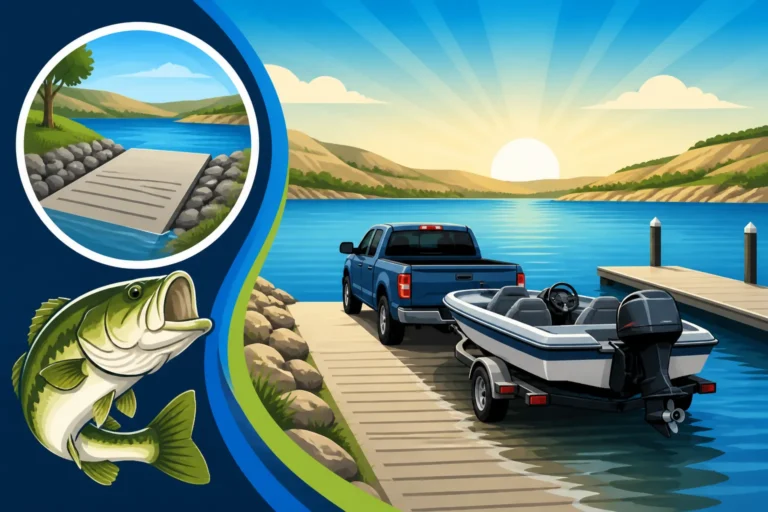
Joe Creek Lakeside Use Area is designed with angler convenience in mind. There's a well-maintained boat ramp that provides excellent access to the main creek channel and Lake Sharpe. This means you can launch anything from a small Jon boat perfect for crappie to a larger multi-species rig for exploring further out. While the ramp is generally reliable, always check local conditions, especially during periods of extreme high or low water, which can affect usability. Understanding South Dakota Boat and Water Access Rules is also vital for a safe and legal outing.
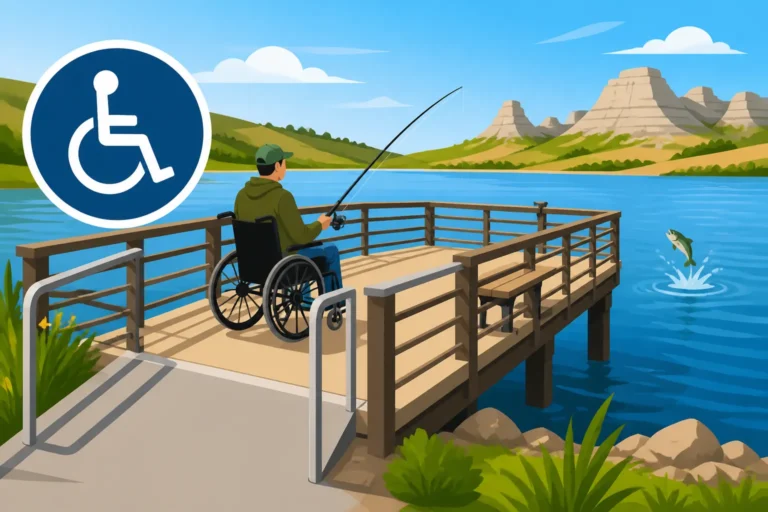
Beyond the boat ramp, the area typically offers ample parking, which is a huge plus, especially during peak fishing seasons. You’ll usually find restrooms available, and often picnic areas, making it a comfortable spot for a full day of fishing, whether you're bringing the family or just a buddy. For shore anglers, there are usually accessible banks along the use area that allow you to cast into the productive waters of the creek arm without needing a boat. These areas can be especially fruitful during the spring spawn when crappie move shallow. Before you head out, it's always a good idea to consult the South Dakota Game, Fish and Parks website or contact a local bait shop in Pierre or Fort Pierre for the most current information on facilities and any temporary closures. If you're looking for local expertise, consider checking FishingBooker for guides familiar with Joe Creek and Lake Sharpe.
Seasonal Strategies and When to Visit
Crappie fishing at Joe Creek is a year-round possibility, but certain seasons shine brighter than others. Spring, particularly April and May, is generally considered prime time. This is when crappie move into shallower waters to spawn, making them more accessible to both boat and shore anglers. They'll congregate around brush, docks, and rocky areas. You'll want to focus on water temperatures in the mid-50s to low-60s Fahrenheit. This time of year, a simple bobber and minnow or a tiny jig can be incredibly effective.
Summer presents a different challenge. Crappie will often move to deeper, cooler waters, suspending over submerged structure or along channel edges. This is where your fish finder becomes an indispensable tool. Trolling small crankbaits or vertically jigging over structure can yield excellent results. Fall sees crappie becoming more active again as water temperatures cool, feeding aggressively to bulk up for winter. They'll often school up in predictable patterns, making them easier to locate. And yes, even winter ice fishing can be fantastic on Lake Sharpe, including Joe Creek, once safe ice forms. Crappie will be concentrated in deeper holes, and vertical jigging with small spoons or tungsten jigs tipped with wax worms is the ticket. To get a comprehensive understanding of what to expect, check out a detailed guide on South Dakota Fishing Seasons Explained.
Tips for a Rewarding Crappie Experience
Crappie fishing, while often simple, benefits greatly from a thoughtful approach. It’s not just about showing up; it’s about understanding the subtle nuances that can turn a slow day into a memorable one. Joe Creek, with its diverse environment, rewards anglers who pay attention to details and are willing to adapt.
Reading the Water and Environmental Cues
Successful crappie anglers are keen observers. Beyond just knowing where to cast, it’s vital to understand why the crappie might be there on a particular day. Water clarity is a huge factor. After heavy rains, Joe Creek might have stained or muddy water, which often pushes crappie closer to structure and makes them more reliant on scent and vibration. In these conditions, brighter colored jigs (like chartreuse or orange) or live bait might be more effective. Conversely, in clear water, natural colors and a more subtle presentation are usually best.
Wind is another critical element. A gentle breeze can create a 'crappie chop' that breaks up the surface, making fish feel more secure and less wary. This can also create current breaks where baitfish accumulate, drawing crappie in. Too much wind, however, can make boat control difficult and muddy up shallow areas. Pay attention to changes in barometric pressure too; a falling pressure before a storm often signals an active bite. Look for signs of baitfish – flicking on the surface or visible on your fish finder – as crappie are never far from their food source. If you're unsure about the overall fishing outlook, a quick check on Best Time of Year to Fish in South Dakota can provide helpful context.
Practical Advice for Anglers of All Skill Levels
Whether you're a seasoned pro or just starting out, a few practical tips can make your Joe Creek crappie trip more enjoyable and successful. First, use light tackle. A lightweight spinning rod (5-7 feet) with a fast action, paired with a small reel spooled with 4-6 lb monofilament or fluorocarbon line, is ideal. This setup allows for accurate casts with small lures and maximum sensitivity to feel those light crappie bites. Also, bring a variety of jig heads in different weights (1/32 to 1/8 ounce) to adjust to depth and wind conditions.
Second, don't be afraid to move around. If a spot isn't producing after 15-20 minutes, try another. Crappie often school tightly, so if you find one, you're likely to find more. Fan-casting around structure or slowly drifting can help you locate those schools. Lastly, practice catch and release for smaller fish, and only keep what you plan to eat. This helps maintain the healthy crappie population in Lake Sharpe for future generations. Knowing your South Dakota crappie limits and size restrictions is essential, of course. For those looking for an extra edge, booking a trip through a service like FishingBooker could connect you with local guides who know Joe Creek like the back of their hand, offering invaluable insights and guaranteeing a productive day on the water.
| Crappie Fishing Considerations at Joe Creek Lakeside Use Area | Spring (Spawn) | Summer (Post-Spawn) | Fall (Feeding Frenzy) | Winter (Ice Fishing) |
|---|---|---|---|---|
| Typical Depth | 3-8 feet | 10-25 feet | 8-20 feet | 15-35 feet |
| Key Locations | Shallow brush, rocky banks, docks | Deep brush piles, creek channels, main lake points | Channel bends, submerged timber, open water schools | Deep holes, main channel break lines |
| Best Techniques | Bobber & minnow, small jigs | Vertical jigging, trolling, slip bobber | Casting jigs, vertical jigging, trolling | Vertical jigging, small spoons, tip-ups |
| Recommended Baits/Lures | Crappie minnows, small tube jigs, grub plastics | Soft plastics, small crankbaits, minnows | Minnows, small swimbaits, scented plastics | Tungsten jigs, wax worms, small minnows |
| Crappie Activity | Highly active, aggressive | Moderate, can be lethargic in heat | Highly active, schooling | Moderate, light bites |
| Primary Challenge | Locating spawning beds | Finding deep, suspended schools | Staying on top of schooling fish | Safe ice and cold hands |
Disclaimer
The information provided in this guide is for general informational purposes only and is subject to change. Always consult the official South Dakota Game, Fish and Parks regulations and local advisories before engaging in any fishing activities. Ensure you have the proper licenses and permits, and adhere to all safety guidelines. Fishing conditions can vary, and past success does not guarantee future results.