What Is the Habitat Stamp Fee Used For in South Dakota?
It's easy to look at that small extra fee on your fishing license and wonder, "What exactly is this for?" Many of us have felt that slight pinch, especially when balancing all the costs of getting out on the water. You invest in your rods, reels, bait, and a South Dakota Fishing License Guide – and then there’s this little add-on. This guide is here to unravel the mystery of the South Dakota Habitat Stamp, detailing precisely where your contribution goes and the tangible benefits it brings to our beloved outdoor spaces and the incredible fishing experiences we all cherish.
Understanding the South Dakota Habitat Stamp: More Than Just a Fee
When you're gearing up for a fantastic fishing trip in South Dakota, whether it's chasing walleye on the mighty Missouri River or casting for trout in the serene Black Hills, you'll encounter a few required purchases beyond your basic gear. Along with your standard fishing license, you'll likely need to acquire a Habitat Stamp. This isn't just another tax; it’s a dedicated investment in the future of South Dakota's natural resources, directly supporting the lands and waters that make our state a true angler's paradise.
What Exactly Is the Habitat Stamp?
The South Dakota Habitat Stamp is a required purchase for most residents and non-residents aged 18 and older who participate in hunting or fishing activities in the state. Think of it as a special conservation surcharge that directly fuels efforts to protect and enhance the very environments where we enjoy our outdoor passions. It's often purchased right alongside your regular fishing license, whether you're getting a South Dakota Annual Fishing License or even a short-term option.
This stamp is mandatory for virtually all fishing opportunities, with very few exceptions. It's not something you can just skip if you're only fishing from shore or using a kayak; if you need a license, you almost certainly need the stamp. This requirement sometimes catches folks off guard, especially if they're new to the state or haven't fished here in a while. But rest assured, every dollar generated from its sale is earmarked for crucial conservation projects, ensuring that the breathtaking landscapes and abundant fish populations we enjoy today will be around for generations to come. It’s a common point of confusion, but once you understand its purpose, that small fee starts to feel like a meaningful contribution.
Why Was the Habitat Stamp Implemented?
The implementation of the Habitat Stamp wasn't a sudden decision; it arose from a clear need for a stable, dedicated funding source for habitat conservation and public access. For years, like many states, South Dakota relied on a mix of federal grants, general state funds, and license sales for conservation efforts. However, these sources can be unpredictable, often leaving critical habitat projects underfunded. The state recognized that protecting and restoring vital wetlands, grasslands, and riparian areas – all crucial for fish and wildlife – required a consistent and reliable stream of revenue.
Moreover, the demand for public access to hunting and fishing grounds has steadily grown. As private land ownership increases and development expands, finding accessible public spots becomes more challenging for the average angler. The Habitat Stamp was designed to address this directly, ensuring that funds would be specifically allocated to not only improve habitat but also to acquire and enhance public lands, creating more opportunities for everyone to experience the outdoors. It's about protecting the wild heart of South Dakota, from the soaring eagles above the Missouri River to the smallest minnows in a Black Hills stream, and making sure we can all get out there to enjoy it.
Where Your Habitat Stamp Dollars Actually Go: Direct Conservation Impact
So, you've paid your fee, you've got your stamp, and you're ready to hit the water. But where, precisely, do those dollars go? The South Dakota Game, Fish and Parks (GFP) manages the funds generated by the Habitat Stamp, and they are legally dedicated to specific programs that directly benefit wildlife habitat and public access. This isn't money that disappears into a general fund; it's a direct pipeline to tangible, on-the-ground conservation efforts across the state.
Funding Habitat Development and Restoration
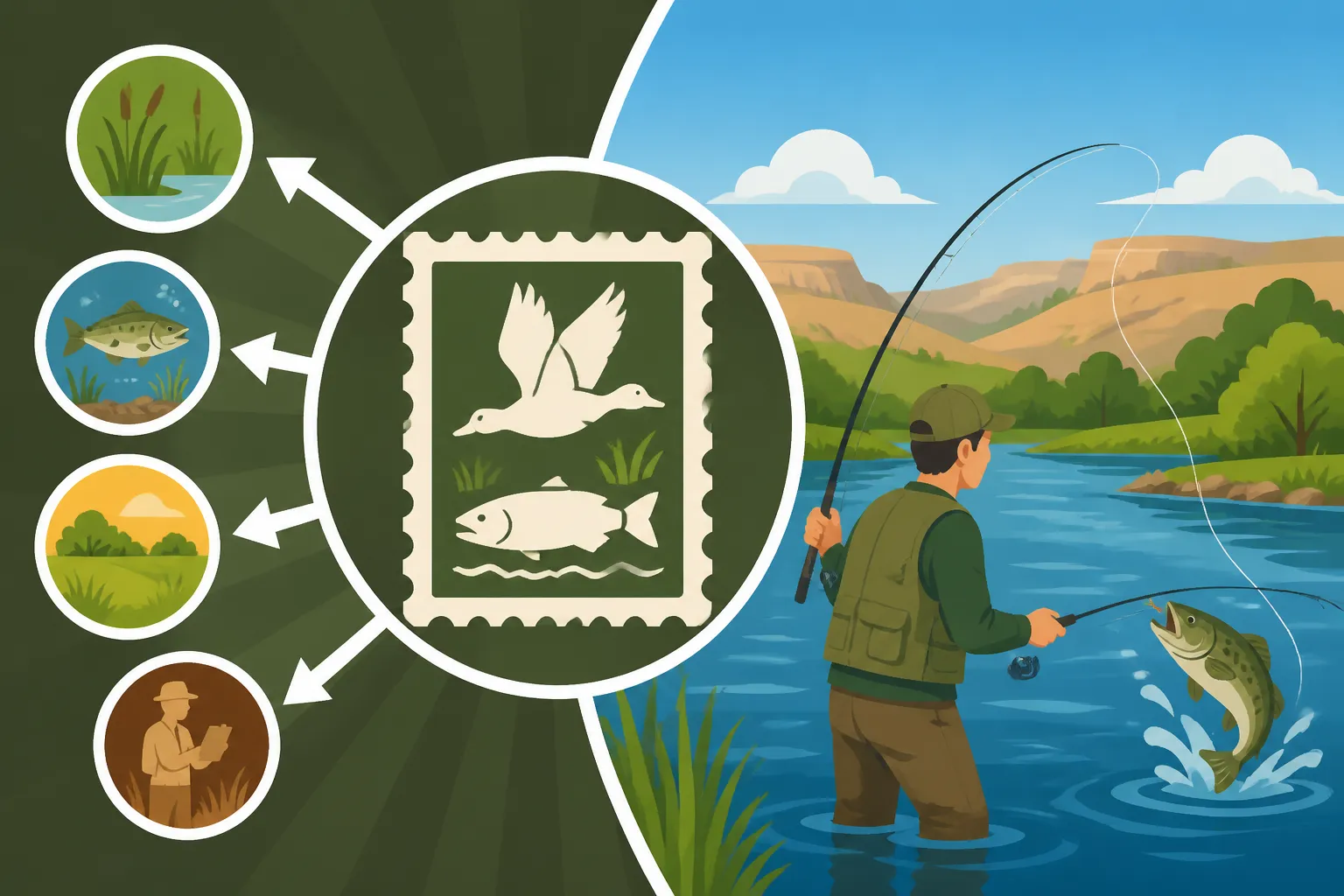
A significant portion of Habitat Stamp funds is funneled into projects designed to develop, restore, and improve vital wildlife habitats. This covers a broad spectrum of initiatives, each playing a critical role in supporting healthy ecosystems and robust fish populations. For instance, these funds are often used to:
- Restore Wetlands: Wetlands are ecological powerhouses, serving as nurseries for many fish species, providing critical waterfowl habitat, filtering water, and recharging groundwater. Funds are used to acquire, restore, and enhance these crucial areas, often involving earthwork, water control structures, and planting native vegetation. A healthy wetland system upstream can mean cleaner water and more forage fish for downstream reservoirs, directly benefiting our South Dakota Walleye Fishing Guide efforts.
- Enhance Grasslands: While primarily known for benefiting upland game, healthy grasslands are vital for water quality. They reduce soil erosion, prevent sediment runoff into rivers and lakes, and provide cover for various terrestrial species that form part of the broader food web. The impact on water clarity and overall aquatic health is profound.
- Improve Riparian Zones: These are the critical areas along the banks of rivers and streams. Funds go towards planting trees and shrubs, stabilizing banks, and creating shade, which helps regulate water temperatures – crucial for species like trout in the Black Hills streams. This also improves water quality by filtering pollutants and preventing erosion, which directly impacts fish spawning success and overall stream health.
- Tree Plantings and Shelterbelts: Beyond riparian areas, funds are used for large-scale tree planting efforts, creating shelter for wildlife and slowing down snowmelt and runoff, further contributing to better water management and habitat diversity.
These projects aren't just about pretty landscapes; they are the backbone of sustainable fishing in South Dakota. They ensure fish have places to spawn, grow, and find food, making for healthier populations and better fishing for everyone.
Enhancing Public Access for Hunting and Fishing
Another cornerstone of the Habitat Stamp's purpose is to expand and improve public access to hunting and fishing grounds. For many anglers, finding a spot to launch a boat or simply cast a line from shore can be a real challenge, especially on busy weekends. This is where your Habitat Stamp truly shines. The funds are utilized by GFP for several key access programs:
- Walk-In Area (WIA) Program: This highly successful program leases private lands from willing landowners, opening them to public hunting and fishing access. While often highlighted for hunting, many WIAs include streams, ponds, or lake access points that offer excellent fishing opportunities. These lands are clearly marked, providing easily identifiable public spots that might otherwise be inaccessible.
- Game Production Areas (GPAs): Habitat Stamp funds assist in the acquisition and development of GPAs. These are lands owned and managed by the GFP specifically for wildlife production and public recreation. Many GPAs include significant water features, providing crucial year-round public access for fishing.
- Boat Ramps and Shoreline Access: Beyond large tracts of land, funds are frequently used for smaller, but equally vital, projects such as developing new boat ramps, improving existing ones, or creating designated shore fishing access points. This directly addresses the frustration of finding a place to launch your boat or just get your line in the water, supporting guidelines like those found in the South Dakota Boat and Water Access Rules.
The expansion of public access is paramount for the future of outdoor recreation. It means more diverse fishing spots, less crowded areas, and increased opportunities for families to enjoy nature. Imagine exploring a new shoreline access point you discovered thanks to these funds, perhaps even finding that perfect spot for a quiet afternoon with a rod and reel. If you're looking for maps or guides to these public access areas, sometimes you can find detailed resources on platforms like Amazon, helping you plan your next adventure.
Supporting Critical Wildlife Management Programs
While habitat restoration and public access are direct benefits, Habitat Stamp funds also indirectly bolster broader wildlife management efforts that have a ripple effect on fisheries. A healthy ecosystem is a complex web, and good management practices contribute to all its components. These programs include:
- Population Surveys and Research: Understanding fish populations, their health, and their needs is vital. Funds might support research into fish diets, growth rates, and reproductive success. For example, studies on the forage base for species like walleye on Lake Oahe directly influence stocking and management decisions, ensuring healthy fish populations that tie into discussions like South Dakota Walleye Growth Rates on Lake Oahe.
- Disease Monitoring and Prevention: Protecting fish and wildlife from diseases is an ongoing battle. The funds can assist in monitoring efforts, allowing the GFP to quickly identify and respond to outbreaks that could devastate fish populations.
- Invasive Species Management: Combating the spread of invasive species, whether it's zebra mussels or various plant species, is critical for preserving native habitats and fish health. Funds help support efforts to prevent, detect, and control these threats, safeguarding our beloved fishing waters.
- Education and Outreach: A portion of the funds may also contribute to educational programs that teach anglers and hunters about responsible conservation practices, further embedding a stewardship ethic within the outdoor community.
By ensuring comprehensive wildlife management, the Habitat Stamp contributes to the overall health and vitality of South Dakota's natural world, which in turn leads to better, more sustainable fishing experiences for all of us.
The Tangible Benefits for Anglers and the Environment
When you purchase a South Dakota Habitat Stamp, you're not just complying with a regulation; you're actively investing in the preservation and enhancement of the state's incredible natural resources. The benefits of this seemingly small fee are far-reaching, directly impacting the quality of your fishing trips and the long-term health of South Dakota's environment.
Improved Fisheries and Healthier Ecosystems
The most direct and perhaps most appreciated benefit for anglers is the tangible improvement in fisheries. When Habitat Stamp funds are used to restore wetlands, stabilize stream banks, and manage riparian areas, it creates a cascade of positive effects:
- Better Spawning Grounds: Healthy wetlands and vegetated shorelines provide crucial protected areas for many fish species to spawn, ensuring the next generation of fish. This is especially vital for panfish, bass, and even some walleye populations that utilize shallower, protected waters.
- Increased Forage: Improved habitats lead to a healthier ecosystem, which means more insects, crustaceans, and baitfish – the food sources that larger game fish rely on. More food translates to faster growth rates and healthier, more robust fish. You can often find guides to identifying good forage fish habitat, sometimes available through retailers like Amazon.
- Cleaner Water: Restored wetlands act as natural filters, removing pollutants and excess nutrients before they reach larger lakes and rivers. Bank stabilization reduces sediment runoff, leading to clearer water, which benefits sight-feeding fish and improves the overall aesthetic of fishing spots.
- Diverse Fish Populations: By supporting a variety of habitats, the stamp helps maintain diverse fish populations, from the mighty South Dakota Northern Pike Limits to the elusive trout. This diversity creates a more resilient ecosystem and offers a wider range of fishing opportunities.
Ultimately, these ecological improvements lead to more fish, bigger fish, and healthier fish, which is what every angler dreams of. It helps ensure that regulations like South Dakota Fish Limits and Size Restrictions are sustainable and that we can continue to enjoy the thrill of a bending rod for years to come.
Increased Recreational Opportunities
Beyond the direct ecological benefits, the Habitat Stamp dramatically expands and enhances recreational opportunities for everyone who loves the outdoors. This isn't just about fish; it's about the entire experience of being outside:
- More Places to Fish: With the acquisition of new public lands and the establishment of Walk-In Areas, anglers have more choices than ever for where to cast a line. This reduces pressure on existing popular spots and opens up new, often less-frequented waters to explore. Whether you prefer the vastness of the Missouri River reservoirs or the tranquility of a glacial lake, more access points mean more chances to find your perfect spot.
- Enhanced Outdoor Experiences: These conserved areas often offer more than just fishing. They provide opportunities for wildlife viewing, photography, hiking, and simply enjoying the peace and quiet of nature. For families, having accessible public lands makes it easier to introduce kids to the joys of fishing and outdoor exploration, fostering a lifelong appreciation for conservation.
- Support for Diverse Activities: The funds contribute to a robust network of outdoor spaces that support everything from traditional boat fishing to South Dakota Kayak Fishing Gear Guide adventures, ensuring that all types of anglers have places to pursue their passion.
- Sustainable Future: By continually investing in public access and habitat, the Habitat Stamp ensures that as South Dakota grows, its natural heritage remains protected and available for all its citizens and visitors to enjoy.
Ensuring a Legacy of Outdoor Recreation in South Dakota
Perhaps the most profound benefit of the South Dakota Habitat Stamp is its role in securing a lasting legacy of outdoor recreation. It’s about more than just the next fishing trip; it’s about making a commitment to the future.
Every time you purchase that stamp, you're contributing to a fund that actively works to counter habitat loss, ensure clean water, and provide public access in perpetuity. This proactive approach helps safeguard South Dakota's reputation as a premier destination for anglers and outdoor enthusiasts. It allows the state's natural beauty and fish-rich waters to be enjoyed not just by current generations, but by our children and grandchildren. It’s an investment in the long-term health of our environment and the enduring tradition of fishing in this remarkable state. Without these dedicated funds, many critical projects simply wouldn't happen, and the quality of our outdoor experiences would inevitably decline. It's a small fee with a monumental impact.
South Dakota Habitat Stamp Funding Uses at a Glance
To give you a clearer picture of how those Habitat Stamp dollars are put to work, here's a quick overview:
| Funding Category | Primary Focus | Direct Angler Benefit | Example Projects |
|---|---|---|---|
| Habitat Development | Restoring and enhancing wetlands, grasslands, riparian areas, and tree cover. | Healthier fish populations, improved water quality. | Wetland restoration, stream bank stabilization. |
| Public Access Enhancement | Acquiring land, securing easements, and developing access points. | More places to fish, hunt, and recreate; reduced crowding. | Walk-In Areas (WIA), Game Production Areas (GPA), new boat ramps. |
| Wildlife Management Support | Population surveys, research, disease monitoring, invasive species control. | Sustainable fisheries, protection from ecological threats. | Fish stocking research, zebra mussel prevention efforts. |
Disclaimer
Please note that regulations and fee structures for fishing licenses and habitat stamps are subject to change. Always consult the official South Dakota Game, Fish and Parks (GFP) website or their most current regulations handbook before heading out to fish. The information provided here is for general guidance and educational purposes.