South Dakota Nonresident Youth Fishing License Rules
It can feel like a maze trying to figure out all the fishing regulations, especially when you're visiting South Dakota from out of state and bringing along young anglers. Parents often fret about whether their kids need a license, what the age limits are, and how to even go about getting one without breaking any rules. This guide is here to untangle all those worries, providing a crystal-clear breakdown of the South Dakota nonresident youth fishing license rules so your family can focus on making cherished fishing memories.
Demystifying Youth Fishing License Requirements for Nonresidents
One of the biggest questions families have when planning a fishing trip to South Dakota is whether the kids need a license. It’s a completely fair question, and the answer, thankfully, often comes with a sigh of relief for those with younger children. The rules are pretty straightforward once you know them, and they’re designed to encourage youth participation in outdoor activities like fishing.
Age-Based Exemptions: When Kids Can Fish for Free
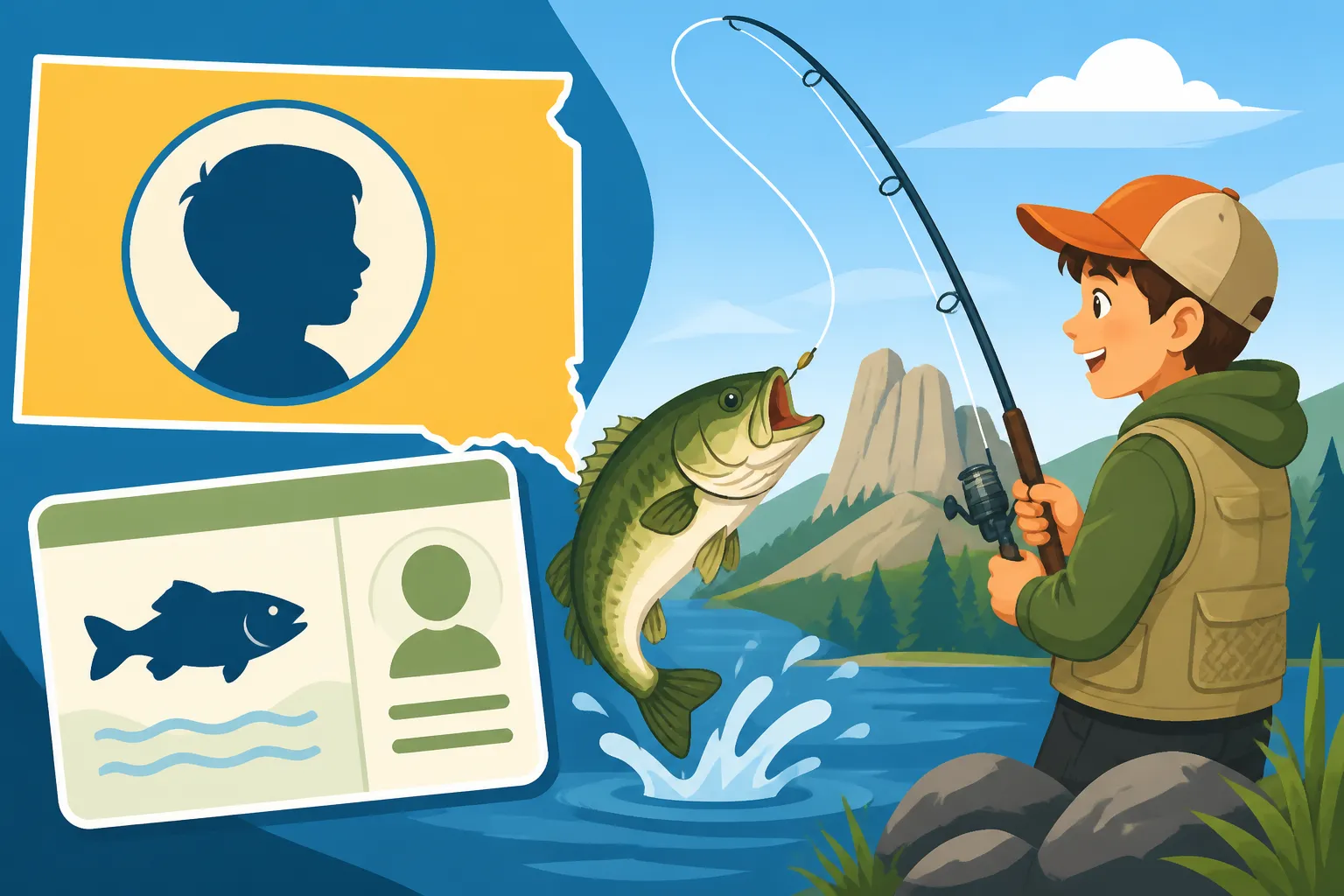
Let's cut right to the chase: in South Dakota, children who are 15 years old and younger do not need a fishing license. This applies to both residents and nonresidents alike! Imagine your family making the drive from Omaha, Nebraska, excited for a week of walleye fishing on Lake Sharpe. If your child is, say, 12 years old, they can cast their line right alongside you without needing to buy any permit. This exemption is fantastic because it removes a barrier for families and allows younger kids to get hooked on fishing without any extra cost or paperwork.
However, once a youth celebrates their 16th birthday, the rules change. At 16, they are considered an adult in the eyes of South Dakota's fishing regulations and will need to purchase a license, just like any other adult angler. This is a crucial detail that often catches people by surprise, especially if they’re used to different age cut-offs in their home state. So, if your family is coming from Minnesota and your child is 16, they'll need to be prepared with a proper South Dakota fishing license. This age distinction is vital for avoiding any unforeseen issues while out enjoying the waters.
Defining "Nonresident" for Youth Anglers
Understanding what makes someone a "nonresident" is usually pretty clear-cut, but it's worth a quick mention, especially in the context of youth. For fishing license purposes in South Dakota, a nonresident is generally someone who has not resided in the state for at least 90 consecutive days immediately preceding their application for a license. For minors, their residency status typically follows that of their parent or legal guardian.
So, if your family lives in Colorado and you're visiting South Dakota for a fishing vacation, your children will be considered nonresident youth anglers. There aren't special exceptions for youth whose parents are residents but who themselves live out of state for school, for example; the primary residence of the parent or legal guardian is usually the determining factor. The state's system is set up to ensure that everyone who doesn't primarily live in South Dakota contributes through nonresident fees to the conservation efforts that make the fishing here so fantastic.
Navigating South Dakota Nonresident Youth License Options
Once you've confirmed that your young angler, specifically one aged 16 or older, needs a license, it’s time to explore the options. South Dakota offers several types of licenses to accommodate different lengths of visits, ensuring that whether you're here for a weekend or an entire season, there's a permit that fits your needs.
When a Nonresident Youth Needs a License
As we've discussed, the magic age for needing a license as a nonresident youth in South Dakota is 16. If your son or daughter is celebrating their sweet sixteen, it's also time to celebrate their entry into the world of licensed angling! They will need to purchase a full nonresident fishing license. This is a point that often trips up families, as some states have higher age exemptions or special youth licenses, but in South Dakota, 16 is the threshold.
For those 16 and older, South Dakota offers a few choices that are perfect for visitors. You can check out the various South Dakota Nonresident Fishing License Options to get a full picture, but here are the main ones:
- Annual Nonresident Fishing License: This is perfect if you plan on making multiple trips throughout the year or staying for an extended period. It covers the entire license year (January 1st to December 31st).
- Three-Day Nonresident Fishing License: A great choice for a long weekend trip. It offers flexibility without committing to an entire year. You can grab one of these for a quick getaway to the Glacial Lakes region.
- One-Day Nonresident Fishing License: If your family is just passing through or wants to try a single day of fishing, the South Dakota One-Day Fishing License is incredibly convenient. It’s perfect for testing the waters without a significant upfront cost.
It’s truly a thoughtful system that allows families to pick what works best for their travel plans and budget. Just remember, no matter which option you choose, the young angler (16+) needs to have it on their person while fishing.
Costs and Additional Stamps for Young Nonresidents
Now let's talk about the dollars and cents. The cost of a nonresident youth fishing license (for those aged 16 and up) is the same as it is for any adult nonresident. South Dakota's commitment to robust fisheries management means these funds go directly back into stocking, habitat improvement, and enforcement, ensuring world-class fishing for everyone.
Beyond the license itself, there's another crucial component: the Habitat Stamp. In South Dakota, if you are required to purchase a fishing license, you are also required to purchase a Habitat Stamp. This applies to nonresident youth aged 16 and older who need a fishing license. The Habitat Stamp is a small fee that provides significant funding for critical wildlife habitat development and management projects across the state. You can learn more about this vital contribution through the South Dakota Habitat Stamp Requirements guide.
To help visualize the costs, here's a quick breakdown of common nonresident options for youth aged 16 and up (prices are approximate and subject to change, always check the official GFP website for the most current information):
| License Type | Estimated Cost (License Only) | Estimated Cost (Habitat Stamp) | Total Estimated Cost | Duration |
|---|---|---|---|---|
| Annual Nonresident Fishing | $67.00 | $10.00 | $77.00 | Jan 1 – Dec 31 |
| Three-Day Nonresident Fishing | $37.00 | $10.00 | $47.00 | 3 consecutive days |
| One-Day Nonresident Fishing | $16.00 | $10.00 | $26.00 | 1 day |
Note: These prices are for illustration and may not reflect current exact figures. Always verify on the official South Dakota GFP website.
The good news is, these are generally bundled together, so you won't have to navigate separate purchases for the license and the stamp. When you're gathering your gear for the trip, don't forget to check out Amazon for things like fishing gloves or a new tackle box to make that first licensed fishing trip even more special for your young angler.
Practical Steps to Get a Nonresident Youth Fishing License
Once you've determined which license your 16-year-old nonresident angler needs, the next step is actually getting it. South Dakota has made the process incredibly convenient, offering both online and in-person options to suit every preference.
Online Purchase: The Easiest Route for Visiting Families
For many visiting families, especially those who like to plan everything out before hitting the road, purchasing a license online is by far the easiest and most convenient method. The South Dakota Game, Fish and Parks (GFP) website is user-friendly and allows you to complete the entire transaction from the comfort of your home. You can find a detailed guide on How to Buy a South Dakota Fishing License Online.
Here’s a quick rundown of the online process:
- Visit the GFP Website: Navigate to the official South Dakota Game, Fish and Parks licensing portal.
- Select License Type: Choose the appropriate nonresident fishing license (Annual, 3-Day, or 1-Day) for your 16+ year old.
- Provide Information: You’ll need to enter personal details for the angler, including their full name, date of birth, address, and physical characteristics (height, weight, eye/hair color). Make sure this information is accurate.
- Add Habitat Stamp: The system will typically automatically add the required Habitat Stamp to your cart.
- Payment: Complete the purchase using a credit or debit card.
- Print or Save: After a successful transaction, you’ll receive an email confirmation and a printable license. It's always a good idea to print a physical copy to keep with you on the water, but having a digital copy saved on a smartphone is often sufficient for proof.
Purchasing online saves precious vacation time and ensures you’re fully compliant before you even arrive in the state. Plus, it gives you peace of mind knowing all the paperwork is handled.
In-Person Options and What You'll Need
If you prefer a more traditional approach, or if you find yourself spontaneously deciding to fish once you're already in South Dakota, in-person purchase options are plentiful. You can often find licenses at local GFP offices, many bait shops, sporting goods stores, and even some general merchandise retailers. To find a location near your destination, refer to our guide on Where to Buy a South Dakota Fishing License in Person.
When purchasing in person, you'll need to provide the same personal information as you would online for your 16+ year old angler: full name, date of birth, current address, and physical identifiers. While a photo ID isn't always strictly required for youth purchasing a license, it's always best to have one handy if available, or for the accompanying adult to have theirs. The agent at the counter will guide you through the process, and you'll walk away with a physical license in hand.
When you stop at a local bait shop to pick up a license, it's also a fantastic opportunity to grab some local wisdom on what's biting and what bait works best. You might even find some handy accessories like a new fishing hat or polarized sunglasses on sale, though for a wider selection of gear, you might browse Amazon before your trip.
Key Regulations and Tips for Nonresident Youth Anglers
Getting the license is a big step, but it's just the beginning. To truly enjoy fishing in South Dakota, understanding the broader regulations and adopting responsible angling practices is key. This ensures a safe, enjoyable, and sustainable experience for everyone.
Understanding General South Dakota Fishing Regulations
Once your nonresident youth (aged 16 and older) has their license, they are subject to all the same South Dakota Fishing Regulations Explained that apply to adult anglers. It’s not just about having the piece of paper; it’s about knowing the rules of the game.
Key areas to be aware of include:
- Fish Limits and Size Restrictions: Every species has specific daily and possession limits, and some, like walleye, may have minimum or slot length limits. For instance, on the popular Missouri River reservoirs, there are specific walleye limits in place. Always consult the current year's GFP fishing handbook for the most up-to-date South Dakota Fish Limits and Size Restrictions.
- Legal Bait: While many common baits are allowed, some waters may have restrictions (e.g., no live minnows in certain Black Hills trout streams).
- Number of Lines: Generally, anglers are allowed two lines, but always confirm the specific rules for the body of water you're fishing.
- Special Waters: Some specific lakes or streams may have unique regulations, such as catch-and-release only sections or artificial lure restrictions.
Ignorance of the law is never an excuse, so taking a few minutes to review the rules for your intended fishing location can save a lot of headaches and ensure a pleasant trip. The South Dakota GFP Fishing Handbook Guide is your go-to resource for all these details.
Responsible Angling and Enjoying the Experience
Beyond the regulations, it’s also about fostering a sense of responsibility and respect for the environment and the fish. Teaching young anglers these principles is just as important as teaching them how to cast.
- Practice Catch and Release: While keeping some fish for dinner is part of the experience, consider practicing catch and release for larger or smaller fish to help maintain healthy populations. Teach kids how to properly handle fish to minimize stress and injury before release.
- Leave No Trace: Always pack out everything you pack in. Dispose of fishing line, bait containers, and any other trash properly. Keeping South Dakota's natural beauty pristine is a collective effort.
- Safety First: Whether fishing from shore or a boat, safety should always be paramount. Ensure young anglers wear appropriate life jackets when on the water, especially in boats or near strong currents. Know the weather forecast and be prepared for changing conditions. A good pair of water-resistant boots, like those found on Amazon, can make a day on the shore much more comfortable.
- Embrace the Journey: Remember that fishing isn't just about catching fish; it's about spending time outdoors, learning patience, and appreciating nature. Encourage observation of wildlife, identification of different fish species, and simply enjoying the peace and quiet.
- Do Kids Need a Fishing License in South Dakota? This is a question often asked, and as detailed in this guide, the answer hinges on age and residency. While younger kids fish free, ensuring that those aged 16 and up have their licenses is crucial.
South Dakota offers an incredible diversity of fishing experiences, from the mighty Missouri River to the serene Black Hills streams and the productive Glacial Lakes. By understanding the nonresident youth fishing license rules and fishing responsibly, you and your young anglers are set for an unforgettable adventure.
Disclaimer
Please remember that fishing regulations, license requirements, and costs can change. Always consult the official South Dakota Game, Fish and Parks (GFP) website or their current fishing handbook for the most accurate and up-to-date information before planning your trip. This guide is intended for informational purposes only and does not supersede official state regulations.