South Dakota High-Grading Rule for Trout Explained
It's incredibly frustrating when you're out enjoying the peaceful waters of South Dakota, reeling in some beautiful trout, and then suddenly you're second-guessing every move because of a complicated rule you think you understand but aren't entirely sure about. The feeling of wanting to do the right thing, to be a responsible angler, but fearing an accidental violation is a common worry. This guide is here to clear up the confusion specifically around South Dakota's "high-grading" rule for trout, making sure you can focus on the fishing, not the fines.
Understanding the High-Grading Rule for Trout in South Dakota
South Dakota takes its fisheries management seriously, especially when it comes to prized species like trout in the unique Black Hills streams. One of the regulations that sometimes causes confusion, but is absolutely vital for conservation, is the rule against "high-grading." It's not just a technicality; it's about ethical angling and sustainable resource use.
What Exactly is High-Grading?
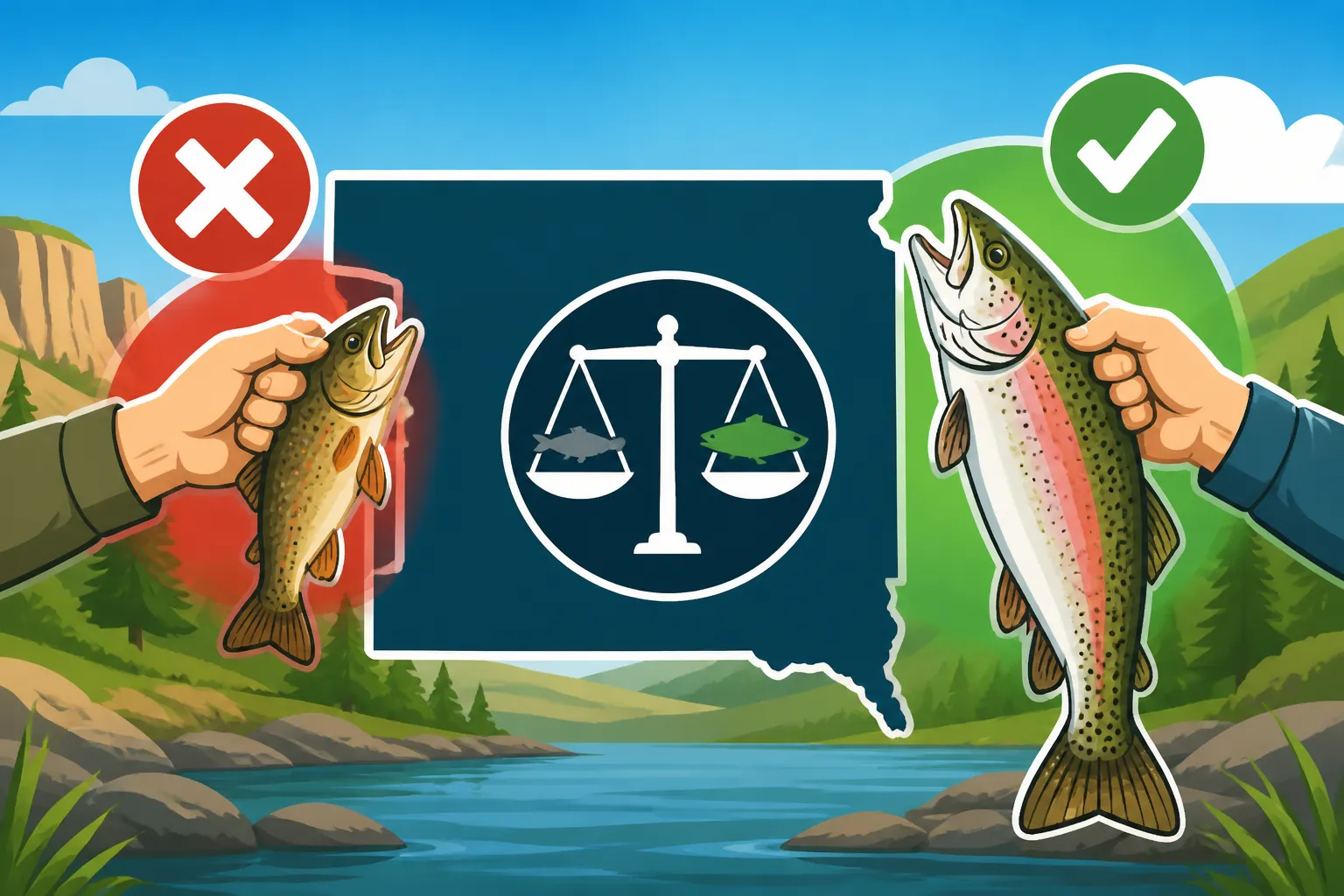
At its core, high-grading (sometimes called "culling") is the act of replacing a fish you've already kept with a larger one caught later. Imagine you’re fishing for trout, and you catch a couple of decent 10-inchers that meet the minimum size limit, so you put them on your stringer or in your livewell, intending to keep them. An hour later, you hook into a magnificent 14-inch trout. If you then decide to release one of those original 10-inchers to make room for the bigger 14-incher, that is high-grading.
The problem with this practice is multi-faceted. When a fish has been "creeled" – meaning placed on a stringer, in a livewell, or otherwise clearly designated as part of your daily limit – it has likely undergone stress, been handled, and potentially been out of water for a period. Releasing it after this stress significantly reduces its chances of survival, essentially turning it into wasted mortality. It also artificially inflates catch rates in certain ways and undermines the spirit of daily limits, which are designed to manage harvest sustainably.
Why South Dakota Has This Rule
The South Dakota Game, Fish and Parks (GFP) implements the high-grading rule primarily for conservation. The state invests considerable effort and resources into stocking and managing its trout populations, particularly in the Black Hills. These waters, while beautiful, are also delicate ecosystems. The rule ensures that fish that are intended for harvest are harvested efficiently and that anglers make a firm decision about keeping a fish when they catch it. It's about preventing unnecessary waste and ensuring that the daily creel limits genuinely reflect the number of fish an angler takes out of the population.
This regulation aligns with broader South Dakota Fishing Regulations Explained that emphasize responsible angling. Without such a rule, anglers could potentially catch and stress many more fish than their legal limit by constantly upgrading, leading to higher unseen mortality rates among released fish. It promotes a "one and done" approach for kept fish, which is crucial for the health of the fishery.
The Ethical Angler's Perspective
For many seasoned anglers, the high-grading rule is a no-brainer from an ethical standpoint. It's about respecting the resource and playing fair. Every fish we catch and keep is a finite resource. If we handle a fish roughly, keep it in a livewell for hours, and then decide it's not "good enough" and toss it back to likely die, we've essentially caused a death for no purpose.
Ethical anglers understand that once a fish is destined for the dinner plate, it's removed from the ecosystem. The decision to keep should be made as quickly and humanely as possible. This rule encourages mindfulness and a deeper appreciation for each catch, rather than treating fish as disposable commodities in a constant quest for the biggest possible haul within a limit. It’s part of the broader conversation about sustainable fishing practices that you'll find throughout the state's fishing community.
Specifics of the South Dakota High-Grading Regulation
Understanding the spirit of the rule is one thing, but knowing the precise language and how it's enforced can save you a lot of headache. South Dakota's regulations are quite clear on the matter, leaving little room for ambiguity once you know what to look for.
The "No Culling" Mandate in Practice
South Dakota's rules essentially state that once a fish is reduced to your possession and counts towards your daily limit, it cannot be released. This applies to fish that are hooked, landed, and then either put on a stringer, placed in a livewell, or otherwise retained with the intention of keeping it. If you decide to keep a fish, that's your commitment. You can't later decide you want to swap it out for a bigger one.
This mandate is particularly critical in areas with strict size and possession limits for trout. For example, some stretches might have a 12-inch minimum, and once you put a legal 12-inch trout on your stringer, that fish is part of your creel. Catching a 15-inch trout later doesn't give you permission to release the 12-inch one. This directly impacts how anglers must approach their fishing strategy, especially in prime trout areas like those covered in the Black Hills Trout Stream Fishing Guide. You need to make a decision at the point of catch: is this a keeper or is it going back immediately?
When It Applies Most: Trout Fishing in the Black Hills
While the high-grading rule applies generally across various species and waters, it gains particular prominence and is often emphasized in the context of trout fishing in the Black Hills. Areas like Rapid Creek, Spearfish Creek, Castle Creek, and others are managed with specific South Dakota Trout Limits in the Black Hills and often have sensitive populations that can be negatively impacted by unnecessary mortality. The Black Hills are a unique resource for trout in the state, and maintaining the health of these cold-water fisheries is a top priority for GFP.
Anglers fishing for brown, rainbow, or brook trout in these scenic streams must be especially diligent. The combination of varied size limits, special regulations on certain stream sections, and the general vulnerability of stream-dwelling trout makes adherence to the no-culling rule critical. This is why you'll often hear wardens and experienced local anglers reminding newcomers about this specific regulation. These highly regulated waters are often where you'll find anglers practicing South Dakota Fly Fishing for Black Hills Trout, where careful handling is a given, whether releasing or keeping.
The Difference Between Catch-and-Release and High-Grading
It's crucial to distinguish between high-grading and legitimate catch-and-release fishing. Pure catch-and-release is a widely accepted and often encouraged practice, particularly for anglers who wish to minimize their impact or target trophy fish without keeping them. With true catch-and-release, the angler never intends to keep the fish. Upon landing, the fish is handled carefully, unhooked, and immediately released back into the water with minimal stress. This is done with the explicit goal of the fish surviving.
High-grading, on the other hand, involves the initial intent to keep a fish, followed by a change of mind and subsequent release after the fish has been held in possession (creel, livewell) for some time. The key differentiator is the intent and the duration of possession. If you're practicing catch-and-release, you release all fish immediately, or at least all fish not definitively destined for the cooler. If you're keeping fish, you make that decision at the moment of catch and don't re-evaluate later. It’s important to understand the details in the South Dakota Fish Limits and Size Restrictions to properly implement this decision-making process.
Practical Implications and Avoiding Violations
Navigating fishing regulations can feel like a minefield, but with a clear understanding of the high-grading rule, you can confidently enjoy your time on the water. It boils down to making informed decisions at the moment of truth.
Making the Decision to Keep or Release
The best way to avoid high-grading is to adopt a disciplined approach:
- Decide at the moment of catch: As soon as you land a trout, decide if it meets the legal requirements (size, species, slot limits) and if you genuinely want to keep it as part of your daily limit.
- Immediate action:
- If keeping: Immediately and humanely dispatch the fish and place it in your cooler or on your stringer. This fish now counts towards your daily limit and cannot be released.
- If releasing: Handle the fish minimally, keep it in the water as much as possible, remove the hook gently (barbless hooks help greatly here), and release it immediately. This fish does not count towards your limit.
- No "maybe" pile: There's no in-between. Don't put a fish in a livewell hoping to find a bigger one later. That livewell is for fish you are keeping.
This might sound like a lot of pressure, but it truly encourages you to be present and thoughtful about each catch. Many anglers prefer this clear-cut method, as it removes any doubt and ensures compliance with Black Hills Stream Trout Regulations.
Gear That Helps Prevent Accusations
Having the right gear isn't just about catching fish; it's also about being a responsible, compliant angler. Here's what can help:
- Measuring Device: A reliable, easy-to-read measuring tape or bump board is essential, especially when fishing waters with strict size limits. You can find excellent, durable options that float on platforms like Amazon.
- Fish Scale (Optional but helpful): While not directly tied to high-grading, a scale can help you quickly assess if a fish is a "trophy" if you're participating in a catch-and-release trophy program, or simply to satisfy your curiosity about its weight before deciding on release.
- Cooler or Stringer: For fish you intend to keep, have a dedicated, well-insulated cooler with ice, or a robust stringer if regulations permit. This shows clear intent to keep and properly preserve your catch. If you're fishing in a remote area, a lightweight, durable stringer can be a great option, many of which are available for purchase on Amazon.
- Dehooker/Pliers: For quick and minimal-harm releases, a good pair of long-nosed pliers or a specialized dehooking tool is invaluable. This allows you to remove hooks efficiently, particularly if you're using barbless hooks, which are often recommended for catch-and-release trout fishing.
- Camera: If you like to photograph your catches, do so quickly while keeping the fish wet, before making your keep/release decision. A quick photo is fine, but extended photo sessions contribute to fish stress.
Remember, the goal is to leave no room for doubt about your intentions. Your actions and your gear should clearly reflect whether a fish is being kept or immediately released. This ties into the larger framework of the South Dakota Fishing License Guide which emphasizes adherence to all regulations.
What Happens If You're Caught
Violating fishing regulations, including the high-grading rule, can lead to various penalties. South Dakota GFP conservation officers are well-trained and routinely patrol popular fishing areas, especially those known for trout. If an officer observes you high-grading, or finds evidence of it (e.g., a live fish in your livewell that was clearly intended for release after being held for some time), you could face a citation.
Penalties typically include fines, which can be significant, and potentially the forfeiture of your catch and even your fishing equipment. In more serious or repeat offenses, you could face the suspension or revocation of your South Dakota fishing license. This not only impacts your ability to fish in the state but could also affect your ability to obtain licenses in other states due to interstate agreements. It's a serious matter, and understanding the potential consequences, as highlighted in a guide about South Dakota Fishing Without a License Penalties (which often shares similar legal frameworks with other violations), underscores the importance of compliance. Always consult the current year's GFP Fishing Handbook for the most up-to-date information on penalties.
Responsible Angling Practices
Beyond just avoiding violations, being a responsible angler is about contributing to the long-term health of the fishery. The high-grading rule is just one piece of a larger puzzle of ethical fishing.
Minimizing Harm During Catch and Release
Even if you're not high-grading, if you're releasing fish, it's paramount to do so in a way that gives them the best chance of survival.
- Wet Hands: Always wet your hands before touching a fish. Dry hands can remove the protective slime coat, making the fish vulnerable to disease.
- Minimize Air Exposure: Keep the fish in the water as much as possible, especially trout, which are highly sensitive to being out of their element. If you need a photo, do it quickly, with the fish over the water.
- Gentle Handling: Support the fish horizontally, never vertically by the jaw or tail alone. Avoid squeezing.
- Quick Release: Remove hooks quickly and gently. Consider using barbless hooks, which are easier to extract. If the hook is deeply swallowed, cut the line as close to the hook as possible rather than tearing the fish's insides.
- Revive If Necessary: If a fish seems lethargic, hold it gently in the water, facing into the current (if any), until it regains strength and swims off on its own.
These practices are not just suggestions; they are crucial for preserving the very populations we enjoy targeting, especially for delicate species found in the Black Hills, where many practice pure catch-and-release fly fishing. For those exploring How to Fly Fish for Trout in the Black Hills, these techniques are standard practice.
Knowing Your Limits
South Dakota has diverse fisheries, and regulations vary widely by species, water body, and even specific sections of rivers. It's not just about the daily creel limit (how many you can keep in one day) but also often a possession limit (how many you can have in your cooler, freezer, or vehicle at any given time). These limits are in place for a reason: to ensure sustainable harvest.
Before every fishing trip, especially to a new area, always double-check the current South Dakota Fish Limits and Size Restrictions and special regulations for that specific body of water. Ignorance of the law is never an excuse. A quick check of the South Dakota GFP website or the annual fishing handbook will provide all the necessary details. This proactive approach prevents accidental over-harvest and shows respect for the resource.
Reporting Violations and Conservation
Responsible anglers are often the first line of defense for conservation. If you witness someone high-grading or committing another fishing violation, it's your responsibility to report it to the South Dakota Game, Fish and Parks. You can typically find a tip line or a non-emergency number for law enforcement on the GFP website or in the fishing handbook. Providing details such as location, time, description of individuals, and any vehicle information can be incredibly helpful for conservation officers.
Active participation in conservation goes beyond reporting. It includes supporting habitat improvement projects, practicing "leave no trace" principles, and advocating for sound fisheries management. Every angler plays a role in ensuring that South Dakota's waters remain vibrant and productive for generations to come.
Disclaimer
The information provided in this guide is for general informational purposes only and is not a substitute for the official South Dakota Game, Fish and Parks fishing regulations. Regulations can change frequently. Always consult the most current South Dakota Fishing Handbook or the official GFP website before heading out to fish to ensure compliance with all applicable laws and rules.