Can You Fish From a Kayak Without Registering It in South Dakota?
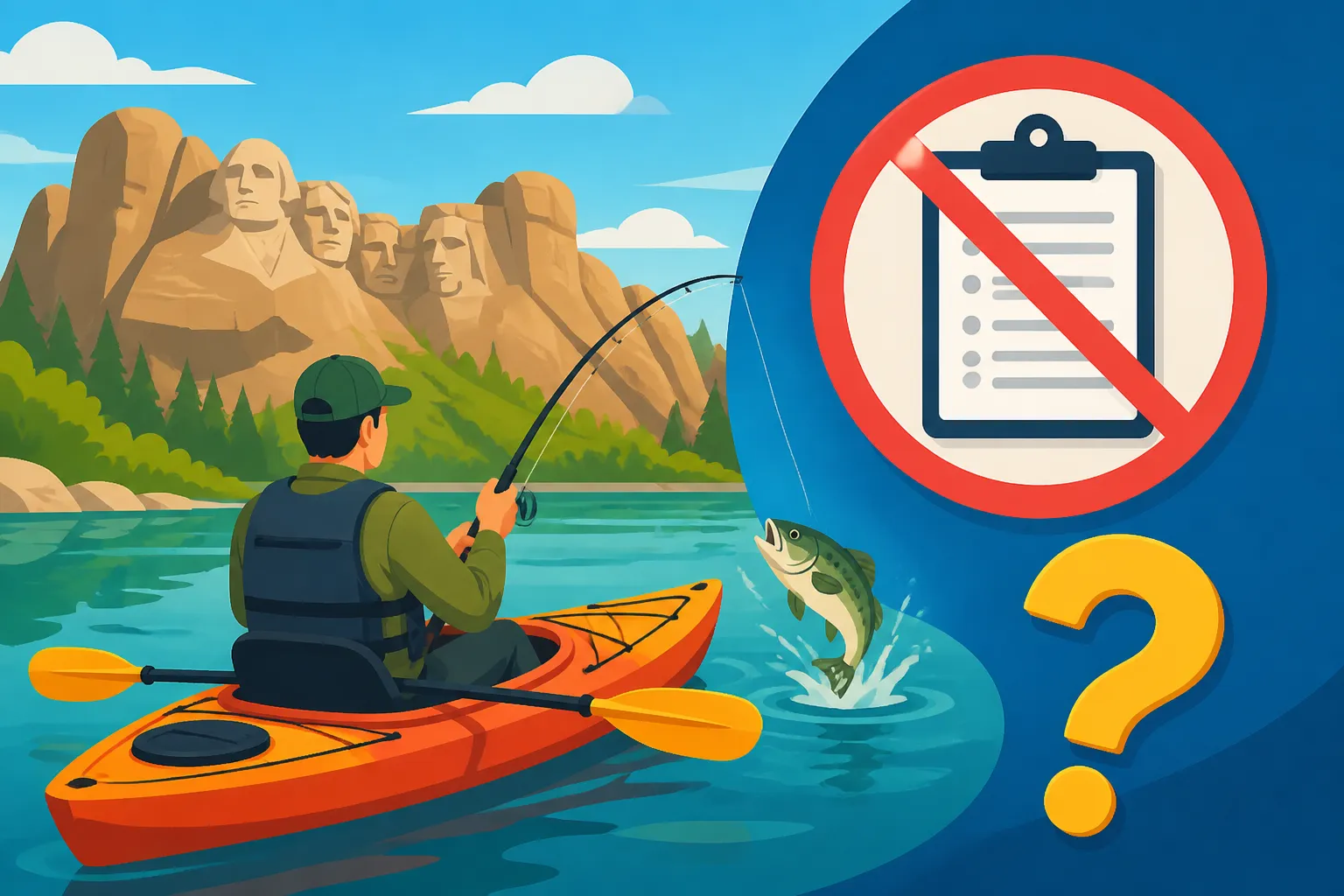
It’s a fair question many anglers ponder, especially those of us who love the quiet solitude and accessibility of kayak fishing: do you really need to jump through registration hoops just to paddle your kayak out onto a South Dakota lake? Navigating the world of boating regulations can feel like trying to untangle a particularly stubborn fishing knot, and nobody wants to unknowingly break the law when all they want to do is enjoy a peaceful day on the water. This comprehensive guide is here to clear up the confusion, explaining exactly when and why your kayak might (or might not) need to be registered in the Mount Rushmore State.
Understanding South Dakota Watercraft Registration Rules
South Dakota has specific regulations for watercraft registration, and while many larger boats are undeniably required to be registered, smaller vessels like kayaks often fall into a nuanced category. It's not always as simple as "motorized versus non-motorized," though that's a huge part of it. The key is understanding the specific criteria the state uses to define what needs a number and what doesn't.
General Registration Requirements for Watercraft
Let's start with the basics. In South Dakota, most motorized vessels, regardless of their size, must be registered with the Department of Game, Fish and Parks (GFP). This includes everything from powerful bass boats zipping across Lake Oahe to leisurely pontoon boats cruising on Lewis and Clark Lake. The registration process involves getting a unique identification number that must be displayed on both sides of your boat, along with a validation sticker. This isn't just a formality; it's a way for law enforcement to identify vessels, ensure compliance with safety regulations, and contribute to statewide conservation efforts.
Registration fees are typically paid annually or for a multi-year period, and they vary depending on the length and type of vessel. When you register, you’re also likely to need a title for your boat, similar to how you would for a car. This is often handled through your county treasurer's office or directly through the GFP. Missing or expired registration can lead to fines, so it’s always better to be proactive and informed before you launch. You can find more detailed information on topics like South Dakota Boat Registration Guide if you want to explore the general process further.
Exemptions: When a Kayak Doesn't Need Registration
Now, for the question at the heart of the matter: does your kayak need registration? Generally, the good news for many kayak anglers is no, your kayak likely does not need to be registered in South Dakota, provided it meets certain criteria.
The primary exemption applies to non-motorized vessels that are less than 12 feet in length. Most recreational kayaks, especially single-person models, fall comfortably within this length requirement. This means if you're paddling a standard 10-foot fishing kayak, enjoying the serene waters of Sheridan Lake, and you don't have a motor attached, you're usually in the clear regarding state registration. This exemption simplifies things considerably for a huge number of paddlers, allowing them to focus more on their fishing techniques for specific species like South Dakota Trout Limits in the Black Hills rather than paperwork.
It's important to stress "non-motorized." If you're only using paddles, and your kayak is under 12 feet, you're good to go. This applies whether you're fishing from the shore or paddling out into the middle of a reservoir. However, it's crucial not to confuse boat registration with a fishing license. Even if your kayak doesn't need to be registered, you always need a valid South Dakota Fishing License Guide to legally fish in South Dakota waters if you are 16 years of age or older.
The Power Factor: Motors on Kayaks
Here's where the "no registration needed" rule can quickly change. If you decide to attach any kind of motor to your kayak, even a small electric trolling motor, it instantly falls under the definition of a "motorized vessel" in South Dakota. Once you add that power source, regardless of the kayak's length, it must be registered.
Many kayak anglers are opting for small electric motors to extend their range, combat currents, or simply move around more easily, especially on larger bodies of water like the Missouri River reservoirs. These motors offer a fantastic advantage, but they come with the added responsibility of registration. The process for registering a motorized kayak is the same as for any other motorized boat. You'll need to go through the GFP or your county treasurer, pay the appropriate fees, and display the registration numbers and decal. Failing to do so can result in a citation from game wardens, which nobody wants when they're trying to enjoy a peaceful day of fishing. This is a common point of confusion, so be absolutely clear on this if you're considering adding a motor. The South Dakota Non-Motorized Boat Registration Rules article provides more context on this distinction.
Why These Rules Exist: Safety and Conservation
Understanding why these regulations are in place can make them a lot less frustrating to deal with. It's not just about collecting fees; it's about protecting both the people who use South Dakota's waters and the precious natural resources within them. The South Dakota Game, Fish and Parks manages an incredible network of lakes, rivers, and streams, and proper regulation is essential for their long-term health and public safety.
Funding Conservation Efforts
A significant portion of the fees collected from boat registrations and fishing licenses goes directly back into conservation. This funding supports critical programs such as fish stocking, habitat restoration, water quality monitoring, and aquatic invasive species prevention. Think about those healthy walleye populations in Lake Sharpe or the thriving trout streams in the Black Hills – these are often the direct beneficiaries of these funds. By contributing through registration and licenses, anglers and boaters are directly investing in the future of South Dakota's fantastic fishing opportunities. This also includes efforts to maintain public access sites and boat ramps, which are vital for kayakers looking to get on the water easily. The What Is the Habitat Stamp Fee Used For in South Dakota? article further elaborates on how these funds contribute to the state's natural beauty.
Ensuring Water Safety and Enforcement
Another key reason for watercraft registration is public safety and law enforcement. Registered vessels are identifiable, which is crucial in emergencies, accidents, or when a vessel is stolen. Game wardens and other law enforcement agencies rely on registration information to respond to incidents, enforce boating laws, and ensure everyone is adhering to safety requirements. This includes making sure all boaters have the necessary South Dakota Boat Safety Requirements, such as properly fitting life jackets for all passengers. Even though kayaks might be smaller, they share the water with much larger, faster boats, making identification and accountability important for everyone's well-being. Knowing who is on the water, and being able to identify them, makes our waterways safer for everyone.
Tracking Watercraft for Aquatic Invasive Species
South Dakota takes aquatic invasive species (AIS) very seriously, and for good reason. Species like zebra mussels and Eurasian watermilfoil can devastate native ecosystems, harm fisheries, and even clog water intake systems. Registering boats helps the GFP track watercraft movement, especially boats coming from out of state or those that frequent multiple bodies of water. This tracking is vital for implementing inspection and decontamination programs designed to prevent the spread of these harmful invaders.
When you're launching your kayak, whether it's registered or not, you have a personal responsibility to "Clean, Drain, Dry" your vessel and gear after every use. This simple act is one of the most effective ways to prevent the spread of AIS. Always inspect your kayak, paddle, and fishing gear for any plant fragments or hitchhiking organisms, especially if you’ve recently fished in a different water body.
Essential Kayak Fishing Gear Beyond Registration
Even if your kayak doesn’t need registration, there’s a whole world of essential gear that will make your South Dakota fishing adventures safer, more comfortable, and more successful. Safety should always be your top priority, especially on large, unpredictable waters like the Missouri River reservoirs.
Mandatory Safety Gear for Kayaks
Regardless of whether your kayak is registered, certain safety items are mandatory on board when you're on the water.
- Personal Flotation Device (PFD): You must have a U.S. Coast Guard-approved PFD for every person on board your kayak. It's not enough to just have it in the boat; it's highly recommended to wear it at all times, especially if you're fishing in cold water, strong currents, or adverse weather. A good PFD can be a lifesaver, and you can find many comfortable, fishing-specific models easily on Amazon.
- Sound-Producing Device: A whistle or horn is required to signal other vessels or alert for help. This is often overlooked but crucial for safety, particularly in fog or low visibility conditions.
- Visual Distress Signals: If you're on federal waters (like large parts of the Missouri River system) after dark, or in reduced visibility, you'll need approved visual distress signals. For kayaks, this might mean a white light that can be displayed if another vessel approaches.
- Navigation Lights (for night/low visibility): If you're out on the water between sunset and sunrise, or during periods of restricted visibility, your kayak needs a white light visible 360 degrees. A simple battery-powered light on a pole can often suffice for kayaks.
Always check the current South Dakota Fishing Regulations Explained for the most up-to-date safety requirements, as these can sometimes change.
Recommended Gear for a Successful Day
Beyond the mandatory safety items, there's a lot of gear that can greatly enhance your kayak fishing experience.
- Paddle Leash: An absolute must-have! Losing your paddle on the water means you're stranded. A simple leash keeps it tethered to your kayak.
- Anchor System: A small anchor (grapple or mushroom style) with an appropriate amount of rope is invaluable for holding your position in current or wind, allowing you to effectively fish a specific spot. Just make sure it's quick-release in case of an emergency.
- Dry Bag: To protect your phone, wallet, keys, and any electronics from splashes or an accidental capsize. Look for durable, waterproof options on Amazon.
- Fish Finder: Many compact, portable fish finders are perfect for kayaks, helping you locate structure and fish. Brands like Humminbird and Garmin offer excellent models that can be mounted on a kayak. You can often find great deals on these if you check online retailers.
- Rod Holders: Integrated or aftermarket rod holders keep your rods secure while paddling or when you're fighting a fish.
- Fishing Pliers/Tools: For safely removing hooks, cutting line, and other tasks.
- Cooler/Livewell: A small cooler for keeping your catch fresh or a compact livewell to hold bait or fish for release.
Considering a dedicated fishing kayak can also make a huge difference. Models from brands like Old Town and Hobie are designed with stability, storage, and accessory mounting in mind. For more ideas on outfitting your paddlecraft, check out our South Dakota Kayak Fishing Gear Guide.
Preparing Your Kayak for South Dakota Waters
Before every outing, especially if you're traveling between different lakes or rivers, a quick pre-trip checklist is a good habit to get into.
- Inspect Your Kayak: Look for any cracks, leaks, or damage. Check your scupper plugs.
- Check All Gear: Ensure your PFDs are in good condition, your whistle works, and any lights have fresh batteries.
- Clean, Drain, Dry: As mentioned, this is critical for AIS prevention. Before leaving the launch, remove any visible plants or debris. Open drain plugs to completely empty all water from your kayak. Allow it to thoroughly dry before your next launch, especially if you're going to a different body of water. This simple act helps protect our fisheries.
- Review Regulations: Always quickly check the latest South Dakota Fishing Regulations Explained before heading out, as rules for specific lakes, fish limits, or seasons can change.
Navigating Public Access and Water Bodies
Finding a place to launch your kayak and understanding the rules of different waterways is crucial for any South Dakota angler. While kayaks offer incredible versatility and access to hard-to-reach spots, knowing the lay of the land (or water) will prevent unwelcome surprises.
Public Launches and Access Points
South Dakota boasts numerous public access points, boat ramps, and state park areas that are perfect for kayak launching. The Missouri River reservoirs – Lake Oahe, Lake Sharpe, Lake Francis Case, and Lewis and Clark Lake – have extensive access, although some ramps are designed more for larger boats. Many smaller glacial lakes in eastern South Dakota and ponds in the Black Hills also offer excellent kayak access.
When using public launches, remember to be courteous to other boaters. Kayaks are relatively quick to launch, so try to keep the ramp clear. Also, pay attention to any posted signs regarding fishing restrictions, access hours, or specific rules for that particular area. Some areas, particularly smaller ponds, might have specific "no wake" rules or restrictions on types of bait. For general guidance on access, you can refer to the South Dakota Boat and Water Access Rules which outlines broad regulations for water access.
Fishing on Tribal Lands and Other Special Areas
South Dakota is home to several Native American reservations, and fishing on tribal lands may require a separate tribal fishing permit in addition to your state fishing license. Rules vary by tribe, so it's absolutely essential to research and purchase the correct permit if you plan to fish on these waters. Respect for tribal sovereignty and regulations is paramount. Always check with the specific tribal authorities before fishing or launching on their lands.
Furthermore, some waters might have special regulations regarding what you can catch or how you can fish. For instance, parts of Rapid Creek in the Black Hills might have catch-and-release only sections or artificial lure-only rules. Always consult the official GFP fishing handbook for the specific body of water you intend to visit.
South Dakota Fishing License Requirements for Kayakers
Let's reiterate this vital point: Regardless of whether your kayak needs to be registered, you absolutely need a valid South Dakota fishing license to fish. If you are 16 years of age or older, you must possess a current license. This applies whether you're casting from a kayak, a boat, or simply fishing from shore.
You can easily purchase a South Dakota fishing license online through the GFP website, at various license vendors across the state, or by calling their customer service. Options include annual licenses, as well as short-term nonresident licenses like the South Dakota Three-Day Fishing License. Don't forget that a habitat stamp is often required alongside your fishing license for residents, and sometimes for non-residents as well, depending on the type of license purchased. Make sure all your paperwork is in order before you cast your first line!
Here’s a quick summary of kayak registration considerations in South Dakota:
| Feature | Unpowered Kayak (Under 12 ft) | Unpowered Kayak (12 ft or more) | Kayak with ANY Motor |
|---|---|---|---|
| State Registration | NOT Required | NOT Required | REQUIRED |
| Display SD Numbers | No | No | Yes |
| Validation Sticker | No | No | Yes |
| Fishing License | ALWAYS Required | ALWAYS Required | ALWAYS Required |
| PFD for Each Person | ALWAYS Required | ALWAYS Required | ALWAYS Required |
| Sound Device (Whistle) | ALWAYS Required | ALWAYS Required | ALWAYS Required |
Remember, these rules are in place to ensure safe boating and to protect the incredible fishing resources that make South Dakota such a special place for anglers. By staying informed and compliant, you’re helping preserve these opportunities for generations to come.
Disclaimer
Please note that fishing regulations and boating laws can change. This guide provides general information based on current South Dakota regulations. It is always the angler's responsibility to consult the most recent official South Dakota Game, Fish and Parks regulations handbook or website before engaging in any fishing or boating activity to ensure full compliance.