How to Get a South Dakota Fishing License as a Nonresident
There's nothing quite like the excitement of planning a fishing trip to South Dakota. The vast, shimmering waters of the Missouri River reservoirs, the serene Black Hills streams, and the abundant glacial lakes beckon anglers from all over the country. But let's be honest, figuring out the specific rules and how to legally participate can feel like navigating a maze, especially when you're not a resident. This comprehensive guide is here to untangle that process, walking you through exactly how to get your South Dakota nonresident fishing license, so you can focus on catching that trophy walleye or battling a feisty salmon.
Why South Dakota Calls to Anglers Far and Wide
South Dakota isn't just another state; it's a premier fishing destination that attracts passionate anglers year after year, and for good reason! The opportunities here are truly exceptional, from battling giant walleye to chasing elusive salmon, and it's this draw that makes understanding the licensing process so crucial for visitors.
The Lure of South Dakota's Diverse Fisheries
What really sets South Dakota apart is the incredible variety of its fishing opportunities. You've got the iconic Missouri River system, which includes massive reservoirs like Lake Oahe, Lake Sharpe, Lake Francis Case, and Lewis and Clark Lake. These aren't just big bodies of water; they're legendary for their walleye populations. Anglers come from hundreds, even thousands, of miles away with dreams of hooking into a South Dakota walleye, often targeting specific areas like those found in the Lake Oahe Fishing Guide or the Lake Sharpe Fishing Guide. Beyond walleye, these waters also hold impressive smallmouth bass, northern pike, and even Chinook salmon in Lake Oahe, offering a diverse challenge for any angler.
Then, shift your gaze westward, and you'll discover the pristine, cool waters of the Black Hills. Here, you'll find winding streams and tranquil lakes teeming with trout – rainbow, brown, and brook trout – offering a completely different, yet equally rewarding, fishing experience. Places like Pactola Reservoir and Sheridan Lake are celebrated spots, as detailed in our Black Hills Trout Stream Fishing Guide. This sheer diversity means that no matter what kind of fishing you're passionate about, South Dakota likely has a world-class option for you. But to enjoy any of it, the first step, as a nonresident, is always securing the proper license.
Understanding the Nonresident License Requirement
It might seem obvious, but it's a point that sometimes gets overlooked in the excitement of planning: if you're not a legal resident of South Dakota, you absolutely need a nonresident fishing license to wet a line here. This isn't just a bureaucratic hurdle; it's how the state funds its impressive conservation efforts, fish stocking programs, and habitat improvements that keep these fisheries thriving for everyone. Trying to fish without one can lead to some pretty hefty fines and a lot of unnecessary hassle, as outlined in the South Dakota Fishing Without a License Penalties. The South Dakota Department of Game, Fish and Parks (GFP) has clear rules, and they're enforced to protect the resource. So, before you even think about packing your tackle box, make sure your license is in order.
Navigating Your Options: South Dakota Nonresident Fishing Licenses
Once you understand the absolute necessity of a license, the next step is to figure out which specific type of nonresident license is right for your South Dakota fishing adventure. The GFP offers a few different options, each designed to cater to various trip lengths and angling goals. It’s not a one-size-fits-all situation, and choosing wisely can save you both money and hassle.
Types of Nonresident Fishing Licenses Available
South Dakota offers several types of fishing licenses specifically tailored for nonresidents, giving you flexibility depending on how long you plan to stay and fish.
- Annual Nonresident Fishing License: This is your best bet if you plan to fish in South Dakota multiple times throughout the year or for an extended period. It's valid for an entire license year, typically from January 1st to December 31st. For those who fall in love with South Dakota's waters and foresee repeat trips, this option often provides the best value in the long run. If you're wondering, "Can Nonresidents Buy an Annual South Dakota Fishing License?", the answer is a resounding yes! This comprehensive option covers you for all seasons and species, abiding by the general South Dakota Fishing Regulations Explained.
- One-Day Nonresident Fishing License: Perfect for a quick stop-over or a spontaneous single day of fishing, this license is valid for 24 hours from the time of purchase. It's an excellent choice if you're just passing through and want to experience a taste of South Dakota's angling, or if you're joining resident friends for a brief outing. Check out the specific details on the South Dakota One-Day Fishing License.
- Three-Day Nonresident Fishing License: This option offers a bit more flexibility than the one-day license, allowing you to fish for three consecutive days. It's ideal for a long weekend trip or a short fishing getaway where you plan to focus solely on angling for a few days. Many nonresidents find this a convenient and cost-effective choice for shorter dedicated fishing vacations. You can find more information on the South Dakota Three-Day Nonresident License Price for current rates.
It's really important to consider your plans carefully. A quick glance at the South Dakota Fishing License Costs page on the GFP website can help you compare the value of each option based on the duration of your trip. Sometimes, even two separate 3-day licenses might be more expensive than an annual license if your trips add up!
Mandatory Habitat Stamp and Other Considerations
Beyond the base fishing license, South Dakota has another critical requirement for most anglers: the Habitat Stamp. This stamp is an additional fee, and it's typically required for all anglers aged 18 and older, whether resident or nonresident, unless specifically exempted. The funds generated from these stamps go directly towards vital land and water habitat improvement projects, ensuring that South Dakota's wildlife and fisheries remain healthy and vibrant. It's a small fee that makes a huge difference.
It's common for nonresidents to ask, "Do You Need a Habitat Stamp for a One-Day License?" The answer is generally yes, with very few exceptions. When you purchase your fishing license, the system will usually prompt you to add the Habitat Stamp if it's required for your specific situation. Don't skip this step! It’s an integral part of being legally compliant and a responsible angler in South Dakota. You can learn more about this crucial requirement in our dedicated guide: South Dakota Habitat Stamp Requirements.
To help you visualize the choices, here's a quick comparison of the main nonresident license types:
| License Type | Validity Period | Best For | Approximate Cost (Excluding Habitat Stamp) | Typical Habitat Stamp Required? |
|---|---|---|---|---|
| Annual Nonresident Fishing | January 1 – December 31 | Multiple trips, extended stays | $60 – $70 | Yes |
| Three-Day Nonresident Fishing | 3 consecutive days | Long weekends, short fishing trips | $35 – $45 | Yes |
| One-Day Nonresident Fishing | 1 calendar day | Quick stop, single day of fishing | $15 – $20 | Yes |
Note: Prices are estimates and subject to change. Always check the official South Dakota GFP website for the most current fees.
Your Step-by-Step Guide to Securing Your License
Alright, you've decided on the right license for your South Dakota adventure. Now, let's get down to the nitty-gritty: actually purchasing it. The process is pretty straightforward, and the South Dakota GFP has made it quite convenient for nonresidents to acquire their license, whether you prefer the digital route or a more traditional in-person transaction.
Option 1: Purchasing Online – The Easiest Way
For most modern anglers, buying your South Dakota nonresident fishing license online is by far the simplest and quickest method. It means you can take care of everything from the comfort of your home before you even hit the road.
- Visit the Official GFP Website: Head directly to the South Dakota Game, Fish and Parks (GFP) official website. Look for their licensing portal. It's designed to be user-friendly, guiding you through the steps. This is the most reliable place to ensure you're getting a legitimate license and accurate information.
- Create an Account or Log In: If you've never purchased a license from South Dakota before, you'll likely need to create a new customer profile. This involves providing some basic personal information like your name, address, date of birth, and driver's license or state ID number. If you're a returning angler, simply log in with your existing credentials.
- Select Your License Type: Navigate to the "fishing licenses" section and choose the specific nonresident license you've decided on – whether it's the South Dakota Annual Fishing License or a shorter-term option. The system will clearly list the price for each.
- Add the Habitat Stamp (and any endorsements): As we discussed, the Habitat Stamp is usually mandatory. The online system will typically prompt you to add this to your cart. Double-check to ensure it's included before proceeding. If you need any special endorsements for specific types of fishing, this is where you'd add those too, though general fishing licenses usually don't require them for common species.
- Review and Pay: Before finalizing your purchase, carefully review your entire order to make sure all the details are correct, especially your personal information and the license type. Then, proceed to the secure payment portal. Most major credit and debit cards are accepted.
- Print or Save Your License: Once your payment is processed, you'll receive a confirmation and a printable version of your license. Do not skip this step! You'll want to print several copies to keep with you on the water, in your tackle box, and even a spare in your vehicle. For good measure, save a digital copy to your phone as well. If your home printer is on the fritz, or you need some extra ink or paper for printing out maps and regulations, remember that supplies like those are always readily available on Amazon. This ensures you have proof of license readily accessible at all times, which is a requirement. This online method is often highlighted in resources like "How to Buy a South Dakota Fishing License Online".
Option 2: Purchasing In-Person – For the Traditionalists
While online purchasing is convenient, sometimes you prefer to handle things in person, or maybe you're already in South Dakota and realize you need a license. No problem! The GFP makes it easy to purchase your nonresident license at various vendor locations throughout the state.
- Find an Authorized Vendor: South Dakota has a wide network of authorized license vendors. These often include sporting goods stores, bait shops, convenience stores, certain hardware stores, and even some county treasurer offices. Before you head out, you can usually find a list of vendors on the GFP website or by calling their main office. If you're near a larger city, places like Walmart or certain Cabela's locations will often be authorized vendors.
- Bring Required Identification: When purchasing in person, you'll need to present valid identification. This typically means your current driver's license or a state-issued ID. Make sure it's not expired!
- Specify Nonresident License and Duration: Clearly inform the vendor that you are a nonresident and which type of fishing license you wish to purchase (e.g., annual, 3-day, 1-day). They will guide you through the process on their terminal.
- Confirm Habitat Stamp Inclusion: Just like online, ensure the mandatory Habitat Stamp is added to your purchase. The vendor should prompt you for this.
- Pay and Receive Your Printed License: Once the transaction is complete, you'll receive a physical, printed copy of your license. Take a moment to verify that all the information is accurate before leaving the counter. If you're planning on picking up some last-minute essentials like a new fishing line, some hooks, or even a specialized lure for walleye, many of these vendors also stock a good selection, much like you'd find when browsing Amazon for fishing gear.
Beyond the Purchase: Important Rules for Nonresident Anglers
Getting your South Dakota nonresident fishing license is a fantastic first step, but your responsibilities as an angler don't end there. To ensure a smooth and enjoyable trip, it's crucial to understand a few more essential regulations and best practices. Adhering to these rules not only keeps you compliant with the law but also contributes to the sustainability of South Dakota's incredible fisheries.
Always Carry Your License
This might sound like a no-brainer, but you'd be surprised how often anglers forget this simple rule. You must have your fishing license in your possession at all times while you are engaged in fishing activities. This means having a physical copy that you can present to a Game, Fish and Parks official upon request. A picture on your phone might suffice in some circumstances, but it's always safest to have a printed copy. If you purchased online, print it out multiple times. Consider laminating one copy for durability, or carrying it in a waterproof wallet. A quick check of the GFP's South Dakota Fishing License Guide will reiterate this essential requirement.
Imagine you're out on the Lake Oahe Walleye Hotspots Near Mobridge, the fish are biting, and a conservation officer approaches. Fumbling around or admitting you left your license at the cabin can quickly turn a great day into a frustrating one. Make it a habit: license, bait, tackle, and good luck charms – all go together!
Understand South Dakota's Fishing Regulations
A license grants you permission to fish, but it doesn't give you a free pass on all the rules. South Dakota has specific regulations for different fish species, bodies of water, and times of the year. These include:
- Daily and Possession Limits: There are strict limits on how many fish of a certain species you can keep in a single day (daily limit) and how many you can have in your possession at any given time (possession limit), which often doubles the daily limit. For instance, specific South Dakota Walleye Limits apply, and these can vary by lake.
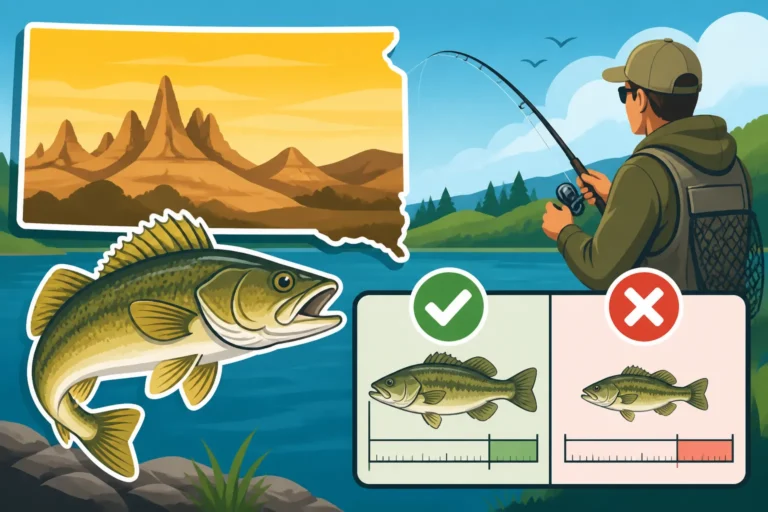
- Size Restrictions: Some fish, particularly walleye and trout, have minimum or maximum size limits (slot limits). Knowing these is critical. Catching a fish that's too small or too large to keep, but accidentally retaining it, can result in penalties.
- Special Water Regulations: Certain lakes, rivers, or even specific sections of water might have unique rules regarding bait, tackle, or seasons. The Black Hills trout streams, for example, often have special "artificial lures only" or "catch-and-release" sections, as detailed in the Black Hills Stream Trout Regulations. Always check the specific regulations for the body of water you intend to fish.
- Allowed Fishing Methods: Rules dictate the number of lines you can use, whether snagging is allowed, and other methods.
The absolute best way to stay informed is to consult the official South Dakota GFP Fishing Handbook Guide. This handbook is updated annually and is your authoritative source for all regulations. You can find digital versions online, and many vendors will have physical copies available. Before your trip, download it, read through the sections relevant to your target species and locations, and keep a copy handy. You can also find some great waterproof maps and regulation guides on Amazon that could be invaluable on the water.
Respect the Resource and Practice Conservation
As a nonresident angler, you're a guest in South Dakota's beautiful outdoors. It's our collective responsibility to ensure these pristine environments and abundant fisheries remain healthy for future generations.
- Practice Catch and Release Responsibly: If you plan to release fish, learn proper catch-and-release techniques to minimize stress and injury to the fish.
- Dispose of Waste Properly: Pack out everything you pack in. Never leave trash, fishing line, or bait containers on shore or in the water.
- Prevent the Spread of Invasive Species: Always clean, drain, and dry your boat and gear when moving between different bodies of water. This is critical to stopping the spread of aquatic invasive species like zebra mussels.
By understanding and adhering to these rules, you're not just avoiding fines; you're actively participating in the conservation efforts that make South Dakota one of the best fishing destinations in the country. Now, with your license in hand and knowledge of the regulations, you're truly ready to cast a line and enjoy all that South Dakota fishing has to offer!
Disclaimer
The information provided in this guide is for general informational purposes only and is subject to change. While we strive to provide accurate and up-to-date information, fishing regulations, license costs, and requirements can be updated by the South Dakota Department of Game, Fish and Parks at any time. It is always the angler's responsibility to consult the official South Dakota Game, Fish and Parks website or their latest Fishing Handbook for the most current and legally binding information before engaging in any fishing activities.