Number of Fishing Lines Allowed Per Angler in South Dakota
It's incredibly frustrating to head out for a peaceful day of fishing, only to worry if you're accidentally breaking a rule you didn't even know existed. Fishing regulations can feel like a maze, especially when it comes to something as seemingly simple as how many lines you can have in the water. Nobody wants to deal with a warden because of an honest mistake. This guide is designed to cut through that confusion, explaining exactly how many fishing lines an angler is allowed to use in South Dakota, covering the standard rules, crucial exceptions, and practical advice to ensure your next trip is both successful and legal.
The Core Rules for How Many Lines You Can Use in South Dakota
South Dakota, with its vast lakes and winding rivers, offers incredible angling opportunities, but the number of lines you can legally use isn't a one-size-fits-all answer. It largely depends on where you're casting your line and the season you're fishing. Getting this right is fundamental to enjoying your time on the water without a hitch.
Standard Open Water Limits
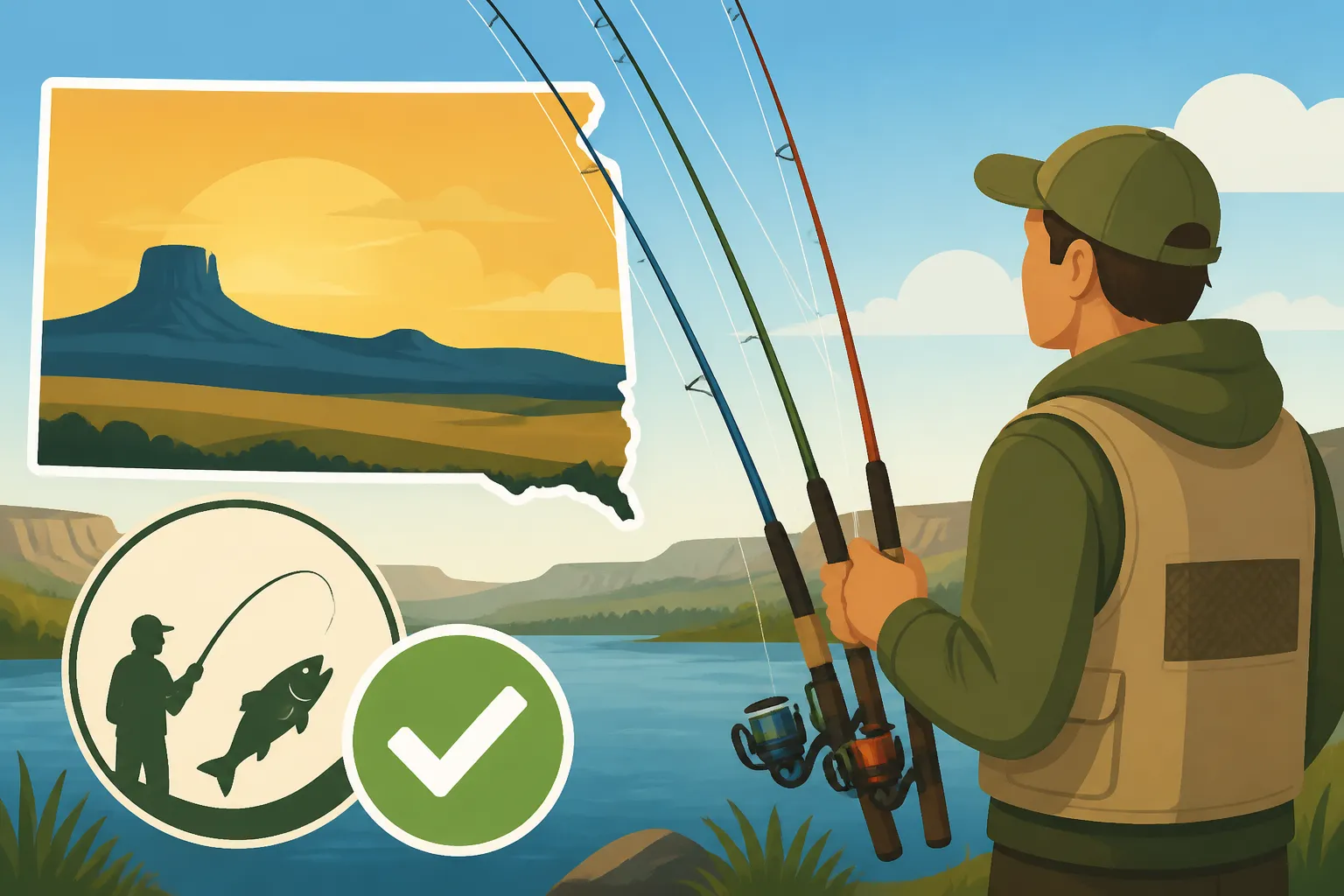
For most of the state's lakes, rivers, and streams, when you're fishing open water – meaning there's no ice covering the surface – the general rule is that you can use two lines per angler. This is the standard you should assume unless you know for certain you're in an area with different regulations. Think of it as a balance: it gives you more opportunity than just one line, but it's manageable enough for most anglers to keep track of their gear and respond to bites effectively. If you're out on a smaller lake in eastern South Dakota, like Lake Kampeska or Lake Poinsett, this two-line rule will apply. It's designed to promote fair angling and ensure that fish populations aren't overstressed by an excessive number of lines in the water at any given time.
Special Rules for the Missouri River System
Now, here's where things get a little different and it's a really important distinction for many anglers in the state. South Dakota's mighty Missouri River system, which includes its expansive impoundments like Lake Oahe, Lake Sharpe, Lake Francis Case, and Lewis and Clark Lake, operates under a more generous line limit. When you're fishing on these major waters, you're permitted to use up to three lines per angler. This extra line can make a significant difference, especially when you're trolling for walleye across vast expanses or trying different presentations to locate fish. Many anglers rely on this three-line setup to cover more water or target multiple depths simultaneously. It’s a huge advantage for those who frequent these iconic fisheries, allowing for more diverse tactics, such as running a bottom bouncer, a crankbait on a planer board, and a jig, all at once. Remember, this specific rule applies only to the main stem of the Missouri River and its four large impoundments. If you're venturing out on these waters, make sure you've got your three-rod setup ready to go! For more detailed information, you can always consult the official South Dakota Fishing Regulations Explained document.
Generous Limits for Ice Fishing
When the brutal South Dakota winter rolls in and transforms our lakes into solid sheets of ice, the fishing rules adapt to the unique conditions. For ice fishing, anglers are allowed to use up to four lines per angler. This increased limit makes a lot of sense when you consider the nature of ice fishing. You're often stationary, sitting over holes, and the fish bite can be much slower and more subtle. Having four lines allows you to experiment with different baits, depths, and presentations across multiple holes, dramatically increasing your chances of finding actively feeding fish. Imagine you're out on Lake Sharpe trying to locate crappie; with four lines, you can spread your offerings across a larger area, or dedicate lines to different species like perch or walleye that might be lurking nearby. For those new to hard water, checking out a South Dakota Ice Fishing Guide can be incredibly helpful for understanding the full scope of winter regulations and techniques. This flexibility is a huge boon to ice anglers, making those cold days much more rewarding.
| Fishing Type | Location | Maximum Lines Per Angler |
|---|---|---|
| Open Water | Most Lakes, Rivers, Streams | 2 |
| Open Water | Missouri River System (Oahe, Sharpe, Francis Case, Lewis & Clark) | 3 |
| Ice Fishing | All Waters | 4 |
Why These Regulations Matter and How to Stay Compliant
These regulations aren't arbitrary; they're carefully crafted by the South Dakota Game, Fish and Parks (GFP) to manage fish populations, ensure fair access for all anglers, and protect the state's valuable aquatic resources. Understanding the "why" can help you appreciate their importance and motivate you to stay compliant.
Balancing Opportunity with Conservation
The line limits are a direct result of balancing fishing opportunity with conservation efforts. Too many lines in the water can lead to overharvest, especially for popular species like walleye. By setting clear limits, the GFP aims to distribute the fishing pressure more evenly and protect fish stocks for future generations. For example, while the Missouri River system can handle more pressure due to its sheer size and robust fish populations, smaller, more sensitive lakes might quickly suffer from excessive gear. These rules are part of the broader South Dakota Fish Limits and Size Restrictions that are crucial for sustainable fishing. It's a testament to the state's commitment to ensuring that South Dakota remains a premier fishing destination.
Essential Gear for Managing Multiple Lines
If you're planning to take advantage of the two, three, or even four-line limits, having the right gear is key to making it enjoyable and efficient, not a tangled mess. For open water, investing in sturdy rod holders that can securely hold your rods while trolling or still fishing is a game-changer. You can find a wide variety of reliable rod holders on Amazon, designed for everything from pontoon boats to kayaks. When ice fishing, a good ice fishing shelter not only keeps you warm but also provides space to manage multiple lines without them freezing or getting tangled. Many shelters come with built-in rod holders or convenient accessory attachments that you can easily purchase on Amazon. Consider using different colored lines or labeling your rods to quickly identify which one is which, especially when the action heats up. Good organization prevents headaches and ensures you can react quickly to a bite. Looking for more ways to optimize your cold-weather setup? Our South Dakota Ice Fishing Gear Guide has some fantastic recommendations.
Knowing Your Waters and Current Regulations
The most critical step to staying compliant is to always consult the latest South Dakota Game, Fish and Parks (GFP) Fishing Handbook. Regulations can change from year to year, and what was legal last season might have been updated. This handbook is your definitive source for all rules, including specific lake-by-lake exceptions that might not be covered by the general rules, such as special South Dakota Walleye Limits on certain bodies of water. You can often find a digital copy on the GFP website, or pick up a physical copy at license vendors, bait shops, or GFP offices. Don't rely solely on word-of-mouth or old information. A quick check of the handbook before your trip can save you a lot of grief. Familiarize yourself with the South Dakota GFP Fishing Handbook Guide to navigate it effectively.
The Consequences of Overlooking Line Limits and What to Do
Ignoring or misunderstanding fishing regulations, including line limits, can lead to unpleasant and costly consequences. It's not just about getting a lecture from a warden; there can be significant legal and financial repercussions.
Penalties for Exceeding the Limit
Fishing with more lines than allowed is a violation of South Dakota fishing regulations. If you're caught, the penalties can range from a warning to a substantial fine. In some cases, repeated offenses or particularly egregious violations could even lead to the confiscation of your gear or the suspension of your fishing privileges. Enforcement officers take these rules seriously because they are fundamental to managing the state's fisheries responsibly. It’s always better to err on the side of caution. Imagine the frustration of having your exciting day of South Dakota Missouri River Fishing Techniques cut short by a citation. To understand the broader implications of non-compliance, you might want to read up on South Dakota Fishing Without a License Penalties, as the seriousness of various offenses can sometimes be related.
When to Double-Check Before You Cast
There are certain situations where you should be extra diligent in checking the current line limits:
- Fishing on Border Waters: If you're fishing a body of water that borders another state (like the Missouri River on the Nebraska border or Big Stone Lake on the Minnesota border), reciprocal agreements or specific rules might apply, and they might differ from inland South Dakota regulations. Always verify.
- New Lakes or Rivers: When fishing a body of water for the first time, assume the standard two-line open water rule, but always confirm with the GFP handbook.
- Special Events or Tournaments: Organized fishing tournaments sometimes have their own specific rules regarding lines, catch limits, and eligible species. Always read the tournament rules carefully, as they can supersede general state regulations.
- Purchasing a License: When you get your South Dakota Fishing License Guide or renew it, it's a perfect time to grab the latest regulations handbook. Whether you're considering South Dakota Resident Fishing License Options or a short-term nonresident option, the license vendor should have the current guide available.
- Ice Fishing vs. Open Water: Clearly distinguish between the season. What's allowed during ice fishing is different from open water. Our guide on Best Ice Fishing Techniques for Lake Oahe emphasizes safe and legal practices, including line management.
Staying informed is your best defense against accidental violations. A few minutes of preparation can ensure a stress-free and enjoyable fishing experience, allowing you to focus on the thrill of the catch rather than the fear of a fine. Always remember to carry your valid South Dakota Fishing License Guide with you, along with the current regulations, so you can easily reference them if any questions arise.
Disclaimer
The information provided in this guide is for general informational purposes only and does not constitute legal advice. Fishing regulations are subject to change, and specific rules may vary by location and season. Always consult the official South Dakota Game, Fish and Parks (GFP) regulations handbook or website for the most current and accurate information before engaging in any fishing activities. Compliance with all applicable laws and regulations is the sole responsibility of the angler.