South Dakota Trout Daily Limit on Black Hills Streams
Trying to figure out the exact trout daily limit while you're standing on the banks of a beautiful Black Hills stream, rod in hand, can be incredibly confusing. With so many different sections of water, special regulations, and general rules to keep straight, it's easy to second-guess yourself and worry about staying compliant. This comprehensive guide is here to clear up all that uncertainty, detailing the current daily and possession limits for trout in the Black Hills of South Dakota, along with all the nuances you need to know to fish legally and responsibly.
Understanding South Dakota's Trout Management in the Black Hills
The Black Hills of South Dakota are a true gem for trout anglers, offering pristine streams and picturesque settings. However, to maintain these healthy fish populations and ensure sustainable fishing for generations to come, the South Dakota Game, Fish and Parks (GFP) implements a variety of specific regulations. These rules are designed to protect fragile ecosystems, manage population sizes, and enhance the overall angling experience. It's not just about catching fish; it's about preserving a precious natural resource.
Why Regulations Vary: Protecting Our Precious Trout
You might wonder why the rules change from one creek to another, or even within different sections of the same stream. The answer lies in the unique characteristics of each waterbody and the specific goals of the fishery managers. Some streams, like those fed by cold, clear springs, might have naturally reproducing populations of wild trout – think gorgeous brown trout or elusive brook trout. These areas often have more restrictive rules, sometimes even catch-and-release only, to protect those wild fish from overharvesting. Other streams might rely more heavily on stocking programs to provide angling opportunities, and these could have more generous limits.
Consider a scenario where a stream is particularly accessible or receives heavy fishing pressure. Without tailored regulations, these areas could quickly see their fish populations dwindle. By implementing measures like artificial lure-only rules, or specific slot limits, the GFP can help ensure that enough fish survive to spawn or grow to a larger size, contributing to a healthier overall fishery. It’s a delicate balance of providing recreational opportunities while safeguarding the future of the fish.
General Daily and Possession Limits
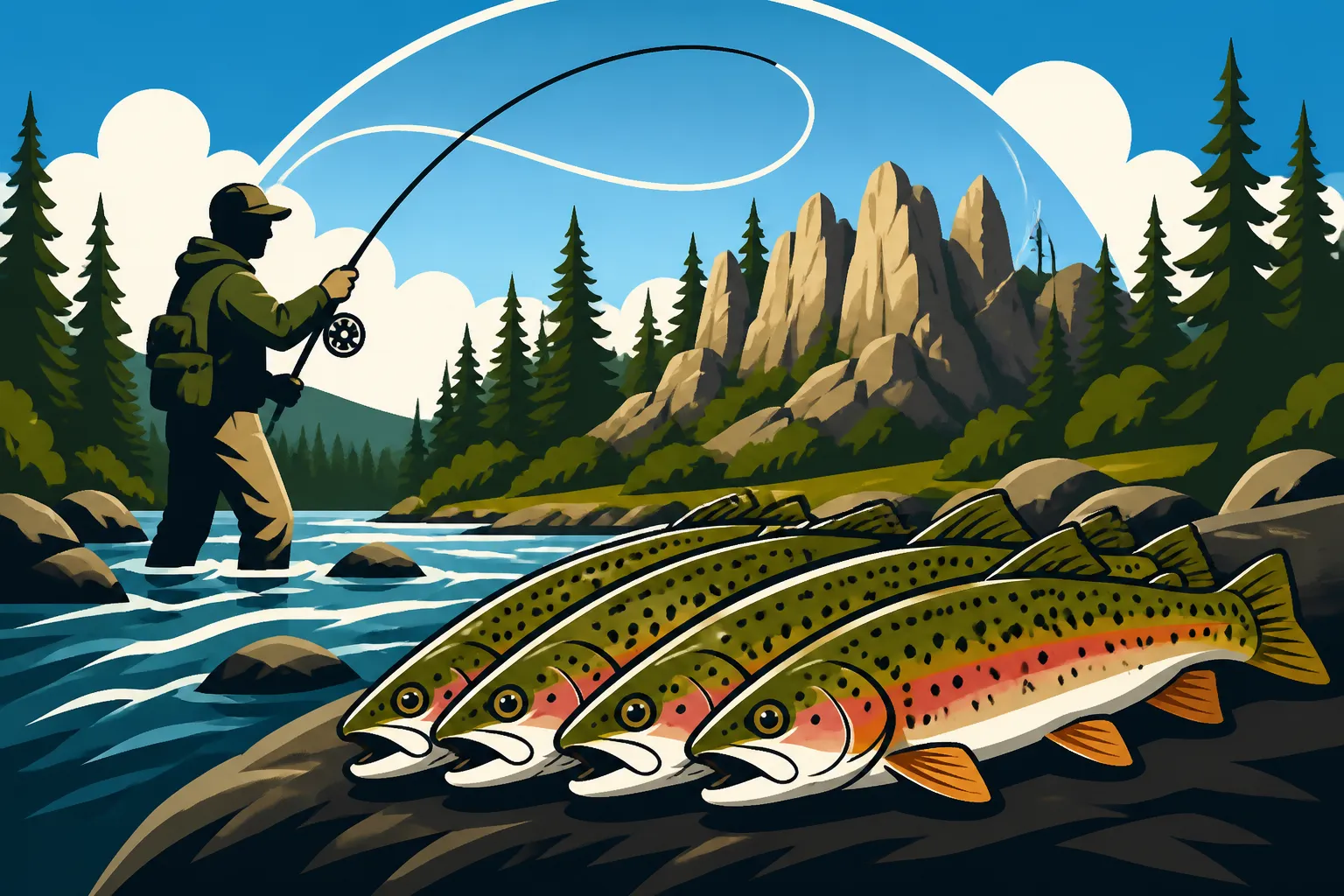
Before diving into the specifics, it's crucial to understand the baseline. For most waters in the Black Hills, the general daily limit for trout is 5 fish. This means you can keep up to five trout (any combination of species like rainbow, brown, or brook trout) per day.
The possession limit for trout in the Black Hills is 10 fish. The possession limit refers to the total number of fish you can have in your possession at any given time, including those at your campsite, in your vehicle, or at home from previous days' fishing trips. For example, if you catch and keep 5 trout on Monday, and then go out again on Tuesday, you can only keep another 5 trout if you've already consumed or given away the fish from Monday. This ensures that anglers don't accumulate excessive amounts of fish over multiple outings. Always remember, exceeding the daily limit is a serious offense, and exceeding the possession limit can also lead to fines and penalties. It’s important to keep track of your catch, especially on multi-day trips. You can find more details in the official South Dakota Fish Limits and Size Restrictions.
Specific Stream and Waterbody Regulations
While the general rule of five trout per day applies to many Black Hills waters, it's absolutely vital to know that numerous streams, lakes, and even sections of rivers have their own unique regulations. Ignoring these specific rules can lead to citations, so always consult the current South Dakota Fishing Handbook or the GFP website before heading out. These special rules are often posted at popular access points, but it’s best practice to be informed beforehand.
Catch-and-Release Only Waters
Some of the most pristine and popular trout fishing locations in the Black Hills operate under strict catch-and-release rules. The most prominent example is the tailwater section of Rapid Creek below Pactola Dam. This area is renowned for its large, wild brown and rainbow trout, and to preserve this exceptional fishery, all trout caught must be immediately released unharmed. This means no keeping any fish, regardless of size or species.
Another significant catch-and-release area is Spearfish Creek within the city limits of Spearfish, from the mouth of City Creek downstream to the 2nd Street bridge. These special regulations protect the urban trout fishery and provide a unique opportunity for anglers to target large trout in a more accessible setting, knowing the fish will be there for others to enjoy. Anglers hoping to try their hand at fly fishing in these areas will want to ensure they have the right gear. Check out our guide on South Dakota Fly Fishing for Black Hills Trout for tips on what works best. These designated areas offer world-class angling, but only if everyone adheres to the rules.
Artificial Lures Only Sections
Beyond catch-and-release, some waters restrict anglers to using only artificial lures. This regulation is often paired with catch-and-release rules but can also stand alone in areas where managers want to minimize incidental harm to fish or prevent the spread of disease that can sometimes occur with live bait. For instance, the section of Rapid Creek from Canyon Lake in Rapid City upstream to the Pactola Dam spillway is designated as artificial lures only.
Using artificial lures typically means no live bait, no dead bait, and no organic attractants. This includes everything from worms and minnows to PowerBait or corn. The idea is to make fishing a bit more challenging and selective, often resulting in less deep hooking and higher survival rates for released fish. Common artificial lures include spinners, spoons, flies, and various soft plastic imitations. It's always best to double-check the definition of "artificial lures" in the official regulations to ensure compliance, as it can sometimes exclude scented plastics or other items you might mistakenly consider "artificial." When stocking up, you can find a wide variety of these specialized lures on Amazon.
Special Size Restrictions
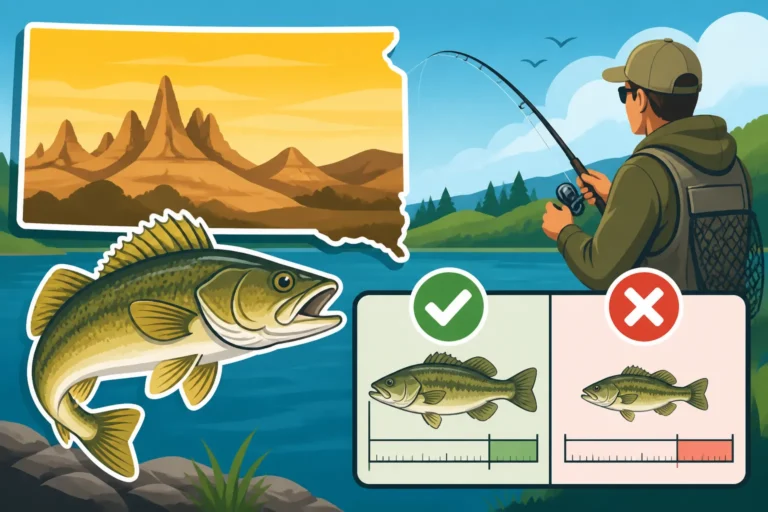
In addition to daily and possession limits, some Black Hills waters implement special size restrictions, often called "slot limits" or "minimum/maximum length limits." These are designed to protect certain age classes of fish, typically larger breeding-size fish, or to encourage the harvest of smaller, more abundant fish.
For example, some waters might have a "no harvest" slot, meaning you can only keep fish outside a certain length range. You might also encounter a rule stating only one fish over a certain length (e.g., 14 inches) can be kept as part of your daily limit, while the remaining fish must be smaller. These rules are very specific and apply to particular streams or lakes. For instance, while not a trout example, the Belle Fourche Reservoir has special walleye rules, which illustrates how specific regulations can get. Always scrutinize the Black Hills Stream Trout Regulations for the body of water you intend to fish. These regulations are meticulously crafted, and understanding them is key to a successful and legal fishing trip.
Navigating the Regulations: Essential Tips for Anglers
Staying on top of South Dakota's fishing regulations, especially for trout in the Black Hills, might seem like a daunting task. However, with a few proactive steps and a commitment to responsible angling, you can ensure your fishing trips are enjoyable and fully compliant. It’s better to be overly prepared than to face potential legal issues.
Always Check the Latest Proclamation
This cannot be stressed enough: always check the latest South Dakota Game, Fish and Parks Fishing Handbook or their official website before you go fishing. Regulations can and do change year to year, sometimes even mid-season if emergency measures are needed. What was legal last year might not be this year. The printed handbook, often available at license vendors or GFP offices, is usually updated annually, but the online version is always the most current resource.
Imagine planning a trip to a favorite spot you haven't visited in a few years, only to discover upon arrival that it's now catch-and-release only. A quick check of the GFP website or a download of their mobile app could have saved you disappointment and potential trouble. This is also where you'd find information about acquiring your South Dakota Fishing License Guide, which is a prerequisite for most anglers. Being informed is your first line of defense against accidental violations.
Gear Up Responsibly
Your fishing gear should align with the regulations of the waters you plan to fish. If you’re heading to an artificial lures-only section, leave the bait bucket at home! Make sure your tackle box is stocked with appropriate spinners, spoons, and flies. For catch-and-release waters, having the right tools for a quick and clean release is crucial. A good pair of hemostats or long-nosed pliers to remove hooks gently, and a knotless net (rubberized nets are best) to minimize harm to the fish's protective slime coat, are essential.
If you’re fly fishing, ensure your flies meet any specific restrictions, such as barbless hooks only, which are often required in catch-and-release sections. You can easily find these specialized hooks and other appropriate gear on Amazon, ensuring you're ready for any regulation. Having the correct gear not only helps you abide by the rules but also ensures the best chance of survival for any fish you intend to release.
Ethical Angling Practices
Beyond just legal compliance, ethical angling practices are paramount when fishing for trout, particularly in sensitive Black Hills ecosystems. For released fish, minimize handling time, keep the fish in the water as much as possible, and avoid touching its gills or eyes. If taking a photo, do so quickly and with the fish supported horizontally.
Also, be mindful of "high-grading," which is the practice of catching multiple fish, keeping the largest ones, and then releasing smaller, legal-sized fish to make room for even bigger ones later in the day. This practice is often frowned upon or even illegal, as it can cause unnecessary stress and mortality to released fish. The spirit of the daily limit is to take a set number of fish, not to continually upgrade your catch. For more on this, look into What High-Grading Means for Trout Anglers. Be a steward of the environment, and always leave no trace.
Common Misconceptions and Clarifications
Even seasoned anglers can sometimes get caught up in common misunderstandings about fishing regulations. Let's clear up a couple of big ones specific to trout fishing in the Black Hills. Getting these wrong could put a damper on your fishing trip.
Do You Need a Separate License for Trout?
A frequently asked question is whether a special or separate license is required to fish for trout in the Black Hills. The straightforward answer for South Dakota is no, you do not need a specific "trout license." Your standard South Dakota fishing license, whether it's an annual resident or nonresident license, a one-day, or a three-day option, covers all legal fish species, including trout, throughout the state's public waters.
However, you do need to make sure you have the required South Dakota Habitat Stamp Requirements if you are a resident over the age of 18 and purchasing an annual license, or if you're a nonresident and purchase an annual fishing or hunting license. This stamp supports vital habitat conservation efforts across the state. The critical point is that while there isn't a trout-specific license, you must ensure your general fishing license and any necessary stamps are current and valid. You can find out more about age requirements in our South Dakota Fishing License Age Requirements guide.
What "Daily Limit" and "Possession Limit" Really Mean
These two terms are fundamental to understanding any fishing regulation, and they are often confused. Let's break them down clearly:
Daily Limit: This refers to the maximum number of fish of a particular species (or aggregate of species) you are allowed to harvest and keep in a single calendar day, from midnight to midnight. Once you hit your daily limit, you must stop fishing for that species for the rest of the day, even if you continue fishing for other species with different limits. For instance, if the daily trout limit is 5, and you catch and keep 5 trout by noon, you cannot keep any more trout that day.
Possession Limit: This refers to the maximum number of fish of a particular species (or aggregate of species) you are allowed to have in your immediate control or constructive possession at any time. This includes fish in your livewell, cooler, vehicle, at your home, or any other storage. The possession limit is often higher than the daily limit to allow for multi-day trips. For Black Hills trout, the general daily limit is 5, and the possession limit is 10. So, if you catch 5 trout on Monday and keep them, you can catch and keep another 5 on Tuesday, bringing your total possession to 10. However, if you keep 5 on Monday, and 5 on Tuesday, you cannot keep any more on Wednesday until some of the previous catch has been consumed, gifted, or processed and stored in a way that falls outside the immediate "possession" definition. Always defer to the South Dakota GFP Fishing Handbook Guide for the most precise legal definitions.
Here's a quick reference table for Black Hills Trout Regulations:
| Regulation Type | General Black Hills Streams | Rapid Creek Below Pactola Dam Tailwaters | Spearfish Creek (City Limits) | Rapid Creek (Canyon Lake upstream to Pactola Spillway) |
|---|---|---|---|---|
| Daily Limit | 5 Trout (aggregate) | Catch-and-Release Only | Catch-and-Release Only | 5 Trout (aggregate) |
| Possession Limit | 10 Trout (aggregate) | N/A (Catch-and-Release) | N/A (Catch-and-Release) | 10 Trout (aggregate) |
| Lure Restriction | Any legal bait/lure | Artificial Lures Only (Barbless Hooks) | Artificial Lures Only | Artificial Lures Only |
| Special Size Limits | Check current regs | N/A | N/A | Check current regs |
| Notes | Varies by specific water | World-class wild trout fishery | Accessible urban fishing | Excellent brown and rainbow trout habitat |
Always refer to the official South Dakota Game, Fish and Parks regulations for the most up-to-date and specific rules for the exact body of water you plan to fish.
Disclaimer
Please note that fishing regulations are subject to change. While every effort has been made to provide accurate and current information, it is the angler's responsibility to verify all regulations with the official South Dakota Game, Fish and Parks department prior to fishing. This guide is for informational purposes only and should not be considered legal advice.