Can Nonresidents Buy an Annual South Dakota Fishing License?
Planning a fishing trip to South Dakota can be incredibly exciting, but navigating the state's licensing requirements, especially as an out-of-state angler, often leaves people scratching their heads. Many visitors wonder if they're limited to short-term permits or if they can commit to a full year of fantastic fishing. This guide will cut through the confusion and clearly explain whether nonresidents can indeed purchase an annual South Dakota fishing license and why it might be the perfect choice for your angling adventures.
Yes, Nonresidents Can Absolutely Get an Annual Fishing License in South Dakota
Let's clear up the biggest question right off the bat: absolutely, as a nonresident, you can purchase an annual South Dakota fishing license! This is fantastic news for anyone who loves the idea of returning to our incredible lakes and rivers multiple times throughout the year without the hassle of buying a new short-term license for each visit. It's a common misconception that annual licenses are solely for residents, but South Dakota welcomes all anglers who want to explore its diverse fisheries year-round.
Understanding Your Nonresident Annual Options
An annual nonresident fishing license in South Dakota is valid from January 1st through December 31st of the calendar year it's purchased, regardless of when you buy it. This means if you buy it in July, it still expires on December 31st. For many out-of-state anglers, this license offers unmatched convenience and value. Imagine the freedom of simply deciding to head to Lake Sharpe for a weekend walleye run without worrying about stopping at a local vendor or going online for another short-term permit.
Contrast this with the alternative options, such as the South Dakota One-Day Fishing License or the popular South Dakota Three-Day Fishing License. While these are perfect for a spontaneous single trip or a long weekend, their cumulative cost can quickly surpass that of an annual license if you plan on making multiple journeys to our beautiful state. If your travel plans involve more than a couple of short fishing excursions within a calendar year, that annual license starts looking like a really smart investment. For instance, a family from Omaha that loves to visit the Missouri River reservoirs in both spring and fall would find the annual option far more practical and economical than buying multiple short-term licenses.
The Cost: Investing in a Year of South Dakota Angling
Now, let's talk numbers because, let's be realistic, cost is always a factor when planning any trip. The nonresident annual fishing license has a higher upfront cost than its shorter-term counterparts, but the value it provides over multiple trips is undeniable. As of early 2024, a South Dakota nonresident annual fishing license typically costs around $70-$75. This price, however, usually doesn't include the required South Dakota Habitat Stamp. Nonresidents will also need to purchase a nonresident habitat stamp, which adds another $25 or so to the total. So, you're looking at an investment of roughly $95-$100 for a full year of fishing access.
To put this into perspective, let's look at the other nonresident options. A one-day license generally costs around $16, and a three-day license is usually in the range of $35. These prices also require the habitat stamp if you're 18 or older, pushing the one-day to about $41 and the three-day to $60.
Here's a quick comparison to help you visualize the cost breakdown:
| License Type | Estimated Cost (License Only) | Estimated Habitat Stamp Cost | Total Estimated Cost | Notes |
|---|---|---|---|---|
| Nonresident Annual | $70 – $75 | $25 | $95 – $100 | Valid Jan 1 – Dec 31 |
| Nonresident 3-Day | $35 | $25 | $60 | Valid for 3 consecutive days |
| Nonresident 1-Day | $16 | $25 | $41 | Valid for 1 day |
(Note: Prices are estimates as of early 2024 and can change. Always check the official South Dakota Game, Fish and Parks website for the most current pricing.)
When you consider that two three-day licenses (which would cover two long weekends) would already cost you around $120 ($60 x 2), the annual license quickly becomes the more economical choice if you're planning more than a single extended trip or a few shorter ones within the same calendar year. It’s an investment that pays off in convenience and potentially in savings, especially if you get the urge to spontaneously visit those fantastic walleye lakes or try your hand at Chinook Salmon on Lake Oahe.
Why an Annual License Might Be Your Best Bet
For the truly dedicated angler who lives outside South Dakota but dreams of its waters, an annual license isn't just a convenience; it's a gateway to maximizing your fishing experiences. No more scrambling for licenses at the last minute or feeling pressured to cram all your fishing into a single weekend.
Maximizing Your Angling Opportunities
One of the greatest benefits of holding an annual nonresident license is the sheer flexibility it offers. Life happens, and sometimes a planned fishing trip falls through, or an unexpected window of opportunity opens up. With an annual license, you're always ready to go. You can decide on a whim to drive up to a new spot you've heard about, like the renowned Belle Fourche Reservoir, or revisit an old favorite on the Missouri River. This kind of flexibility truly enriches your experience, allowing you to chase different species through various seasons without any licensing headaches.
Imagine this scenario: you take a quick trip in May to chase pre-spawn walleye on Lake Francis Case, then decide a few months later that you absolutely have to experience the fall bite on Lake Oahe. If you had to buy a new three-day license for each trip, not only would it add up financially, but it's another thing to remember amidst packing and planning. The annual license covers you for all these scenarios, from that quick weekend getaway to a longer summer vacation. It truly lets you focus on the fishing, not the paperwork. And speaking of getting organized, you might even find handy license holders or waterproof pouches on Amazon to keep your new annual license safe and sound while on the water.
This comprehensive coverage means you're good to fish virtually all public waters across the state for the entire year. To learn more about what specific waters your license covers, you can explore resources like Does a South Dakota Fishing License Cover All Public Waters?. This allows you to explore the diverse fisheries South Dakota has to offer, from the trout streams of the Black Hills to the vast glacial lakes.
Beyond Just Fishing: The Economic Considerations
Beyond the sheer convenience, the annual nonresident fishing license often makes sound financial sense for frequent visitors. As we discussed earlier, if your plans include more than two weekend-long trips (which would typically require two 3-day licenses plus habitat stamps), the annual license quickly becomes the more cost-effective option. Think about it: that extra money saved from not buying multiple short-term licenses can be put towards better bait, a new lure you've been eyeing, or even a delicious meal at a local eatery after a successful day on the water.
Furthermore, investing in an annual license is a tangible way to support South Dakota's vital conservation efforts. The funds generated from license sales, including those from nonresidents, directly contribute to fish stocking programs, habitat restoration, scientific research, and maintaining public access points. So, every time you purchase that annual license, you're not just buying the right to fish; you're contributing to the health and future of the very fisheries you love to visit. It’s a win-win: you get unlimited access for a calendar year, and South Dakota's natural resources get the support they need to thrive. Consider buying a good fishing journal, easily found on Amazon, to track your catches and memories from your many trips throughout the year and see how much value you get from that single annual purchase.
How to Secure Your South Dakota Nonresident Annual Fishing License
Getting your hands on an annual nonresident fishing license in South Dakota is a straightforward process, designed to be as convenient as possible so you can spend less time on logistics and more time dreaming about your next big catch.
Purchasing Online, In Person, or by Mail
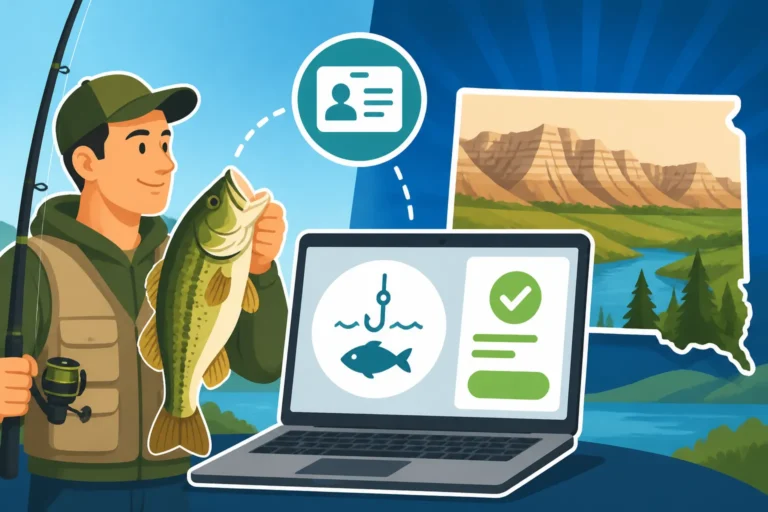
The easiest and often most preferred method for many anglers, especially nonresidents, is to purchase their license online directly through the South Dakota Game, Fish and Parks (GFP) website. The online portal is user-friendly and allows you to complete your transaction from the comfort of your home, anytime, anywhere. You’ll need some basic personal information, including your full name, date of birth, and driver’s license number. Once purchased, you can often print a temporary license immediately, or have a permanent one mailed to you. For a step-by-step guide, check out How to Buy a South Dakota Fishing License Online.
If you prefer a more traditional approach, or if you find yourself already in South Dakota and decide an annual license is for you, there are plenty of in-person options. You can visit any authorized license vendor across the state. These typically include local bait and tackle shops, sporting goods stores (like some larger retailers, though always call ahead to confirm), and even many county treasurer offices. These vendors are equipped to issue licenses on the spot, and the staff can often answer any immediate questions you might have about South Dakota fishing regulations or local hotspots. To find a location near your destination, refer to resources like Where to Buy a South Dakota Fishing License in Person.
While online and in-person purchases are the most common, some may also find options for mail-in applications, though these are less common for instant access and often involve longer processing times. It's always best to check the official GFP website for the most up-to-date methods. Before you head out, make sure you've got all your gear in order. Often, I’ll check sites like Amazon for those last-minute essentials, from extra hooks to a waterproof tackle box.
Essential Requirements and What to Remember
When purchasing your nonresident annual fishing license, whether online or in person, you'll need a valid form of identification, typically a driver's license or state ID. Make sure all your personal information is accurate to avoid any issues down the line.
One of the most crucial requirements for almost all adult anglers in South Dakota, including nonresidents, is the Habitat Stamp. This stamp is vital for funding habitat restoration and land acquisition projects that directly benefit wildlife and fish populations throughout the state. If you're 18 years of age or older, you will need to purchase a Habitat Stamp in addition to your fishing license. There are specific guidelines for the South Dakota Habitat Stamp Price for Nonresidents, so make sure to include this in your budgeting.
After purchasing your license online, it’s imperative to print a copy or save a digital version on your phone. You must have proof of your license while fishing. While a physical copy is often preferred, most wardens will accept a clear digital image on your device. Having a backup is always a good idea, as losing service or dropping your phone in the water can happen. For instructions on how to ensure you have a physical copy, read How to Print a South Dakota Fishing License. Always keep your license accessible, but protected, while you're out on the water.
Navigating Common Nonresident Questions
Even with an annual license in hand, nonresidents often have additional questions about specific rules or exemptions. It's wise to be informed to ensure a smooth and enjoyable fishing experience in South Dakota.
Age, Exemptions, and Specific Regulations
A common query revolves around age requirements for fishing licenses. For nonresidents, if you are under 18 years of age, you generally do not need a fishing license to fish in South Dakota. This is a fantastic opportunity for families, allowing younger anglers to participate freely. However, it's always a good idea to double-check the latest regulations, which can be found in more detail in resources like Do Kids Need a Fishing License in South Dakota?.
As a nonresident, specific exemptions are rare compared to resident options, which might include special provisions for disabled veterans or seniors. Most nonresident anglers will need to purchase the appropriate license and habitat stamp. It’s important to understand that your nonresident status means you're subject to a different set of fees and sometimes slightly different rules than a resident. To fully understand these distinctions, a comprehensive read of the South Dakota Nonresident Fishing License Rules is highly recommended.
Beyond the license itself, all anglers, regardless of residency, must adhere to South Dakota’s general fishing regulations. This includes daily limits, size restrictions, specific gear rules, and season dates for various species. These rules are put in place to ensure sustainable fishing for everyone. You can delve deeper into these broader rules by exploring South Dakota Fishing Regulations Explained.
What the Annual License Doesn't Cover
While your South Dakota nonresident annual fishing license opens up a world of angling opportunities, there are a couple of key exceptions to be aware of. First and foremost, fishing on tribal lands in South Dakota often requires a separate tribal fishing permit. These permits are issued by the individual tribal nations, such as the Cheyenne River Sioux Tribe or the Standing Rock Sioux Tribe, and are distinct from state-issued licenses. If you plan to fish on any reservation waters, always inquire about and secure the necessary tribal permits beforehand. More information can be found at South Dakota Tribal Land Fishing Permits.
Secondly, a South Dakota fishing license is only valid within the boundaries of South Dakota. There is no automatic reciprocity with neighboring states like North Dakota or Nebraska. This means if you decide to fish a body of water that crosses state lines, or venture into an adjacent state, you will need to acquire the appropriate license for that state. For example, the Missouri River flows through several states, but your South Dakota license will only cover the portions within South Dakota. If you're curious about cross-state validity, take a look at Is a South Dakota Fishing License Valid in North Dakota?. Always confirm the specific boundaries and requirements for any inter-state waters you plan to fish.
Disclaimer
Please note that fishing regulations, license costs, and requirements are subject to change. While every effort has been made to provide accurate and up-to-date information, it is always the angler's responsibility to consult the official South Dakota Game, Fish and Parks (GFP) website or contact GFP directly for the most current rules and regulations before fishing. This guide is for informational purposes only and should not be considered legal advice.