South Dakota Fish Limits and Size Restrictions
There's nothing quite as frustrating as reeling in a beautiful fish, only to stare at it, rod still in hand, wondering if it's even legal to keep. The rules and regulations around fish limits and size restrictions can feel like a labyrinth, changing from one lake to the next, or even one species to another. It's enough to make any angler, new or seasoned, second-guess themselves. But don't worry, you’re not alone in feeling that confusion, and this comprehensive guide is here to untangle all the South Dakota fish limits and size restrictions, ensuring your next catch is both thrilling and compliant.
Understanding the "Why": Why Regulations Exist
Before we dive into the nitty-gritty of specific numbers and lengths, it’s really helpful to understand why these rules are in place. It’s not just about making things complicated for anglers; it’s about protecting our incredible natural resources and ensuring that future generations can enjoy the same fantastic fishing experiences we do today. Think of these regulations as a partnership between anglers and the environment.
Conservation and Sustainability
The primary reason for daily limits, possession limits, and size restrictions is the long-term health of our fish populations. Without these rules, it would be far too easy for anglers to overharvest, leading to a decline in fish numbers. This isn't just about having fewer fish to catch; it impacts the entire ecosystem. When a species declines, its predators and prey can also suffer, creating a ripple effect throughout the aquatic environment.
Consider a popular species like walleye. If everyone kept every walleye they caught, regardless of size, we'd quickly deplete the breeding stock. Smaller fish wouldn't have a chance to grow and reproduce, and larger, mature fish would become scarce. This is where slot limits come in, protecting a crucial size range of fish to ensure they can contribute to future spawns. These efforts mean that our children and grandchildren will still have vibrant fisheries to enjoy. The South Dakota Game, Fish and Parks (GFP) works tirelessly through studies and surveys to determine the optimal limits that balance angler opportunity with ecological health.
Ensuring Quality Fishing Experiences
Beyond pure conservation, regulations also play a significant role in maintaining the quality of fishing in South Dakota. Nobody wants to go to a lake and only catch tiny fish, or struggle to find anything at all. Size limits, particularly minimum length requirements, allow fish to grow to a more desirable size, both for sport and for the dinner table. Imagine catching a plump 18-inch walleye versus a scrawny 10-inch one – the experience is completely different!
By setting these guidelines, the GFP aims to create fisheries that consistently produce good-sized fish. It also helps spread out the harvest pressure among anglers. If everyone is limited to a certain number of fish per day, it prevents a few individuals from depleting a spot and leaves more fish for others. This contributes to a more equitable and enjoyable experience for everyone out on the water, whether you're chasing the next trophy or just looking to fill a cooler for a family fish fry.
General Statewide Fishing Limits and Definitions
Before we dive into the specific species, let's nail down some of the universal terms and rules you'll encounter when reading the South Dakota fishing regulations. Understanding these basics will make interpreting the more detailed rules much easier.
Daily and Possession Limits Explained
You'll hear these terms thrown around a lot, and while they might sound similar, they mean two distinct things. Getting them confused can lead to a violation, so let's clarify.
-
Daily Limit: This is the maximum number of fish of a particular species you can keep in a single day, from midnight to midnight. So, if the walleye daily limit is 4, you can't keep 5 walleye in one 24-hour period, even if you release your earlier catches and start fishing a new lake later. This rule is designed to manage the immediate harvest pressure on a given day. It's about how many you harvest in that day, not how many you catch. If you catch more, you must release them immediately and unharmed.
-
Possession Limit: This refers to the total number of fish of a particular species you are allowed to have in your possession at any time, whether they are fresh, frozen, cooked, or stored. In South Dakota, the possession limit for most species is typically twice the daily limit. This means if you have been fishing for multiple days, you can accumulate fish up to this possession limit. For example, if the walleye daily limit is 4, and the possession limit is 8, you could fish on Monday, keep 4 walleye, and then fish on Tuesday, keep another 4 walleye, bringing your total to 8 in your cooler or freezer. However, once you hit that 8-fish possession limit, you cannot keep any more walleye until some of those fish have been eaten or given away, reducing your total possession below the limit. This rule prevents anglers from stockpiling large quantities of fish over extended trips, ensuring a fair distribution of the resource.
Understanding Length Limits Minimum vs Slot
Length limits add another layer to the regulations, but they are incredibly important for managing the age structure of fish populations. You'll primarily encounter two types: minimum length limits and slot limits.
-
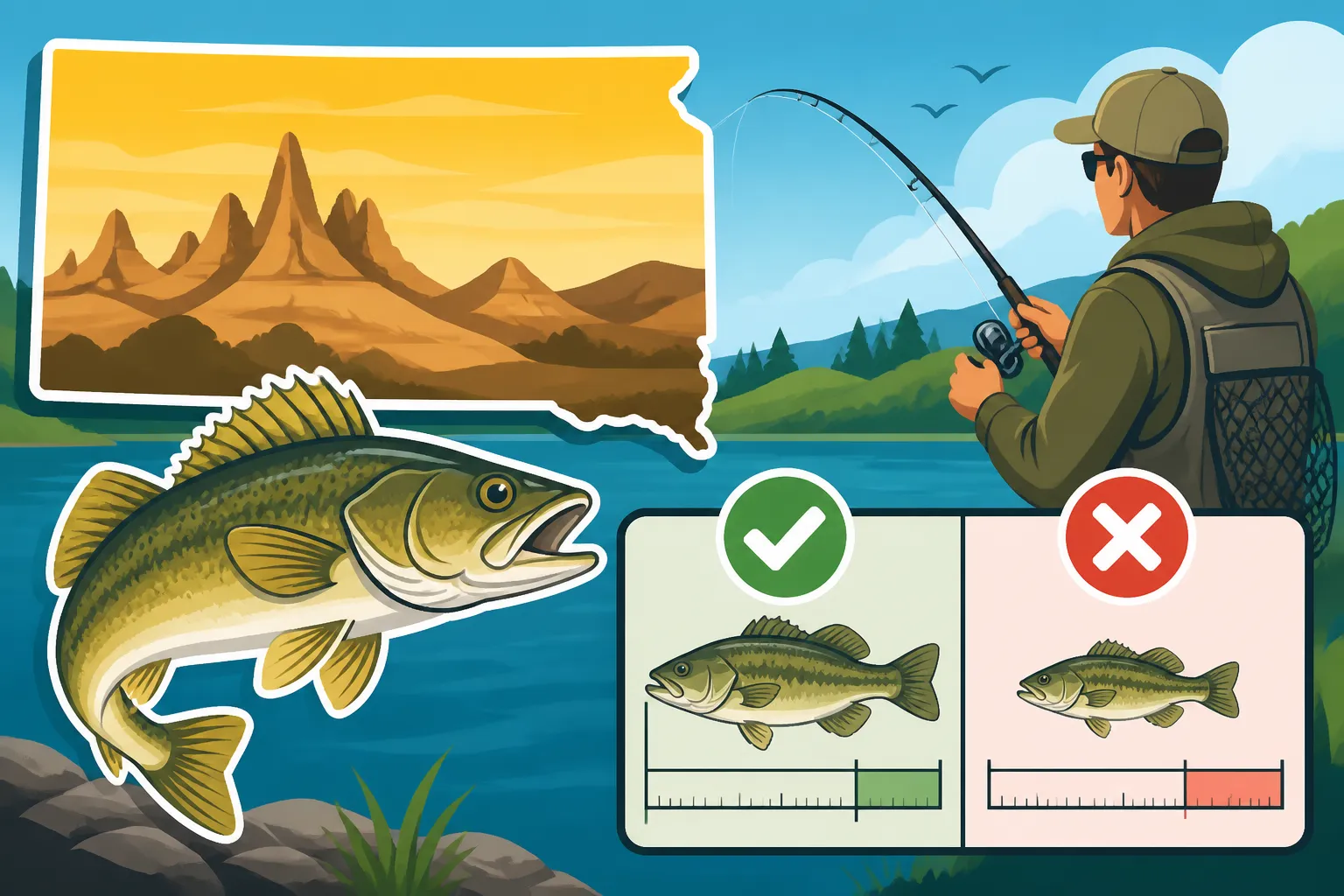
Minimum Length Limits: This is perhaps the most straightforward. A minimum length limit means that any fish of that species must be at least a certain length to be legally kept. For instance, if there's a 15-inch minimum length limit for bass, any bass you catch that measures less than 15 inches must be immediately released. This protects younger, smaller fish, giving them a chance to grow larger and mature enough to spawn before they are harvested. This is a common regulation to promote trophy fisheries or simply ensure anglers are catching and keeping fish of a desirable size.
-
Slot Limits: These are a bit more nuanced but incredibly effective for managing fish populations. A slot limit defines a range of lengths within which fish cannot be kept. Fish both below the slot and above the slot can be kept, but those within the specified slot must be released. For example, a common walleye slot limit might be "no more than 1 fish over 20 inches, and no fish between 15-19 inches." This means you can keep walleye under 15 inches, and one walleye over 20 inches, but anything from 15 to 19 inches must go back. Slot limits are powerful conservation tools because they protect the prime spawning-size fish, ensuring they remain in the population to reproduce. They also allow for the harvest of smaller, younger fish (which can help reduce competition for food) and occasionally a larger "trophy" fish, while safeguarding the backbone of the breeding stock. This can sometimes be frustrating if you catch a beautiful fish that falls right into the slot, but remember, you're contributing to healthier fisheries for the future.
Basic Rules for All Waters
While specific limits vary, some fundamental rules apply across virtually all public waters in South Dakota. Always carry your valid South Dakota Fishing License Guide, and make sure you're familiar with the general expectations.
First and foremost, you must have a valid South Dakota fishing license for anyone aged 16 and older, unless you meet specific South Dakota Fishing License Exemptions. Your license needs to be readily available for inspection by a conservation officer. Secondly, all fish must be measured from the tip of the snout to the end of the tail with the tail compressed, unless otherwise specified. It's crucial to have a reliable measuring device on hand; you can find excellent bump boards and tape measures on Amazon that make quick, accurate measurements a breeze.
Additionally, regulations generally require that any fish with a size limit that you intend to keep must have its head and tail intact until you reach your permanent residence or a commercial processing facility. This allows conservation officers to verify the length of the fish if necessary. Once you're home, feel free to clean and fillet to your heart's content! It’s also wise to check for any special gear restrictions, such as limits on the number of lines you can use or prohibitions on certain bait types in specific areas. Always consult the current South Dakota Fishing Handbook or the GFP website for the most up-to-date and comprehensive rules.
Key Species: Walleye Regulations in Depth
When you talk South Dakota fishing, you're probably talking walleye. This beloved game fish is a staple of our state's waters, drawing anglers from across the country. Because of its popularity, walleye often have the most detailed and sometimes complex regulations. Let's break down what you need to know to legally target these tasty fish.
Statewide Walleye Limits
Generally speaking, the statewide walleye daily limit in most South Dakota waters is often around 4 fish, with a possession limit of 8. However, this is a generalization and it's paramount to check the current regulations annually, as these numbers can shift based on population surveys and environmental factors. For many anglers, understanding the general framework for South Dakota Walleye Limits is just the first step.
While a "statewide" limit provides a baseline, it's rare that every single lake adheres strictly to it without some nuance. Often, you'll find that specific bodies of water will have their own, often more restrictive, rules to protect local populations. These localized limits are put in place for a good reason – maybe a particular lake has a slower growth rate, or perhaps it's a critical spawning ground. Always, always, always check the specific regulations for the lake or river you plan to fish before you wet a line. A quick glance at the South Dakota Game, Fish and Parks website or the annual fishing handbook is a small price to pay to avoid a hefty fine and contribute to sustainable fishing.
Special Walleye Regulations for Specific Lakes
This is where things get truly specific and where many anglers can get tripped up if they're not careful. South Dakota's diverse waters mean that a "one-size-fits-all" approach simply wouldn't work for walleye management. The regulations are tailored to the unique dynamics of each major fishery.
Take Belle Fourche Reservoir, for example. This lake often has a unique walleye slot limit and daily creel, specifically designed to protect its distinct walleye population. You might find a scenario where the daily limit is lower than statewide, and there are very specific size restrictions, such as "no walleye between 15 and 18 inches" allowed, with only one fish over 20 inches. These rules are common to help boost the number of larger, spawning-age walleye in the reservoir. Navigating these particular rules is why we have specific resources like Belle Fourche Reservoir Special Walleye Rules to guide you.
The mighty Missouri River reservoirs – Lake Oahe, Lake Sharpe, Lake Francis Case, and Lewis and Clark Lake – are also subject to localized walleye regulations. While they are connected, their ecological characteristics, angler pressure, and walleye populations can vary. Lake Oahe might have different rules than Lake Sharpe, especially concerning minimum lengths or the allowance for one larger fish in your daily creel. These differences reflect intensive management efforts to maximize the potential of each section of this incredible river system. Always check the section in the fishing handbook dedicated to these specific lakes to ensure you are compliant.
How to Measure a Walleye Correctly
This might seem basic, but accurately measuring your catch is absolutely critical to complying with size restrictions. A mismeasurement can easily turn a legal fish into an illegal one.
The standard method for measuring a walleye, or most fish in South Dakota, is to place the fish on a flat surface, with its mouth closed and touching a fixed point (like the end of a measuring board or the "bump" of a bump board). Then, you compress the tail fin and measure to the very tip of the longest lobe. Many anglers prefer a bump board for this task because it gives a consistent, accurate measurement every time. If you're using a flexible tape measure, make sure the fish is as straight as possible, and don't try to stretch it to meet a minimum length! Honesty and accuracy are key here.
It’s also important to be gentle. When handling fish for measurement, especially those you intend to release, minimize their time out of water. A proper measuring device, easily found on Amazon or at your local tackle shop, helps speed up the process. A quick, accurate measure and an immediate, careful release for undersized or slot-protected fish not only keeps you legal but also greatly improves the fish's chances of survival. Knowing how to quickly and accurately measure is a skill every responsible angler should master before heading out.
Beyond Walleye: Other Popular Game Fish
While walleye often steal the spotlight in South Dakota, our waters are teeming with a fantastic variety of other game fish that offer incredible angling opportunities. Each of these species also comes with its own set of limits and restrictions designed to ensure healthy populations and enjoyable fishing.
Northern Pike Limits and Rules
Northern pike are an exciting, hard-fighting species found throughout many of South Dakota's lakes and rivers. They're often voracious eaters, and their management strategy can vary significantly depending on the waterbody. For many lakes, particularly those in the Glacial Lakes region, you might find a very generous daily limit for smaller pike, or even no limit on pike under a certain size (e.g., under 28 inches). This isn't just to let anglers keep more fish; it's often a management tool to help control pike populations, which can become overabundant and prey heavily on walleye and perch fry, impacting other fisheries. If you're looking for an action-packed day where you can keep a good number of fish, targeting smaller pike can be a blast.
However, don't let the relaxed rules for smaller pike fool you into thinking there are no restrictions on larger, trophy-sized fish. Many waters will have special regulations, such as only allowing one or two pike over a certain length (e.g., 30 or 34 inches) in your daily limit. This protects the larger, more mature pike, allowing them to continue growing and providing trophy opportunities. Always refer to the specific lake regulations when planning a pike trip, and definitely check out the comprehensive guide on South Dakota Northern Pike Limits to be fully prepared. Having a good-quality measuring tape, like those found on Amazon, is essential for these long, slender fish.
Black Bass Largemouth and Smallmouth Limits
South Dakota offers excellent opportunities for both largemouth and smallmouth bass, particularly in the Missouri River reservoirs and many smaller lakes and ponds. These aggressive fighters provide incredible sport, especially during the warmer months.
-
Largemouth Bass: You'll typically find largemouth bass thriving in the shallower, weedier areas of lakes and ponds. Their statewide limits are often fairly standard, perhaps a daily limit of 5 and a possession limit of 10, with a minimum length requirement of 14 or 15 inches in many areas. However, some specific lakes known for producing trophy largemouth might have more restrictive slot limits or higher minimums to protect their prime breeding stock. Always consult the specific lake you're fishing for the exact numbers.
-
Smallmouth Bass: Often found in the rocky, clear waters of the Missouri River reservoirs like Lake Sharpe and Lake Francis Case, smallmouth bass are highly prized for their fighting prowess. Regulations for smallmouth bass can sometimes be more stringent than largemouth, especially on these popular reservoirs. You might encounter a daily limit of 3 or 5, with a minimum length of 15 inches. These rules are in place to ensure these robust populations continue to provide excellent fishing. For detailed information, our guide on Smallmouth Bass Daily Limits is a fantastic resource to ensure you're compliant. Both species require careful handling, especially when releasing them, so having the right tools for quick measurement and release is beneficial.
Crappie and Panfish Perch, Bluegill Limits
Panfish – including crappie (both black and white), yellow perch, bluegill, and sunfish – are incredibly popular targets, especially for family fishing trips or when you're looking for a tasty meal. While generally having higher daily and possession limits than game fish like walleye or bass, they are still managed carefully to prevent overharvest.
-
Crappie: Whether you're chasing white crappie in Lewis and Clark Lake or black crappie in Lake Sharpe, these schooling fish can provide fast action. Typical crappie limits might be as high as 15 or 25 daily, with twice that for possession. However, specific lakes or popular crappie hotspots might have reduced daily limits or even a minimum length to protect certain age classes. It's always a good idea to check the local regulations.
-
Yellow Perch, Bluegill, and Sunfish: These species are often grouped together under a general "panfish" category. You'll often find a combined daily limit for these species, which can be quite generous, sometimes up to 25 or 50 fish daily, with twice that for possession. These high limits reflect their prolific breeding cycles and generally robust populations. However, even with panfish, localized management can occur. For a detailed breakdown of what you can keep, check out our guide on Crappie and Panfish Possession Limits. While often caught in large numbers, releasing smaller panfish can help improve the average size of fish in the population, leading to bigger catches down the line.
Trout and Salmon: Black Hills & Missouri River Rules
South Dakota offers some truly unique cold-water fishing experiences, particularly for trout in the stunning Black Hills and for Chinook salmon in Lake Oahe. These fisheries are distinct from the warm-water lakes and rivers, and as such, they come with their own specific sets of regulations.
Black Hills Stream Trout Regulations
The Black Hills are a fly-fishing paradise, home to rainbow, brown, and brook trout. The diverse network of streams, from Rapid Creek to Spearfish Creek, features a mosaic of regulations that demand close attention. These rules are meticulously designed to protect wild trout populations, enhance habitat, and provide varied angling experiences.
You'll find streams with "general regulations," which might have a standard daily limit of 5 fish (combined species) with no minimum size. However, many of the most popular and productive streams have special regulations. These often include:
- Artificial Lure and Fly Only: To reduce incidental mortality from bait fishing, many streams restrict anglers to using only artificial lures or flies. This is especially true for popular destinations like the catch-and-release section of Rapid Creek below Pactola Dam.
- Catch-and-Release Only: Certain sections of streams are designated as catch-and-release, meaning all trout caught must be immediately and carefully released. This helps foster trophy trout fisheries and protects vital spawning areas.
- Reduced Daily Limits and Slot Limits: Some streams might have lower daily limits (e.g., 2 fish) or specific slot limits to protect a certain size class of trout. For example, you might be able to keep fish under 10 inches and one fish over 14 inches, with everything in between needing to be released.
It is absolutely crucial to consult the specific regulations for each stream you plan to fish in the Black Hills. These can literally change from one bridge to the next! For a thorough understanding of these unique rules, be sure to check out our detailed article on South Dakota Trout Limits in the Black Hills. Always have a pair of forceps or a hemostat ready for quick, clean hook removal, especially when fishing catch-and-release waters.
Lake Oahe Chinook Salmon Regulations
Lake Oahe offers a truly unique cold-water opportunity in South Dakota: Chinook salmon fishing. These powerful, ocean-going salmon were introduced to Lake Oahe and thrive in its deep, cold waters, particularly during their spectacular fall spawning run. Because it's such a distinct fishery, the regulations for Chinook salmon are specific and critical to managing this put-grow-and-take species.
Typically, there's a daily limit for Chinook salmon, often around 3 fish, with a possession limit of 6. There might also be a specific minimum length requirement, though this is less common than for walleye or bass. The key here is knowing the numbers and adhering to them. The popularity of the salmon run, especially around areas like Whitlock Bay, means that close monitoring and strict adherence to limits are essential to prevent overharvest. These regulations are designed to sustain the fishery year after year, offering exciting opportunities for anglers. You can dive deeper into these rules with our guide on South Dakota Chinook Salmon Regulations.
Special Rules for Catch-and-Release Waters
Catch-and-release is a fundamental principle in many of South Dakota's more sensitive or high-value fisheries, particularly in the Black Hills. These designations aren't just suggestions; they are legally binding regulations.
When fishing in a designated catch-and-release water, all fish of the specified species (often trout) must be immediately released back into the water unharmed. This means you need to be prepared with the right gear and techniques:
- Barbless Hooks: Many catch-and-release areas mandate the use of barbless hooks. This minimizes injury to the fish, allowing for easier and quicker release. You can buy barbless hooks or simply crimp down the barb on your existing hooks with a pair of pliers.
- Careful Handling: Avoid excessive handling. Keep the fish in the water as much as possible. If you must remove it for a quick photo, do so quickly, with wet hands, and support its body fully.
- Appropriate Gear: Use a net with rubber mesh, which is much gentler on fish slime coats and fins than traditional nylon nets. Forceps or hemostats are indispensable for quickly removing hooks, especially if the fish has swallowed the bait.
Adhering to catch-and-release rules is a demonstration of responsible angling and directly contributes to the health and vitality of these special fisheries. The goal is to maximize the survival rate of released fish so they can continue to grow and reproduce, providing future angling opportunities.
Catfish and Other Unique Species
While walleye, bass, and trout get a lot of attention, South Dakota's waters are also home to other fantastic fish species that provide incredible fishing opportunities. Don't overlook the whiskered warriors or the feisty white bass; they each have their own specific limits and their own unique appeal.
Channel Catfish and Flathead Catfish Limits
South Dakota boasts a strong catfish presence, particularly in the Missouri River system and many of its tributaries. Channel catfish are abundant and offer fantastic table fare, while the elusive flathead catfish represents a true trophy opportunity.
-
Channel Catfish: These are the most common catfish species you'll encounter. They are found in rivers, lakes, and reservoirs across the state. Typically, channel catfish have a generous daily limit, often around 10 fish, with a possession limit of 20. There are usually no size restrictions, meaning you can keep them at any legal size. This makes them a perfect target for anglers looking to fill a cooler. They're often caught on cut bait, stink bait, or even worms.
-
Flathead Catfish: Flatheads are the largest catfish species in South Dakota and are highly prized for their size and fighting ability. They prefer live bait and often inhabit deeper, snaggier areas of rivers. Due to their slower growth rate and trophy potential, flathead catfish often have more restrictive limits. You might find a daily limit of just 1 or 2 fish, with no size restrictions, or sometimes a minimum length to protect younger fish. Given their impressive size, landing and handling a flathead requires robust gear! For a deep dive into what you can keep, our guide on Catfish Limits and Size Rules covers all the details.
White Bass and Other Miscellaneous Game Fish
Beyond the mainstays, South Dakota's waters also offer a variety of other exciting game fish, each with its own charm and regulations.
-
White Bass: These schooling fish are incredibly fun to catch, often providing fast and furious action when you find a schooling frenzy. They are abundant in the Missouri River reservoirs and many larger lakes. White bass typically have very generous daily and possession limits, sometimes as high as 15 or 25 daily, with twice that for possession, and usually no size restrictions. They are excellent fighters on light tackle and make for great table fare.
-
Drum (Sheepshead): Often overlooked, freshwater drum are powerful fighters and can grow to considerable size. While not typically sought after for eating, they provide excellent sport. They generally have no daily or possession limits in South Dakota, meaning you can keep as many as you'd like (though most anglers release them).
-
Bullhead: These small, hardy catfish are very common and excellent for beginners or kids. They also generally have no daily or possession limits, making them a great option for a high-volume catch day.
-
Burbot (Ling): This unique, eel-like fish is found in some of South Dakota's colder, deeper waters, particularly in the Missouri River. They are often targeted by ice anglers. Burbot generally have a daily limit, often around 5 fish, with a possession limit of 10, and no size restrictions.
Always remember that even for these less-common species, local regulations can apply. A quick check of the current South Dakota Fishing Regulations Explained will ensure you’re always in compliance.
Navigating Special Waters and Exceptions
Understanding statewide limits and species-specific rules is a great start, but South Dakota also has unique areas where fishing regulations might differ significantly from the norm. Knowing about these exceptions is crucial to avoid accidental violations and to fully appreciate the management strategies in place.
Tribal Lands and Private Waters Considerations
Fishing in South Dakota isn't limited to state-managed public waters. Many tribal nations have sovereign territory within the state, and private landowners control access to countless ponds and stretches of water.
-
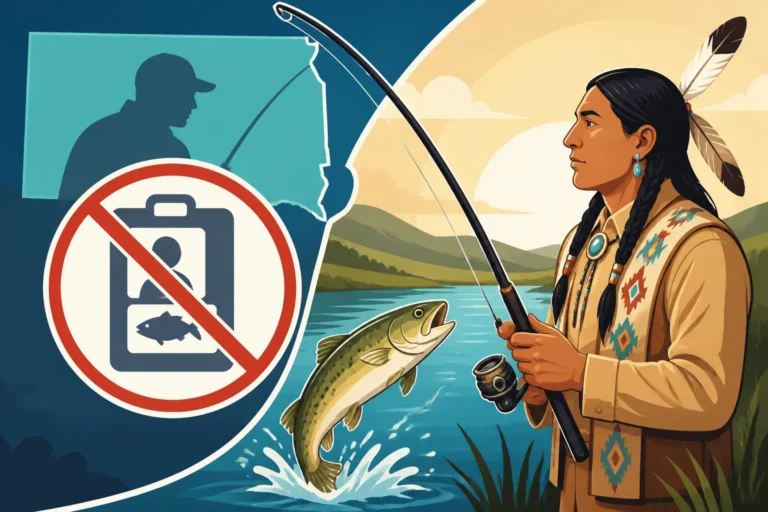
Tribal Lands: If you plan to fish on waters located within tribal reservation boundaries, you generally need a separate tribal fishing permit in addition to your state license. For example, the Cheyenne River Sioux Tribe and the Oglala Sioux Tribe manage their own fishing regulations and license requirements for waters within their jurisdiction. These tribal regulations can differ significantly from state rules regarding limits, seasons, and even permissible gear. It's essential to research the specific tribal regulations for the area you intend to visit. Ignorance of these rules is not an excuse, and violating tribal law can lead to serious consequences. Always ensure you have the appropriate permits and understand the local rules before fishing on tribal lands.
-
Private Waters: Fishing on private property, such as a farm pond or a privately owned lake, generally does not require a state fishing license if you are fishing from shore and have permission from the landowner. However, if you're using a boat on private water, it might still need to be registered with the state, even if the fishing license requirement is waived. The limits and size restrictions on private waters are often determined by the landowner, though state limits may apply if the water has an outlet to public waters. Always seek explicit permission from the landowner before fishing on private property, and clarify any specific rules they might have in place. It’s always best to be a respectful guest.
Urban Fishing Ponds and Kids' Limits
To make fishing more accessible, especially for families and young anglers, the South Dakota Game, Fish and Parks often manages "urban fishing ponds" or "kids-only fishing areas." These areas are specifically designed to provide easy access and high catch rates, usually stocked with panfish, trout, or channel catfish.
The regulations for these urban ponds can sometimes be slightly different from general statewide rules. They might have:
- Reduced Daily Limits: To ensure more anglers have a chance to catch fish, daily limits for some species might be lower than elsewhere.
- No Size Restrictions: Often, there are no minimum length requirements, allowing kids to keep any fish they catch.
- Gear Restrictions: Some ponds might have specific gear rules, like single hooks only, or no live bait restrictions to protect the stocked fish.
- Age-Specific Rules: Occasionally, certain ponds are designated "kids-only" or have special rules for youth under a certain age (e.g., 12 or 16), allowing them to fish without a license or with different limits.
These areas are fantastic for introducing children to the joys of fishing, and the relaxed rules are part of that appeal. Always check the signage at the pond itself or the GFP website for the specific rules pertaining to urban fisheries. It’s a great way to ensure a successful and legal outing for the whole family.
How to Stay Updated on Regulation Changes
Fishing regulations are not static; they are living documents that are periodically updated by the South Dakota Game, Fish and Parks. These changes are typically based on biological surveys, population trends, angler feedback, and environmental conditions. What was legal last year might not be legal this year, and that's a mistake you definitely want to avoid!
Here’s how to ensure you’re always up-to-date:
- The Annual Fishing Handbook: This is your bible! The GFP publishes a new fishing handbook every year, usually available in print at license vendors, GFP offices, and online. Always pick up the latest version, read it thoroughly, and keep it with your gear.
- GFP Website: The official South Dakota Game, Fish and Parks website (gfp.sd.gov) is an invaluable resource. They typically post the most current regulations, often with detailed maps and exceptions. You can also sign up for email newsletters to receive updates directly.
- Local GFP Offices and Staff: Don't hesitate to call or visit a local GFP office if you have specific questions about a particular body of water. The staff are incredibly knowledgeable and happy to help clarify any confusion.
- License Vendors: When you purchase your South Dakota Resident Fishing License Options or South Dakota Nonresident Fishing License Options, vendors often have the latest handbooks and can answer basic questions.
Making a habit of checking the regulations annually, and before fishing a new body of water, will save you a lot of headache and keep you on the right side of the law.
Practical Tips for Compliance and Responsible Angling
Understanding the regulations is one thing, but practically applying them on the water is another. There are some smart habits and tools that every angler can adopt to ensure they are always compliant and also practicing responsible angling ethics.
Gear for Measuring and Handling Fish
Having the right tools at your fingertips is half the battle when it comes to adhering to fish limits and size restrictions. Don't leave home without these essentials:
- Measuring Device: This is non-negotiable. A reliable measuring device is paramount. While a simple tape measure works, a "bump board" or a rigid measuring board is often preferred, especially for walleye and bass. These boards have a fixed end where the fish's snout butts up against it, ensuring consistent and accurate measurements every time. You can find excellent, durable options on Amazon or at any sporting goods store. Make sure it's long enough for the species you're targeting.
- Fish Scale: While not always required for regulations (unless you're targeting a weight-based record), a scale is invaluable for understanding fish growth and can be used for the South Dakota Trophy Fish Award Program. Many digital scales also include a measuring tape.
- Forceps or Pliers: For quick and safe hook removal, especially when releasing fish, a good pair of long-nosed pliers or hemostats is indispensable. This minimizes stress on the fish and reduces the risk of injury to both the fish and yourself.
- Landing Net: A good quality net is crucial for landing fish quickly and safely, especially larger ones. For catch-and-release, a rubber-coated or knotless mesh net is preferred as it protects the fish's slime coat and fins much better than traditional knotted nylon nets.
Reporting Violations and Common Mistakes to Avoid
Responsible angling isn't just about following the rules yourself; it's also about helping to protect the resource for everyone. If you witness a fishing violation, reporting it is a critical step in conservation.
- Reporting Violations: If you see someone breaking fishing laws – perhaps keeping undersized fish, exceeding daily limits, or fishing without a license – it’s important to report it. In South Dakota, you can contact your local Game, Fish and Parks office or use the TIPS (Turn In Poachers) program. You can typically find the contact information in the annual fishing handbook or on the GFP website. When reporting, try to gather as much information as possible: location, date and time, description of the individuals and their boat/vehicle, and the nature of the violation. You can remain anonymous.
- Common Mistakes to Avoid:
- Misidentifying Fish: Some species look very similar (e.g., walleye vs. sauger, black crappie vs. white crappie). Be absolutely sure of your identification before keeping a fish, especially if there are species-specific limits.
- Incorrect Measuring: As discussed, measuring from the wrong point or not compressing the tail can lead to keeping an illegal fish. Always use a reliable method.
- Confusing Daily and Possession Limits: Remember, your possession limit applies to all fish you have, not just what you caught today. If you're on a multi-day trip, keep track of your total.
- Not Checking Local Regulations: Assuming statewide limits apply everywhere is a huge mistake. Always check the specific rules for the lake or stream you are fishing.
- Failure to Obtain a Habitat Stamp: Many license types require a South Dakota Habitat Stamp Explained in addition to your license. Always ensure you have all necessary stamps and permits.
- Not Understanding Reciprocity: Don't assume your South Dakota license is valid in neighboring states, or that an out-of-state license works here without specific agreements. Reciprocal agreements for border waters are rare and highly specific, so if you're asking, "Is a South Dakota Fishing License Valid in North Dakota?" the answer is almost certainly no.
By being informed, using the right tools, and exercising good judgment, you can ensure your fishing adventures in South Dakota are always legal, ethical, and incredibly rewarding.
| Species | Typical Daily Limit (General) | Typical Possession Limit (General) | Common Size Restrictions (Examples) | Waters Often Affected (Examples) |
|---|---|---|---|---|
| Walleye | 4 | 8 | 15-inch minimum; 1 over 20" | Missouri River Reservoirs, Glacial Lakes |
| Northern Pike | 6 (smaller); 1 (trophy) | 12 (smaller); 2 (trophy) | No limit under 28"; 1 over 34" | Eastern Glacial Lakes, Prairie Lakes |
| Smallmouth Bass | 5 | 10 | 14 or 15-inch minimum | Lake Sharpe, Lake Francis Case, Clear Lakes |
| Largemouth Bass | 5 | 10 | 14 or 15-inch minimum | Farm Ponds, Weedy Lakes |
| Crappie | 15-25 | 30-50 | No minimum; occasional minimum | Most Lakes and Reservoirs |
| Yellow Perch | 25-50 | 50-100 | No minimum | Glacial Lakes, Ice Fishing Lakes |
| Channel Catfish | 10 | 20 | No minimum | Missouri River, James River, Most Lakes |
| Flathead Catfish | 1-2 | 2-4 | Occasional minimum | Missouri River, Large Rivers |
| Chinook Salmon | 3 | 6 | No minimum | Lake Oahe |
| Black Hills Trout | 5 (general); Varies (special) | 10 (general); Varies (special) | Varies greatly by stream/section | Rapid Creek, Spearfish Creek, Castle Creek |
Note: This table provides general examples. ALWAYS consult the current South Dakota Game, Fish and Parks Fishing Handbook for the exact regulations of your chosen fishing location.
Disclaimer
Please be aware that fishing regulations, including limits and size restrictions, are subject to change. While this guide aims to be comprehensive and up-to-date, it is your responsibility to consult the most current South Dakota Game, Fish and Parks Fishing Handbook or their official website (gfp.sd.gov) before engaging in any fishing activity. Relying solely on historical information or generalized advice may lead to legal violations.