Missouri River Tailwater Fishing Below Oahe Dam
The mighty Missouri River tailwater below Oahe Dam presents an incredible, yet often challenging, fishing experience that can be intimidating for newcomers and seasoned anglers alike. The unique confluence of the massive dam, its powerful current, and the cold, oxygen-rich waters creates an ecosystem unlike any other in South Dakota. This comprehensive guide will peel back the layers of this dynamic fishery, offering you the deep insights, proven techniques, and essential safety knowledge you need to confidently and successfully navigate its waters and land some truly memorable fish.
Understanding the Oahe Dam Tailwater Fishery
The stretch of the Missouri River immediately downstream from the Oahe Dam is a truly unique environment, dramatically different from the reservoir itself or other downstream sections of the river. It's a place of incredible power and subtle nuances, where understanding the ecosystem is key to unlocking its fishing potential.
The Dynamic Environment Below Oahe
The Oahe Dam tailwater is characterized by a constant flow of cold water released from the deep sections of Lake Oahe. This discharge creates a consistently cool, oxygen-rich environment that large game fish absolutely thrive in, even during the scorching South Dakota summers. Unlike natural rivers that warm and cool with the seasons, the tailwater's thermal stability supports a robust forage base, including cold-water species like rainbow smelt, which are flushed through the dam and become a primary food source for predators.
The powerful current is another defining feature, ceaselessly shaping the riverbed, carving out deep scour holes directly below the dam, creating intricate current seams where fast and slow water meet, and forming vast eddies where fish can rest and ambush prey. These underwater features are constantly shifting, albeit subtly, making it a fishery that demands constant observation and adaptation from anglers. You'll find areas of roaring turbulence giving way to pockets of near-still water, all within a short distance, creating diverse habitats for different species. This strong flow also keeps baitfish disoriented and readily available, turning the tailwater into a veritable conveyor belt of food for predatory fish.
Impact of Dam Operations on Fishing
The rhythm of fishing below Oahe Dam is intimately tied to the dam's operation schedule, particularly power generation. When the turbines are running, massive volumes of water are released, dramatically increasing current speed and water levels. These periods can be fantastic for fishing, as the increased flow often triggers feeding frenzies among walleye and other species who capitalize on the disoriented baitfish being washed through. However, these times also present significant challenges in boat control and safety. Anglers need heavier tackle to get baits down and precise boat positioning to stay on fish.
Conversely, when power generation slows or stops, the current slackens, and water levels may drop. These periods require a different approach, as fish might disperse or become less active, retreating to deeper holes or areas with less current. Understanding the daily or hourly generation schedule, often available from the U.S. Army Corps of Engineers or local bait shops, is paramount. Rapid changes in water levels can affect everything from where fish are holding to which boat ramps are usable. Anglers should always be aware of these fluctuations for both successful fishing and, most importantly, for their safety.
Target Species and Prime Seasons
The Oahe Dam tailwater is a multi-species angler's dream, offering opportunities for trophy fish across several categories. Knowing what to target and when to target them can significantly increase your success rate.
Walleye: The King of the Tailwater
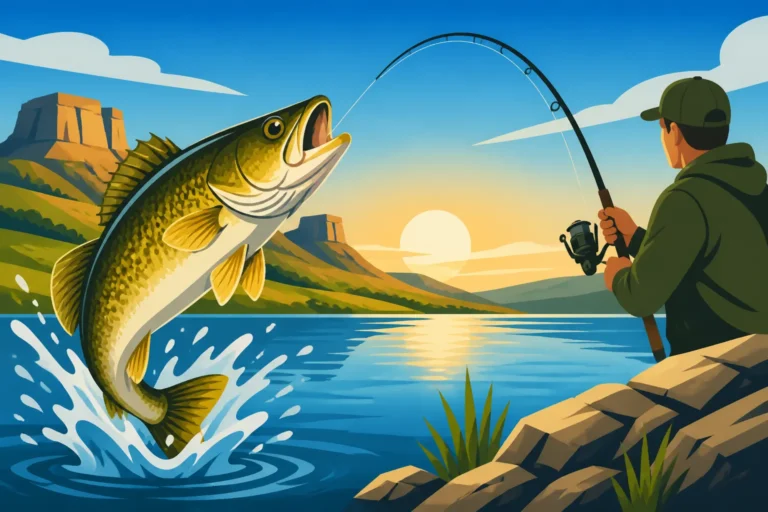
Without a doubt, walleye are the undisputed kings of the Oahe tailwater. This section of the Missouri River is renowned for producing not just large numbers of walleye, but also truly monstrous, trophy-sized specimens. The consistent cold water, abundant forage, and constant current combine to create an ideal environment for walleye to grow big and aggressive. Many anglers specifically target this stretch for a shot at a 10-pound-plus walleye, a feat that is surprisingly achievable here.
Prime times for walleye in the tailwater are extensive, but spring and fall truly shine. In spring, as ice melts and water temperatures begin their slow ascent, walleye stage in massive numbers below the dam before and after their spawn, gorging themselves on baitfish. This period, roughly April through June, can offer incredible action. Fall, from September through November, sees walleye once again congregating and feeding heavily, bulking up for winter. Even through the winter, the open water below the dam remains a hotspot, offering unique ice-free fishing opportunities when most other lakes are frozen solid. Techniques like jigging and live bait rigging are particularly effective, especially when you master how to present baits in strong current.
Chinook Salmon: A Unique South Dakota Fishery
While South Dakota might not immediately come to mind for salmon fishing, the Oahe Dam tailwater offers a truly unique and exciting opportunity for Chinook salmon. These impressive anadromous fish are stocked into Lake Oahe, and as their life cycle dictates, mature salmon begin their journey to "spawn" (though largely unsuccessful in the reservoir itself due to lack of suitable spawning gravel) during the late summer and early fall. Many of these fish eventually find their way downstream of the dam.
The prime window for targeting Chinook salmon in the tailwater typically runs from late August through October. During this time, they become incredibly active and aggressive as they undertake their spawning run. Anglers often find success casting large spoons, spinners, or even drifting cured salmon roe in the main current or along current seams. This isn't just about catching fish; it's about experiencing the raw power of a Chinook, a fight that can test even the most experienced angler. The sheer size and fighting spirit of these fish make them a bucket-list species for many visiting the area.
Other Notable Catches: Trout, Catfish, and More
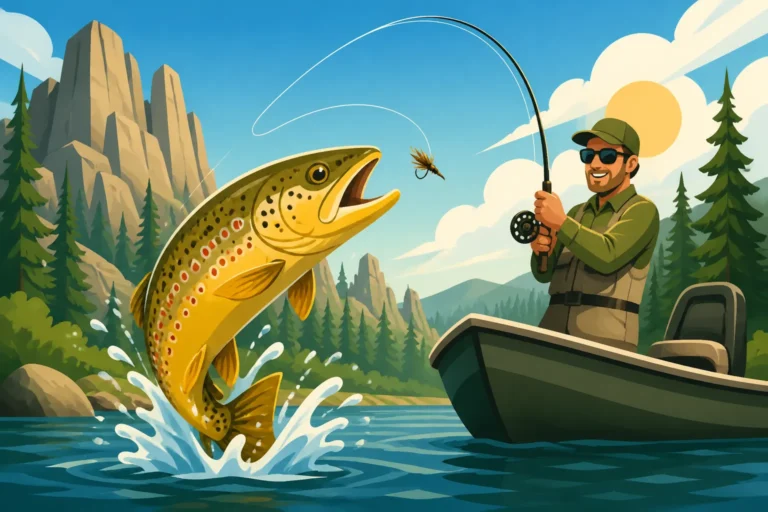
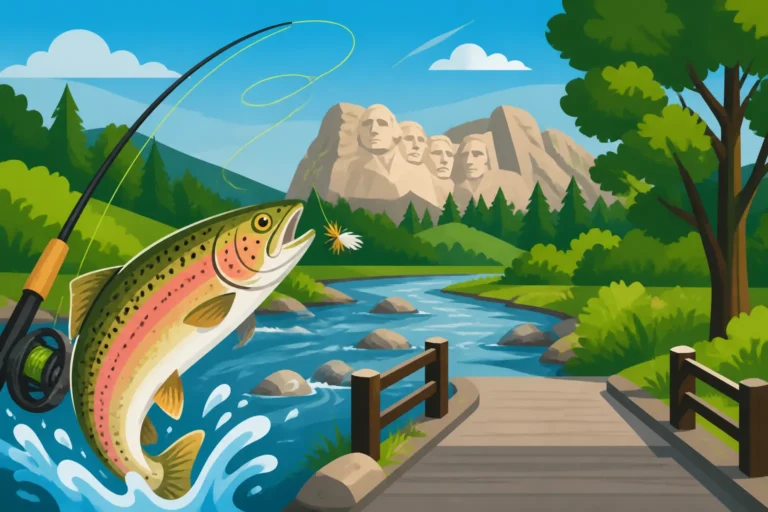
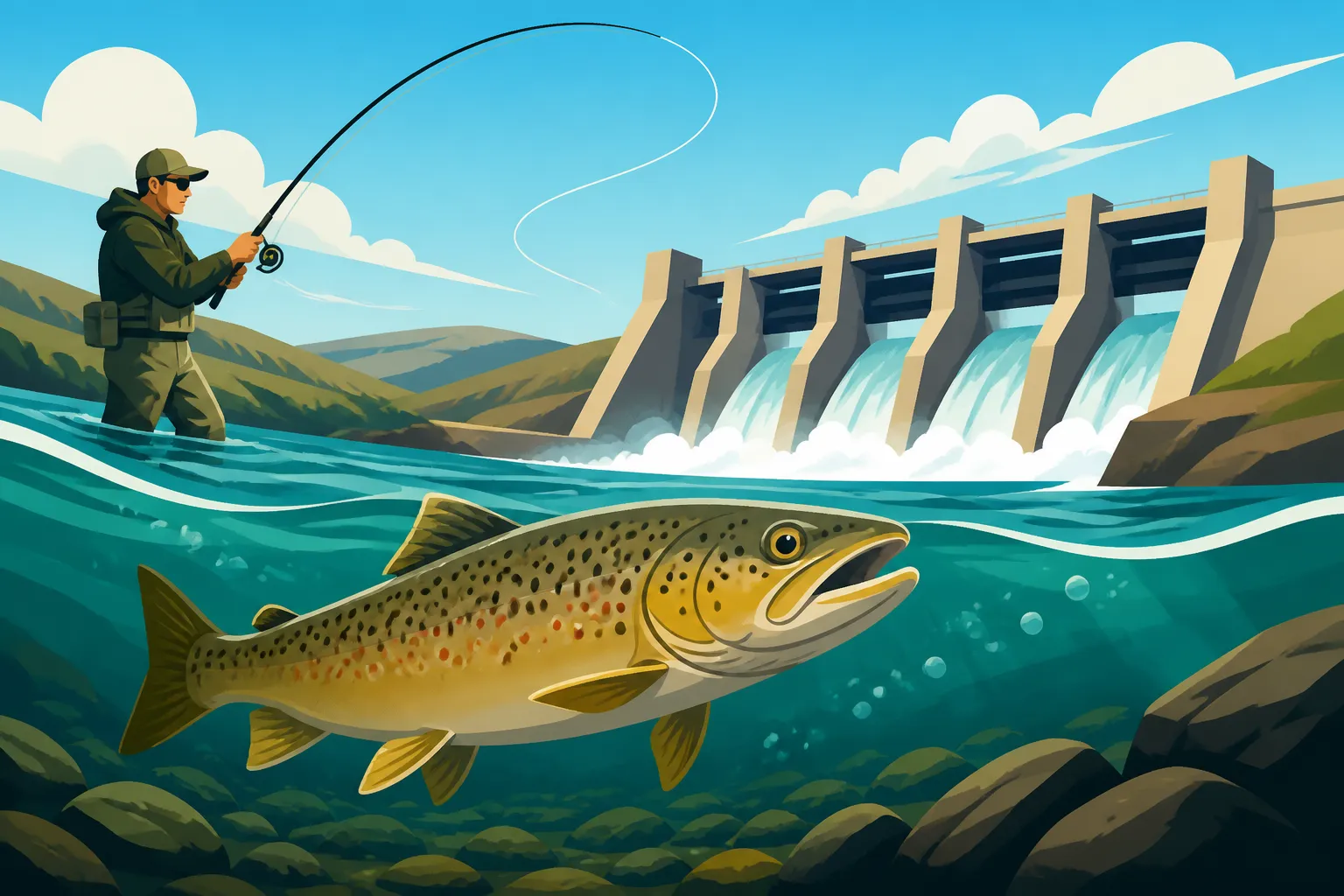
Beyond walleye and salmon, the cold, oxygenated waters below Oahe Dam support a healthy population of other game fish. You might be surprised to find robust numbers of rainbow and brown trout, often escaping from Lake Oahe or even stocked directly into the river. These trout thrive in the tailwater's consistent conditions, offering a fantastic bonus catch for anglers primarily targeting other species. They can be found in similar habitats to walleye, often holding in current breaks and feeding on the same forage.
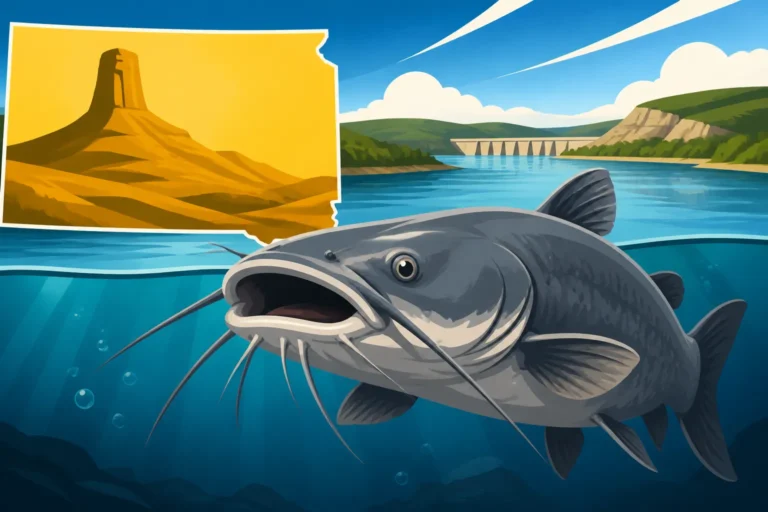
Channel catfish also abound in the tailwater. While they prefer slightly warmer water and might not be as prevalent directly in the coldest flows, they can be found in the deeper holes and slower eddies, especially as you move a bit further downstream. They offer a strong fight and excellent table fare. Anglers specifically targeting catfish will often use cut bait or stink bait fished on the bottom. Occasionally, you might even hook into a smallmouth bass or a northern pike, adding to the exciting diversity of the Oahe tailwater fishery. The opportunity to catch a grand slam of species in a single day makes this a truly special fishing destination.
| Species | Prime Season (Oahe Tailwater) | Key Techniques | Average Size (Tailwater) |
|---|---|---|---|
| Walleye | Spring (Apr-Jun), Fall (Sept-Nov), Winter (open water) | Jigging, Live Bait Rigging, Trolling (limited) | 15-25 inches, 2-8 lbs (trophy potential >10 lbs) |
| Chinook Salmon | Late Summer/Early Fall (Aug-Oct) | Casting Spoons/Spinners, Drifting Roe | 15-25 lbs, 25-35+ inches |
| Rainbow Trout | Spring (Apr-May), Fall (Oct-Nov) | Spinners, Jigs, Fly Fishing, Live Bait | 14-20 inches, 1-3 lbs |
| Brown Trout | Spring (Apr-May), Fall (Oct-Nov) | Spinners, Jigs, Fly Fishing, Live Bait | 16-24 inches, 2-5 lbs |
| Channel Catfish | Summer (Jun-Aug) | Bottom Fishing (cut bait, stink bait) | 18-30 inches, 5-15 lbs |
Essential Techniques for Oahe Tailwater Success
Fishing the strong currents of the Oahe Dam tailwater requires specific techniques and adjustments compared to still-water or even slower river fishing. Your ability to present your bait effectively in the moving water will directly impact your success.
Jigging and Live Bait Rigging in Current
When you're fishing the Oahe tailwater, especially close to the dam, the current is your constant companion, and often your biggest challenge. To successfully target walleye and other bottom-hugging species, getting your bait down to where the fish are is non-negotiable. This often means using significantly heavier jigs and sinkers than you might typically employ on calmer waters. A 1/2 ounce jig might be a starting point, but don't be surprised if you need to go to 3/4 ounce, 1 ounce, or even heavier, depending on the current speed and depth. The goal is to maintain constant contact with the bottom without your jig being swept away too quickly.
Vertical jigging is a highly effective technique here. This involves keeping your boat directly above your jig and using your electronics to watch your lure and any fish directly below you. It's a game of feel, where you're constantly lifting and dropping your jig, allowing it to "walk" along the bottom, mimicking a struggling baitfish. The bite can often feel like a subtle tap or merely added weight, so staying focused and sensitive to your line is crucial. Pairing your jig with a plastic paddle tail or a live minnow can add scent and action that fish can't resist. For those who prefer live bait, employing a three-way rig or a substantial bottom bouncer with a snell leader is the way to go. These setups allow you to drift live minnows, shiners, or nightcrawlers just off the bottom. Again, heavy weights are essential to keep your offering in the strike zone. You'll want to experiment with leader lengths and weight sizes until you find the sweet spot where your bait is naturally drifting but still accessible to fish in the powerful flow. For more detailed insights, check out our guide on how to Jig for Walleye in Current.
Casting and Trolling Strategies
While vertical presentations dominate much of the Oahe tailwater fishing, casting and, to a lesser extent, trolling also have their place. Casting artificial lures is particularly effective when targeting current breaks, eddies, or shallower points where fish might be ambushing prey. Crankbaits, especially those with aggressive diving lips, can be cast upstream and allowed to dive as they drift back, often drawing explosive strikes from walleye and salmon. Spoons and heavy spinners are excellent for salmon, particularly during their spawning run, and can also entice opportunistic trout. The key is to match the lure size and action to the prevalent baitfish and current conditions. You might need to retrieve them faster than usual to maintain the proper depth and action in the strong flow.
Trolling is generally less common directly below the dam due to the powerful and often unpredictable currents, which can make boat control difficult and dangerous. However, further downstream, where the river widens and the current mellows slightly, trolling can become a viable option, especially for covering large expanses of water. If you choose to troll in the tailwater, you'll need extremely heavy bottom bouncers or specialized deep-diving crankbaits that can get down to the fish in the heavy flow. The optimal trolling speed will often be slower than on still water, dictated by the current itself. It's more about presenting your bait subtly than rapidly covering ground. Remember to always keep safety paramount when considering trolling in such dynamic waters.
Must-Have Gear and Equipment
Approaching the Oahe Dam tailwater unprepared is a recipe for frustration, or worse, danger. The powerful current and potential for big, hard-fighting fish demand robust, reliable gear.
Rods, Reels, and Line for the Big River
When it comes to rods for the Oahe tailwater, you'll want to lean towards medium-heavy to heavy power rods, typically ranging from 7 to 8 feet in length. This extra power and length provide the leverage needed to set hooks in deep water, battle strong fish against a relentless current, and handle the heavier weights required to reach the bottom. A fast or extra-fast action tip is beneficial for detecting subtle bites, while the robust backbone helps you steer a trophy walleye or powerful Chinook salmon away from snags and toward your net.
For reels, a sturdy spinning reel in the 3000 to 4000 series is a popular choice for its versatility and ease of use, especially when vertical jigging. If you're opting for heavier setups or casting larger lures, a strong baitcasting reel might be preferred. Both should have smooth drags that can withstand the blistering runs of a big fish. Line choice is critical: braided line is almost a necessity here. Its lack of stretch offers superior sensitivity for feeling light bites in deep, turbulent water, and its incredible strength provides the backbone to pull jigs free from snags or to muscle a big fish. Use 20 to 30-pound braided line, always paired with a 6 to 12-foot fluorocarbon leader (10-20 pound test, depending on clarity and target species) for abrasion resistance and invisibility underwater. Consider reading our detailed guide on the Best Rod and Reel Setup for Walleye Trolling, even if you're not strictly trolling, as it covers some heavy-duty setups that translate well to strong current situations.
Tackle Box Essentials and Safety Gear
Your tackle box for the Oahe tailwater should be well-stocked and tailored to the unique conditions. As mentioned, heavy jigs (1/2 oz to 1 oz+) in various colors (chartreuse, white, orange, purple, glow-in-the-dark) are essential. Pair them with soft plastics like paddle tails, grubs, or twister tails. For live bait rigging, have an ample supply of heavy bottom bouncers (1-3 oz) or pyramid sinkers, along with appropriate hooks (Aberdeen or Octopus style) and swivels. Bring a selection of deep-diving crankbaits and heavy spoons (like Little Cleos or Kastmasters) for casting to salmon and aggressive walleye. Don't forget a variety of live bait options like fathead minnows, shiners, or nightcrawlers, kept fresh in a quality bait cooler.
Beyond fishing tackle, a comprehensive set of safety gear is not optional on the Oahe tailwater. The powerful currents and rapidly changing conditions mean you must be prepared for anything. This absolutely includes Coast Guard-approved Personal Flotation Devices (PFDs) for every person on board – and everyone should be wearing them, not just storing them. A reliable anchor system with plenty of heavy chain and at least 100 feet of robust rope is crucial; losing power in the current without an anchor is a critical situation. Other necessities include a whistle or horn, a throwable flotation device, a spare paddle, a fully charged cell phone (in a waterproof bag), and ideally a marine band radio. A first-aid kit, a tool kit, and extra fuel are also non-negotiable. Being familiar with the South Dakota Boat Safety Equipment Requirements will ensure you're compliant and safe.
Navigating the Tailwater: Access and Safety
The sheer power of the Missouri River below Oahe Dam demands respect and careful navigation. Knowing your access points and, more importantly, understanding the inherent dangers of the current, are paramount for a safe and enjoyable fishing trip.
Boat Ramps and Shoreline Access Points
For anglers venturing out in a boat, several public boat ramps provide access to the Oahe Dam tailwater. The Downstream Recreation Area boat ramp, located immediately below the dam near Fort Pierre, is the most common and convenient access point. This well-maintained ramp offers multiple lanes and ample parking, making it a popular choice for both local and visiting anglers. However, it's crucial to exercise extreme caution when launching and retrieving here, as the current can be very strong, especially during periods of high water release. Other access points further downstream might exist, offering slightly mellower current conditions, but the prime fishing action is often concentrated closer to the dam.
While boat fishing is predominant, there are limited, yet viable, shoreline access points for bank anglers. These typically involve walking along the river's edge in designated areas or finding specific points where the current allows for safe casting. The Downstream Recreation Area often has areas where bank fishing is possible, particularly in slower moving water or eddies. However, anglers should always prioritize safety, staying well away from steep, unstable banks and the direct, powerful currents near the dam structure itself. Be mindful of private property signs and respect the land. If you're unsure about shoreline opportunities, consulting a local bait shop or the South Dakota Game, Fish and Parks website for specific regulations and access points is always a good idea. To learn more about fishing without a boat, you might find our article, "Can You Fish From the Bank Below Oahe Dam?", helpful.
Understanding and Respecting the Current
This point cannot be overstressed: the current below Oahe Dam is incredibly powerful and demands utmost respect. It's not just the speed, but the sheer volume of water being moved, creating large boils, whirlpools, and unpredictable hydraulics, especially close to the dam structure. Never, under any circumstances, should you venture too close to the dam itself. There are often warning buoys and signs; heed them. The force of the water can easily overpower a boat, especially smaller ones, and conditions can change rapidly without warning.
Learning to "read the water" is an invaluable skill on the Oahe tailwater. Pay attention to current seams where fast water meets slower water – these are often prime holding areas for fish. Watch for eddies, which are areas of swirling or slack water where fish can rest and baitfish accumulate. These subtle clues can not only lead you to fish but also help you navigate safely. Always keep your bow pointed into the current when operating near strong flows, and maintain a safe distance from other boats and shorelines. If you're unfamiliar with navigating powerful river currents, it might be incredibly beneficial to hire a local guide. Reputable guides, often found through services like FishingBooker, have years of experience on these specific waters and can teach you the nuances of safe navigation and effective fishing techniques in these challenging conditions. They know the subtle shifts in current, the safest paths, and the most productive spots.
Weather Considerations and Emergency Preparedness
South Dakota weather can be notoriously unpredictable, and its impact on the Oahe tailwater can be severe. Strong winds, even moderate gusts, can quickly transform the wide-open river into a treacherous expanse of whitecaps, making boat control nearly impossible and posing a significant capsizing risk. Always check the forecast before heading out, paying close attention to wind speed and direction. If high winds are predicted, it's often best to reschedule your trip or seek calmer waters.
Beyond wind, sudden thunderstorms can bring heavy rain, lightning, and rapid temperature drops. Being caught on the open water during such an event is dangerous. Always carry appropriate rain gear, extra layers of clothing, and ensure all your safety equipment is easily accessible. Develop a personal emergency plan: know how to deploy your anchor quickly and effectively in case of engine failure, understand how to signal for help, and inform someone on shore of your float plan – where you're going and when you expect to return. The power of the Oahe tailwater commands vigilance, and being prepared is your best defense against its formidable forces.
Conservation and Regulations
Fishing the incredible waters below Oahe Dam is a privilege, and with that privilege comes the responsibility to understand and adhere to the local regulations. These rules are in place to ensure the long-term health and sustainability of this world-class fishery.
Specific South Dakota Fishing Regulations for the Oahe Tailwater
While the general South Dakota Fishing Regulations Explained apply statewide, certain sections of the Missouri River, including the Oahe tailwater, may have specific rules or nuances. It's absolutely crucial to obtain a current South Dakota Fishing License Guide and carefully review the regulations booklet published annually by the South Dakota Game, Fish and Parks (GFP). These booklets provide detailed information on species-specific limits, length restrictions, and any special conditions for particular bodies of water. For example, walleye limits and size restrictions can vary based on the specific body of water, and the Oahe tailwater often has specific nuances. You'll want to pay particular attention to the South Dakota Walleye Limits and any special harvest restrictions for Chinook salmon.
Regulations cover not only catch and possession limits but also methods of take, bait restrictions, and even the number of lines you can fish. Always assume that regulations might have subtle differences for a premier fishery like the Oahe tailwater. Don't rely on outdated information or hearsay from other anglers. The GFP website is an excellent resource for the most up-to-date information, including emergency regulation changes that might occur mid-season. Understanding and following these rules is not just about avoiding a citation; it's about being a responsible steward of the resource that provides such incredible fishing opportunities.
Practicing Ethical Angling and Catch and Release
For many anglers visiting the Oahe tailwater, the goal isn't just to catch fish, but to catch big fish. Often, these trophy-sized walleye or powerful Chinook salmon are older, more experienced fish that contribute significantly to the fishery's genetics. Practicing ethical angling and catch-and-release, especially for fish you don't intend to keep or for those outside the slot limits, is vital for maintaining the quality of this fishery for generations to come.
When practicing catch and release, handle fish gently and minimize their time out of the water. Use appropriate landing nets with rubberized mesh to protect their slime coat and fins. If a fish is deeply hooked, consider cutting the line as close to the hook as possible rather than attempting to rip the hook out, which can cause internal damage. For walleye, which are often caught in deep water, understanding the risks of barotrauma (due to rapid pressure changes) is important. If you observe signs of barotrauma (e.g., distended stomach, bulging eyes), learn proper fizzing techniques or be prepared to harvest the fish within legal limits if it's unlikely to survive. The goal is to send healthy fish back to fight another day, ensuring that the Oahe tailwater continues to be a trophy destination.
Disclaimer
Please note that fishing regulations, conditions, and best practices can change. Always consult the latest South Dakota Game, Fish and Parks regulations handbook or their official website before heading out. Safety on the water is paramount; be aware of weather conditions, currents, and always wear appropriate safety gear. The information provided in this guide is for general informational purposes only and should not be considered a substitute for professional guidance or official regulations.