Lake Sharpe Crappie Fishing at Joe Creek
Finding those elusive crappie schools on a vast body of water like Lake Sharpe can feel like searching for a needle in a haystack, especially when you're targeting a specific, yet incredibly productive, area like Joe Creek. It's easy to get overwhelmed by the sheer size, wondering where to even begin and what techniques will actually pay off. This comprehensive guide is designed to cut through that confusion, giving you all the insider knowledge you need to successfully locate and catch crappie at Joe Creek, ensuring your next fishing trip is both fruitful and enjoyable.
Understanding Joe Creek's Unique Crappie Habitat on Lake Sharpe
Joe Creek isn't just another inlet on Lake Sharpe; it's a dynamic ecosystem that offers a prime environment for crappie throughout the year. Its unique characteristics, from its geographic layout to the underwater structures, create ideal conditions for these panfish to thrive. Knowing these nuances is your first step to consistent success.
Geographical Overview and Key Features
Joe Creek enters Lake Sharpe on the eastern side, creating a significant arm of the reservoir that stretches inland. This area is characterized by relatively shallow, sheltered waters compared to the main channel of Lake Sharpe, making it a warmer, more stable environment for crappie, especially during spawning season. The creek itself meanders, forming various bends, points, and coves that interrupt the current and provide ample cover. This protection from strong winds and currents means the water column often holds more baitfish and aquatic insects, which are the primary food source for crappie. Anglers will notice a distinct transition from the wider, more open waters of the main lake to the narrower, more intimate confines of the creek arm, each offering different opportunities depending on the time of year.
The geography also includes areas where the creek widens into broader flats before narrowing again, offering a diverse range of depths and structures. These varying depths are critical as crappie will move vertically in the water column depending on light conditions, water temperature, and baitfish location. The upstream section of Joe Creek can be particularly intriguing after heavy rains when increased flow brings new nutrients and forage into the system, sometimes drawing crappie further upstream. Understanding these geographical distinctions is key to predicting where crappie might be holding, whether you're working a point on the main creek arm or exploring a shallower backwater pocket.
Submerged Structures and Their Role in Holding Crappie
Crappie are notoriously structure-oriented fish, and Joe Creek offers an abundance of prime real estate beneath the surface. Throughout the creek arm, you'll find submerged timber, brush piles, old fence lines, rock formations, and even remnants of past human activity, all of which act as magnets for crappie. These structures provide essential cover from predators, ambush points for feeding, and a place to escape strong currents or harsh sunlight. During colder months, crappie will often suspend around the deeper portions of these structures, while in warmer periods, they might be found tighter to the cover, especially during midday.
Many of these key structures are not immediately visible from the surface, making good electronics invaluable for serious crappie anglers. Look for sharp drop-offs near old creek channels, flooded timber on underwater humps, and even subtle changes in bottom composition from mud to gravel. These often indicate a hidden crappie hotspot. Local anglers and guides who specialize in Lake Sharpe crappie fishing often have detailed knowledge of these specific brush piles and submerged features, some of which are intentionally placed by the South Dakota Game, Fish and Parks (GFP) to enhance fishing opportunities. If you're looking for an advantage, consider booking a trip through services like FishingBooker to tap into this local expertise.
Water Flow and How It Influences Crappie Movement
Lake Sharpe, being part of the Missouri River chain, is a reservoir system where water flow can significantly impact fish behavior. While Joe Creek itself is somewhat protected from the full force of the main river's current, the overall discharge from Oahe Dam upstream can still influence water levels and subtle currents within the creek arm. Crappie, like many other fish, tend to use current to their advantage, often positioning themselves just out of the main flow, where baitfish are swept to them with minimal energy expenditure.
When the current is minimal, crappie might disperse more widely, but during periods of stronger flow, they often concentrate in areas with current breaks, such as behind points, inside coves, or along the slack water edges of submerged structures. Pay close attention to current seams where faster water meets slower water, as these are prime feeding lanes. Changes in water release from Oahe Dam can also affect water temperature and clarity, further influencing crappie movements. Understanding these subtle shifts in flow and how they relate to the structure in Joe Creek can help you predict where the crappie will be holding and how actively they might be feeding. It’s a dynamic puzzle, but one that offers incredible rewards when you crack the code.
Seasonal Strategies for Crappie Fishing at Joe Creek
Crappie fishing at Joe Creek is a year-round affair, but your approach needs to adapt dramatically with the changing seasons. What works in spring will likely fall flat in the heat of summer or the chill of winter. Understanding these seasonal shifts in crappie behavior is paramount to consistently filling your livewell.
Springtime Spawning Frenzy: Shallow Water Tactics
As the ice retreats and water temperatures begin to climb into the high 40s and 50s Fahrenheit, Joe Creek transforms into a crappie hotspot. This is the pre-spawn and spawn period, arguably the most anticipated time for crappie anglers. Crappie move from their deeper wintering grounds into shallower water, typically seeking out protected coves, shallow flats, and areas with emergent vegetation or flooded brush. Look for water temperatures in the mid-50s to low-60s for peak spawning activity. They'll be looking for hard bottoms or woody debris to lay their eggs.
During this time, sight fishing can sometimes be effective, particularly on calm, sunny days when crappie are visible near cover. Precision casting with small jigs (1/32 to 1/16 ounce) under a sensitive bobber is incredibly effective. Tipping your jig with a small minnow or a soft plastic grub in chartreuse, white, or black-and-chartreuse can be deadly. Focus on casting near any visible cover like submerged timber, docks, or overhanging branches. Remember, crappie can be incredibly sensitive during the spawn, so a quiet approach and subtle presentations are key. Often, the biggest crappie are caught just before or after the main spawn when they are actively feeding to bulk up or recover.
Summer's Deep-Water Hideouts: Adapting to Heat
Once the water temperatures push into the 70s and beyond, crappie generally vacate the extreme shallows of Joe Creek and retreat to deeper, cooler water. This doesn't mean they disappear; they simply change their address. During summer, crappie at Joe Creek will often be found suspended over submerged creek channels, along steep drop-offs, or tightly associated with deep brush piles and timber where they can find both cooler temperatures and abundant baitfish. The best time to target them might be early morning or late evening when they move slightly shallower to feed.
Vertical jigging or slow trolling with small crankbaits or jigs (1/8 to 1/4 ounce) becomes the preferred method. A key strategy for success during this period is to use your fish finder to locate schools of baitfish, as crappie will almost certainly be lurking nearby. Look for baitfish suspended at specific depths, and then target those depths with your offerings. Spider rigging, which involves using multiple rods rigged with different baits at varying depths and speeds, is a popular technique for covering water and finding the crappie's preferred depth. Don't be afraid to experiment with depth, as even a few feet can make all the difference. Many anglers refer to the "South Dakota Fishing Seasons Explained" to understand these broader seasonal changes.
Fall's Feeding Blitz: Transitioning with the Baitfish
As autumn arrives and water temperatures begin to cool, crappie in Joe Creek enter a prime feeding period, aggressively bulking up for the lean winter months. This can be one of the most rewarding times to fish, as crappie become more active and less finicky. They will begin to transition from their deep summer haunts back towards shallower flats and points, often following schools of baitfish that are also moving into accessible areas. The cooling water triggers a strong bite, and crappie can be found in a wider range of depths compared to summer.
Look for crappie congregating around deeper brush piles, submerged logs, and the edges of weed lines where dying vegetation still provides cover. Trolling with small crankbaits or jigging with soft plastics (e.g., Bobby Garland's Baby Shad) can be highly effective. The key is to match the hatch, paying attention to the size and color of the baitfish crappie are feeding on. Fall is also an excellent time to target them with minnows, either live-lined under a bobber or fished on a jig head. As temperatures continue to drop, crappie will eventually settle into their winter patterns, but before that, they offer a fantastic opportunity for anglers to enjoy a productive outing.
Winter Ice Fishing: Patience and Precision
When Joe Creek and Lake Sharpe freeze over, a new chapter of crappie fishing begins: ice fishing. While it requires a different set of skills and gear, Joe Creek can be incredibly productive for crappie through the ice. Crappie typically gather in deeper areas, often suspending over the old creek channel or around submerged brush piles and timber in 15 to 30 feet of water. They become less active in the cold water, making subtle presentations crucial.
Small jigs, such as teardrop jigs, tungsten jigs, or small spoons, tipped with a wax worm, minnow head, or a tiny soft plastic bait are the go-to choices. A sensitive rod and light line are essential to detect those faint winter bites. Many experienced ice anglers use electronics, like a Vexilar or Marcum flasher, to locate crappie and see their jig in the water column. This allows for precise depth control and helps you understand how fish are reacting to your presentation. While the action can be slower, patience often yields impressive results, with healthy, chunky crappie caught through the ice. For those new to the sport, getting insights from an experienced guide listed on FishingBooker for South Dakota's ice fishing scene can be invaluable. Even if you're not on Lake Oahe, many of the strategies from the "Best Ice Fishing Techniques for Lake Oahe" can be applied here.
Essential Gear and Techniques for Joe Creek Crappie
Having the right gear and knowing how to use it effectively are fundamental to consistent crappie success at Joe Creek. From your rod and reel setup to the lures you choose and the electronics you rely on, each component plays a vital role.
Rods, Reels, and Line: Matching Your Setup
For crappie fishing at Joe Creek, finesse is often the name of the game. A lightweight, sensitive rod is crucial for detecting subtle bites, especially during colder months or when crappie are shy. Most anglers opt for ultra-light or light-action spinning rods, typically between 5 to 7 feet in length. A fast or moderate-fast action tip allows for good casting distance with small baits while still providing enough backbone to handle a decent crappie. Shorter rods (around 5 feet) can be beneficial for kayak fishing or in tight quarters, while longer rods (up to 7 feet 6 inches) are excellent for casting lighter jigs or for spider rigging from a boat.
Pair your rod with a small spinning reel, typically a 500 or 1000 size, spooled with light line. 4-pound test monofilament or fluorocarbon is a popular choice, offering a good balance of strength, castability, and invisibility. Some anglers prefer braided line (6-8 pound test) with a fluorocarbon leader for increased sensitivity and strength, particularly when fishing around heavy cover. The thin diameter of light line allows for better bait presentation and less line drag, which is critical when crappie are finicky. Remember that line condition is critical, so regularly check for nicks or abrasions, especially after fishing around submerged timber.
Baits and Lures: What Crappie Are Biting
Crappie are opportunists, and Joe Creek offers a diverse menu of baits and lures that can entice a bite. The choice often depends on the season, water clarity, and fish activity level.
- Live Bait: Minnows are universally effective for crappie, often unbeatable, especially in colder water or when fish are less active. Small shiners or fathead minnows fished under a bobber or on a jig head are lethal. In some situations, small worms or larvae (like wax worms or spikes) can also be productive, particularly for ice fishing.
- Jigs and Soft Plastics: These are the workhorses of crappie fishing. Jigs ranging from 1/32 to 1/8 ounce are standard, often tipped with small soft plastic grubs, tubes, or creature baits. Popular brands like Bobby Garland's Crappie Pro series, Johnson Crappie Buster, or Mr. Crappie offer a vast array of colors and shapes. Chartreuse, white, black, pink, and various glitter patterns are perennial favorites. Experiment with different colors and tail actions to see what the crappie prefer on any given day. A good strategy is to start with brighter colors in stained water and more natural or subdued colors in clear water.
- Small Crankbaits: During the warmer months, especially when crappie are suspended or actively chasing bait, small crankbaits can be incredibly effective, particularly when trolling. Choose baits that dive to the depth where crappie are holding. Colors that imitate baitfish, like silver/black, shad patterns, or bright patterns like firetiger, can draw aggressive strikes.
- Small Spoons: For vertical jigging, particularly in deeper water or through the ice, small spoons (1/16 to 1/8 ounce) can be very productive. They mimic injured baitfish and their flash can attract crappie from a distance. Tipping them with a small minnow head can enhance their appeal.
Electronics and Their Role in Locating Fish
In a large reservoir system like Lake Sharpe and its arms like Joe Creek, modern electronics are less of a luxury and more of a necessity for serious crappie anglers. A good fish finder can save you countless hours of blind casting, helping you pinpoint crappie schools and the structures they inhabit.
- Sonar (2D): This is the foundation of most fish finders. It shows you the bottom contour, depth, and any objects or fish in the water column directly beneath your transducer. Look for "arches" or "blobs" that indicate fish. When you see multiple arches grouped together, especially around a submerged brush pile or along a drop-off, you've likely found crappie.
- Side Imaging/Down Imaging: These technologies provide a much clearer, photographic-like view of what's directly below (Down Imaging) or to the sides (Side Imaging) of your boat. Side Imaging is incredibly useful for scanning wide areas to locate submerged brush piles, timber, or other structure that might be holding crappie, especially if you're exploring new water. Once you've identified a promising piece of structure, you can then use Down Imaging or 2D sonar to pinpoint the fish around it.
- GPS and Mapping: Integrated GPS allows you to mark waypoints of productive spots, brush piles, or depth contours. This is invaluable for returning to hot spots on subsequent trips. High-definition mapping (like Lakemaster or Navionics) for Lake Sharpe provides detailed contour lines, old creek channels, and even highlights submerged structure, giving you a significant advantage in understanding the underwater topography of Joe Creek. Using these tools effectively means you spend less time searching and more time fishing.
Accessing Joe Creek and Navigating Lake Sharpe
Getting to and navigating Joe Creek on Lake Sharpe requires some planning, whether you're bringing a boat or planning to fish from shore. Knowing your access points, potential hazards, and available services can make your trip much smoother and safer.
Boat Ramps and Shoreline Fishing Opportunities
Joe Creek offers several access points, catering to both boaters and shore anglers, though boat access is often preferred for reaching the most productive crappie spots.
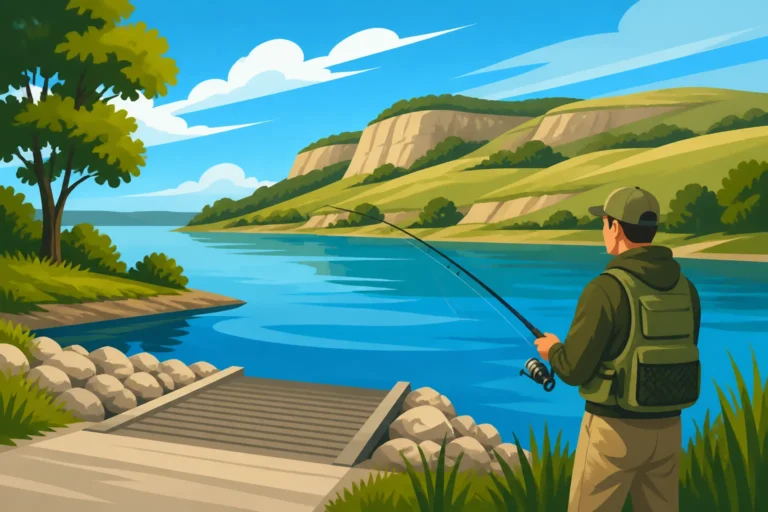
- Joe Creek Lakeside Use Area: This is typically the primary and most convenient access point directly into Joe Creek. It usually features a concrete boat ramp, ample parking, and often picnic areas and restrooms. The ramp provides direct access to the calmer waters of the creek arm, allowing boaters to quickly reach prime crappie habitat without battling the main lake's waves.
- Other Nearby Ramps on Lake Sharpe: Depending on your starting point or the conditions, other ramps on Lake Sharpe might provide access, though they might require a longer run to Joe Creek. For example, ramps further up or down the reservoir, like those near West Bend Recreation Area or Hipple Lake, offer excellent access to other parts of Lake Sharpe, and you can certainly boat to Joe Creek from them.
- Shoreline Access: While boaters have the advantage, there are still some decent opportunities for shore anglers within the Joe Creek arm, especially around the Joe Creek Lakeside Use Area. Look for areas with public access near riprap, small points, or where the bank drops off into deeper water. These spots can be productive, particularly during the spring spawn when crappie move shallow. Be mindful of private property and respect all posted signs. Always check with the South Dakota Game, Fish and Parks (GFP) for the most current information on public access points and facilities before heading out. Anglers often look to the Lake Sharpe Fishing Guide for a broader understanding of the entire body of water.
Safety Considerations and Navigational Tips
Fishing on a large reservoir like Lake Sharpe, even in the more sheltered arms like Joe Creek, comes with inherent safety considerations. Being prepared is paramount.
- Weather Awareness: South Dakota weather can change rapidly. Always check the forecast before you go, and be prepared for sudden storms, strong winds, or temperature drops. Strong winds can quickly whip up dangerous waves on Lake Sharpe, making navigation challenging, especially for smaller boats.
- Boat Safety Gear: Ensure your boat is equipped with all required safety gear, including life jackets for everyone on board (children under 7 must wear them at all times), a fire extinguisher, signaling devices (horn/whistle), and navigation lights if operating after dark. Reviewing the South Dakota Boat Safety Requirements is a good idea for any boater.
- Navigation: While Joe Creek is generally less treacherous than the main channel, always be aware of submerged hazards like timber or rock piles, especially when operating in shallower areas or during periods of low water. A good GPS unit with detailed maps of Lake Sharpe can help you navigate safely and avoid potential dangers. Be mindful of other boat traffic, particularly during peak fishing seasons.
- Cold Water Safety: Even in spring and fall, the water in Lake Sharpe can be dangerously cold. Always dress in layers, and if you're ice fishing, take extreme precautions regarding ice thickness. Never venture onto unfamiliar ice alone. For general knowledge, the South Dakota Fishing License Guide can offer insights into the overall regulations which includes safety aspects.
Local Amenities and Services
Knowing what services are available nearby can enhance your fishing trip. While Joe Creek itself might not have extensive amenities, the surrounding communities offer support for anglers.
- Bait and Tackle Shops: There are likely bait and tackle shops in nearby towns such as Lower Brule or Fort Thompson, where you can stock up on minnows, jigs, and other essential gear. These shops are also great places to get up-to-date local fishing reports and advice.
- Lodging and Camping: If you're planning a multi-day trip, consider camping at the Joe Creek Lakeside Use Area or other nearby recreation areas managed by the GFP or the Army Corps of Engineers. There are also hotel options in larger towns like Pierre (the state capital, a bit further north) or Chamberlain (south of Lake Sharpe).
- Guided Trips: For those who want to maximize their chances or are new to the area, hiring a local fishing guide can be incredibly beneficial. Guides often have years of experience on Lake Sharpe and Joe Creek, know the current hot spots, and can provide all the necessary equipment. Services like FishingBooker can help you find reputable guides specializing in crappie fishing on Lake Sharpe. They can offer invaluable insights into seasonal patterns and local techniques, ensuring you make the most of your time on the water.
Mastering Crappie Behavior at Joe Creek
Crappie are fascinating fish with predictable, yet sometimes frustrating, behaviors. By understanding how they react to their environment and forage, you can significantly improve your chances of success at Joe Creek.
Reading the Water: Signs of Active Crappie
Observing the subtle clues the water provides is a skill that veteran anglers hone over years. For crappie fishing at Joe Creek, these observations can be critical in finding active fish.
- Surface Activity: While crappie don't often break the surface like bass, you might occasionally see them "sip" insects or minnows, especially in calm, shallow areas during low light. More importantly, keep an eye out for baitfish schools being chased near the surface. If you see shad or other small forage jumping, there's a good chance crappie or other predatory fish are below them.
- Bird Activity: Diving birds, like terns or gulls, are often a strong indicator of schooling baitfish, and where there are baitfish, there are usually crappie. If you see birds actively feeding over a particular area of Joe Creek, it's worth investigating with your boat or a long cast.
- Water Clarity and Color: Crappie tend to prefer moderately clear to slightly stained water. Very clear water can make them skittish, requiring a more subtle presentation and lighter line. Heavily muddy water, often after heavy rains, can disperse crappie and make them harder to locate. However, crappie often use the murkier water as cover to ambush prey, so finding the "cleaner" edge of muddy water can be a hotspot. Pay attention to how the South Dakota Fishing Regulations Explained mention water clarity related to certain bait types.
Understanding these visual cues helps you narrow down vast stretches of water into manageable, promising targets. It's a continuous process of observation and adjustment throughout your fishing day.
Understanding Forage and Feeding Patterns
Crappie are primarily piscivorous, meaning they feed on other fish, with small minnows (like gizzard shad and emerald shiners) being their main diet in Lake Sharpe. They also consume a variety of invertebrates, including insects and crustaceans, especially when they are smaller. Knowing what crappie are eating at any given time can help you select the most effective lures and baits.
- Mimicking Baitfish: If crappie are feeding heavily on shad, then soft plastic jigs or small crankbaits that imitate shad in size, shape, and color will be your best bet. Look for slender, silver, or pearl-colored baits. If you're catching fish that are regurgitating small emerald shiners, adjust your bait selection accordingly.
- Seasonal Shifts in Forage: The abundance and type of forage can change seasonally. In spring, crappie might target newly hatched baitfish or insect larvae in the shallows. In summer and fall, they'll primarily focus on larger schools of juvenile shad in deeper water. Matching your lure size to the prevalent baitfish size is crucial; crappie have relatively small mouths, so overly large lures will be ignored.
- Low Light Feeding: Crappie have excellent vision in low light conditions, which is why they often feed most actively during dawn, dusk, or on overcast days. During these times, they are more likely to venture out from heavy cover to chase bait. This is a great time to try slightly larger or more aggressively presented baits. On bright, sunny days, they'll typically hug tight to deep cover or suspend deeper in the water column. The specific limits like South Dakota Crappie Daily Limit are important to remember, especially during high feeding periods.
Dealing with Environmental Factors: Wind, Weather, and Current
Environmental conditions play a huge role in crappie behavior and angler success. Being able to adapt to these factors is a hallmark of a truly skilled crappie angler.
- Wind: Wind can be a blessing and a curse. A moderate chop on the water surface can break up light penetration, making crappie less wary and more willing to bite, especially in shallower water. Wind also creates current, stacking baitfish and crappie on windblown points or shorelines. However, heavy winds make boat control difficult, casting challenging, and can push crappie into sheltered areas. If the main creek arm is too choppy, seek out protected coves or leeward banks within Joe Creek.
- Weather Fronts: Changes in barometric pressure associated with approaching cold fronts or storm systems can significantly impact crappie activity. Often, crappie will feed aggressively before a front moves in, sensing the change. After a strong front, fishing can become tough, as fish often become lethargic and less willing to bite. During these post-front conditions, a slow, subtle presentation and extreme patience are usually required.
- Current: As discussed earlier, Joe Creek experiences varying degrees of current. Crappie typically position themselves in current breaks, where they can ambush prey without expending too much energy. Learning to identify these seams and eddies is critical. When fishing in current, you might need slightly heavier jigs to get your bait down to the desired depth. Alternatively, using a slip bobber rig allows your bait to drift naturally with the current into crappie holding areas.
By diligently observing the conditions and understanding how crappie react, you can make informed decisions about where to fish, what to use, and how to present your bait, significantly increasing your chances of success on Joe Creek. You might even find insights in Crappie Fishing Techniques for Suspended Fish that apply perfectly when dealing with currents pushing crappie into open water.
| Season | Typical Crappie Depth Range (Joe Creek) | Primary Forage | Recommended Lures/Baits | Key Strategy |
|---|---|---|---|---|
| Spring | 2-10 feet | Minnows, insect larvae | Small jigs (1/32-1/16 oz) with plastics, live minnows | Target shallow, warming flats & brush, focus on cover |
| Summer | 10-30 feet (often suspended) | Shad, other small baitfish | Small crankbaits, 1/8 oz jigs with plastics, live minnows | Locate suspended schools over deep channels/structure |
| Fall | 5-20 feet | Shad, recovering from spawn | Small crankbaits, 1/8 oz jigs with plastics, live minnows | Follow baitfish migrations, focus on transition areas |
| Winter | 15-30 feet (over structure) | Smaller baitfish, insect larvae | Tiny jigs (1/64-1/32 oz) with live bait/plastics, small spoons | Vertical jigging over deep brush/channel, sensitive bites |
Disclaimer
Fishing conditions and regulations in South Dakota can change. Always consult the latest South Dakota Game, Fish and Parks (GFP) regulations handbook or their official website before heading out to fish. This guide provides general information and recommendations, but it is the angler's responsibility to adhere to all current laws and safety guidelines.