South Dakota Organic Bait Restrictions Near Pactola Dam
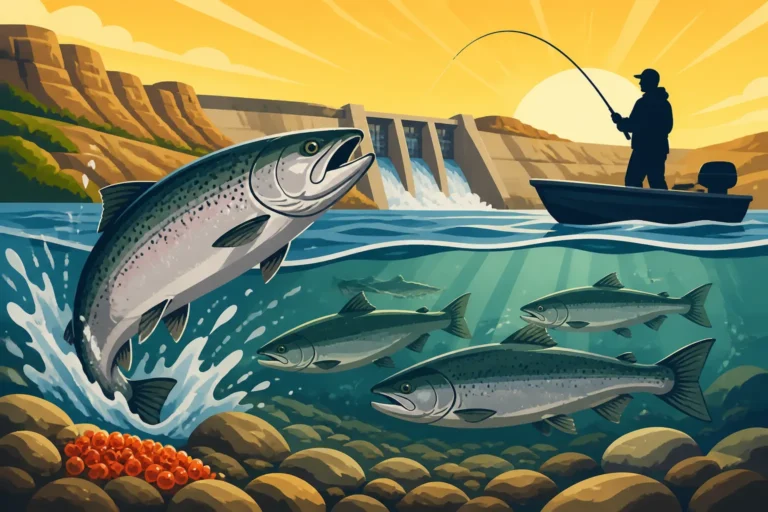
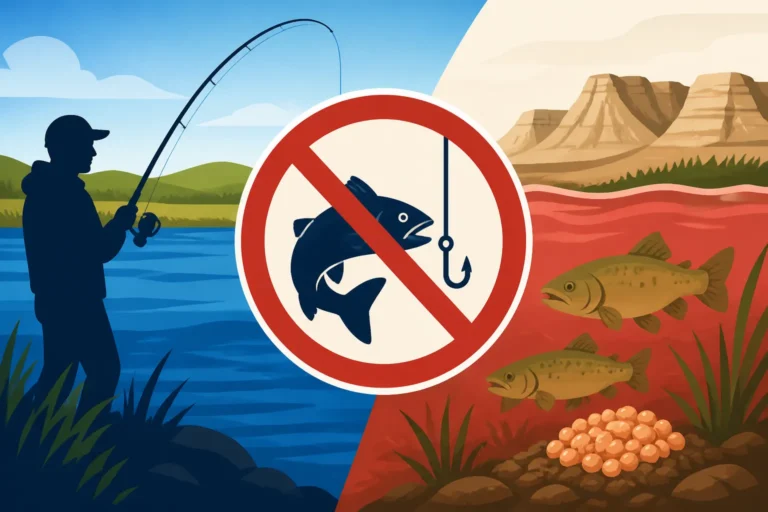
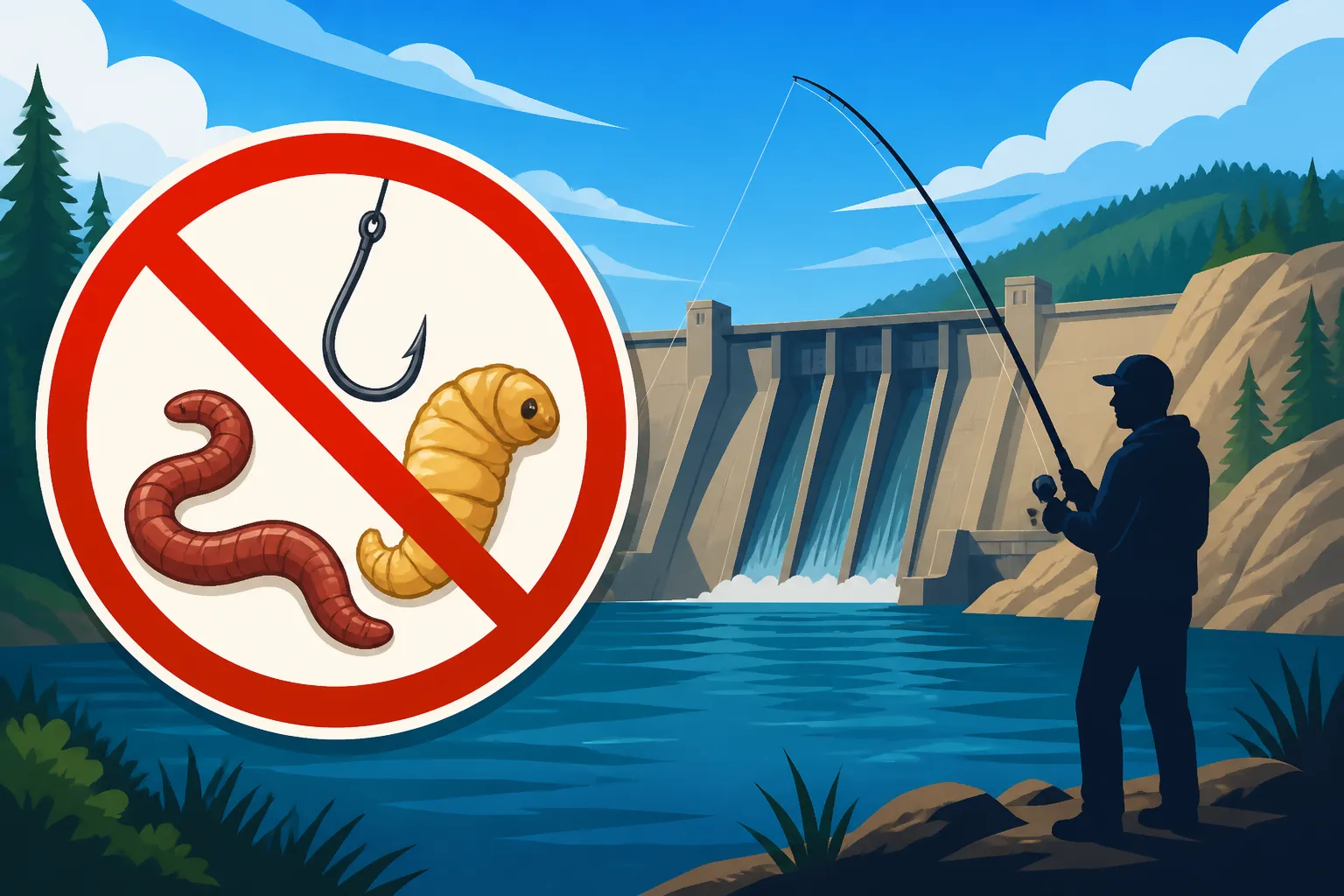
Picture this: You’ve driven all the way to the stunning Black Hills, gear loaded, spirits high, ready to cast your line into the pristine waters around Pactola Dam. You’ve got your favorite worms, some tasty PowerBait, maybe even a jar of corn, only to arrive and see signs that explicitly forbid "organic bait." It’s a gut punch, right? This guide is going to clear up all the confusion surrounding South Dakota’s organic bait restrictions specifically near Pactola Dam, so you can plan your trip right and avoid any frustrating surprises or, worse, fines.
Understanding the 'Why' Behind Bait Restrictions
It’s easy to feel like these rules are just there to make fishing harder, but trust me, there's a really good reason behind them, especially in such a unique and sensitive environment as the Black Hills. The South Dakota Game, Fish and Parks (GFP) isn't just trying to complicate your life; they're working hard to protect the very fisheries that draw us all to these beautiful places.
Protecting the Black Hills Ecosystem
The Black Hills streams and reservoirs, including Pactola, are incredibly special. They host cold-water fisheries that support thriving populations of trout – often brown trout, rainbow trout, and brook trout. These fish require very specific, clean, and stable environments to survive and reproduce. Introducing anything foreign, even seemingly harmless organic bait, can throw this delicate balance completely off kilter. The ecosystems here are often isolated, making them particularly vulnerable to outside influences.
When you think about it, a worm or a piece of cheese isn't just "food" to a fish. It's a living or once-living organism that could carry bacteria, parasites, or even non-native species that aren't naturally found in Pactola Lake. Imagine introducing a new disease to a population that has no natural immunity; it could decimate the fishery in short order. These restrictions are a proactive measure, a necessary defense to keep the Black Hills trout streams and lakes as vibrant and healthy as possible for generations to come.
The Threat of Aquatic Invasive Species (AIS)
Perhaps the biggest driver behind the organic bait restrictions, particularly near sensitive waters like Pactola Dam, is the prevention of Aquatic Invasive Species (AIS). You might think, "What does a nightcrawler have to do with invasive species?" Well, quite a lot, actually. Many organic baits, especially live ones like minnows, leeches, or worms, can unknowingly transport microscopic hitchhikers. These could be anything from zebra mussel larvae clinging to a minnow's scales, to spiny water fleas tangled in a container of leeches, or even fish diseases that are undetectable to the naked eye.
Once introduced, AIS can spread rapidly, outcompeting native species for food, altering habitat, and fundamentally changing the ecosystem. They can clog waterways, damage boats, and dramatically impact recreational fishing and the overall health of the water body. For a water system like Pactola, which serves as a crucial habitat for various trout species, the risk is simply too high. The "artificial lure only" rules act as a critical barrier, significantly reducing the chance of accidental AIS introduction from anglers unknowingly carrying contaminated bait or water.
Specific Organic Bait Restrictions Near Pactola Dam
Now, let's get down to brass tacks: what exactly can and can't you use near Pactola Dam? It's important to be precise here, because misunderstanding can lead to a ruined day or, more seriously, a citation. These rules are detailed in the official South Dakota Fishing Regulations Explained, which every angler should review.
What "Organic Bait" Truly Means Here
When the South Dakota GFP talks about "organic bait" in restricted areas, they're generally referring to any natural, once-living, or living material used to attract fish. This includes a wide array of items that many anglers traditionally use. Think about the classic baits: worms (nightcrawlers, red wigglers), minnows (live or dead), leeches, grasshoppers, crickets, grubs, and even common kitchen items like corn, cheese, or marshmallows. Even dough baits that are made from natural ingredients fall under this umbrella. Essentially, if it was once alive, is currently alive, or is derived directly from living things, it's considered organic bait for the purpose of these regulations.
The intent behind this broad definition is to prevent any biological material from entering the water that could carry pathogens, introduce non-native species, or otherwise disrupt the ecosystem. It's a comprehensive approach to protect the Black Hills' precious water resources from potential contamination that could harm the delicate trout populations.
The "Artificial Lure Only" Rule
Specifically around Pactola Dam and on a significant portion of Pactola Lake itself, the rule is unequivocally "artificial lures only." This means that your tackle box should contain only manufactured lures that mimic natural prey but are not made of organic materials or have scent added from organic sources. Examples of artificial lures that are generally acceptable include:
- Spinners and Spoons: Metal lures that flash and wobble, like a classic Panther Martin or Kastmaster.
- Crankbaits: Hard-bodied lures designed to dive and imitate baitfish, often made of plastic or wood.
- Jigs: Weighted hooks with soft plastic bodies, marabou, or bucktail.
- Flies: Both dry flies, nymphs, and streamers, tied with feathers, fur, and synthetic materials. These are perfect for those interested in South Dakota Fly Fishing for Black Hills Trout.
- Soft Plastics: Artificial worms, grubs, and other creature baits, provided they are unscented and not impregnated with organic attractants.
The key distinction is that these lures are inert once removed from the water and do not pose the same biological risk as organic baits. They rely on their shape, color, action, and your presentation to entice fish, rather than natural scent or biological composition. It’s crucial to understand that even "biodegradable" or "environmentally friendly" artificial baits can be problematic if they contain organic components or natural scents. When in doubt, stick to purely synthetic, non-scented artificial lures.
Exceptions and Adjacent Areas
While Pactola Lake itself and the waters immediately below Pactola Dam often fall under strict artificial lure rules, it's important to remember that not all of the Black Hills is under identical restrictions. For instance, the specific regulations for Pactola Dam Catch-and-Release Water Rules might delineate areas where only artificial lures are permitted. However, other larger lakes in the region or certain streams might have different regulations. For example, Sheridan Lake, another popular Black Hills spot, generally allows the use of live bait, though rules can change.
This is why consulting the most current South Dakota Fishing Regulations Explained is absolutely paramount. The South Dakota GFP Fishing Handbook Guide is an angler's best friend. You might find that while Pactola Lake has strict rules, a short drive to another body of water could offer different bait options. Always check the specific body of water you intend to fish, as rules can vary even within a few miles, and they can sometimes be updated season to season. Don't assume that what's allowed on one Black Hills lake is allowed on another; each has its own specific set of rules to protect its unique character.
Practical Tips for Anglers: Navigating the Rules
So, you know the rules, but how do you make sure you're compliant and still have a fantastic day of fishing for those beautiful Black Hills trout? It's all about preparation and smart choices.
Choosing Compliant Lures and Baits
When heading to Pactola, your primary focus should be on building a robust selection of artificial lures. This is where you can really let your creativity shine! For trout, smaller, more subtle presentations often work best. Think about:
- Small Spinners: Mepps Aglia or Rooster Tail spinners in sizes #0 to #2 are perennial favorites for rainbow and brown trout. Colors like silver, gold, black, or even chartreuse can be highly effective. You can find a fantastic selection of these on Amazon, making it easy to stock up before your trip.
- Mini Jigs: Tiny lead-head jigs (1/32 oz to 1/16 oz) tipped with small soft plastics, like Berkley PowerBait Micro Grubs or Crappie Magnets, can be deadly. Again, ensure these soft plastics are unscented and don't contain any organic attractants.
- Spoons: Very small casting spoons, like a Dardevle Imp or a Little Cleo, are excellent for reaching deeper trout and mimicking small baitfish.
- Flies: If you're a fly angler, you're in luck! Pactola's artificial lure only rule is practically a custom fit for your gear. Nymphs (like Pheasant Tail, Hare's Ear, or Prince Nymphs), dry flies (Elk Hair Caddis, Adams, Parachute Adams), and small streamers (Woolly Bugger) are all perfect choices. For deeper water, heavier nymphs or streamers can be fished with a sinking line. Remember, fly fishing is an art form, and the Black Hills streams, including those around Pactola, offer some incredible opportunities for it.
When purchasing, always double-check product descriptions to ensure no "natural scent" or "organic attractant" is mentioned. It's better to be safe than sorry! Your South Dakota Fishing Gear Checklist should definitely prioritize a variety of these artificial options.
Pre-Trip Preparation and Gear Checks
Beyond just choosing the right lures, your pre-trip routine is crucial. Preventing accidental contamination starts before you even leave home.
- Clean Your Gear Thoroughly: If you've used organic bait in other waters, make sure every piece of gear that might have touched it is sparkling clean. This means your tackle box, nets, waders, and even the livewell (if you have one and plan to use it for fish storage, though a good cooler is often preferred for trout). A simple scrub with hot, soapy water and then thorough drying can make a huge difference.
- Separate Your Bait: If you're planning to fish other South Dakota waters where organic bait is allowed, keep your organic baits completely separate from your Pactola-specific artificial lures. Use different tackle boxes or compartments, and never mix them up.
- Check Your Pockets: This might sound silly, but a rogue worm or a piece of PowerBait can easily find its way into a jacket pocket or a corner of your backpack. A quick check of all your gear, even things not directly related to fishing, can prevent an accidental violation.
- Know the Entry Points: When you arrive at Pactola, pay attention to any signage at boat ramps or access points. These signs will reinforce the local regulations, including any specific "artificial lure only" zones. Familiarize yourself with the Pactola Reservoir Fishing Guide to understand specific access points and potential nuances of the regulations.
Double-Checking Regulations
I cannot stress this enough: always double-check the current regulations before you go. Regulations can and do change. The South Dakota GFP updates its rules annually, and sometimes even within a season, especially if there are new threats like an AIS discovery or changes in fish populations.
- Official GFP Website: The South Dakota Game, Fish and Parks website is your ultimate, most reliable source for up-to-date regulations. They have digital versions of the fishing handbook and specific advisories.
- Local Bait Shops (with caution): While local bait shops are great resources for current fishing conditions and advice, always cross-reference their information with the official GFP regulations regarding specific bait restrictions. Shop employees are usually knowledgeable, but the official handbook is the final word.
- Physical Handbook: Grab a physical copy of the South Dakota Fishing Regulations Explained handbook wherever licenses are sold. Keep it with you, perhaps in a dry bag, so you can refer to it if any questions arise on the water.
Knowing the rules, particularly those concerning organic bait, is not just about avoiding penalties; it's about being a responsible angler who contributes to the long-term health and vitality of South Dakota's incredible fisheries.
Penalties and Responsible Angling
No one wants to run afoul of the law, especially when you're out trying to enjoy a peaceful day on the water. Understanding the consequences of not following bait restrictions, and embracing responsible angling, ensures a better experience for everyone.
Consequences of Non-Compliance
Fishing without adhering to bait restrictions is treated seriously by the South Dakota GFP. It’s not just a minor oversight; it's considered a violation of fishing regulations, and the consequences can range from a warning to significant fines. Depending on the severity and context of the offense, anglers could face penalties similar to those outlined for South Dakota Fishing Without a License Penalties. This might include:
- Fines: You could be issued a citation with a monetary fine. These fines can vary but are often substantial enough to make you wish you'd left the worms at home.
- Confiscation of Gear: In some cases, your fishing gear, including your rod, reel, and even the prohibited bait itself, could be confiscated by a conservation officer.
- Loss of Fishing Privileges: Repeated offenses or particularly egregious violations could lead to a temporary or even permanent suspension of your fishing license in South Dakota. This is a rare but possible outcome for those who disregard the rules.
- Court Appearances: For serious infractions, you might be required to appear in court, adding legal fees and significant time to your "fishing trip."
The bottom line is that these rules exist for a reason, and enforcement officers are there to ensure they are followed. It's far better to pack appropriate artificial lures and enjoy your day worry-free than to risk the headaches and costs associated with non-compliance.
Being a Good Steward of the Fishery
Beyond avoiding penalties, adhering to organic bait restrictions is a fundamental aspect of being a good steward of South Dakota's natural resources. The Black Hills, with its unique trout waters and stunning scenery, is a treasure that we all want to preserve. Every angler plays a role in that preservation.
When you respect rules like the "artificial lure only" directive near Pactola Dam, you are directly contributing to:
- Protecting Native Fish Populations: You're helping to prevent the spread of diseases and invasive species that could devastate the local trout. This directly impacts the future of trophy trout fishing and the ability of future generations to enjoy these waters.
- Maintaining Water Quality: Preventing the introduction of foreign substances helps keep the water clean and healthy, not just for fish, but for all wildlife and human use.
- Setting a Positive Example: Your responsible actions encourage other anglers to do the same. This collective effort is what truly makes a difference in conservation.
Ultimately, choosing to use only artificial lures in restricted areas like Pactola Lake isn't just about following a rule; it's about acknowledging the value of the resource and committing to its protection. The reward isn't just a successful fishing trip, but the satisfaction of knowing you're helping to keep South Dakota's waters vibrant and productive for years to come.
Pactola Dam Bait Restrictions Summary
To help clarify everything at a glance, here’s a quick summary of what you can and cannot use near Pactola Dam. Remember, this is a general guide, and specific boundaries or changes should always be verified with the latest GFP regulations.
Bait Type Status Near Pactola Dam (Artificial Lure Only Waters) Examples Now that you've got a comprehensive grasp of these rules, you're not just ready to avoid trouble; you're ready to make your trip to Pactola Dam and the surrounding Black Hills fishing spots a success. Happy fishing!
Disclaimer
Please be aware that fishing regulations are subject to change. While every effort has been made to provide accurate and up-to-date information, it is the angler's responsibility to consult the most current South Dakota Game, Fish and Parks regulations handbook or website before fishing. This guide is for informational purposes only and should not be considered legal advice.