South Dakota Fishing Season Closures for Spawning Areas
It can be incredibly confusing to keep up with all the different fishing regulations across South Dakota, especially when you factor in specific season closures for spawning areas. You might be planning a trip, only to wonder if your favorite spot is open, or if you're accidentally disturbing vital fish populations. This guide is here to unravel those complexities, helping you understand when and why certain fishing season closures, or special regulations designed to protect spawning fish, are in place across the beautiful waters of South Dakota.
The Essential Role of Protecting Spawning Fish
Anglers, at our core, are conservationists. We want to ensure that the thrill of catching fish, whether it's a feisty walleye or a shimmering Black Hills trout, can be enjoyed for generations to come. That's why understanding and respecting spawning closures and protective regulations is so incredibly important.
Why Fish Need Sanctuary During Reproduction
Imagine trying to raise your family while constantly being harassed. That's a bit like what fish face during their spawning periods. Reproduction is arguably the most critical time in a fish's life cycle. During this period, fish gather in specific areas, often shallow waters, feeder creeks, or calm bays, to lay and fertilize eggs. They become incredibly vulnerable to predation and, yes, even angling pressure. Their focus is entirely on perpetuating the species, not on feeding or evading capture.
Allowing fish a sanctuary during these crucial weeks ensures that a new generation of fish can hatch and grow, replenishing our lakes and rivers. Without these protections, entire year classes could be decimated, leading to long-term declines in fish populations, which ultimately means fewer fish for all of us to enjoy. It's a delicate balance, and these rules are designed to give our finned friends the best possible chance at success.
Balancing Angler Opportunity with Conservation
The South Dakota Game, Fish and Parks (GFP) works incredibly hard to strike a balance between providing ample angling opportunities and implementing necessary conservation measures. It's not about taking away your fishing time; it's about ensuring there's always fishing time in the future. Closures or special regulations during spawning times are a direct result of scientific research into fish biology, population health, and habitat vulnerability.
These measures might mean a specific section of a stream becomes "catch-and-release only" for a few weeks, or that certain gear is prohibited in sensitive areas. It could even mean a complete closure, although these are less common for many of South Dakota's most popular game fish. The goal is always long-term sustainability. By giving fish a chance to spawn successfully, we're investing in robust populations, healthier ecosystems, and ensuring that our grandchildren will also have the opportunity to experience the joy of reeling in a lunker from the Missouri River or a pristine Black Hills stream.
General Spawning Cycles for South Dakota's Prized Fish
South Dakota is blessed with a diverse array of fish species, and each one has its own unique reproductive timetable. Understanding these general cycles is the first step in appreciating the regulations designed to protect them.
Peak Spawning Periods for Walleye, Bass, and Panfish
For many of our most sought-after warm-water species, spring is the season of renewal.
- Walleye: These beloved fish typically begin their spawning ritual when water temperatures creep into the mid-40s to low 50s Fahrenheit, usually from late March through May. They often migrate upstream into rivers and streams, or move to shallow, rocky shorelines in lakes and reservoirs. While you won't find widespread, hard "season closures" for walleye across entire bodies of water during this time in South Dakota, they are particularly vulnerable. Instead, the GFP often manages populations through specific South Dakota Walleye Limits and size restrictions that help protect spawning-sized fish. You'll find these rules are crucial, especially on vast systems like Lake Oahe and Lake Sharpe.
- Smallmouth Bass: Generally, smallmouth bass will start spawning a bit later than walleye, once water temperatures reach the 60-65°F range, typically in May and June. They'll create nests on rocky or gravel bottoms in shallower areas. Similar to walleye, widespread closures for bass spawning are rare, but catch-and-release practices during this period are highly encouraged by many anglers to protect nesting fish.
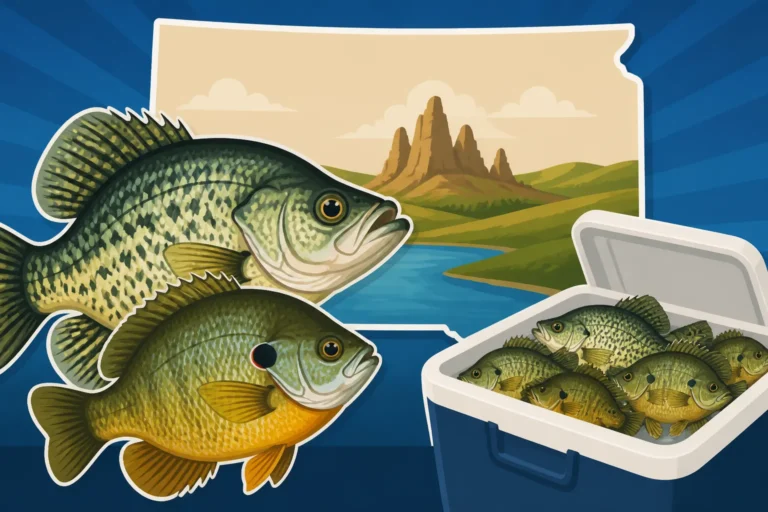
- Panfish (Crappie, Perch, Bluegill): Crappie usually spawn when water hits 60-70°F (late April to early June), often in shallow cover like submerged brush or weeds. Perch are earlier, often spawning shortly after ice-out in April and May, also in shallow vegetation. Bluegill are even more enthusiastic, spawning repeatedly throughout the summer when temperatures are consistently warm. For panfish, while there are Crappie and Panfish Possession Limits, outright spawning closures are virtually non-existent, but responsible angling practices, like moving on after catching a few from a bedding school, help ensure future populations.
Cooler Water Species: Trout and Salmon Runs
The reproductive cycles of cooler water species often occur at different times of the year and sometimes involve impressive migrations.
- Trout (Brown, Brook, Rainbow): In the pristine streams of the Black Hills, trout have varied spawning times. Brown trout typically spawn in the fall (October-November), while brook trout often spawn a bit earlier, from late summer into early fall. Rainbow trout, interestingly, are spring spawners, usually in March and April. The Black Hills are unique in South Dakota because certain stream sections do have specific regulations designed to protect spawning fish, sometimes involving artificial lure only rules or even temporary closures. We'll dive into those specifics next.
- Chinook Salmon: Lake Oahe is famous for its Chinook salmon fishery, but it's important to note that these fish don't naturally spawn in South Dakota. Instead, they are part of a put-grow-take fishery sustained by annual stockings. Their "spawning run" in the fall (late September through October) is actually a migration towards the Whitlock Bay Spawning Station near Gettysburg, where GFP collects eggs for the hatchery program. During this time, special snagging seasons and specific regulations come into play to allow anglers to harvest these magnificent fish while also ensuring the hatchery has enough broodstock. This isn't a "closure" but a highly managed period.
Navigating Actual Closures and Specific Protective Regulations
While blanket statewide closures for spawning are uncommon in South Dakota, specific locations, particularly for trout and salmon, do have distinct rules or even "no fishing" periods. It's vital to know these nuances.
Black Hills Trout Streams: Seasonal Closures and Special Rules
The Black Hills offer some of the most unique and picturesque fishing experiences in South Dakota, especially for trout. However, these delicate ecosystems often require specific protections. You'll find that many of these streams operate under special regulations to safeguard trout populations, particularly during spawning.
For instance, certain stretches of popular streams might have "artificial lures and flies only" restrictions year-round or seasonally. Others might be designated "catch-and-release only" to ensure trout survive to spawn multiple times. In some cases, very specific, short sections of streams or feeder creeks might be entirely closed to fishing for a period to allow undisturbed spawning.
A prime example is the section of Rapid Creek below Pactola Dam. While not a blanket closure, it has strict regulations like "artificial lures only" and "catch-and-release," especially important for protecting trout throughout their life cycle, including during spawning. Similarly, smaller tributaries might have temporary closures that aren't widely advertised but are posted locally. Always check the current Black Hills Stream Trout Regulations in the GFP Fishing Handbook before heading out, as these rules can be very localized and change periodically to adapt to environmental conditions or fish populations. Ignoring these can not only harm fish but also lead to fines.
Chinook Salmon Management at Whitlock Bay and Lake Oahe
The annual Chinook salmon run on Lake Oahe is an incredible spectacle, drawing anglers from all over. As mentioned, these salmon are stocked, and their fall migration to Whitlock Bay is critical for the South Dakota Game, Fish and Parks' hatchery program.
From roughly late September into late October, depending on water temperatures and fish maturity, thousands of salmon stage near Whitlock Bay. During this period, special snagging regulations are enacted. These are not "closures" in the sense of prohibiting fishing, but rather specific rules governing how and where you can fish for salmon. The rules typically define:
- Snagging season dates: This is usually a defined window within the fall.
- Legal snagging areas: Specific zones around Whitlock Bay are designated for snagging, while others remain open to traditional angling methods.
- Daily and possession limits: These are often generous during the snagging season but must be adhered to strictly.
The purpose of these regulations is two-fold: to allow anglers to participate in the unique experience of the salmon run and to facilitate the collection of eggs for the next generation of stocked salmon. While fishing is certainly allowed, understanding the specifics of the South Dakota Chinook Salmon Regulations is paramount to a successful and legal outing. You don't want to show up with your traditional lures only to find out snagging is the primary method, or vice-versa, depending on the regulations of the day.
Localized Restrictions and Habitat Protection for Other Species
While widespread closures for walleye or bass spawning are not typical in South Dakota, it's crucial to remember that localized restrictions can sometimes apply. These are often in smaller, more sensitive areas that serve as critical spawning or nursery grounds.
- Northern Pike: Pike often spawn in shallow, marshy areas and flooded vegetation immediately after ice-out. While there aren't specific statewide closures for pike spawning, some small, shallow backwaters or sloughs that connect to larger lakes might be temporarily inaccessible or have local advisories to protect their vulnerable early life stages.
- Feeder Creeks and Bays: In some cases, very small feeder creeks or shallow bays on larger reservoirs might have temporary restrictions or local signage, especially if they're particularly important for specific species during their most vulnerable reproductive periods. These are less common but are always something to be aware of, so you never want to assume.
For species like walleye, management during spawning is more about catch limits and size restrictions than area closures. For instance, the Belle Fourche Reservoir Special Walleye Rules include minimum length limits and slot limits which help protect the breeding stock, rather than closing the area entirely during spawning season. It's a different approach to achieve the same conservation goal.
How to Stay Informed About South Dakota's Fishing Regulations
Given the dynamic nature of fishing regulations, especially when dealing with specific areas and spawning periods, staying informed is not just a good idea—it's absolutely essential.
The South Dakota GFP Fishing Handbook as Your Go-To Resource
When it comes to definitive information, nothing beats the official source. The annual South Dakota GFP Fishing Handbook Guide is your bible for all things fishing in the state. This comprehensive guide outlines all statewide regulations, species-specific rules, bag limits, size restrictions, and critically, any special waters or exceptions that might apply to certain areas.
It's tempting to rely on word-of-mouth or outdated information, but regulations can, and do, change each year. Picking up a current handbook (or downloading the PDF) should be your first step before any fishing trip, especially if you're exploring a new body of water or targeting a species during its known spawning period. You can often find physical copies at local bait shops, GFP offices, or sporting goods stores. Even if you've been fishing in South Dakota for decades, a quick refresh is never a bad idea.
Utilizing Online Resources and Local Signage
Beyond the handbook, the South Dakota Game, Fish and Parks website (gfp.sd.gov) is an invaluable online resource. Here, you can find the most up-to-date information, including any emergency closures or regulatory changes that might occur mid-season. It's a great place to check for specific lake or river regulations that might not be highlighted as prominently in the general handbook.
Furthermore, pay close attention to local signage at boat ramps, public access points, and along stream banks. Sometimes, very localized rules, temporary closures, or warnings will be posted right where you're fishing. These signs are there for a reason and should always take precedence over general knowledge. A quick glance as you prepare to launch your boat or wet a line can save you from an unintentional violation or, more importantly, from disturbing a vital spawning ground. Sometimes, even purchasing gear like a new fish finder or specialized lures on Amazon can prompt you to research the latest regulations for their effective and legal use.
By combining the annual handbook, the GFP website, and vigilant observation of local signs, you'll be well-equipped to fish responsibly and legally, helping to protect South Dakota's incredible natural resources for everyone.
Summary of Key Spawning Periods and Protective Measures
To help you keep track, here's a general overview of South Dakota's primary game fish, their typical spawning periods, and common protective measures. Remember, always consult the official GFP regulations for precise and current details.
| Fish Species | General Spawning Period | Typical Water Temperature | Common Protective Measures & Notes |
|---|---|---|---|
| Walleye | Late March – May | 40-50°F | No widespread closures; managed by South Dakota Walleye Limits and size restrictions. Vulnerable in shallow, rocky areas and feeder creeks. |
| Smallmouth Bass | May – June | 60-65°F | No widespread closures; catch-and-release encouraged during nesting. Vulnerable on shallow, gravelly beds. |
| Crappie | Late April – Early June | 60-70°F | No widespread closures; managed by Crappie and Panfish Possession Limits. Found in shallow, submerged cover. |
| Yellow Perch | April – May (after ice-out) | 40-50°F | No widespread closures; managed by Crappie and Panfish Possession Limits. Spawns in shallow vegetation. |
| Northern Pike | March – April (after ice-out) | 40-50°F | No widespread closures; may be found in shallow, marshy areas. |
| Brown Trout | October – November | 45-55°F | Black Hills Stream Trout Regulations may include seasonal catch-and-release, artificial lures only, or specific area closures on certain streams or sections. |
| Brook Trout | August – Early October | 40-50°F | Similar to Brown Trout, Black Hills Stream Trout Regulations often apply. |
| Rainbow Trout | March – April | 40-50°F | Similar to other trout, Black Hills Stream Trout Regulations often apply, with some spring spawning protections. |
| Chinook Salmon | September – October (run) | Variable | Special snagging season and specific area regulations around Whitlock Bay on Lake Oahe for hatchery egg collection. Not natural spawning in SD. See South Dakota Chinook Salmon Regulations. |
Disclaimer
The information provided in this guide is intended for general informational purposes only and is subject to change. While we strive to offer accurate and up-to-date content, fishing regulations, season dates, and specific closures can vary and are often updated by the South Dakota Department of Game, Fish and Parks (GFP). It is the angler's sole responsibility to consult the most current official South Dakota Fishing Handbook and the GFP website before engaging in any fishing activity. Non-compliance with current regulations can result in penalties.