Is Bowfishing Legal in South Dakota?
It’s a question many adventurous anglers ponder when they look at South Dakota’s vast lakes and winding rivers: "Can I actually use a bow and arrow to fish here?" The idea of combining archery with angling is certainly appealing, offering a unique challenge beyond traditional rod and reel. However, diving into a new fishing method in a new state can be confusing, with regulations often feeling like a tangled mess of fishing line. This comprehensive guide is here to clear up all that confusion, giving you the definitive answers about bowfishing in South Dakota so you can plan your next outing with confidence and a clear understanding of the rules.
The Straightforward Answer: Is Bowfishing Legal in South Dakota?
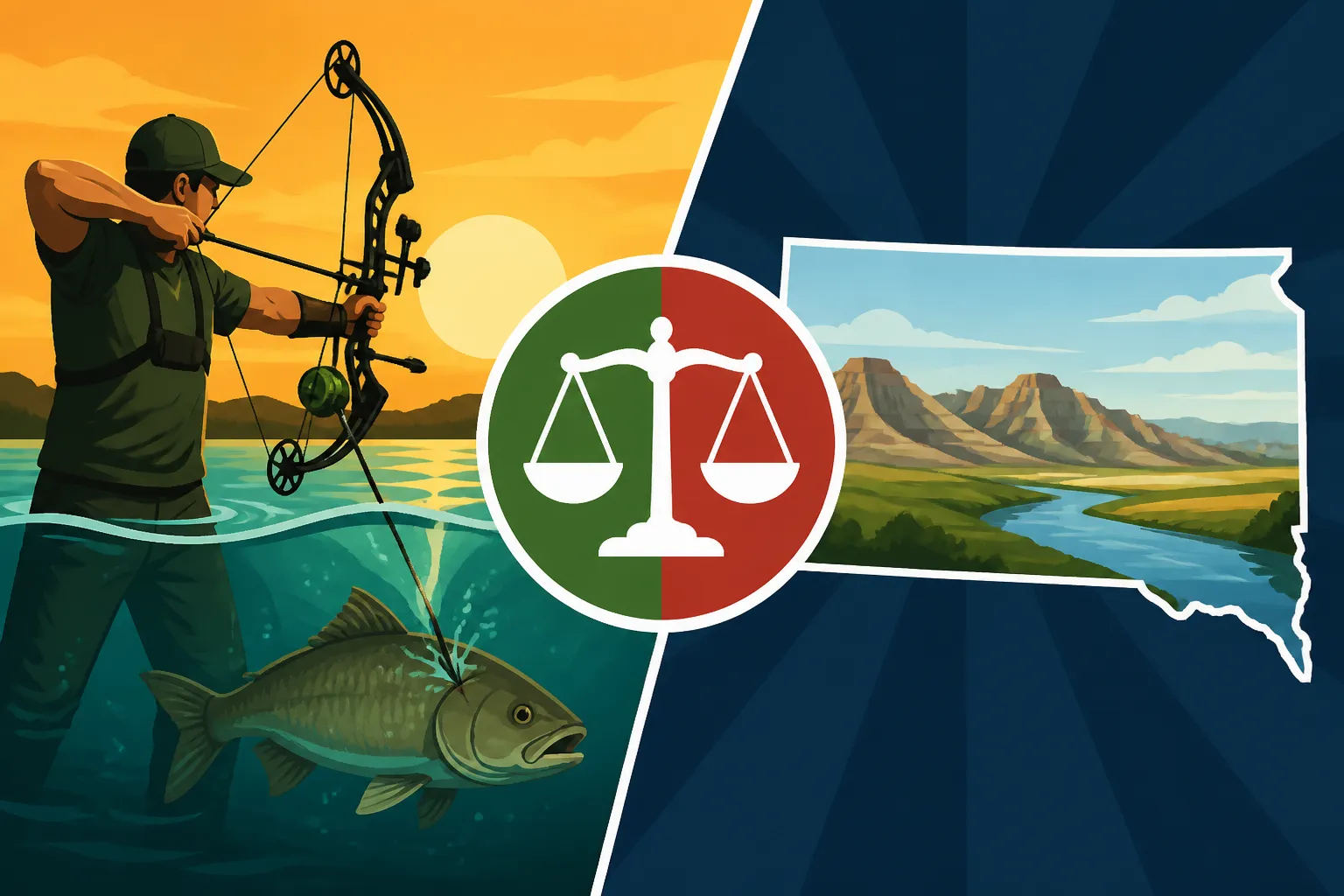
Let's cut right to the chase, because nobody likes to guess when it comes to following the law. Yes, bowfishing is absolutely legal in South Dakota! However, like most things in the world of outdoor recreation, it comes with specific rules and regulations that you absolutely need to understand before you head out. It’s not a free-for-all, and knowing the nuances can save you a lot of grief (and potential fines) down the line.
General Rules and Species
The primary purpose of bowfishing in South Dakota, as in many other states, is to target non-game or rough fish species. These are typically fish that aren't managed for sport fishing due to their abundance, rapid reproduction, or sometimes even their invasive nature. Think carp, buffalo, and gar – species that often thrive in various water bodies and can be quite a blast to pursue with a bow. The South Dakota Game, Fish and Parks (GFP) clearly outlines which species are fair game, and focusing on these targets is key. This aligns with the overall goals of conservation, often helping to control populations of certain species that might otherwise outcompete native game fish.
Many anglers find bowfishing these species incredibly rewarding because it's an active and visual hunt. You're often scanning shallow waters, spotting your target, and making a precise shot. It’s a completely different adrenaline rush compared to waiting for a bite on a traditional line. It's also a fantastic way to enjoy the state's beautiful waterways, whether you're cruising slowly in a boat or wading along a shoreline.
Specific Restrictions and Prohibited Waters
While bowfishing is generally legal, it's crucial to understand where and when you cannot do it. The GFP rules are very clear that bowfishing is not permitted for game fish species. This includes popular sport fish like walleye, bass, trout, and pike. Accidentally (or intentionally) targeting these fish with a bow can lead to serious penalties. It's important to be able to identify your target species accurately before you take a shot. You wouldn't want to mistake a large smallmouth bass for a common carp, would you?
Beyond species, there are also specific water bodies or sections of rivers that might have special regulations or outright prohibitions against bowfishing. For instance, certain designated trout waters in the Black Hills, or specific areas around dams, may be off-limits to ensure the protection of sensitive ecosystems or traditional fishing areas. Always check the current South Dakota Fishing Regulations Explained before heading out, as these rules can change seasonally or based on specific management needs. Also, night bowfishing might have different rules or require additional lighting on your boat. Always double-check any specific location you plan to visit for any local advisories.
Understanding South Dakota's Bowfishing Regulations
Navigating the specifics of South Dakota's bowfishing regulations can feel a bit like trying to read a fish finder in choppy water – there's a lot of information, and it's easy to get confused. But don't worry, once you break it down, it's quite manageable. The GFP aims to make these rules clear to ensure sustainable fishing practices and public safety.
Licensing and Equipment Requirements
First things first: you absolutely need a valid South Dakota fishing license to go bowfishing. Just because you're using a bow doesn't exempt you from the standard licensing requirements. Whether you're a resident or a non-resident, you'll need to purchase the appropriate license. For many, this means a standard annual license, but there are also options like a South Dakota One-Day Fishing License or even a South Dakota Three-Day Fishing License for those shorter trips. Don't forget, most adult resident anglers will also need a South Dakota Habitat Stamp Requirements along with their license.
When it comes to equipment, the regulations are fairly straightforward. You'll need a bow (recurve, compound, or crossbow are generally acceptable) and specialized bowfishing arrows. These arrows are designed differently from hunting arrows, typically featuring a barbed point to hold the fish and a line attached to the arrow, which is then spooled onto a reel on your bow. This setup allows you to retrieve the arrow and the fish after the shot. You can find a good selection of specialized bowfishing gear, from bows to arrows and reels, on online retailers like Amazon. They often have starter kits that include everything you need to get going. Make sure your line is strong enough to handle the fish you're targeting; a heavy-duty braided line is a common choice.
Seasons, Times, and Watercraft Rules
South Dakota generally allows bowfishing year-round for legal species, but prime conditions for targeting rough fish like carp are often during warmer months when these fish are in shallower waters, making them easier to spot. However, always refer to the latest GFP regulations for any specific seasonal closures or restrictions that might apply to certain areas or species.
As for time of day, bowfishing is often popular at night, especially for species that move into the shallows after dark. When bowfishing at night from a boat, be aware of standard boating navigation light requirements, and consider additional lighting to help you see and be seen. If you're using a boat for bowfishing, you'll also need to adhere to all South Dakota Boat and Water Access Rules, including registration and safety equipment mandates. This is vital for your safety and the safety of others on the water. Whether you're in a dedicated bowfishing boat or a versatile fishing rig, make sure your vessel is up to code.
Importance of Identifying Your Target Species
This cannot be stressed enough: accurate fish identification is paramount when bowfishing in South Dakota. Unlike traditional angling where you can often release an unwanted fish, a bowfishing shot is almost always lethal. This means there's no "catch and release" option for mistaken identity. If you shoot a game fish species that is illegal for bowfishing, you've committed a violation.
Before you even draw your bow, you must be 100% certain of what you're aiming at. Spend time studying the characteristics of common non-game fish like common carp, bigmouth buffalo, and gar, and learn to distinguish them from game fish like walleye or bass. The GFP offers resources, including their fishing handbook, that can help you with Fish Identification for Beginners. Taking the time to learn these distinctions is not just about avoiding a ticket; it's about being a responsible and ethical angler who respects the resource.
Common Bowfishing Targets and Best Practices
Now that we've covered the legal groundwork, let's talk about the exciting part: what you'll actually be aiming for and how to approach bowfishing responsibly in South Dakota. It's a sport that blends hunting skills with angling knowledge, and mastering it comes with practice and respect for the environment.
Popular Species: Carp, Buffalo, and Gar
The undisputed kings of South Dakota bowfishing are carp. You'll find common carp in nearly every warm water body across the state, from the sprawling Missouri River reservoirs like Lake Oahe and Lake Sharpe to the shallower South Dakota Glacial Lakes Fishing Guide in the eastern part of the state. They're often seen cruising in the shallows, especially during spring spawning periods, making them ideal targets. Asian carp species, like bighead and silver carp, are also present in some areas and are considered highly invasive, making their removal a benefit to the ecosystem. Taking out these South Dakota Invasive Fish Species is a win-win for bowfishers and the native fish populations.
Buffalo (bigmouth, smallmouth, and black) are another fantastic target. They can grow to impressive sizes, offering a real challenge and a hefty prize for successful bowfishers. Like carp, they tend to frequent shallower, often murkier waters, feeding on plankton and bottom detritus. Gar, particularly longnose gar, are less common in many areas but can be found in some of the larger river systems and slow-moving backwaters. Their unique, elongated bodies and tough scales make them a truly distinct and exciting catch for the experienced bowfisher. These species are often abundant, providing plenty of action and helping maintain ecological balance.
Ethical Considerations and Conservation
Bowfishing, when done correctly, can be a valuable tool for fisheries management, particularly in controlling overpopulated or invasive species. However, responsible anglers always prioritize ethical practices. This means never wasting your catch. While some people enjoy eating carp or buffalo (and they can be quite good when prepared properly!), if you don't plan to eat them, you should have a plan for responsible disposal. Burying fish well away from water bodies or disposing of them in designated landfill areas are common practices. Never leave dead fish on shorelines or toss them back into the water to rot, as this can create public health issues and degrade the environment.
Another ethical consideration is shot selection. Aim for a clean, humane shot that ensures a quick take. Avoid shooting at fish that are too far away or obscured, increasing the chance of a missed shot or a non-lethal hit that leaves a wounded fish to suffer. Be mindful of others using the waterways – swimmers, kayakers, or other anglers – and always maintain a safe distance. Conservation isn't just about protecting game fish; it's about respecting all aquatic life and maintaining healthy ecosystems.
Safety First: Gear and Environment
Safety is paramount in any outdoor activity, and bowfishing is no exception. You're combining powerful archery equipment with slick, often uneven marine environments, sometimes in low light. Always handle your bow and arrows with extreme care. Keep your arrows secured until you are ready to shoot, and always be aware of your surroundings, especially when drawing back. A stray arrow can be incredibly dangerous.
Wearing appropriate gear is also essential. Invest in polarized sunglasses to help you spot fish beneath the water's surface while protecting your eyes from sun glare and potential stray arrows. Sunscreen and a wide-brimmed hat are crucial for daytime trips. If you're on a boat, ensure you have all required safety equipment, including properly fitting life jackets, especially for children. Consider a good pair of water shoes or boots if you'll be wading, as lake and river bottoms can be uneven, rocky, or muddy. Finding quality safety gear on Amazon is a great way to prepare for a secure and enjoyable outing. Think about having a solid South Dakota Fishing Gear Checklist before you leave home to ensure you don't forget anything important.
Where to Go Bowfishing in South Dakota
South Dakota is blessed with an abundance of diverse waterways, offering fantastic bowfishing opportunities if you know where to look. From the mighty Missouri River to numerous smaller lakes and stock ponds, there's a spot for every level of angler.
Public Waters and Recommended Locations
The Missouri River reservoirs – Lake Oahe, Lake Sharpe, Lake Francis Case, and Lewis and Clark Lake – offer some of the most expansive bowfishing grounds in the state. Their vastness means plenty of shallow bays, coves, and backwaters where carp and buffalo can congregate, especially during warmer months. Look for areas with dense vegetation, muddy flats, or submerged timber where these fish like to hang out. The lower stretches of the Missouri River below Gavins Point Dam, for example, can also be productive for various rough fish species.
The Glacial Lakes region in eastern South Dakota, including lakes like Lake Kampeska, Lake Poinsett, and Bitter Lake, also provides excellent bowfishing action. These lakes are often shallower and can warm up quickly, drawing carp into accessible areas. Smaller state park ponds and certain public access areas on rivers might also hold good numbers of target species. Always remember to verify public access points and specific regulations for any particular body of water you intend to fish.
Local Knowledge and Resources
While maps and online resources are a great start, nothing beats local knowledge. If you're new to an area, consider visiting local bait shops, sporting goods stores, or even connecting with local bowfishing clubs. These folks often have the most up-to-date information on hot spots, current conditions, and any localized rules you might need to know.
The South Dakota Game, Fish and Parks (GFP) website is your absolute best friend for staying informed. They provide detailed maps, regulation booklets, and often have special alerts or news about specific waters. Check their site frequently, or consider downloading their mobile app if available, to have the latest information right at your fingertips. You can also contact their offices directly for specific questions about regulations or locations. Remember, when in doubt, it's always better to ask! For example, understanding South Dakota Fish Limits and Size Restrictions can be critical, even if primarily for game fish, as it helps reinforce the distinction. If you're looking to purchase your license, the South Dakota Online Fishing License Purchase system makes it very convenient.
| Aspect | Legal (Yes/No) | Key Considerations | Prohibited Species |
|---|---|---|---|
| General Legality | Yes | With specific regulations | All game fish (Walleye, Bass, Trout, Pike, etc.) |
| Fishing License | Yes | Required for all bowfishers, residents and non-residents | N/A |
| Target Species | Yes | Primarily non-game/rough fish | N/A |
| Common Targets | Yes | Common Carp, Bigmouth Buffalo, Gar, Asian Carp | N/A |
| Night Bowfishing | Yes | Requires proper boat lighting (if applicable) | N/A |
| Game Fish | No | Accidental take is a violation | Walleye, Largemouth Bass, Smallmouth Bass, Trout, Northern Pike, Crappie, Perch, Catfish (except under specific rules for Channel Catfish in certain situations – always check current regs) |
| Restricted Waters | No | Check local regulations for specific closures | N/A |
| Specific Equipment | Yes | Bowfishing bow/crossbow, specialized barbed arrows, retrieval line, reel | N/A |
Disclaimer
Please remember that fishing regulations, including those for bowfishing, can change. While this guide provides a comprehensive overview, it is essential to always consult the most current South Dakota Game, Fish and Parks (GFP) regulations before engaging in any fishing activity. This information is for general guidance only and should not be considered legal advice.