How to Winterize a Boat in South Dakota
The chilling winds of a South Dakota winter can be brutal, and for boat owners, ignoring the freeze means facing potentially catastrophic damage to their beloved vessel come spring. This comprehensive guide will walk you through the crucial steps of properly winterizing your boat, ensuring it weathers the harsh cold safely and is ready to hit the water again without a hitch.
Why Winterizing Your Boat in South Dakota is Non-Negotiable
If you've ever lived through a South Dakota winter, you know the temperatures don't just dip; they plummet. Freezing temperatures are not just an inconvenience; they are a direct threat to your boat's engine, plumbing, and structural integrity. Water expands when it freezes, and even a small amount of residual water in an engine block, a livewell pump, or a bilge hose can exert immense pressure, leading to cracked components, burst lines, and incredibly expensive repairs. Think of it as putting a full, sealed bottle of water in your freezer – eventually, it's going to crack. Your boat's vital systems are no different.
Beyond the immediate threat of freezing, winterizing also serves as an important preventative maintenance ritual. It’s a chance to flush out corrosive elements like salt (if you’ve been on the Great Lakes or brackish waters, though less common for most SD anglers), stabilize fuel against degradation, and protect moving parts from rust and decay during months of inactivity. Neglecting this process doesn't just risk freeze damage; it accelerates wear and tear, leading to a shorter lifespan for your boat and more headaches down the line. It's truly a small investment of time and effort now that pays dividends in longevity and reliability.
The Real Costs of Neglect
Many boat owners, especially those new to colder climates, might be tempted to skip or skimp on winterization, thinking they can get away with it "just this once." However, the cost of repairing freeze damage can be astronomical. A cracked engine block, for example, can easily run into thousands of dollars to fix or replace, often exceeding the value of older engines entirely. Burst water lines for a livewell or washdown system might seem minor, but tracking down and replacing frozen pumps, hoses, and fittings can turn into a complex, labor-intensive project. Even smaller issues, like corroded electrical connections or a dead battery from improper storage, can derail your first few planned fishing trips of spring. It's not just about the money; it's about losing precious time on the water during our all-too-short South Dakota fishing season.
Moreover, if you have boat insurance, many policies have clauses that specifically exclude damage caused by neglect, including improper winterization. This means if your engine block cracks due to freezing water, your insurance company might deny the claim, leaving you to foot the entire bill. This isn't just a theoretical concern; it happens to unlucky boaters every year. Always check your policy, but generally, proper winterization is seen as a basic responsibility of boat ownership in areas with freezing temperatures. Protecting your investment means taking these steps seriously.
The Essential Steps for Engine Winterization
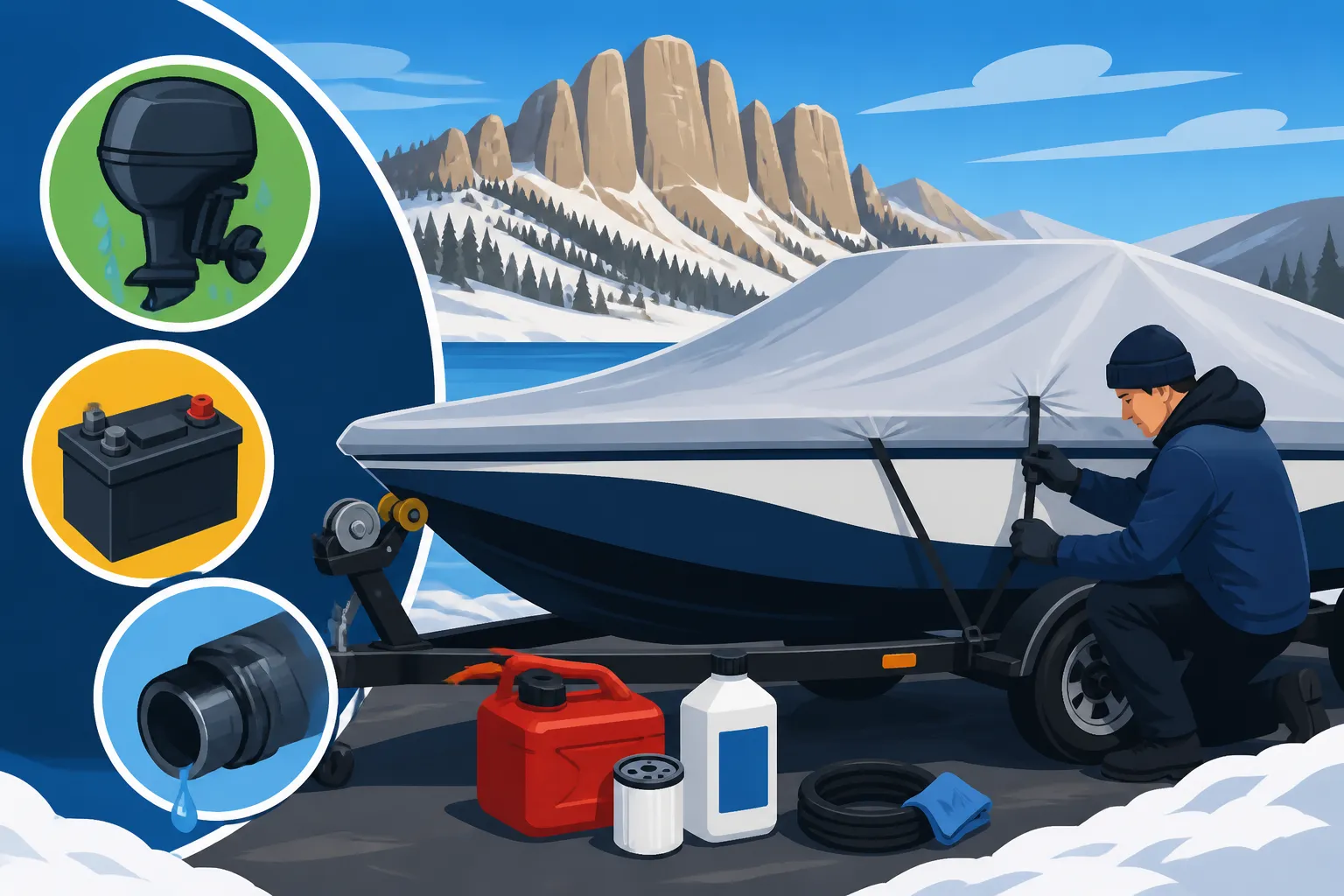
The engine is the heart of your boat, and it's also the most vulnerable component to freezing temperatures. Proper engine winterization involves several critical steps that ensure no water remains where it shouldn't, and that all internal components are protected against corrosion and degradation. Whether you have an outboard, inboard, or sterndrive engine, these general principles apply, though specific procedures might vary slightly. Always consult your engine's owner's manual for precise instructions tailored to your make and model.
Fuel System Preparation
Before you do anything else, you need to address your boat's fuel system. Fuel, especially gasoline, can degrade over several months, forming varnish and gum deposits that clog carburetors and fuel injectors. This degradation can lead to hard starting, poor performance, and costly fuel system cleanings in the spring. The solution is stabilization. You should fill your fuel tank completely (to minimize condensation) and add a high-quality fuel stabilizer, following the product's instructions for dosage. Once added, run the engine for about 10-15 minutes to ensure the treated fuel circulates through the entire fuel system, from the tank to the fuel lines, filters, and into the carburetor or injectors. This prevents stale fuel from sitting in the delicate components.
For diesel engines, while fuel degradation is less pronounced than with gasoline, issues like microbial growth (the dreaded "diesel bug") can occur in tanks during long periods of storage. Adding a diesel fuel stabilizer and a biocide is highly recommended. Again, run the engine briefly to ensure the additives are distributed. Don't forget to drain any water separators or fuel filter bowls as part of this process, ensuring they are free of contaminants before storage. You can find excellent fuel stabilizers and biocides at marine supply stores or through online retailers like Amazon.
Engine Oil and Filter Change
Changing your engine oil and filter before winter storage is another non-negotiable step. During the boating season, engine oil accumulates acids, contaminants, and moisture, which can become corrosive if left sitting in the engine for months. Fresh oil, free of these impurities, provides optimal protection for internal engine components during storage. Start the engine briefly to warm up the oil, which makes it flow more easily for draining. Then, drain the old oil completely, replace the oil filter, and refill the engine with fresh, manufacturer-recommended oil.
This is also a good time to inspect the old oil filter for any metal shavings or unusual debris, which could indicate a deeper engine issue. While you’re at it, consider spraying fogging oil into the carburetors or spark plug holes (for gasoline engines) while the engine is running or immediately after shutdown. Fogging oil coats the internal cylinder walls and piston rings, preventing rust and corrosion during the damp, cold months. Again, refer to your owner's manual for the exact procedure, as some modern engines may have different recommendations.
Cooling System Flush and Antifreeze
This is arguably the most critical step for protecting your engine from freezing in South Dakota's extreme cold. Any water left in the engine's cooling passages will freeze and cause damage. For outboard engines, the process is relatively straightforward: once the fuel stabilizer has circulated, disconnect the fuel line (if not already done) and allow the engine to run out of fuel. Then, flush the engine's cooling system thoroughly with fresh water using "earmuffs" or a flush kit, ensuring all saltwater or debris is cleared. Once flushed, the engine should drain completely. Many outboards are designed to self-drain, but tilting and trimming the engine can help ensure all water escapes.
For inboard and sterndrive engines, the process is more involved. You need to drain all water from the engine block, exhaust manifolds, and any raw water systems. This usually involves removing drain plugs, which can sometimes be tricky to locate. Once drained, it's highly recommended to circulate non-toxic marine antifreeze (propylene glycol based, never automotive antifreeze) through the entire cooling system. This can be done by using a funnel and running the engine (with the boat either on a hose connection or a "dummy" tank) until antifreeze comes out of the exhaust. The pink color of the antifreeze confirms that it has replaced the water and is now protecting the system. This antifreeze will protect against freezing and also provide additional corrosion inhibition. You can find marine-grade antifreeze in various sizes at Bass Pro Shops or other local marine retailers.
| Engine Type | Fuel System | Oil Change | Cooling System |
|---|---|---|---|
| Outboard | Fill tank, add stabilizer, run engine. | Not always necessary for 2-stroke, check manual for 4-stroke. | Flush with fresh water, ensure complete drainage. |
| Inboard/Sterndrive | Fill tank, add stabilizer, run engine. | Drain old oil, replace filter, refill with new oil. | Drain all water, circulate marine antifreeze. |
Protecting Your Boat's Interior, Exterior, and Systems
While engine winterization is paramount, don't overlook the rest of your boat. The hull, deck, electronics, and interior spaces also require attention to prevent damage from moisture, pests, and prolonged exposure to cold. A little effort now can save you a lot of grief and cleaning come spring.
Cleaning and Securing the Interior
Before you button up your boat for the winter, give the interior a thorough cleaning. Remove all personal items, fishing gear, life jackets, and electronics. Take home anything that could mold, mildew, or provide a nesting ground for rodents or other pests. Clean out your livewells and baitwells thoroughly, ensuring they are dry and any drain plugs are removed to prevent standing water from freezing. Vacuum carpets, wipe down surfaces, and clean any upholstery. Using a mild disinfectant can help prevent mildew growth. Open all lockers, drawers, and compartments to promote air circulation and prevent moisture buildup, which is a common problem in stored boats.
Once clean, you can place moisture-absorbing products, such as desiccant bags, in enclosed spaces to control humidity. Small sachets of mothballs or cedar blocks can also deter rodents, but be cautious with their placement as the strong odors can permeate upholstery. Make sure all windows, hatches, and doors are securely latched but not overly tightened, as extreme cold can cause materials to contract. If possible, consider adding a solar vent or ensuring some minimal airflow to prevent stale air and moisture traps.
Battery Care and Electrical Systems
Leaving your boat battery connected and uncharged through a South Dakota winter is a recipe for a dead battery in the spring. Batteries self-discharge over time, and cold temperatures accelerate this process. The best practice is to remove your batteries from the boat. Clean the terminals thoroughly to remove any corrosion, then store them in a cool, dry place where they won't freeze. On concrete floors, which were once thought to drain battery power, this is a myth, but a cool, stable environment is still best. Connect them to a "smart" trickle charger or battery maintainer that will automatically charge and then maintain the battery's optimal voltage without overcharging. This ensures they'll be fully charged and ready to go when you are. Best Marine Battery Charger for Winter Storage can help you choose the right one.
As for other electrical systems, it's a good idea to disconnect any easily removable electronics, such as GPS units, fish finders, or stereos, and store them indoors in a climate-controlled environment. While modern marine electronics are generally robust, removing them prevents potential cold-weather damage, theft, and accidental battery drain from parasitic loads. Spraying electrical connections with a marine-grade corrosion inhibitor can also help protect them during the long storage period.
Protecting the Exterior and Hull
The exterior of your boat, especially the hull, also needs protection. Start with a thorough wash and wax. A clean hull is less likely to show stains and mildew in the spring, and a good coat of wax provides an extra layer of protection against environmental elements, UV rays, and general grime. For boats stored outdoors, cover is absolutely essential. A properly fitting boat cover protects against snow, ice, rain, and UV radiation. Ensure the cover is well-supported to prevent snow and ice from pooling and stretching or tearing the fabric. Investing in a quality cover is critical; cheap tarps often don't last and can cause more problems than they solve by trapping moisture. Best Boat Cover for South Dakota Winters can help guide your choice.
Pay attention to your boat's drain plug. It should be removed during storage to allow any accumulated rain or meltwater to drain freely, preventing it from freezing inside the hull. If your boat will be sitting on a trailer, consider placing blocks or stands under the frame to take the weight off the tires and axles, extending their life. Check tire pressure, and if possible, elevate the trailer tires off the ground. Lubricate trailer bearings and hitch mechanisms, especially if you're leaving it outdoors, to prevent rust and ensure smooth operation come spring.
Storage Considerations for the Harsh South Dakota Winter
Once your boat is meticulously winterized, the next crucial decision is where and how it will spend the long South Dakota winter. Your storage choice can significantly impact its condition when spring finally arrives.
Indoor vs. Outdoor Storage
The debate between indoor and outdoor storage is often decided by budget and availability. Clearly, indoor storage in a heated facility offers the ultimate protection against the elements. It shields your boat from snow, ice, extreme temperature fluctuations, and direct UV exposure, minimizing wear and tear on covers, gelcoat, and interior components. However, this option is typically the most expensive and space can be limited, especially in popular boating areas around the Missouri River lakes or the Glacial Lakes region. If you choose indoor storage, ensure the facility is reputable, secure, and has good ventilation. Even indoors, a proper winterization (especially engine antifreeze) is still wise for unheated facilities, as power outages or heating failures can still lead to freezing conditions.
Outdoor storage, while more common and often more affordable, requires extra precautions. Your boat will be exposed to everything Mother Nature throws at it: heavy snow loads, ice storms, relentless winds, and brutal sub-zero temperatures. A sturdy, well-fitting cover is not optional; it's a lifeline. Ensure the cover is taut and pitched to shed snow and water, preventing pooling. Consider building a frame or using a robust support system underneath your cover to create a high peak, allowing snow and ice to slide off easily. Without proper support, heavy snow can stretch and damage covers or even damage your boat's windshield or railing.
Preparing Your Trailer and Blocking Your Boat
For most South Dakota boaters, outdoor storage means leaving your boat on its trailer. This is perfectly acceptable, but the trailer itself needs some TLC. As mentioned earlier, lifting the boat slightly off its bunks with blocks or stands can relieve pressure on the hull, especially for fiberglass boats, and allow for better airflow. This also means you can take the weight off your trailer tires. If your trailer sits all winter with the full weight of the boat on its tires, flat spots can develop, leading to uncomfortable vibrations and premature tire wear. Consider inflating tires to their maximum recommended pressure or, ideally, removing them and storing them indoors, placing the trailer on jack stands.
Don't forget to lubricate all moving parts on the trailer, including the winch, tongue jack, and hitch coupler. Apply a corrosion inhibitor to leaf springs, brake lines (if applicable), and any exposed metal. Inspect the trailer's electrical wiring and lights for any damage that might worsen over winter. If your trailer has surge brakes, ensure the actuator piston is pushed in and lubricated to prevent it from seizing up. You want your trailer to be as ready as your boat for the next season, and a little attention now prevents frustration later.
Security and Pest Control
Even in the quiet solitude of winter storage, your boat remains an attractive target for both two-legged and four-legged pests. Security is paramount, whether your boat is at home, a storage facility, or a marina. Ensure your boat trailer is locked to your vehicle (if storing at home) or has a robust hitch lock and wheel chock. If storing at a facility, check their security measures, such as fencing, surveillance, and gated access. Removing easily detachable electronics and fishing gear is also a good security measure.
For critters, South Dakota winters are long and cold, and a boat provides excellent shelter for mice, squirrels, and other rodents looking for warmth and a place to nest. These pests can cause extensive damage by chewing through wiring, upholstery, and even plastic components. Beyond cleaning out all food sources, consider using deterrents. Mothballs can be effective, but their strong odor can be persistent. Peppermint oil-soaked cotton balls in strategic locations can also work. Some boaters place dryer sheets or electronic pest deterrents in their boat. Make sure any access points, such as through-hulls or exhaust ports, are screened or covered to prevent entry. A little proactive pest control now can save you from a nasty surprise and expensive repairs when spring arrives.
Additional Winterization Tips for South Dakota Boaters
While the core steps cover most of the crucial aspects, a few extra considerations can make your South Dakota winterization even more robust.
What About the Livewell and Raw Water Systems?
Don't forget about your livewell, washdown, and any other raw water systems. These systems often have pumps, hoses, and valves that hold water, making them vulnerable to freezing. After draining and cleaning your livewells, disconnect the inlet and outlet hoses if possible, allowing them to drain completely. For more complex systems, consider running marine-grade antifreeze through them. This typically involves pouring antifreeze directly into the livewell intake or pump assembly and cycling the pump briefly until pink antifreeze appears at the discharge points. This ensures every nook and cranny is protected. You can easily find the specific types of antifreeze you need for your boat at stores like Bass Pro Shops.
Remember to remove any drain plugs from your livewells, baitwells, and bilge to ensure they are completely dry and any melted snow or rain can escape. Leaving a drain plug in can lead to water pooling and freezing, damaging the structure of the livewell itself or surrounding components.
Final Check and Documentation
Once you've completed all the winterization steps, do a final walk-around of your boat. Double-check that all drain plugs are out (except the engine block plugs, if they've been reinstalled after antifreeze), covers are secure, and all systems are in a safe, stored state. Take photos of your boat, especially if storing it at a commercial facility, to document its condition. This can be helpful for insurance purposes or if any disputes arise.
It's also a good idea to create a checklist for yourself. Many boaters find it helpful to have a detailed list of every step they've taken, noting any issues encountered or parts replaced. This makes the spring de-winterization process smoother and ensures nothing is forgotten. Keep your owner's manuals handy, as they are your best resource for engine-specific instructions. Consider also noting when you performed the winterization and what products you used, which can be useful for planning next year's tasks. How to Winterize a Boat in South Dakota and Best Time to Winterize a Fishing Boat offer more details on seasonal preparation.
Preparing Your Fishing Gear for Winter
While not strictly part of boat winterization, don't forget your fishing gear! Just like your boat, your rods, reels, and tackle need proper care before being stored for months. Clean and lubricate your reels, especially if they've seen heavy use or gotten wet. Inspect your rods for any cracked guides or loose reel seats. Store rods upright or in a horizontal rack to prevent warping. Remove all lures with treble hooks from your tackle boxes or place them in protective sleeves to prevent rust and damage to other items. Make sure your tackle boxes are dry and free of any organic matter that could mold. How to Store Fishing Gear Over Winter provides a fantastic guide on this topic, ensuring all your fishing investments are ready for the next spring thaw.
By diligently following these steps, you'll ensure your boat, whether it's a nimble fishing vessel for the Glacial Lakes or a robust rig for Lake Oahe, is fully prepared to endure the South Dakota winter. Come spring, you'll be able to launch it with confidence, knowing it's ready for another season of memorable catches without the headache of preventable damage.
Disclaimer
This article is for general informational purposes only and does not constitute professional advice. Laws, prices and regulations vary by location and change over time. Consult a qualified professional for guidance on your specific situation.